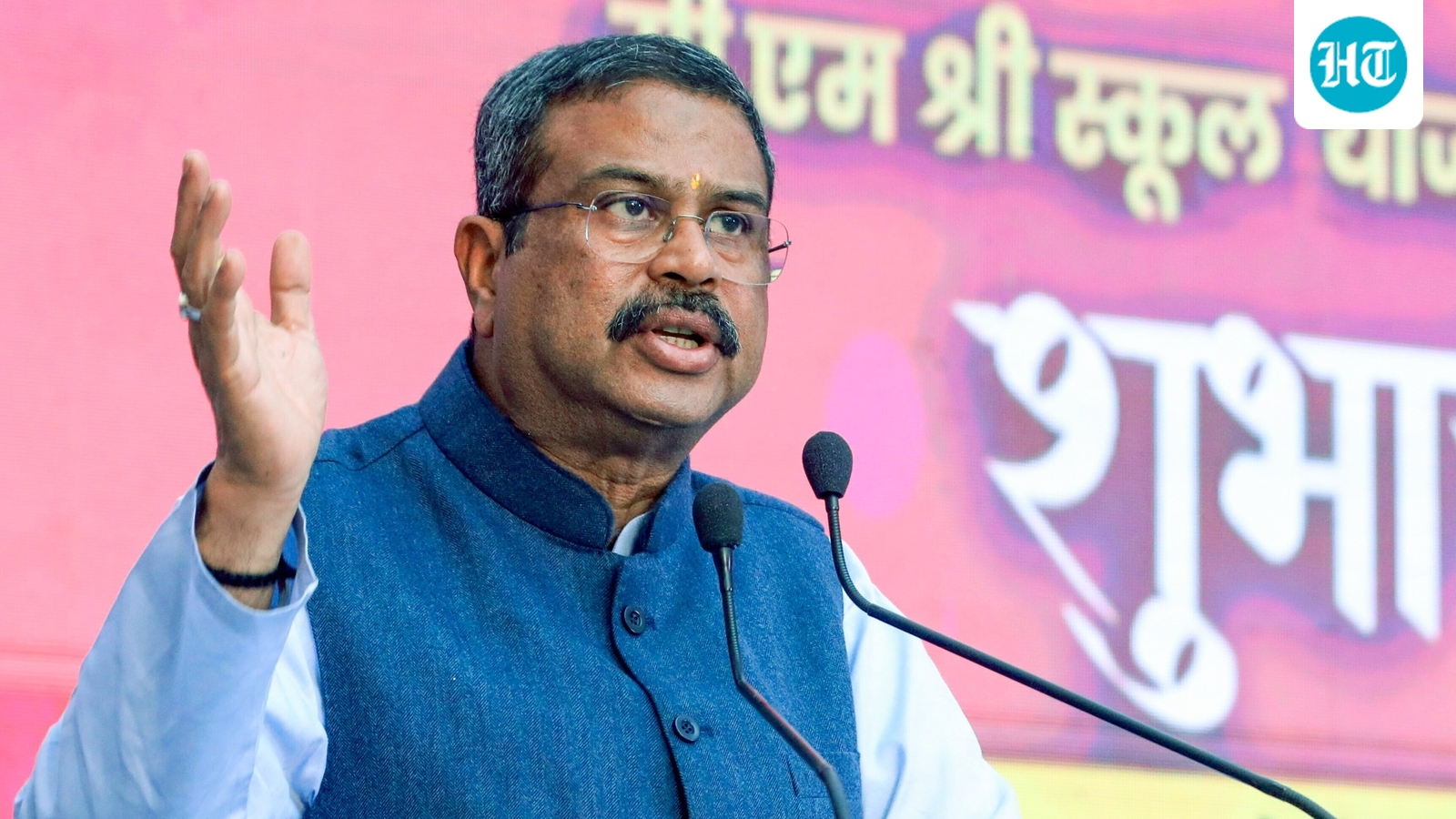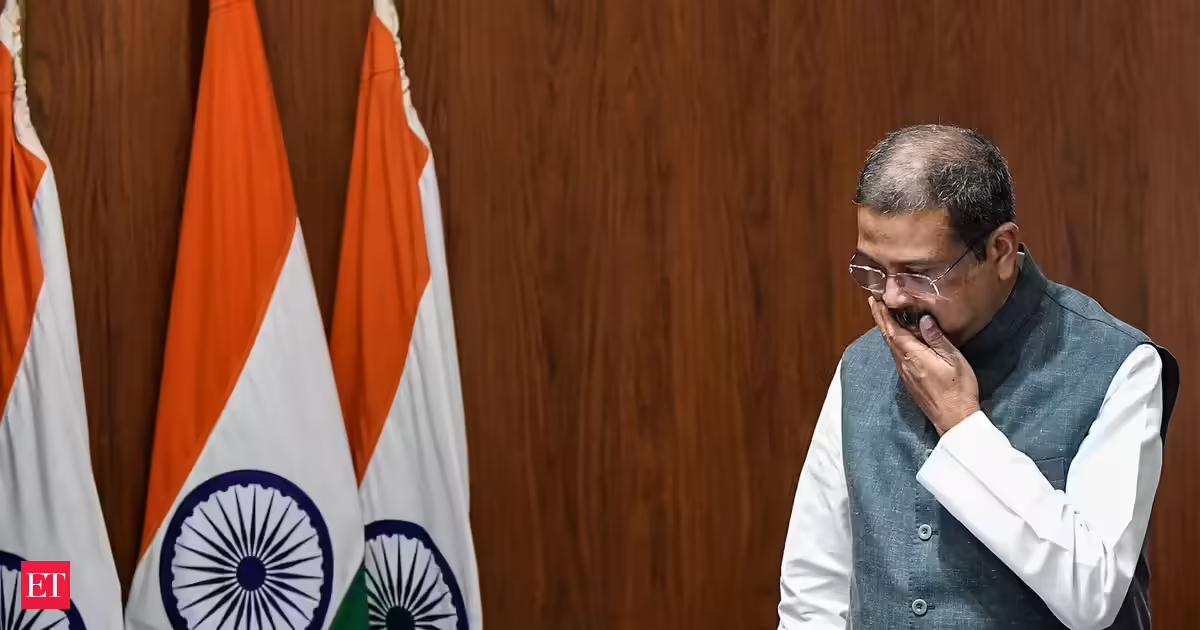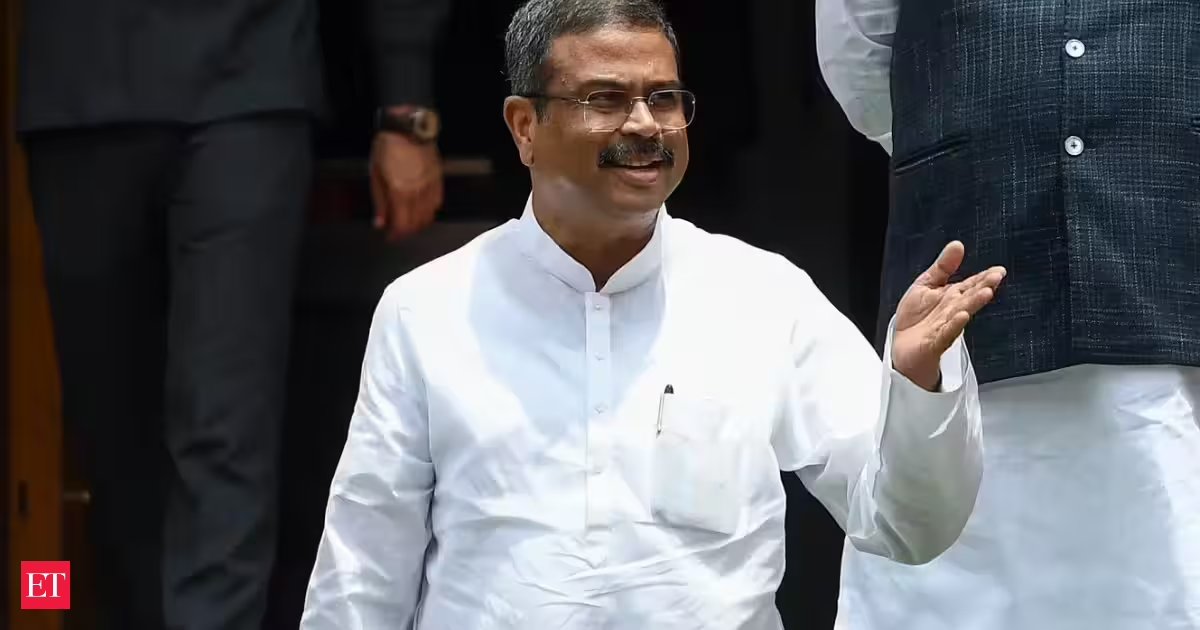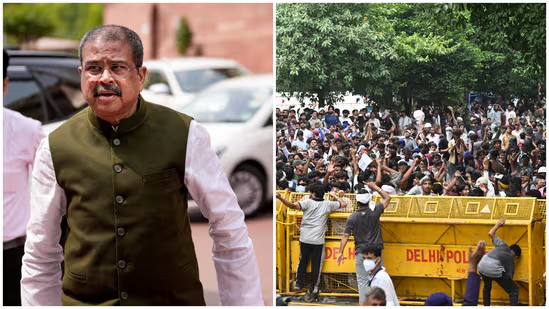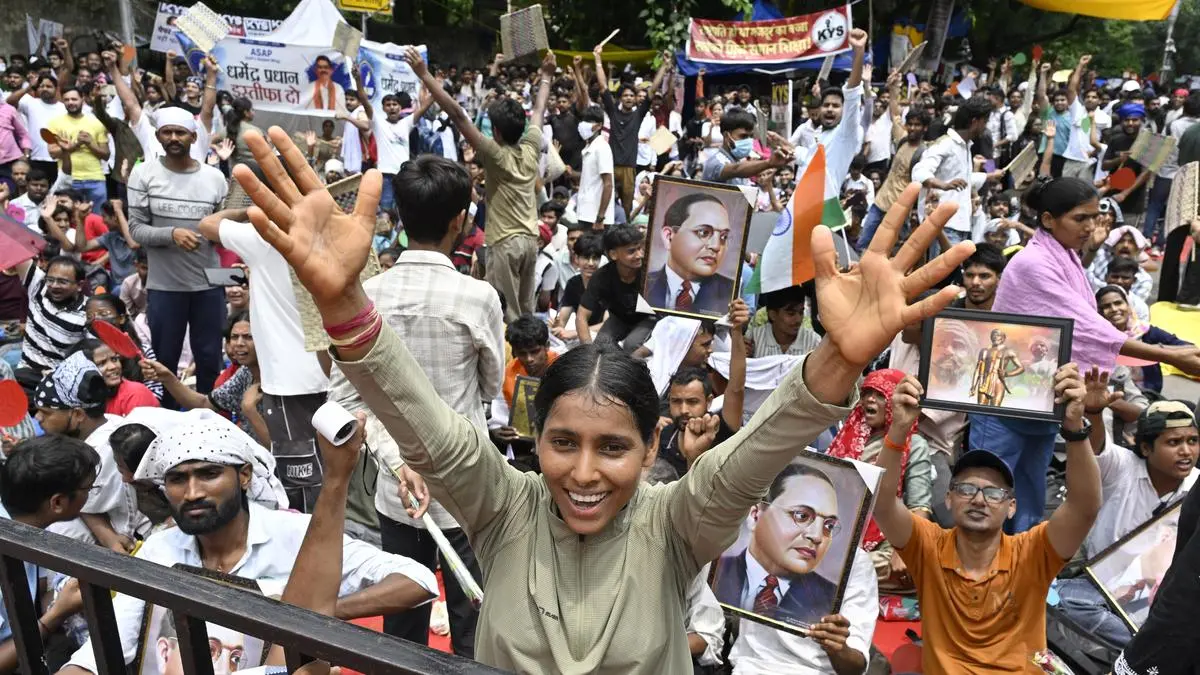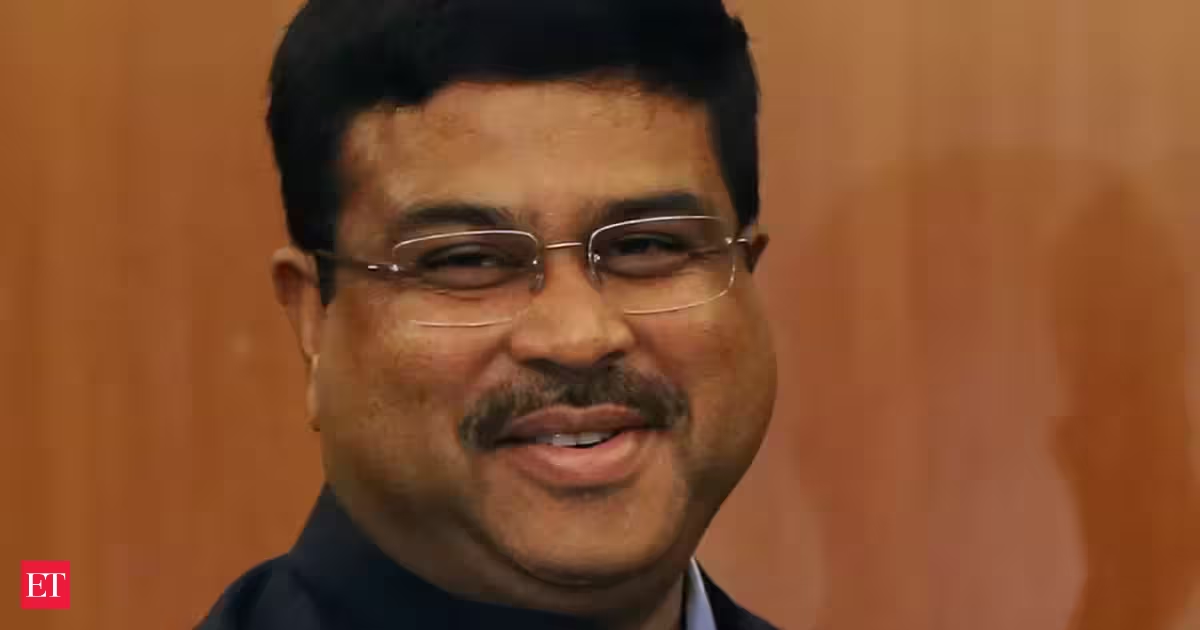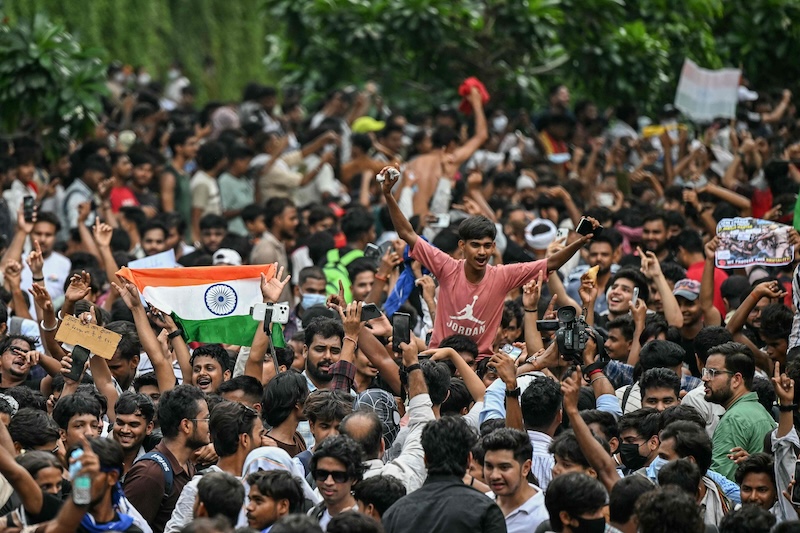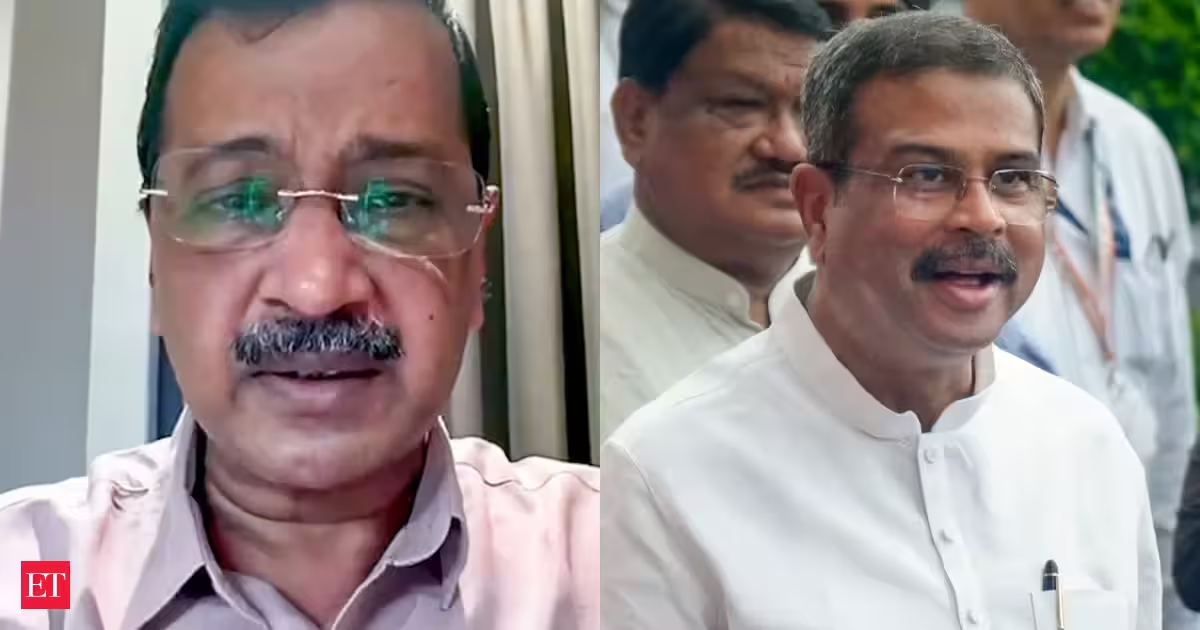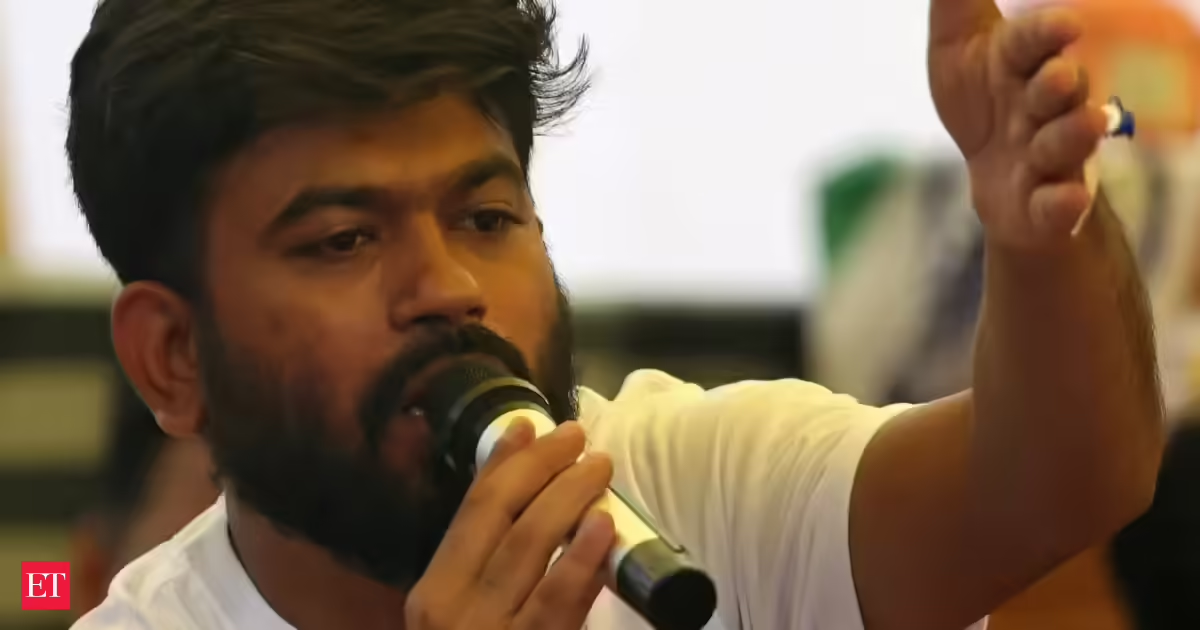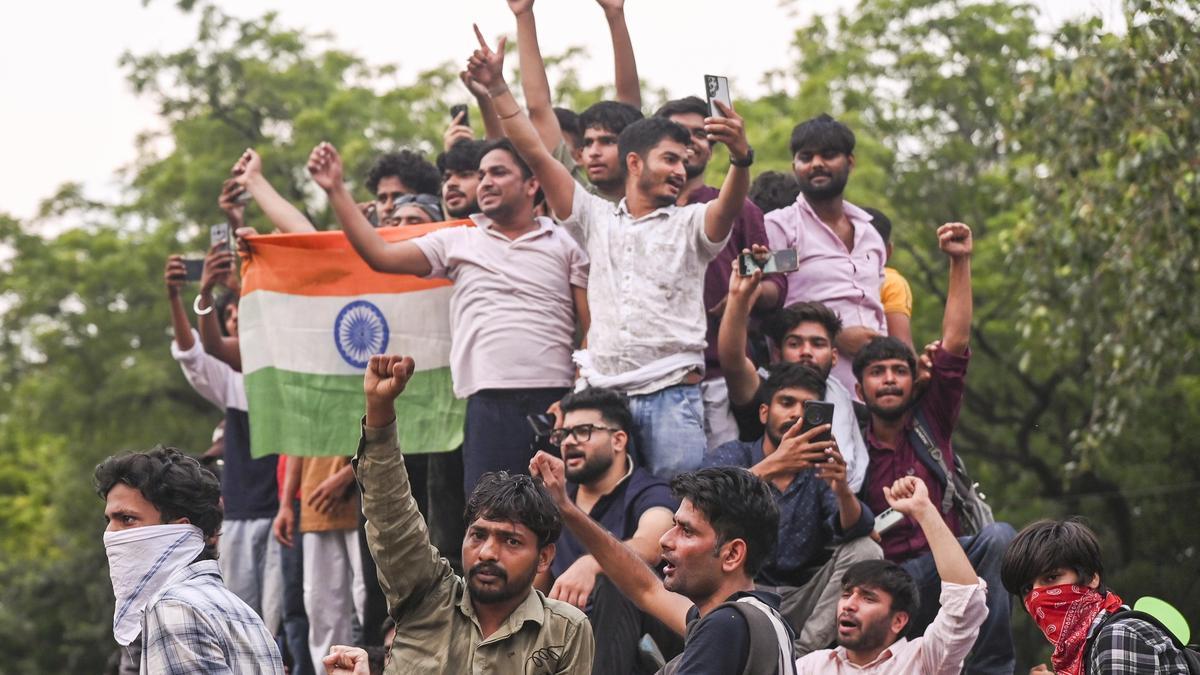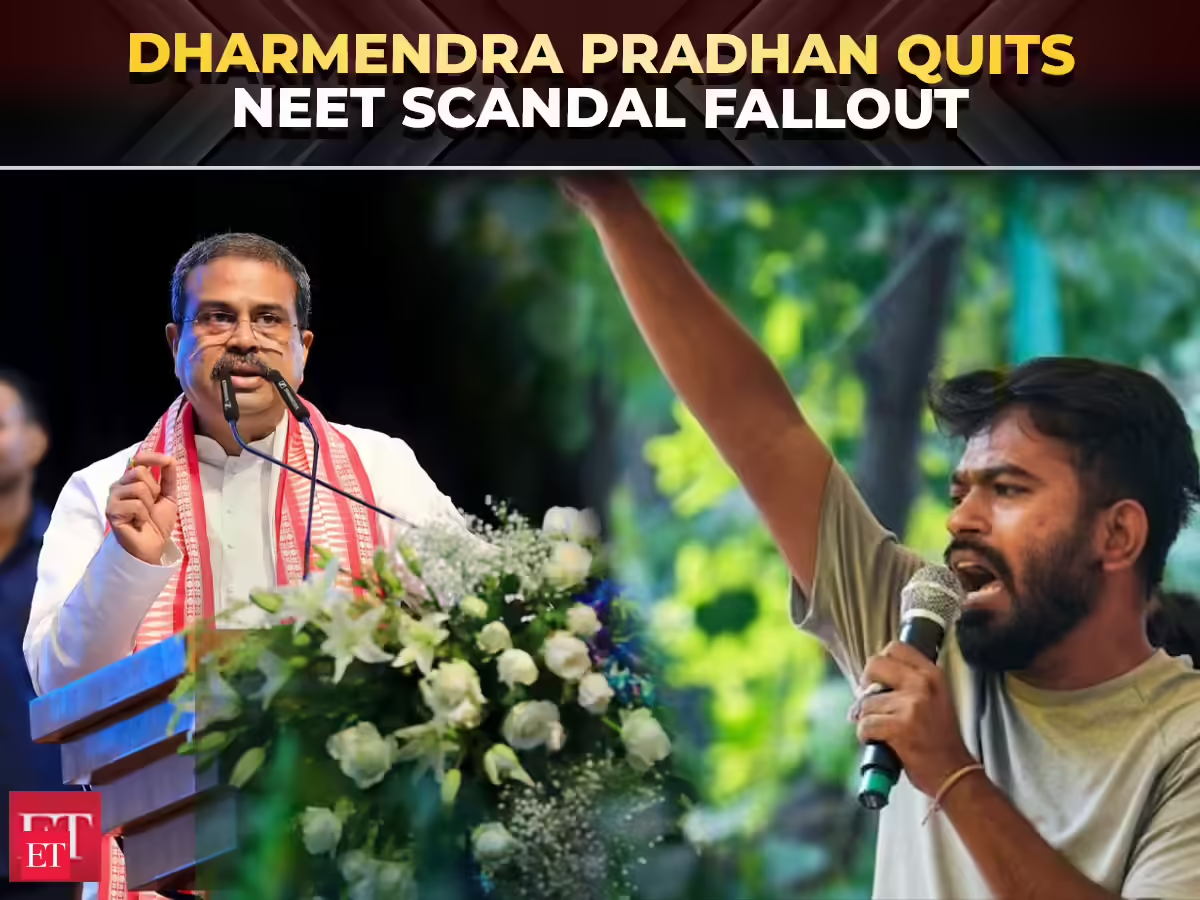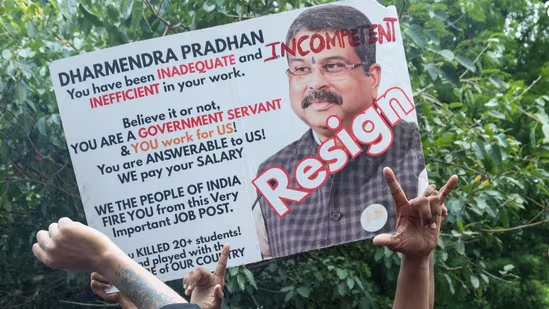
Prolonged deliberations within the government over the social and security ramifications of allowing the student protests over paper leaks to continue and the possible adverse electoral impact it might have for the ruling Bharatiya Janata Party (BJP), which is already gearing for the next round of state elections, may have forced the resignation of Union education minister Dharmendra Pradhan on Saturday, said people aware of the details.Supporters of India's Cockroach Janta Party (CJP) celebrate after India's Education Minister Dharmendra Pradhan resigned following days of protests in New Delhi, India, July 25, 2026. (REUTERS)Another key reason was the fear of alienating a big demographic – young people, most specifically Gen Z – not limited by “geographical, faith and caste divisions” , said one of the people in the BJP HT spoke to.The protests over the irregularities in the conduct of the National Eligibility cum Entrance Test and other examinations was led by the Cockroach Janta Party (CJP), which was born out of online satire in May and began a sit-in stir at Jantar Mantar in June. The group — which elicited the support of students across India – had three main demands, with the resignation of Pradhan being the core one.As negotiations between the CJP and the government hit a stalemate on the issue of the minister’s resignation, Pradhan offered to step down, taking “moral responsibility”, said the people cited above.His party colleagues, who spoke on the condition of anonymity, said the protests snowballed into a major challenge for the BJP that is in power at the Centre and in 22 states and two Union territories with its allies.Also Read | Pralhad Joshi gets education ministry charge as Dharmendra Pradhan's resignation accepted“Since 2014, the BJP is known for riding out storms because not every issue, particularly political ones, merit resignation. The government firmly believes in fixing responsibility and making amends. Pradhan did exactly that by conducting a re-exam and the authorities moved swiftly to frame charges against the accused…but this protest was being misused by vested interests and political opponents who want to derail the government and its agenda,” said a senior lawmaker.This person said, “The government, starting with Prime Minister Narendra Modi, made efforts to alleviate the concerns of the students, but it became clear that there was no winning against the youth when the Opposition and vested interests played a role in propping up the protests.”A bunch of ministers stepped down in 2021 paving the way for a reshuffle, and in 2018, the then minister of state for external affairs MJ Akbar resigned after being named in India’s own version of the Me Too movement.Also Read | ‘Not a matter of personal prestige’: Dharmendra Pradhan quits over paper leaksIn the present case, the government weighed its options, but the hardened stance of the protesters on the streets and of the Opposition in Parliament offered no scope for negotiations.Opposition parties were unrelenting in their demand for Pradhan’s resignation, failing which they would not allow Parliament to function and derail the government’s bid to pass the bill that gives more teeth to the law against the use of unfair means in public and competitive exams.People privy to the details said the inputs from security agencies precipitated the action. “By the middle of this week, the government got credible information about violence and social unrest being planned for the weekend, which set in motion a plan to defuse the situation. You can call it tactical retreat…but the fact is that the government cannot allow bloodshed,” said a second person.Modi on Thursday assured students of fast track justice, followed by a video message the next day where he referred to amendments being planned to an existing law to make harsher punishment and penalties for irregularities in the conduct of public examinations. However, there was no let up in the protests.Inputs from the security agencies were buttressed by the feedback from the party’s ideological fount, the Rashtriya Swayamsevak Sangh (RSS). “The Sangh was emphatic that the protest cannot be taken lightly; they urged the government to engage with them (protestors) and underlined the need for systemic reforms. The Sangh has over time pressed for reforms in the education sector, from curriculum to day to day functioning of the ministry,” said a Sangh functionary.On Friday, RSS chief Mohan Bhagwat reflected on the generational shift and said India had moved from an “era of obedience” to youth demanding answers based on “logic and reasoning”.Without mentioning the CJP or the protests, he said institutions and families have to address their questions, offer guidance, and dedicate time rather than trying to enforce rules and commands.Another compelling reason for the government’s climbdown was the fear that a student’s movement had larger resonance on the ground.“No party can afford to alienate the youth. This country has a history of youth carrying movements such as the JP Movement against Emergency and the India Against Corruption Movement (against the Congress-led UPA) on their shoulders…With elections also coming up in sensitive states such as Punjab and UP, the Opposition would have found a platform to target the government for overlooking the youth,” said a third party functionary.
Fear of losing Gen Z, poll math forced BJP's hand in Dharmendra Pradhan's resignation
As negotiations between the CJP and the government hit a stalemate, Pradhan offered to step down, taking “moral responsibility”. | India News
854 words~4 min read