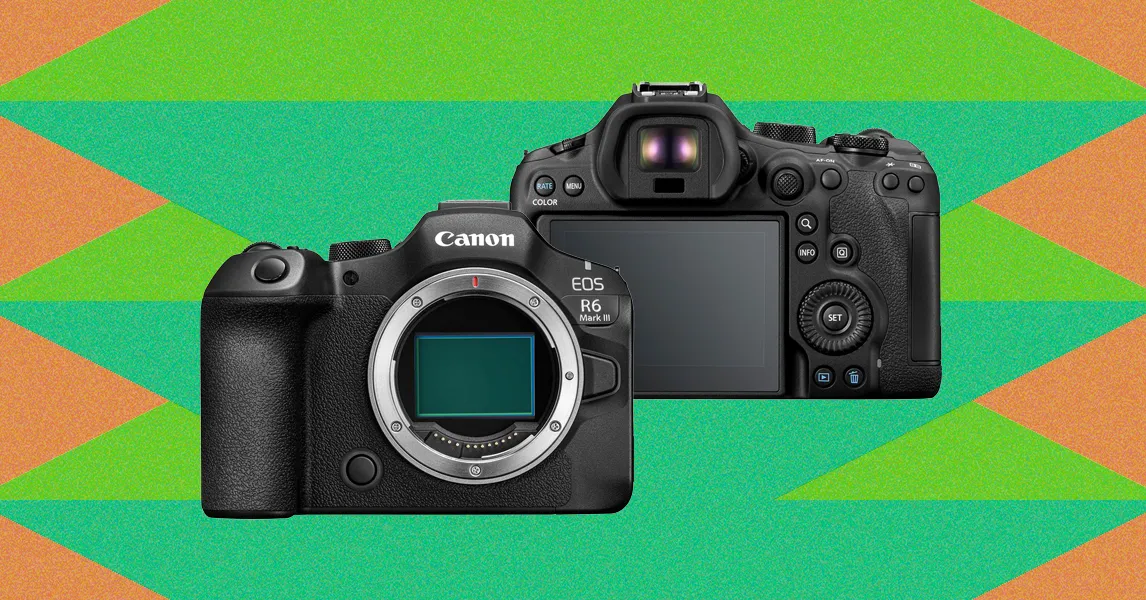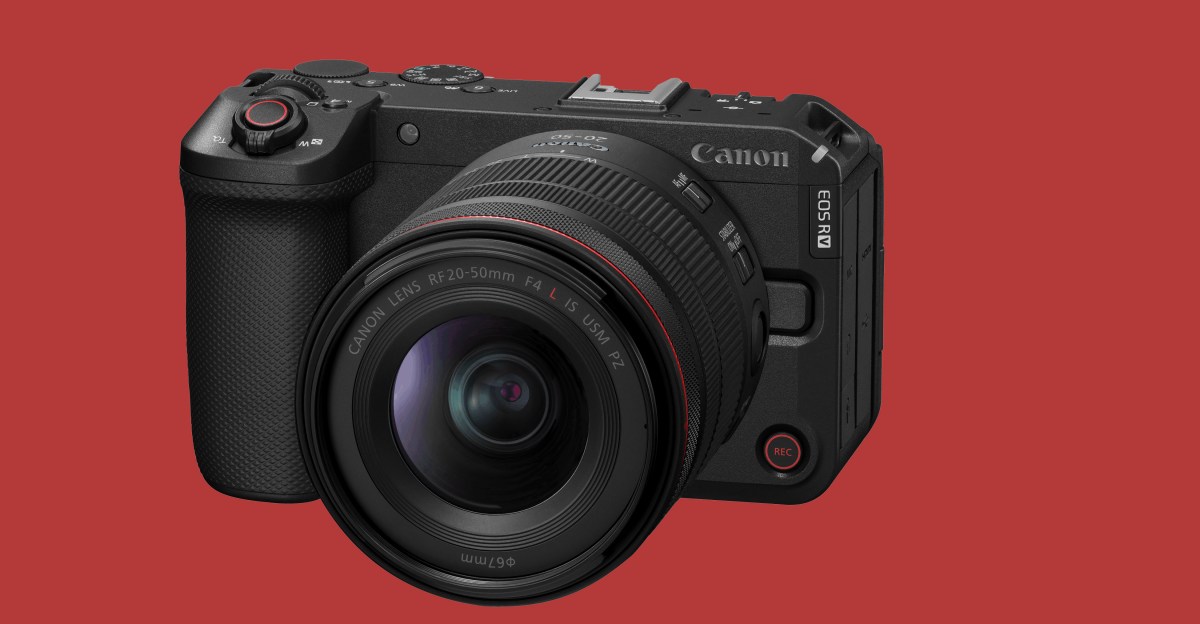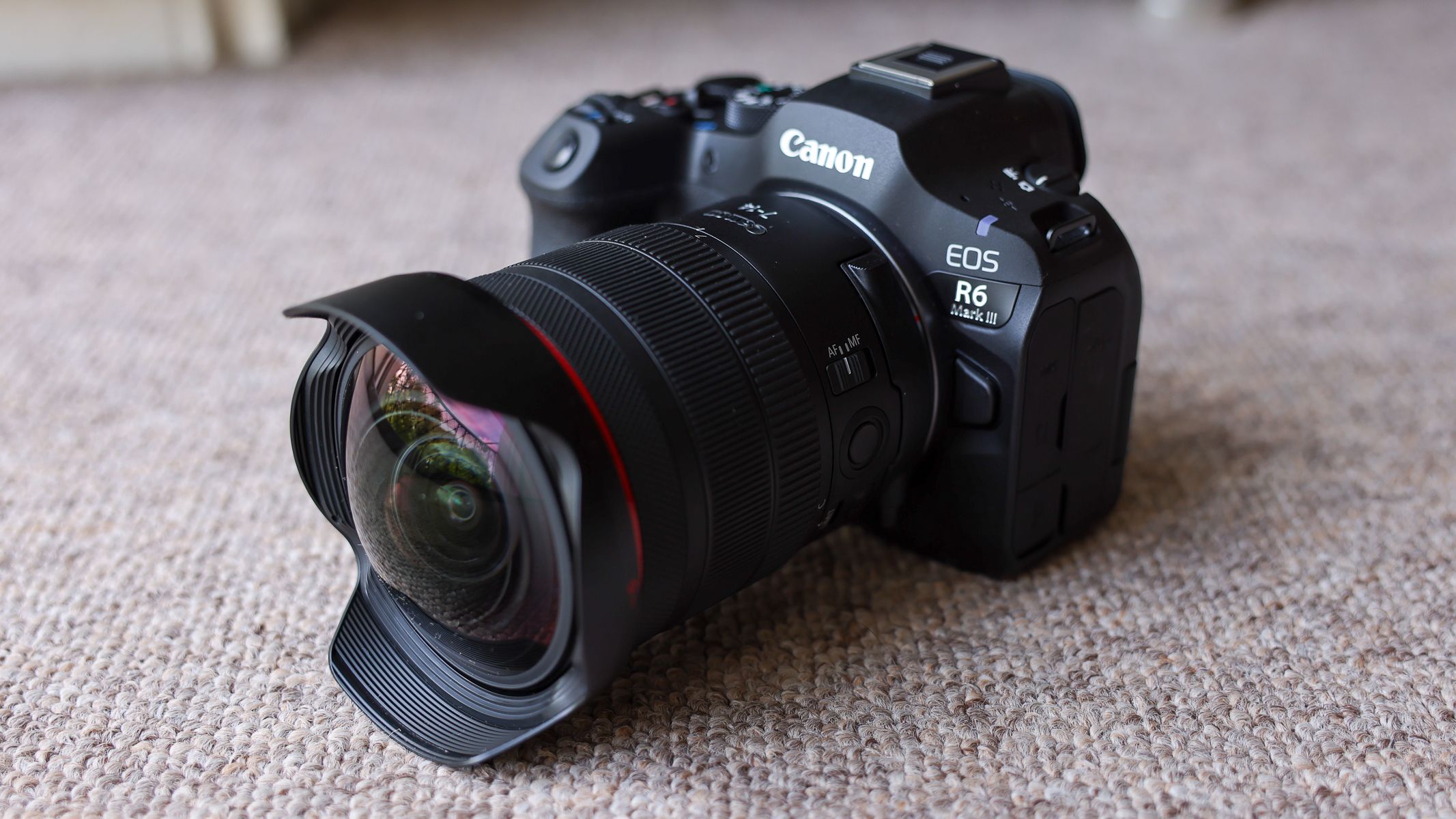
TL;DRCanon registered three new EOS R cameras. Rumours point to a retro-styled R8 II (digital AE-1), an R7 II with Canon’s first stacked APS-C sensor, and an R10 II. All expected H2 2026.
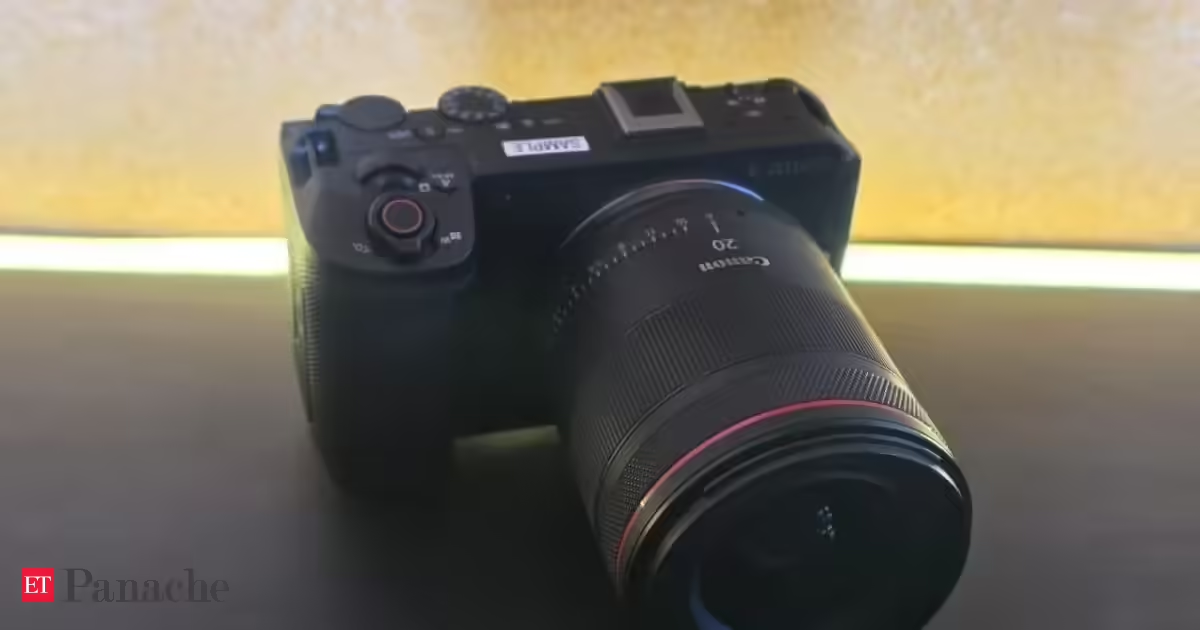
Canon has registered three new cameras with wireless certification agencies, a step that typically signals imminent announcements. Rumours point to updates across Canon’s mid-range mirrorless lineup: the EOS R8 II, EOS R7 II, and EOS R10 II. All three are expected in the second half of 2026. The most interesting is the R8 II, which may arrive in mid-September with retro styling inspired by the Canon AE-1, a legendary 1976 film SLR that turns 50 this year.
The AE-1 was one of the most popular cameras ever made, beloved by amateur photographers for its accessible design. Nikon already proved the retro-digital formula works with the Zf, and Canon has reportedly been working on a similar concept for years. The rumoured R8 II specs include a 32.5MP full-frame sensor, 40fps electronic shutter burst, in-body image stabilisation, oversampled 4K video, and two SD card slots, up from one on the original R8. Whether the retro styling is cosmetic or extends to film-style image processing modes remains unclear.
The EOS R7 II may be more significant technically. It is rumoured to feature Canon’s first stacked APS-C sensor, a design that moves circuitry behind the sensor for faster readout, enabling higher burst speeds and blackout-free viewfinder shooting. Currently, only Fujifilm’s X-H2S offers a stacked APS-C sensor. Resolution may increase from 32.5MP to 39MP. The EOS R10 II, Canon’s beginner model, is expected with improved autofocus and a deeper burst buffer but fewer dramatic changes.