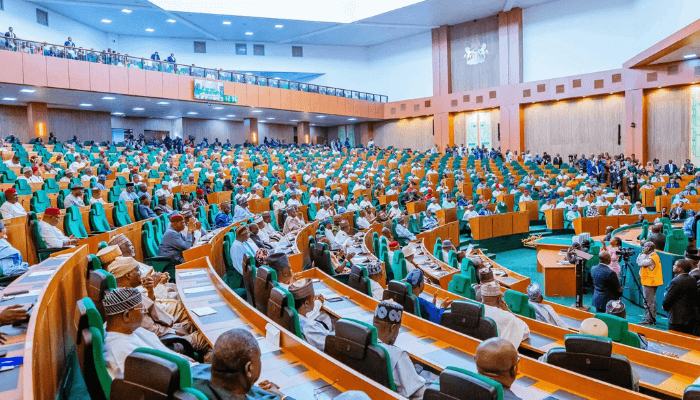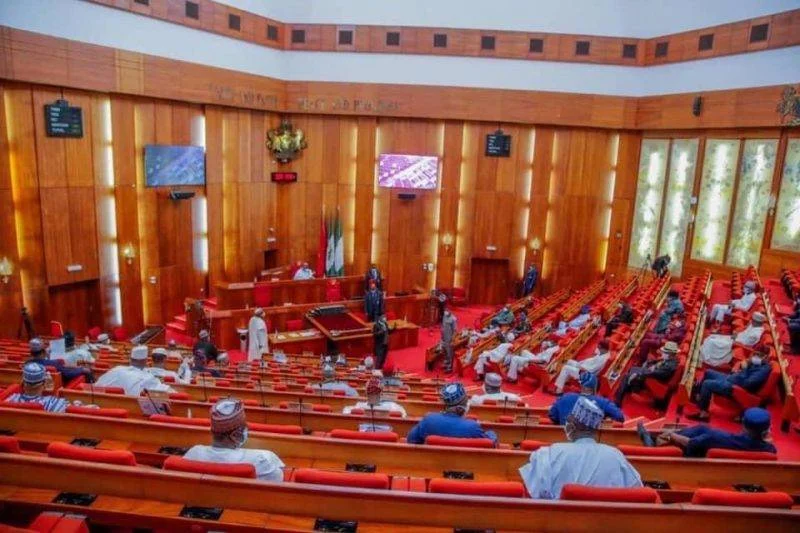
What the Senate owes the public now is a reconciliation conducted on the record, following the documents wherever they lead, insulated from political pressure in either direction, and concluded with a finding ordinary citizens can read. The analyst, Ike Onwuachu, made this point in his assessment of the hearing, arguing that the question should be settled by transparent reconciliation, rather than competing narratives, and that reading numbers off a balance sheet without understanding the historical transactions and operational structures behind them is an incomplete exercise.
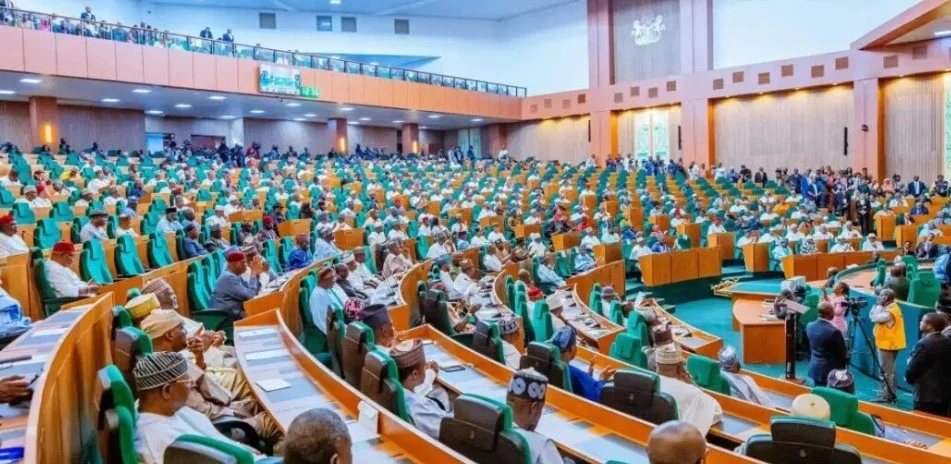
The easiest way to rile Nigeria on the matter of public finance is to throw a number of endless zeroes at us and call it missing money. Nobody needs to explain the ledger from which it was drawn, or the accounting convention that produced it, or whether the sum describes cash that once sat in a vault. The figure alone is enough. Within an hour it has travelled through group chats, gotten converted into hospitals unbuilt and roads not tarred, and hardened into an article of faith that no clarification can dislodge, and what follows is an instant screaming match in which the loudest participants are frequently those least equipped to read a balance sheet. This was the pattern that greeted the claim that ₦210 trillion had gone missing from the books of the Nigerian National Petroleum Company Limited – a figure roughly four times the size of the national budget, tossed around like a stale pancake until it arrived, unexamined, at a Senate committee hearing.