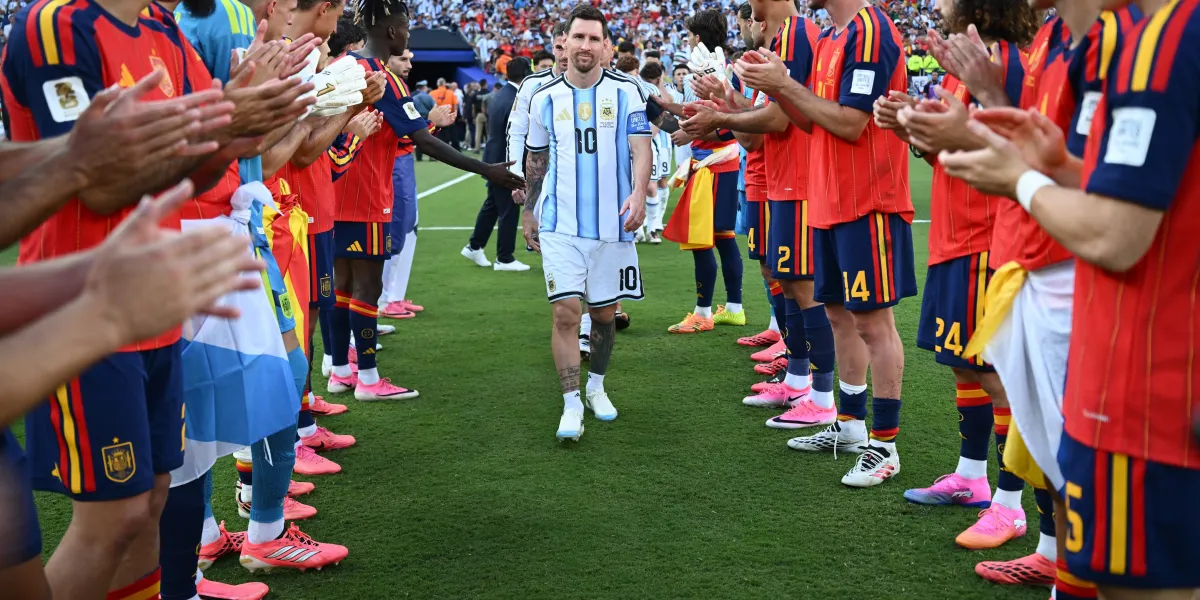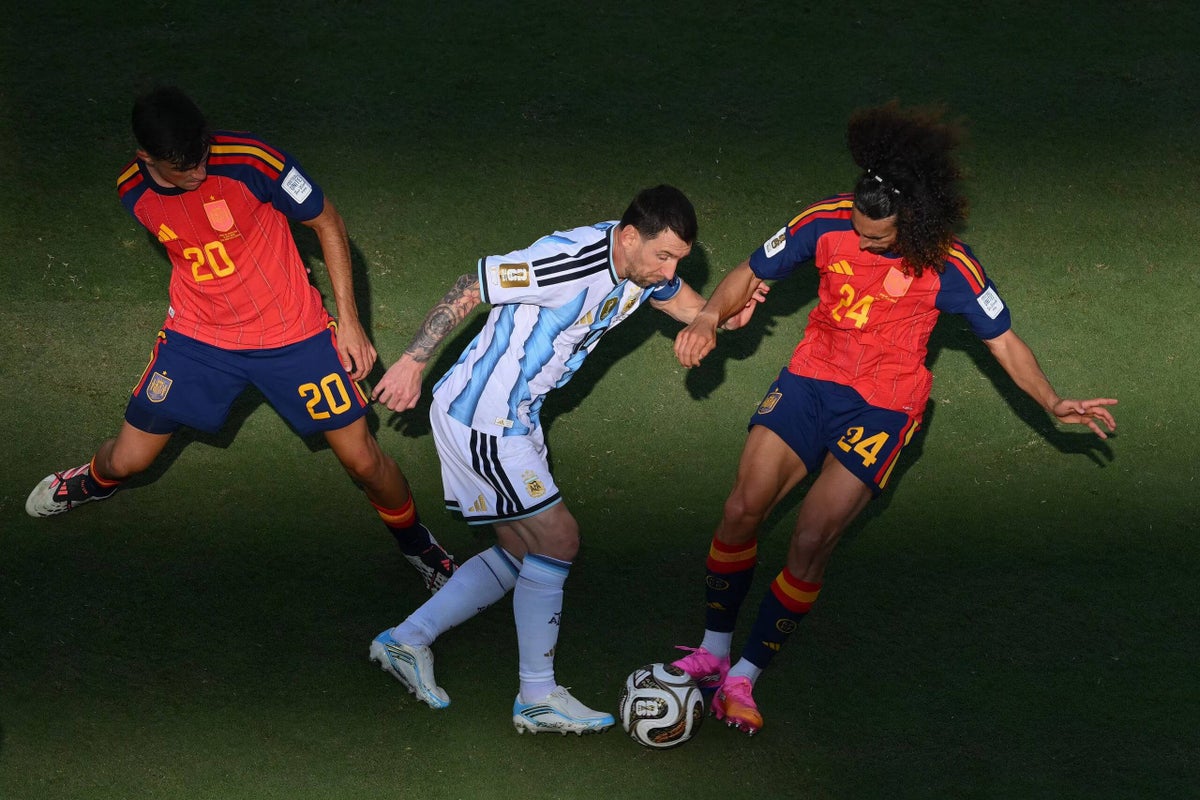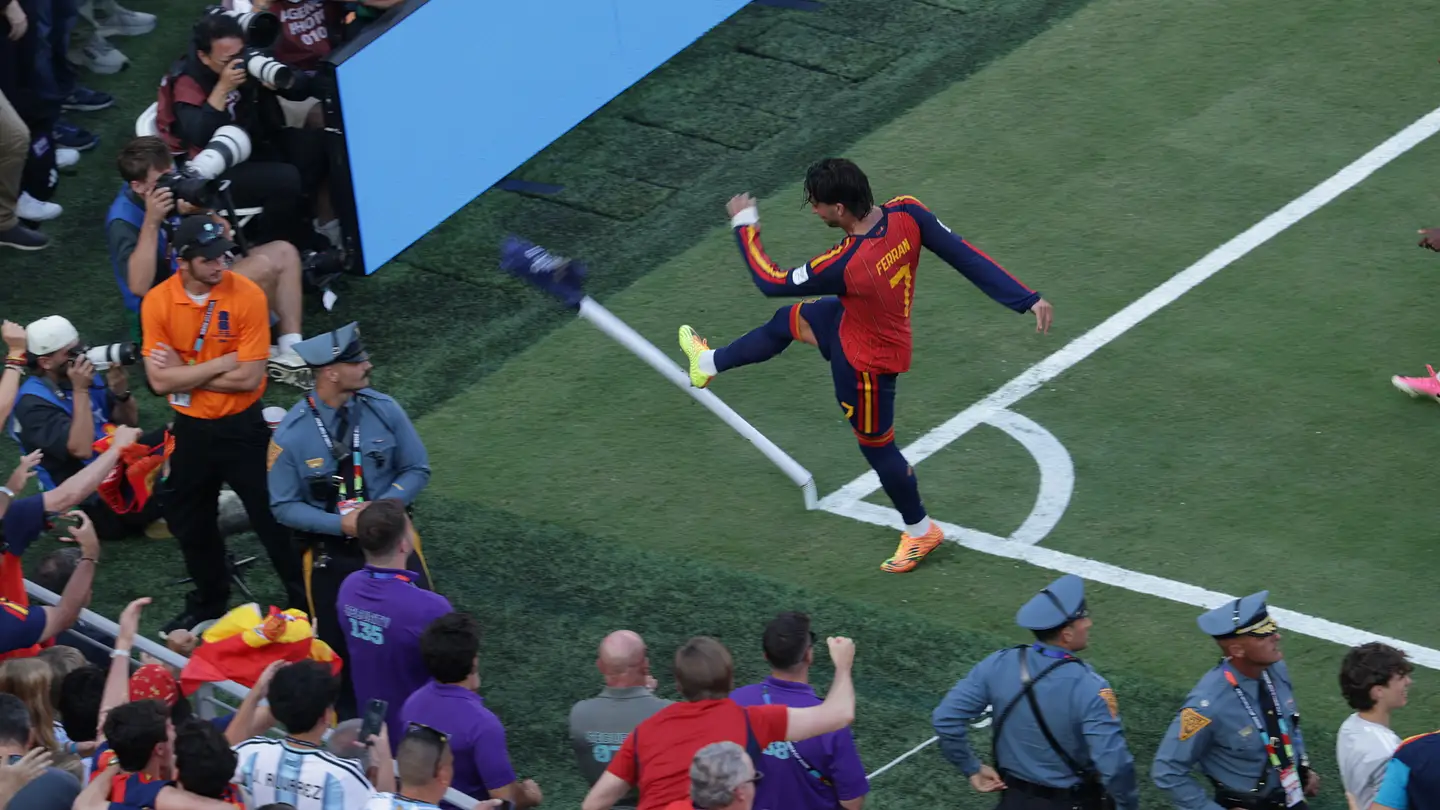
On Sunday, July 19, a technologically saturated sporting spectacle came down to an old-fashioned denouement: 37 seconds into the second period of extra time of the 2026 World Cup Final, Spanish substitute Ferran Torres side-footed a loose ball past seemingly impenetrable goalkeeper Emiliano Martinez, giving Spain a 1-0 win over Lionel Messi’s Argentina.
In the thrill of the game, you may be forgiven for overlooking how much of this tournament was run by tech. FIFA’s semi-automated offside system used dedicated tracking cameras mounted under stadium roofs to follow up to 29 points on every player’s body 50 times a second, fused with a sensor in the ball reporting its position 500 times a second; tickets were priced by algorithm; highlights were cut by AI; fans entered stadiums by biometric scan.
And yet, where it truly mattered, humans decided the game.
My team at Digital Planet at Tufts University’s Fletcher School and I spent this year mapping which American jobs AI could hollow out. Given the steady march of tech onto one of the planet’s most worshipped human endeavors, I watched the 2026 FIFA World Cup final through a particular lens to find the lines where man passes to machine and where the machine passes back. Let’s just call it the Messi Test.