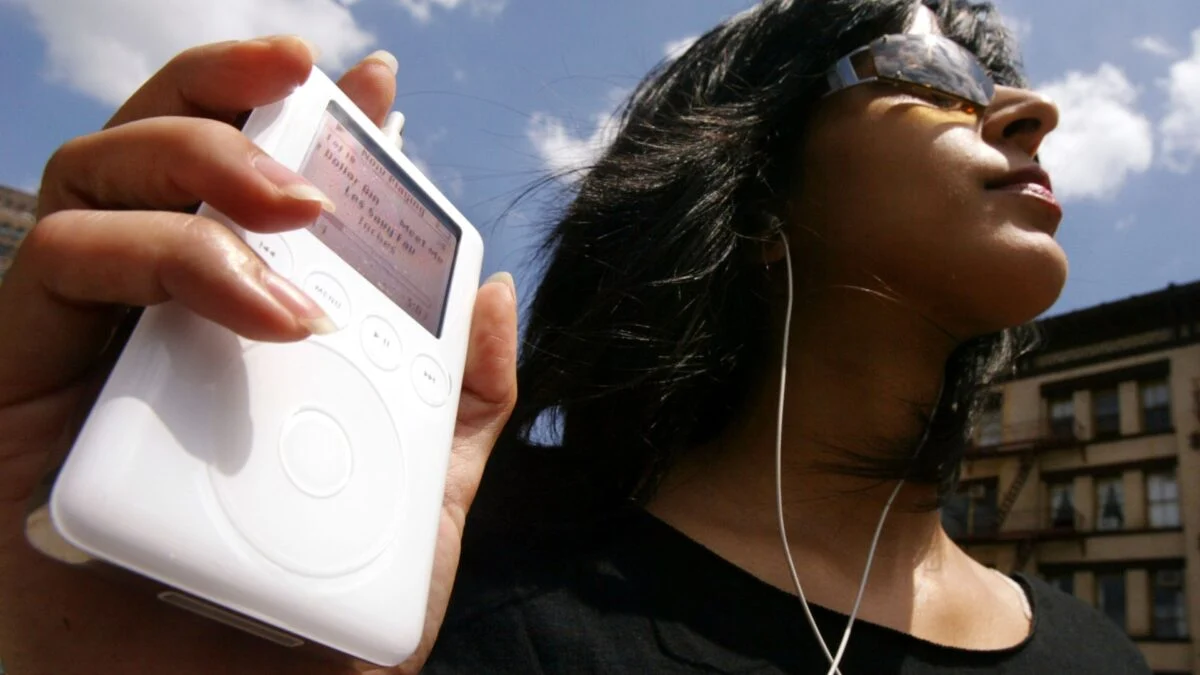
Matthew Rogers remembers Apple’s scrappy days when, as an engineer fresh out of college, he could debate ideas directly with Steve Jobs. Rogers was part of a team of only a few dozen who worked on the original iPhone—which they initially developed as a derivative of the iPod Nano, with a click wheel. But that mechanism wasn’t good enough for Jobs. He aimed for something close to perfection.
“I was 23, 24 years old, and I interacted with Steve Jobs. That’s crazy, right? But that’s the organization he ran,” Rogers told Fortune from his Silicon Valley office (he now runs food-recycling startup Mill).
Back then, Apple’s hierarchy was much flatter. What made Apple special, he said, is that Jobs surrounded himself with consumer-minded product leaders who were expected to argue. The mandate was to build “the best thing out there” and take real risks. Some of Apple’s most iconic products came out of a skunkworks team across the street from the main office.
That much-mythologized era continues to shape—and perhaps burden—Apple as it navigates its biggest leadership transition in 15 years. Somewhere along the way, Apple lost a part of its design and product magic, Rogers and several former design and hardware employees, investors, and analysts said. The September handoff from Tim Cook to incoming chief executive John Ternus, who currently leads hardware engineering, has Rogers and other longtime Apple watchers wondering: Can the company reclaim its product-first soul?