Serving tech enthusiasts for over 25 years.
TechSpot means tech analysis and advice you can trust.
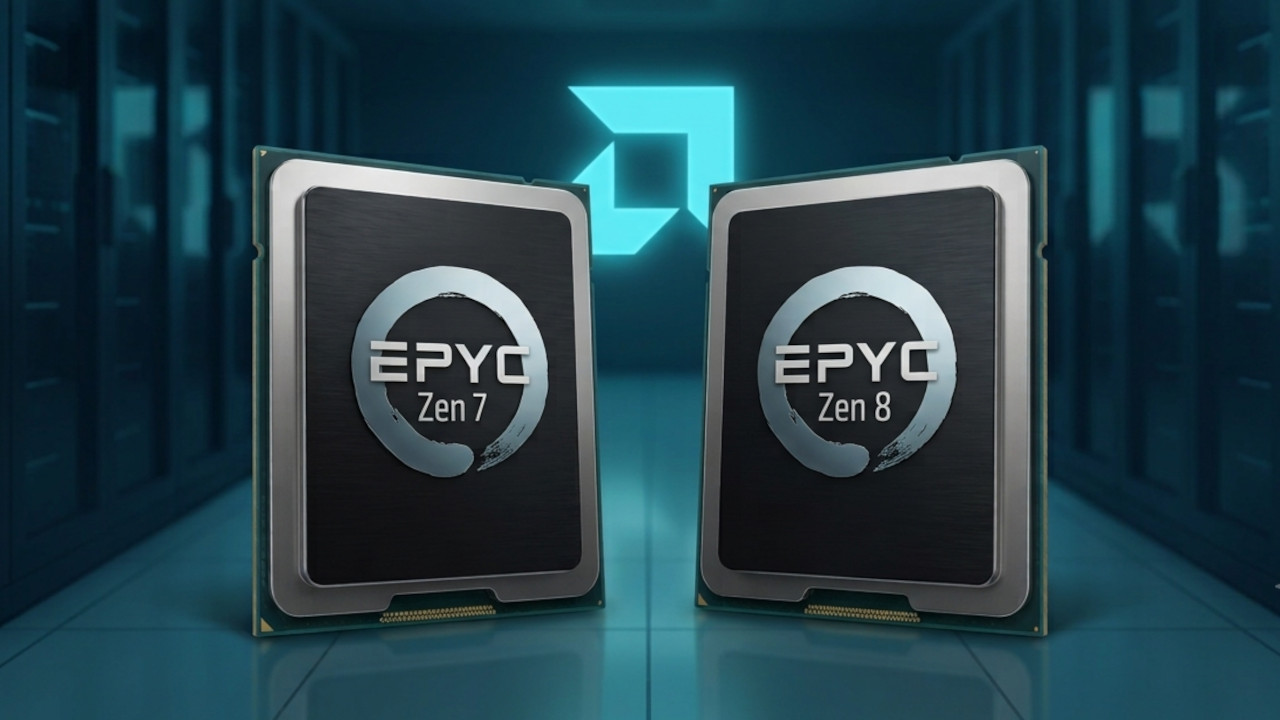
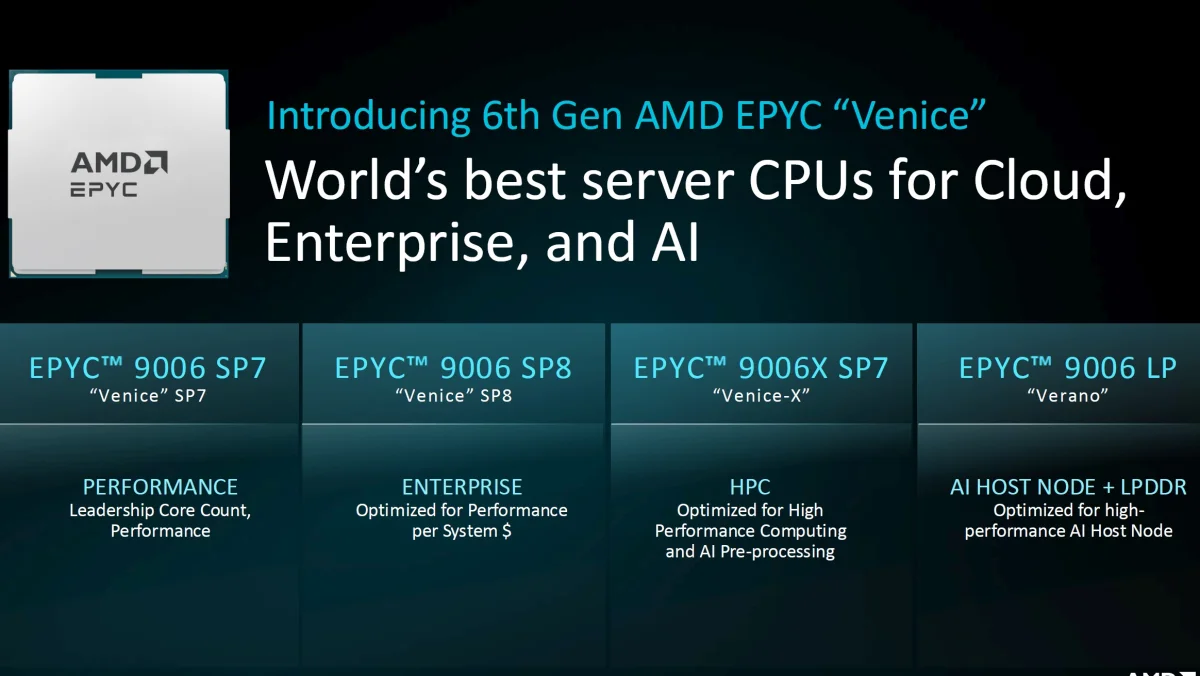
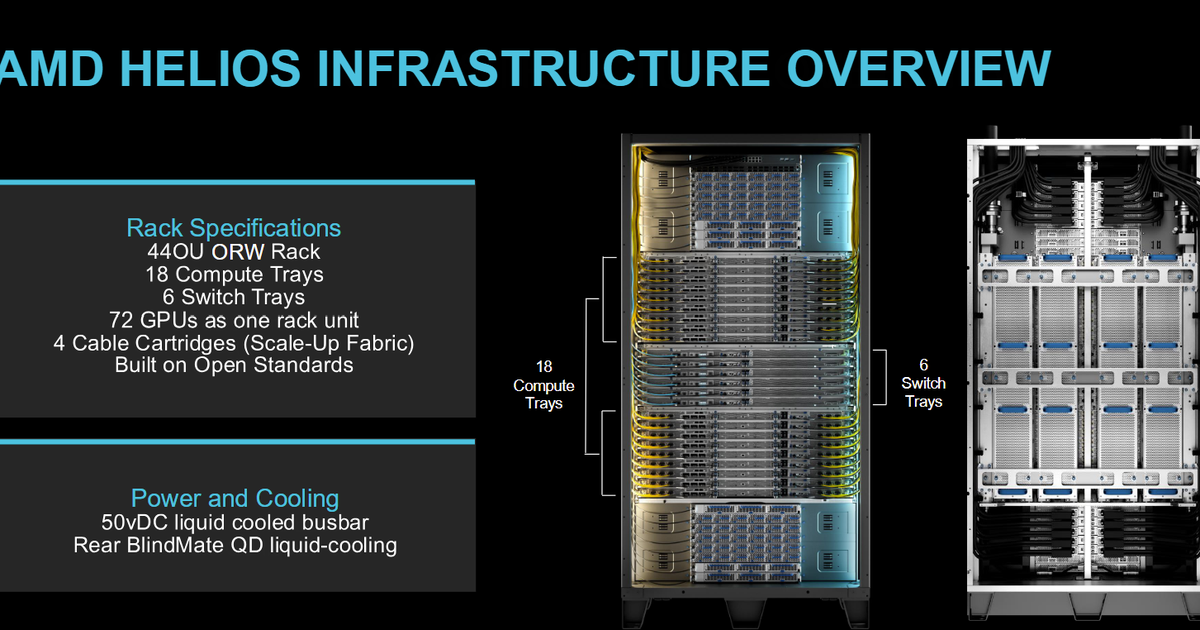
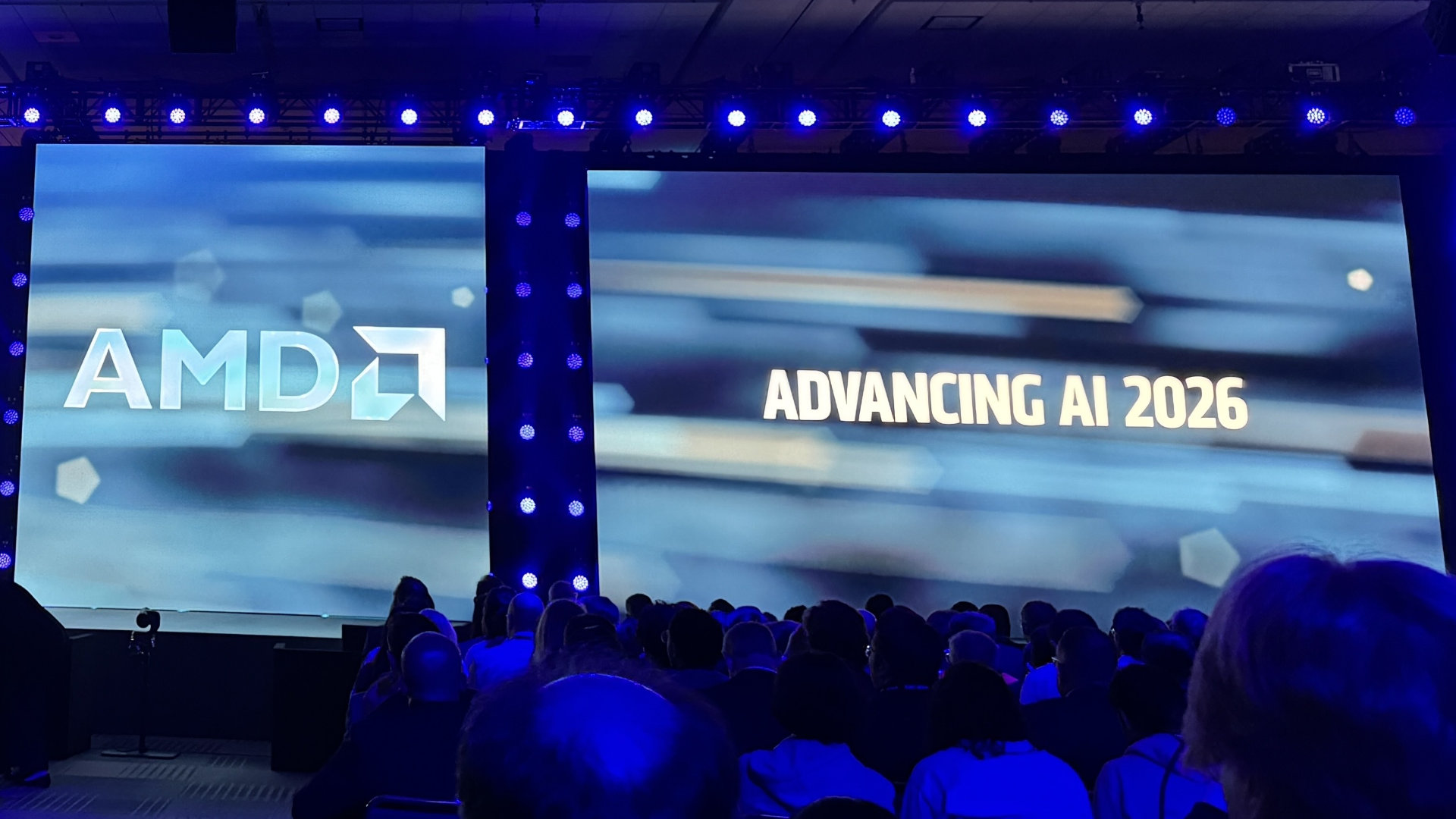
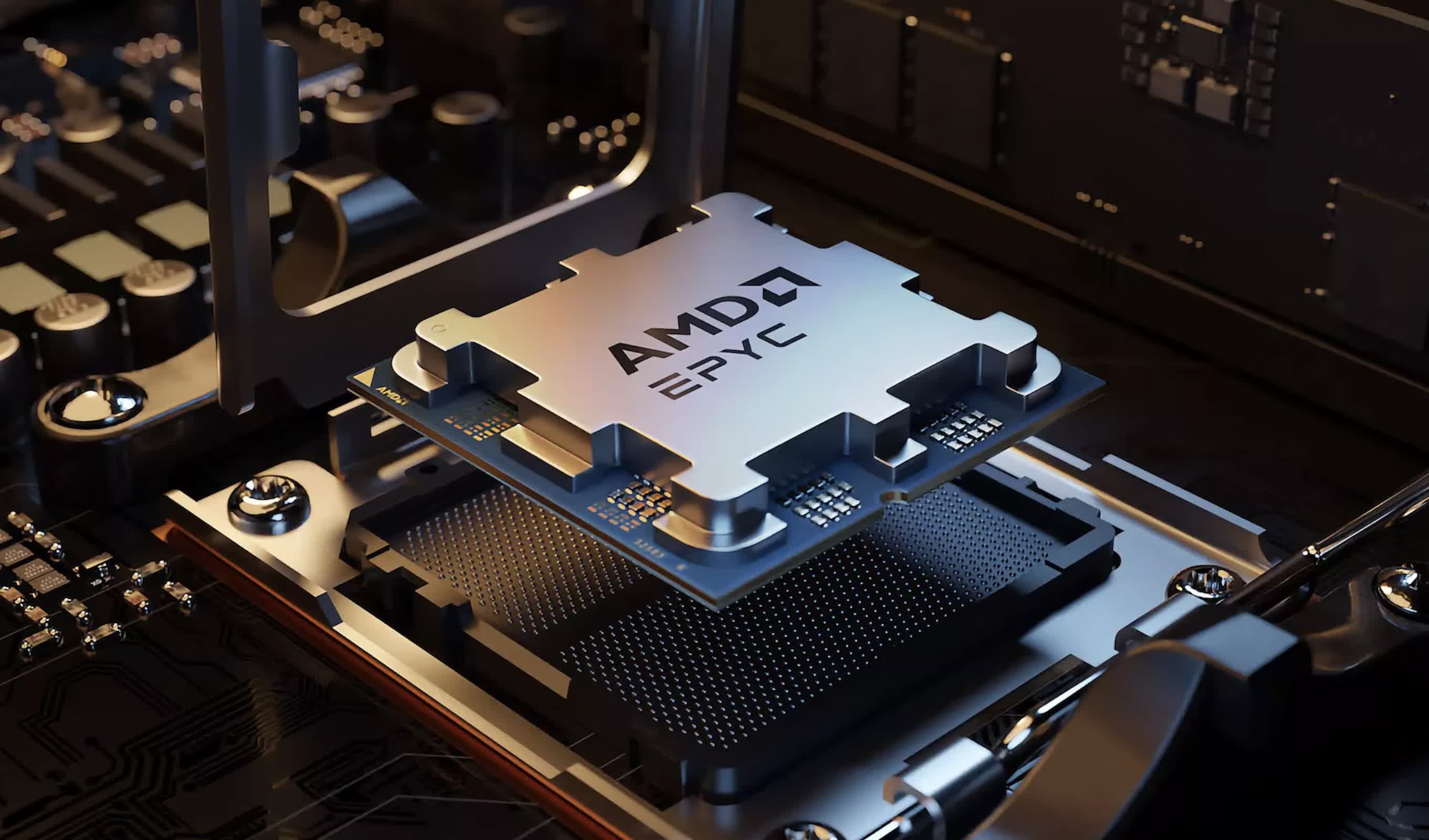
The big picture: AMD had a busy week, announcing the Ryzen 7 7700X3D CPU for gaming PCs and the Epyc Venice lineup for agentic AI workloads in data centers and high-end workstations. The company also launched the Helios rack-scale AI system at its Advancing AI 2026 event in San Francisco and previewed its next-generation Zen 7 and Zen 8 CPU architectures.
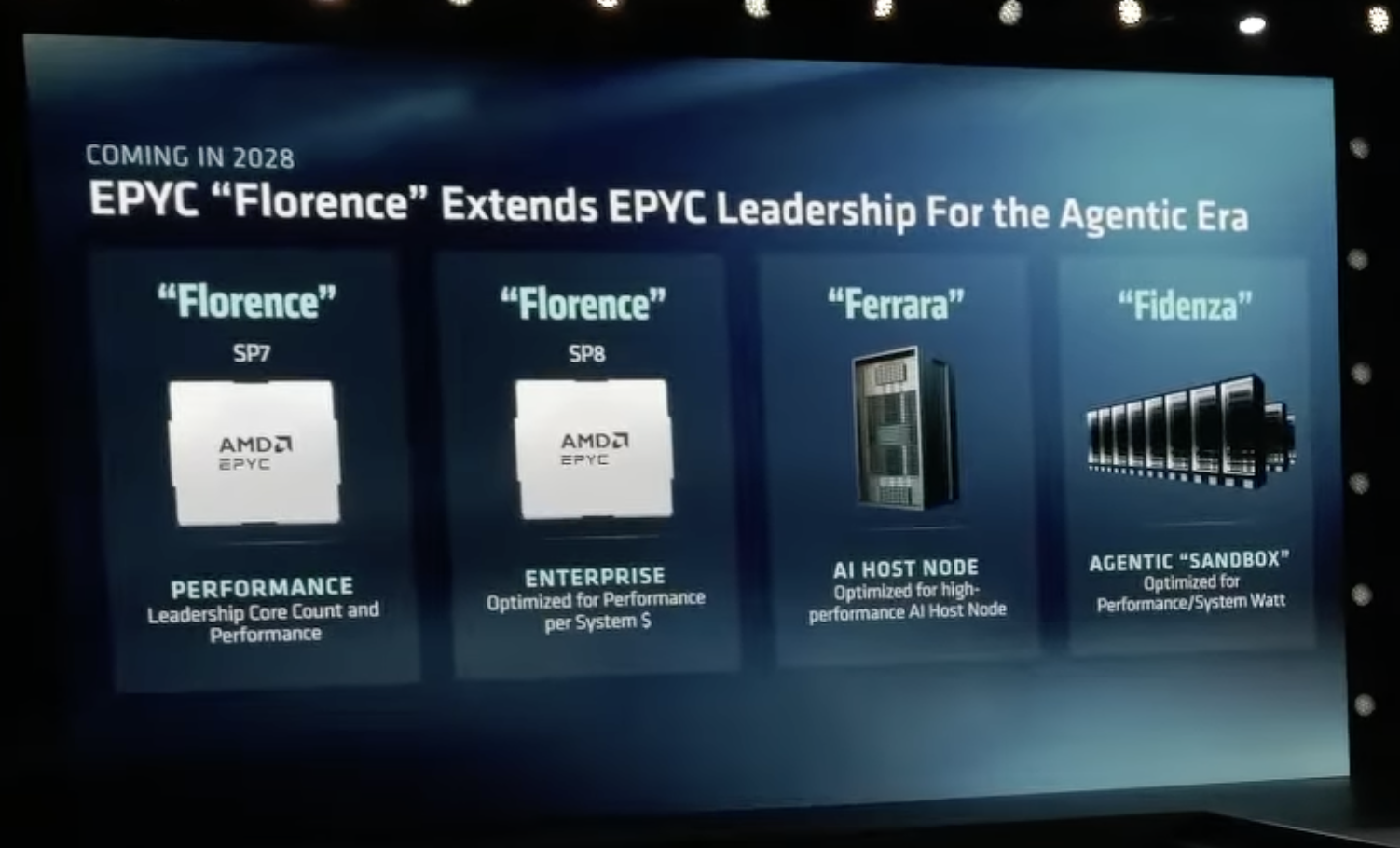
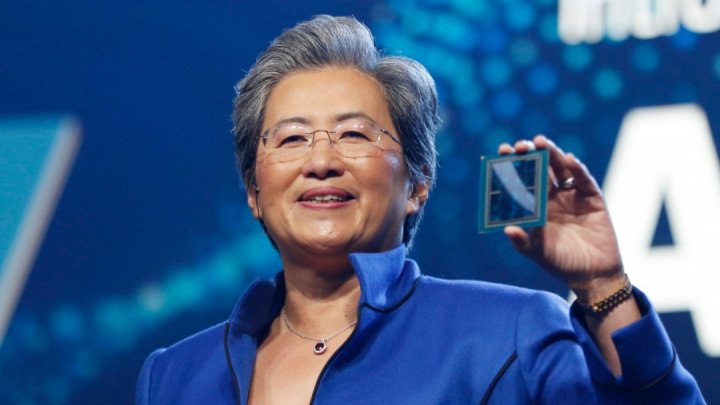
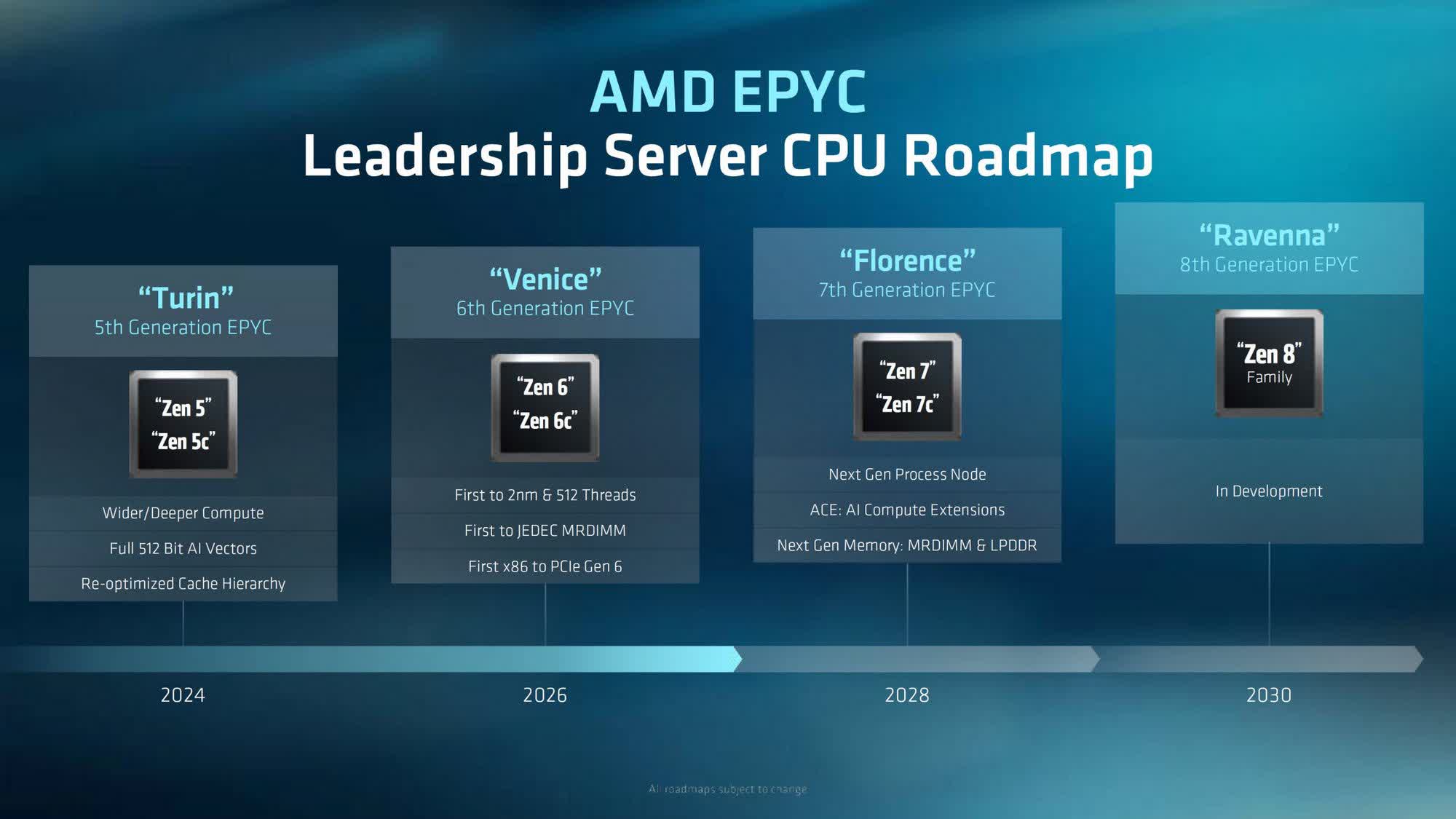
In her keynote speech, AMD CEO Lisa Su revealed that Zen 7 will debut in 2028 with the 7th-generation Epyc "Florence" processors for enterprise and AI data centers. The new core architecture will be divided into classic (Zen 7) and compute-optimized (Zen 7c) versions, with both expected to be manufactured on TSMC's cutting-edge A16 or A14 process node.
AMD did not reveal any architectural details about Zen 7, but confirmed that Epyc Florence will include both Zen 7 and Zen 7c cores. The Florence processors will also be the first processors in AMD's portfolio to support the next iterations of MRDIMM and LPDDR memory standards, as well as ACE AI Compute Extensions to accelerate matrix multiplication and AI workloads across the x86 ecosystem.