I saw the Node.js 26.5.0 release announcement the other day, and as someone who's spent years wrestling with I/O and data processing, a few things immediately jumped out at me. While it's a "Current" release, meaning it's not LTS yet, these incremental updates often signal the direction the platform is heading. For working developers, especially those of us building backend services or data pipelines, understanding these smaller changes can save a lot of headaches down the line.
Improved Web Streams API Support
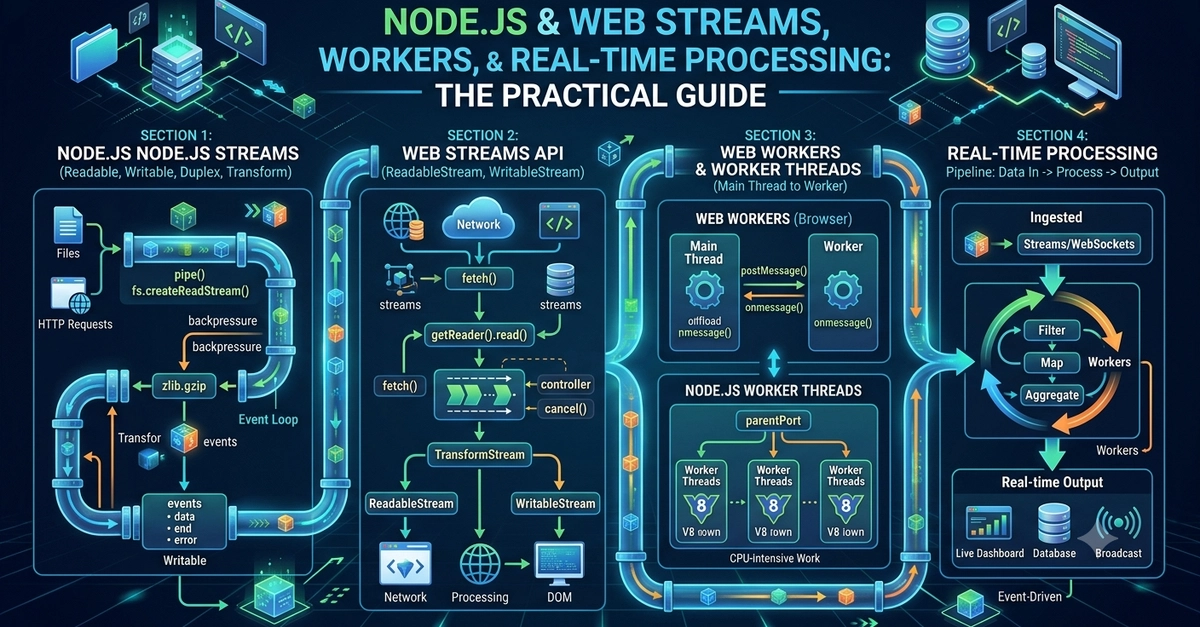
The most significant update for me in this release is the continued enhancement of the Web Streams API. Specifically, there's a fix for WritableStreamDefaultWriter's releaseLock() method and improved handling for ReadableStream and TransformStream when dealing with BYOB (Bring Your Own Buffer) readers.
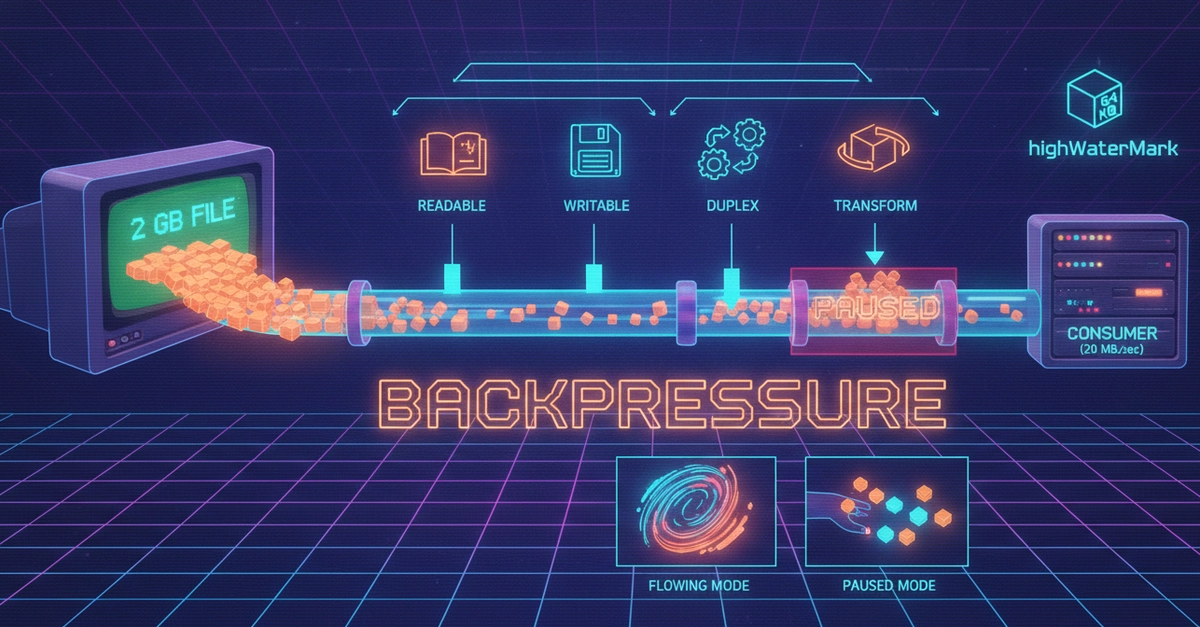
Why does this matter? For a long time, Node.js streams were... well, they were Node.js streams. They did the job, but often felt disconnected from the browser's Web Streams API, leading to a lot of impedance mismatch when trying to share code or patterns between front-end and back-end, or even when interacting with newer browser-focused APIs like fetch in a Node.js context.
The Web Streams API, with its ReadableStream, WritableStream, and TransformStream interfaces, offers a more standardized and often more ergonomic way to handle chunks of data. The BYOB reader support, in particular, is crucial for performance-sensitive scenarios where you want to minimize memory allocations by reusing buffers. Imagine parsing large files or processing network traffic; avoiding constant buffer re-allocations can make a real difference.