Audio By Vocalize
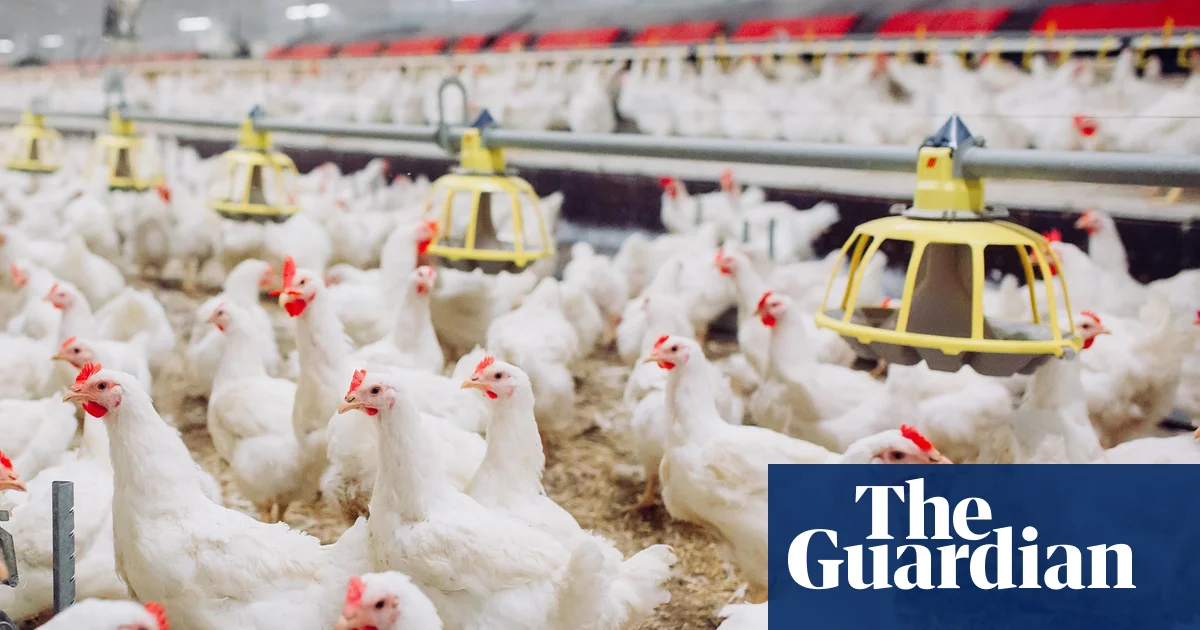
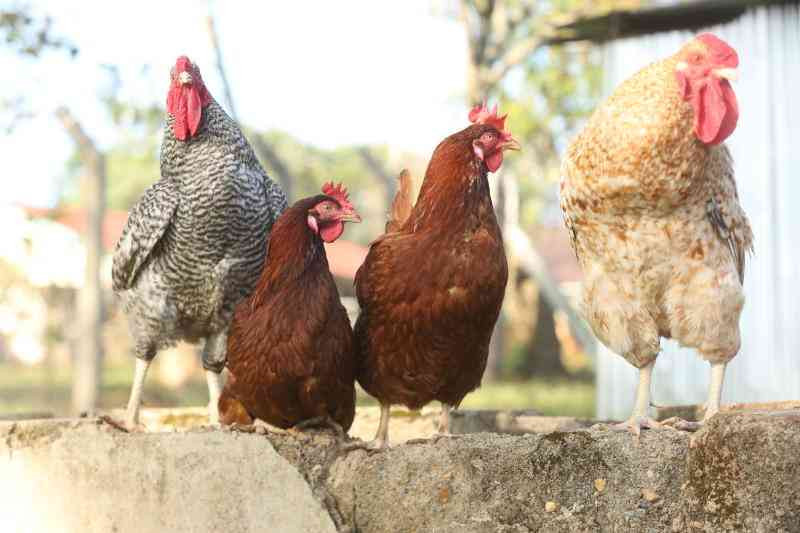
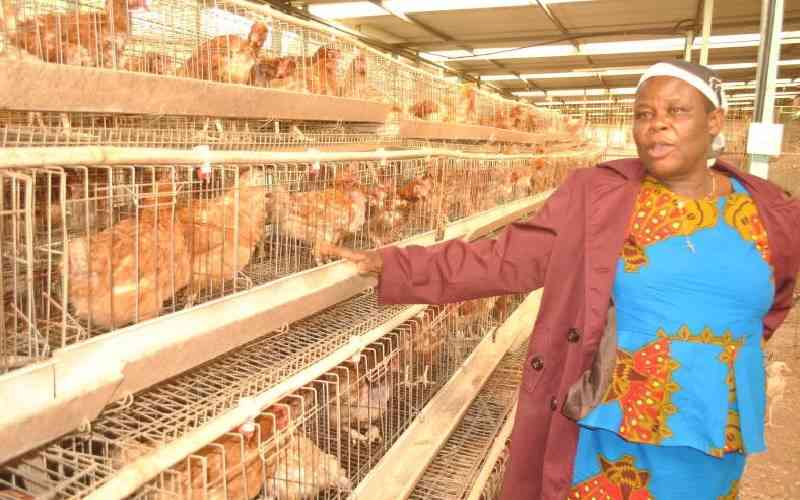
As more farmers in Kenya venture into commercial poultry farming, success in the industry is increasingly depending on good management practices rather than simply feeding and watering birds.
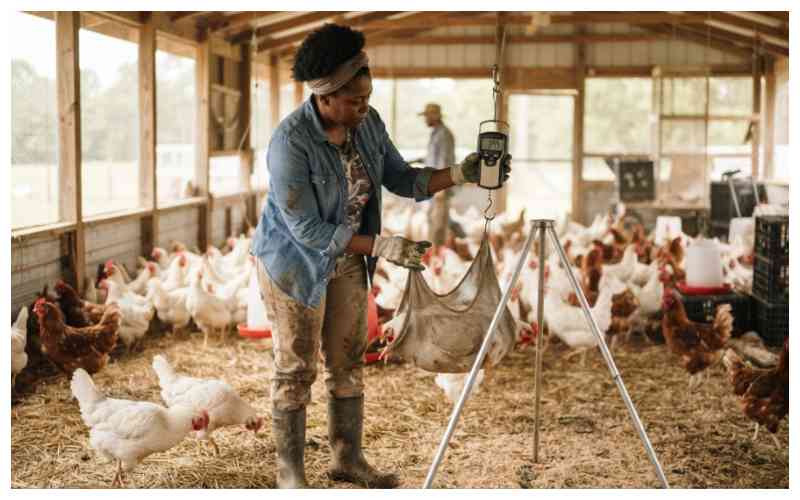
Rising feed costs, changing market demands and increasing competition mean that farmers must adopt smarter ways of managing their flocks. One simple but highly effective practice that is often overlooked is regular weighing of birds. Many farmers consider weighing birds to be a tedious, time-consuming and unnecessary exercise. However, regular monitoring of body weights is one of the most important management tools in poultry production because it helps farmers identify problems early and make timely decisions before losses occur.
Bird weight is a direct reflection of the flock’s health, nutrition and management. Birds that are growing according to the recommended standards are more likely to achieve good production targets, while underweight or overweight birds often indicate underlying problems that require immediate attention.
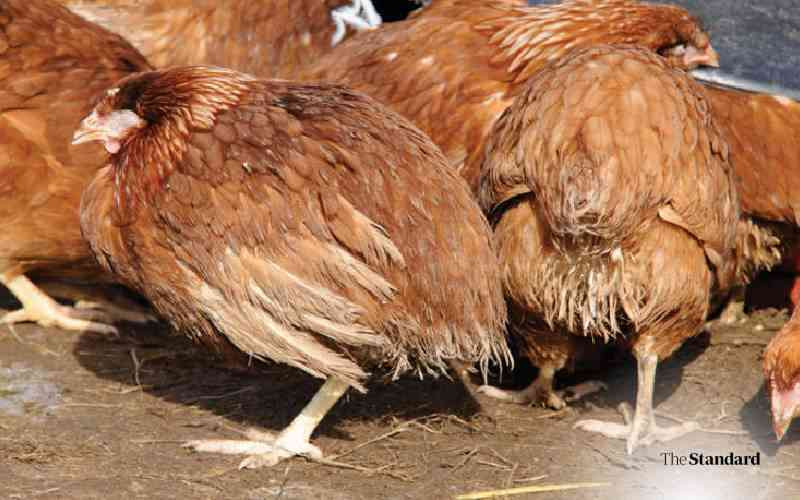
Regular weighing allows farmers to determine whether birds are receiving sufficient feed and nutrients. Poor weight gain may result from poor quality feed, inadequate feed intake, disease challenges, poor brooding conditions, overcrowding, poor water availability or environmental stress such as excessive heat or cold.