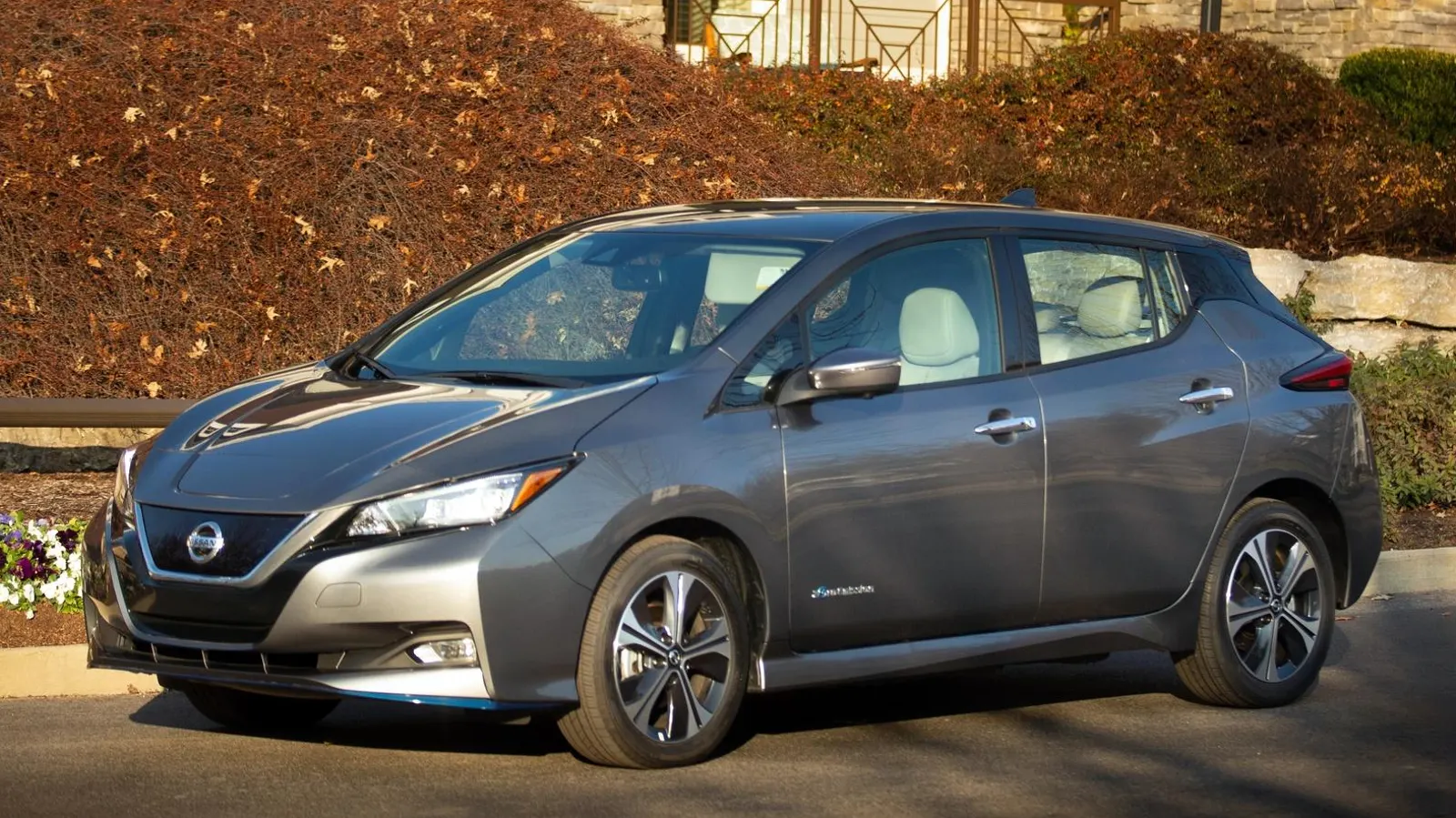
When Nissan introduced the Leaf in 2010, one of the first mass-market electric cars, it quickly developed a reputation for rapid battery degradation. And that bad reputation has followed EVs more broadly for more than a decade. To this day, battery repair and replacement costs remain a major concern for potential buyers. In a 2026 AAA survey, 56% of people who said they were unlikely to buy an EV cited the high cost of repairing or replacing the battery. This was the top reason given among the survey’s respondents. New data, however, suggests those fears may be increasingly outdated. Today’s average EV retains 97% of its original range after three years and 95% after five years, according to an analysis by EV data company Recurrent. For example, the average range for 2026 models is currently 325 miles. After five years, they would still have a range of 309 miles. Additionally, battery replacement appears to be rare among newer EVs. A separate Recurrent analysis found that the battery replacement rate for EVs with model years 2022 and later was only 0.3%.
An analysis from vehicle data company Geotab also found that EV battery health generally remains strong. After examining more than 22,700 vehicles, the company found that their average annual degradation rate was just 2.3%. Viet Nguyen-Tien, an EV researcher at the London School of Economics, recently told The Wall Street Journal that improvements in battery chemistry, thermal regulation, and battery-management systems have made today’s batteries more durable than those used in early-generation EVs.