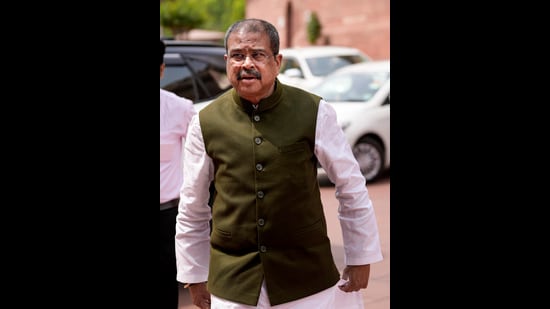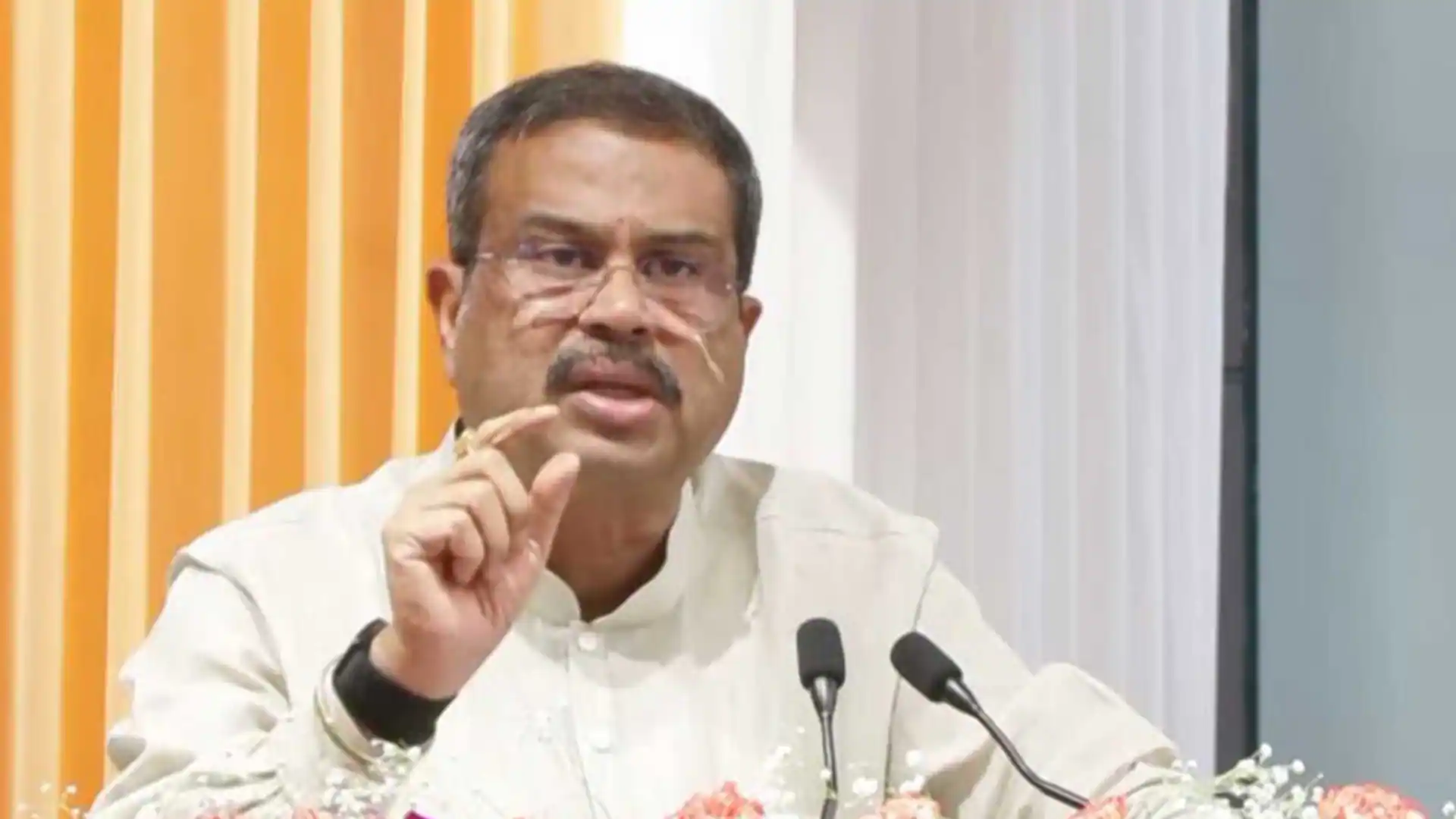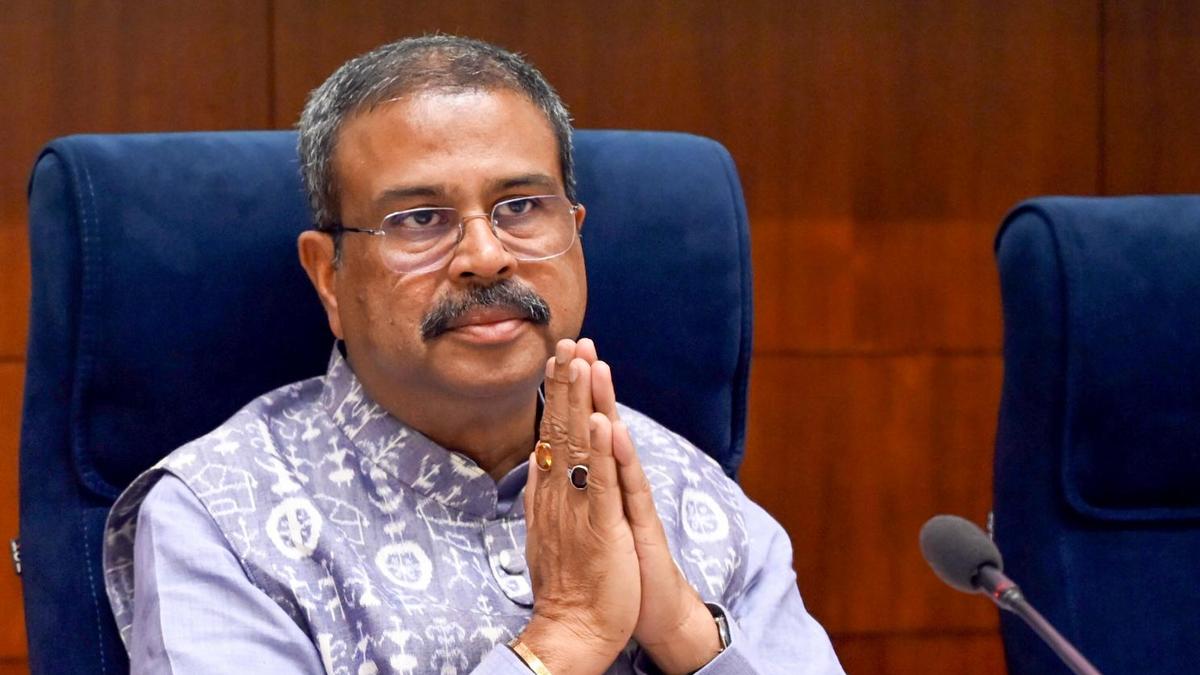
Dharmendra Pradhan.
| Photo Credit: ANI
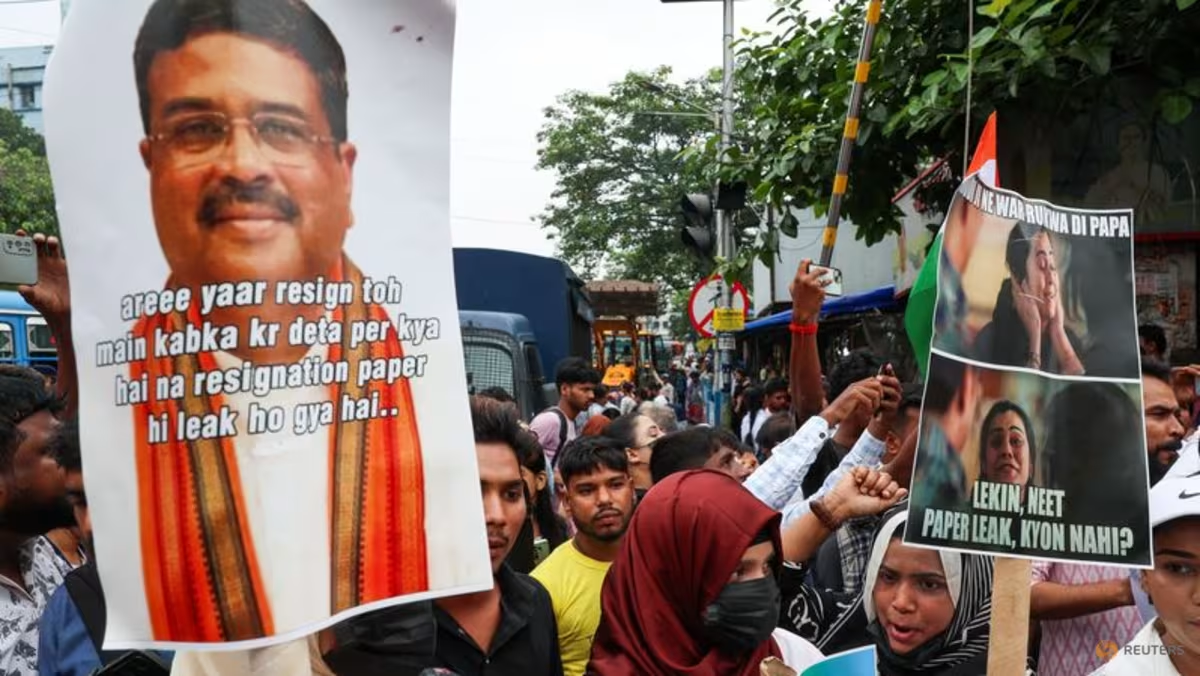
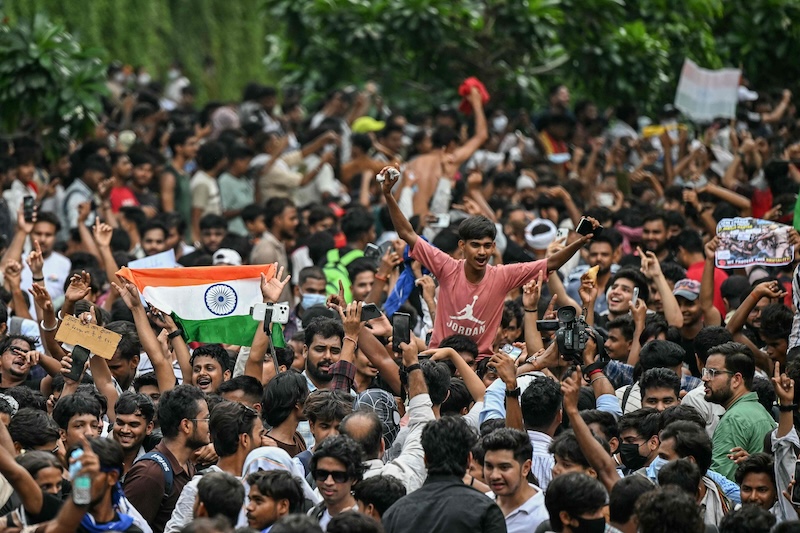
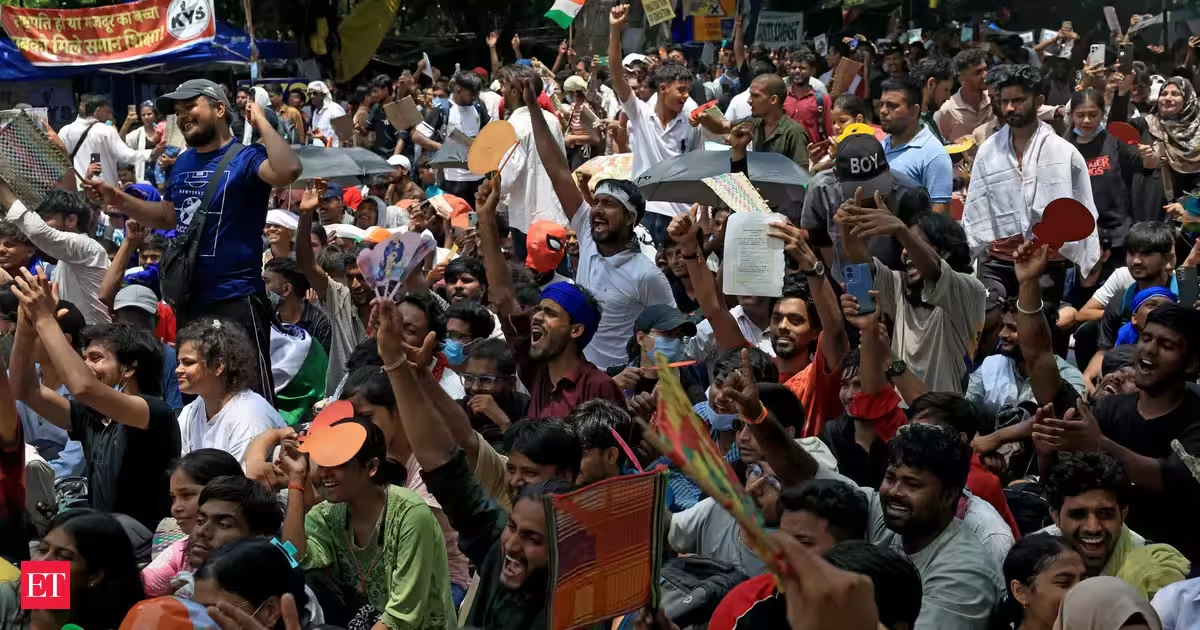
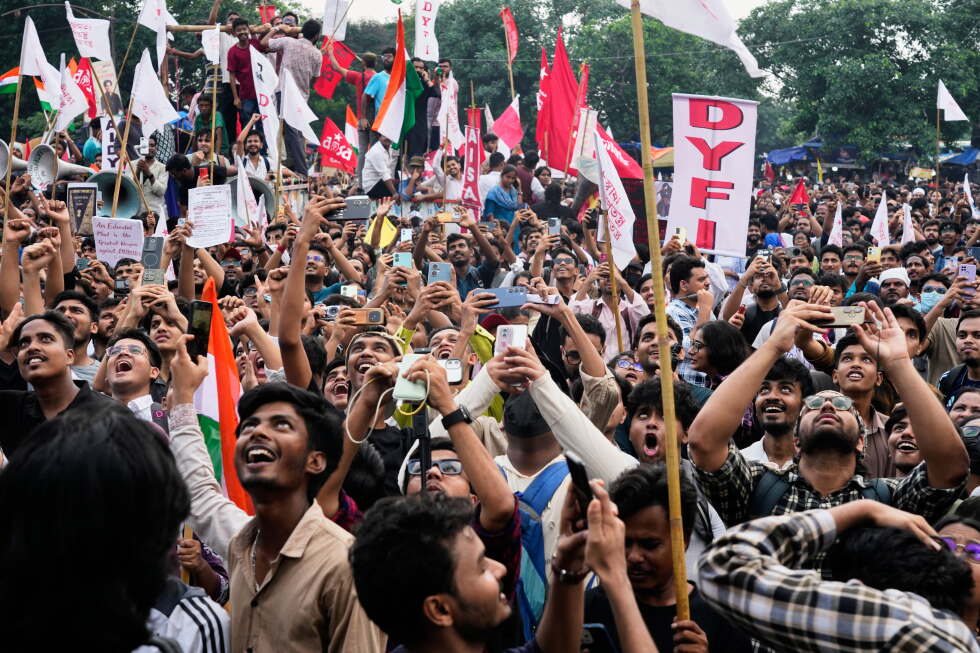
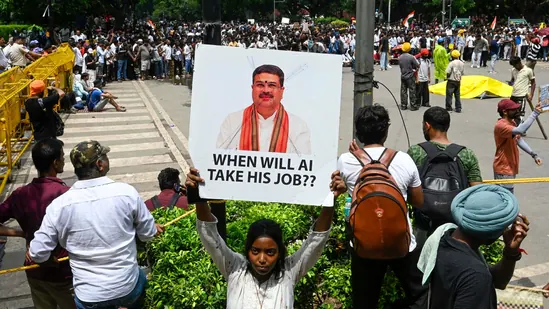
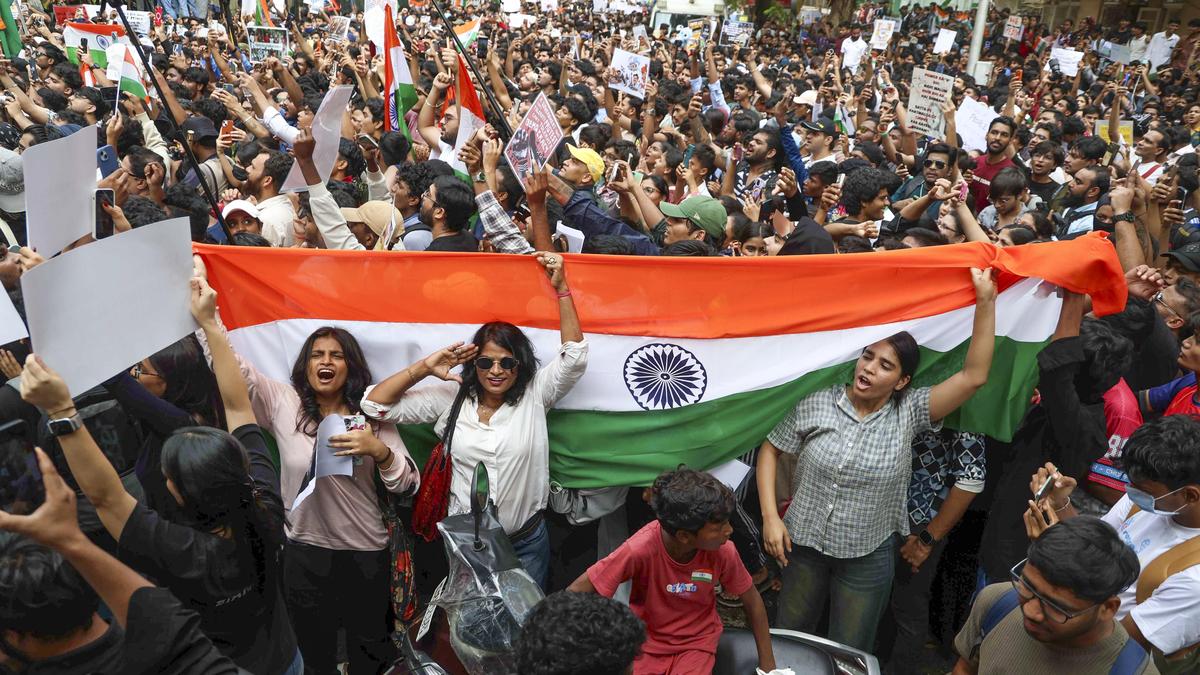
Dharmendra Pradhan’s resignation as Union Education Minister marks an unusual interlude in a political career that had enjoyed a steady rise. A controversy of such magnitude engulfed him that it became a contest between his staying in office and addressing the anxieties of an entire generation, with GenZ protests ultimately emerging victorious.Nothing in Mr. Pradhan’s career had foreshadowed such a denouncement. Born in Talcher, Odisha, in 1969, he comes from a family long associated with the Rashtriya Swayamsewak Sangh (RSS), the ideological parent organisation of the BJP. His late father, Debendra Pradhan, was an RSS functionary, who joined the BJP in 1980. Mr. Pradhan’s father was elected to the Lok Sabha from Deogarh and served as Union Minister for Surface Transport in the Vajpayee government from 1998 to 2001.Mr. Pradhan started his political journey with the Akhil Bharatiya Vidyarthi Parishad (ABVP), the student wing of the RSS, and later became a member of the Bharatiya Janata Yuva Morcha (BJYM), the youth wing of the BJP. He earned a degree in Anthropology from Utkal University in Bhubaneswar.In an ironic twist, footage of an ABVP protest march Mr. Pradhan led to the Odisha Assembly in 1997 against an alleged exam paper leak — and in which he was beaten by the police — has resurfaced amid the anti-NEET protests. The three-decade gap between the two events encapsulates not only Mr. Pradhan’s political journey but also the enduring problem of exam leaks and youth unrest.He won his first Assembly election in 2000 from Pallahara, Odisha. His first Lok Sabha victory was in 2004 from Deogarh (when he also became national president of the BJYM). He then became the national secretary and national general secretary of the BJP and got elected to the Lok Sabha again in 2024. He has also served two terms as a member of the Rajya Sabha.When Prime Minister Narendra Modi assumed office in 2014, Mr. Pradhan was made Minister for Petroleum and Natural Gas, a position he would hold for seven years, becoming the country’s longest-serving Petroleum Minister.He was the Minister when the Ujjwala Yojana of free cooking gas connections for the poor was launched. In 2021, he became the Education Minister, a portfolio that was ideologically most important to the Sangh Parivar.Start of troublesIt is easy to assume that Mr. Pradhan’s troubles began with the leak of the NEET exam paper in 2024, just as the third Modi government took office. The repeat leak in 2026 may appear to have been the final straw. In reality, however, much like Mr. Pradhan’s own steady rise in the BJP, his political woes accumulated gradually, gathering momentum with each passing controversy.It started with the National Council of Educational Research and Training (NCERT), whose teacher training manual described sex as “biological” and gender as “a social construct” — Sangh Parivar sympathisers denounced this formulation as pushing a “woke agenda”. This was followed by the University Grants Commission’s (UGC) ‘equity regulations’, which defined caste-based discrimination as discrimination “only on the basis of caste or tribe” against members of the Scheduled Castes (SCs), Scheduled Tribes (STs), and Other Backward Classes (OBCs), while prescribing no penalties for false complaints against those from the General Category.Then came the NEET paper leak, complaints by students about the Central Board of Secondary Education’s (CBSE) marking process, alleged security vulnerabilities and answer-sheet mix-ups.The right wing felt Mr. Pradhan, distracted by state politics, had been asleep at the wheel — negligent when he should have been vigilant. With the youth enraged, the right wing apathetic, and the newly minted Cockroach Janta Party (CJP) deploying a new grammar of protest, a storm was beginning to form.The steady ascent of Mr. Pradhan’s political career was halted by a generation-defining protest. For someone who hadn’t stumbled once on his way to the top, it was an unexpected slip. Published - July 25, 2026 04:47 pm IST