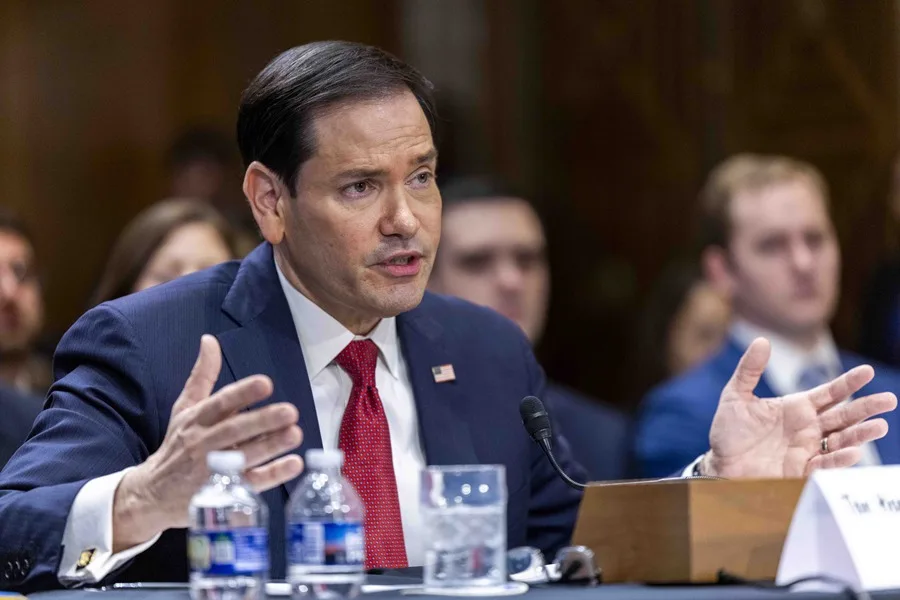
In a new move amid visa crackdown under Trump 2.0 government, the US has implemented a new global visa restriction policy, which is targeting people participating in cyberscams, sextortion, and various other cyber-enabled offenses. The policy now encompasses the immediate family members of those engaged in such activities.US visa restrictions expand to immediate families of cybercriminals. (Representational/Unsplash)On July 23, US Secretary of State Marco Rubio announced this policy, calling it a part of a broader initiative to dismantle transnational criminal networks that exploit American citizens online. In his statement, he said, “the US will go after those who prey on our citizens”, emphasizing that the administration would employ all available legal and diplomatic measures to disrupt international scam networks.Why was US global visa ban policy launched?The State Department announced that this action is in response to President Trump's Executive Order 14390, which aims to address cybercrime, fraud, and predatory schemes that affect American citizens.Rubio stated that online investment scams, frequently attributed to Chinese transnational criminal organizations, defrauded American citizens of no less than $10 billion in 2024.Also Read: Green card alert: US to impose a bond on visa applicants? All we know amid Trump's immigration crackdownIn addition to the financial repercussions, he associated these activities with money laundering, corruption, and human trafficking. The administration further emphasized an increasing occurrence of sextortion cases aimed at American children, noting that perpetrators based overseas have inflicted significant damage on victims and their families.US global visa ban: Here's what we the new policy coversRestrictions are being enforced in accordance with Section 212(a)(3)(C) of the US Immigration and Nationality Act, which grants the government the authority to refuse visas if people's entry may result in negative foreign policy implications.According to the new policy, foreign nationals who are involved in or complicit with cyberscams, online investment fraud, sextortion, and other cyber-enabled criminal activities will be deemed ineligible for US visas. Additionally, immediate family members of those participating in such activities may also encounter restrictions.However, this policy does not specify particular countries or people as targets. It is simply characterized as having a global reach.Visa restrictions are described as only a single facet of a comprehensive campaign. The administration announced that it will also apply economic sanctions, pursue criminal prosecutions, conduct asset seizures, request extraditions, and collaborate with international law enforcement to dismantle cybercrime networks and impose consequences on those who assist them.Another visa restriction policyThe announcement regarding cybercrime comes on the heels of a distinct visa restriction policy that was implemented on July 16. This policy specifically targets people identified by the State Department as belonging to "far-left terrorist and other aligned groups."The policy, which was revealed under National Security Presidential Memorandum-7, aims at foreign nationals who are alleged to support or incite terrorism, engage in violent criminal activities, provide funding or recruitment for violent organizations, and assist in the collaboration of extremist networks.
US announces global visa restrictions: Offenders and family members are on target, ‘will go after those who…’
The US has announced a new visa policy to target those involved in cybercrime networks and their families.
478 words~2 min read