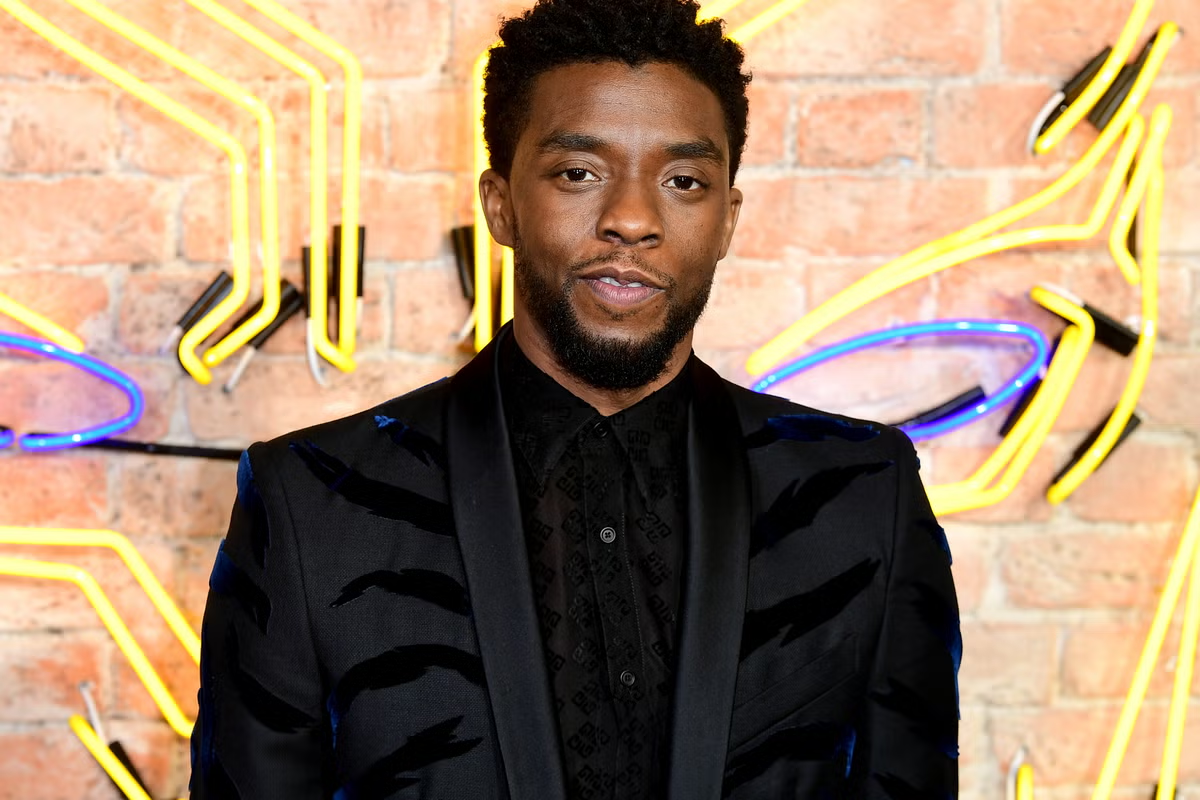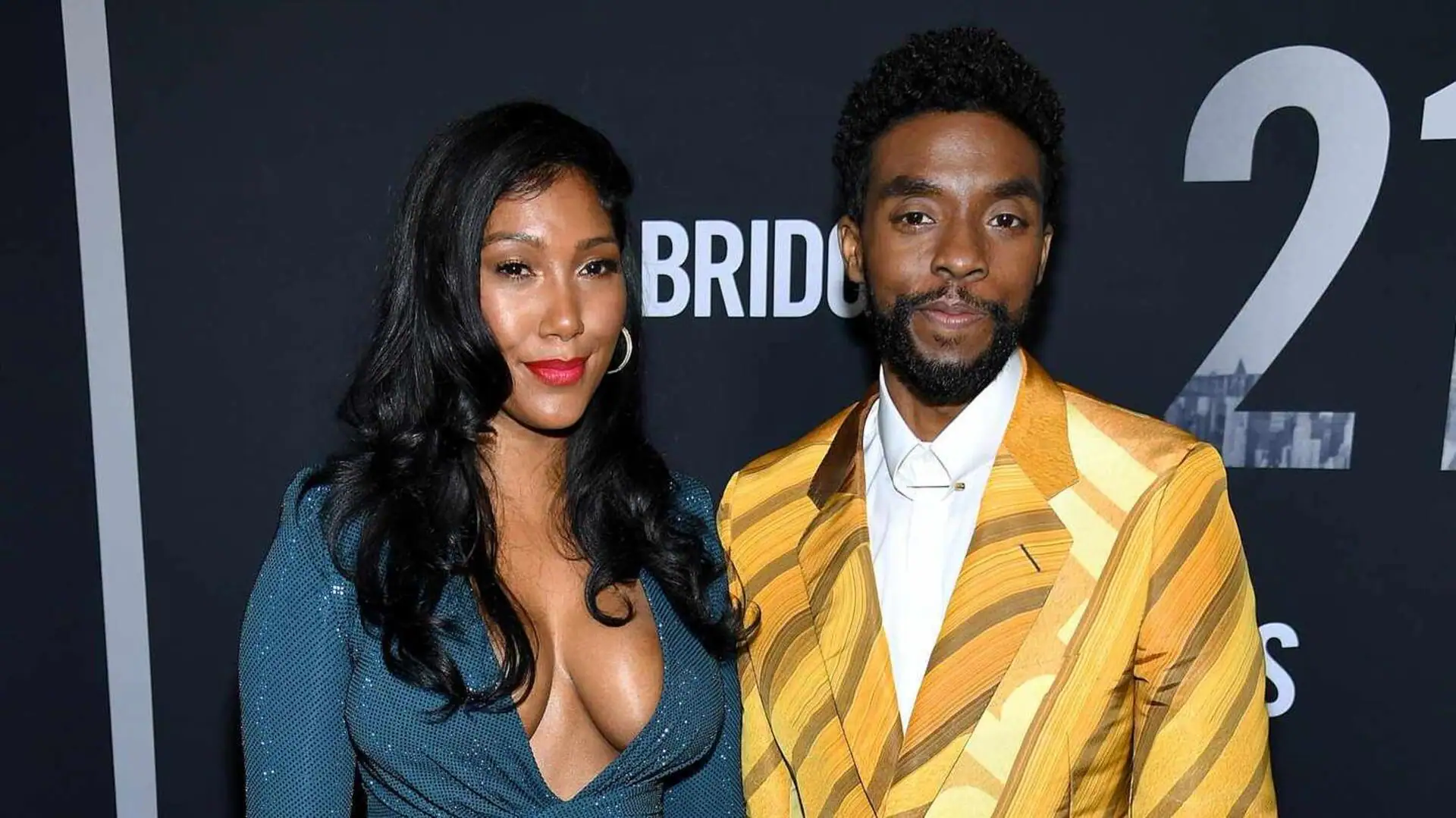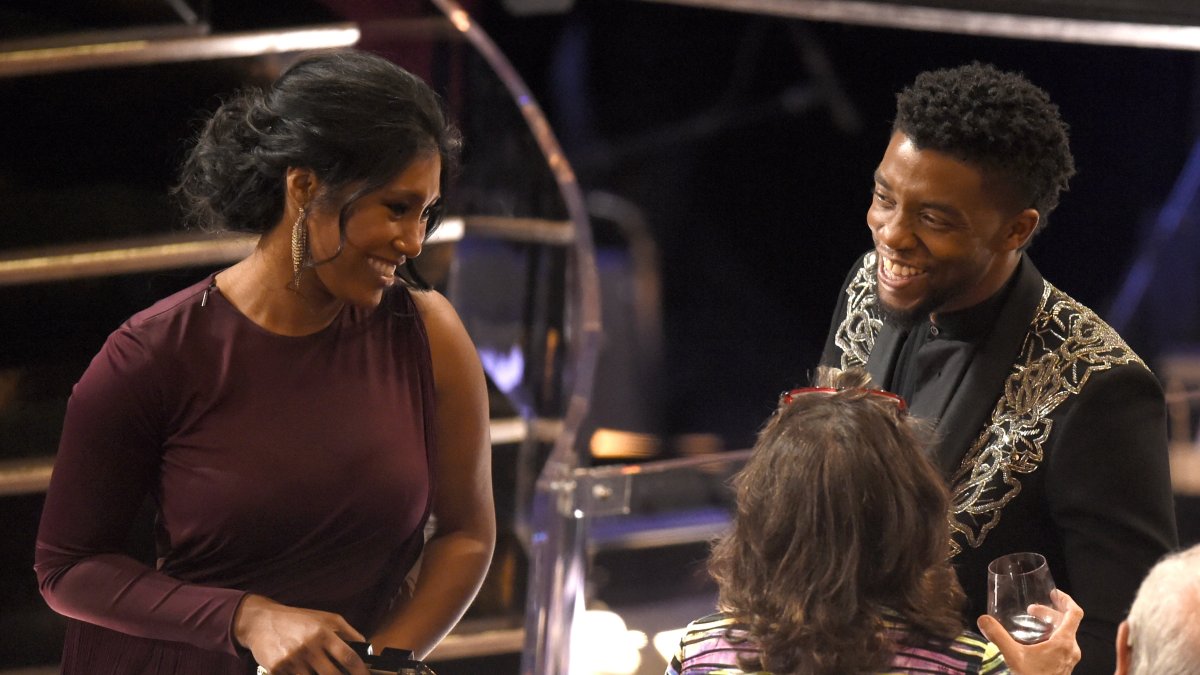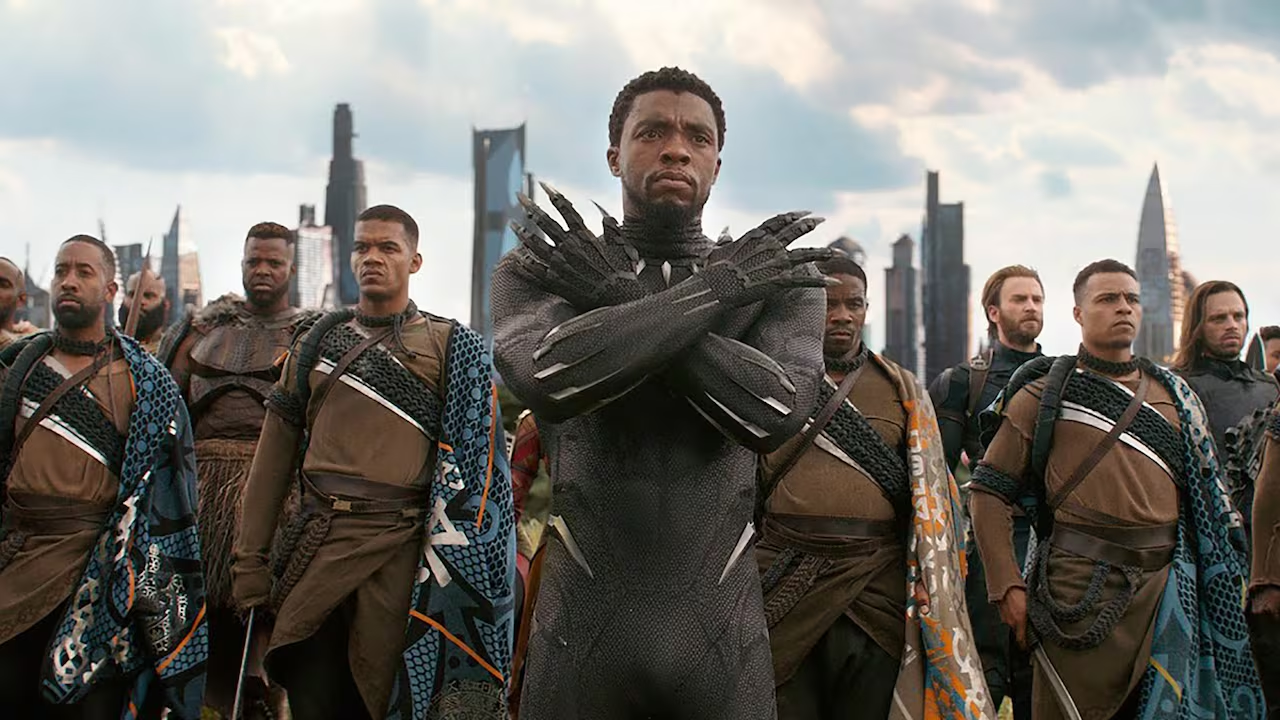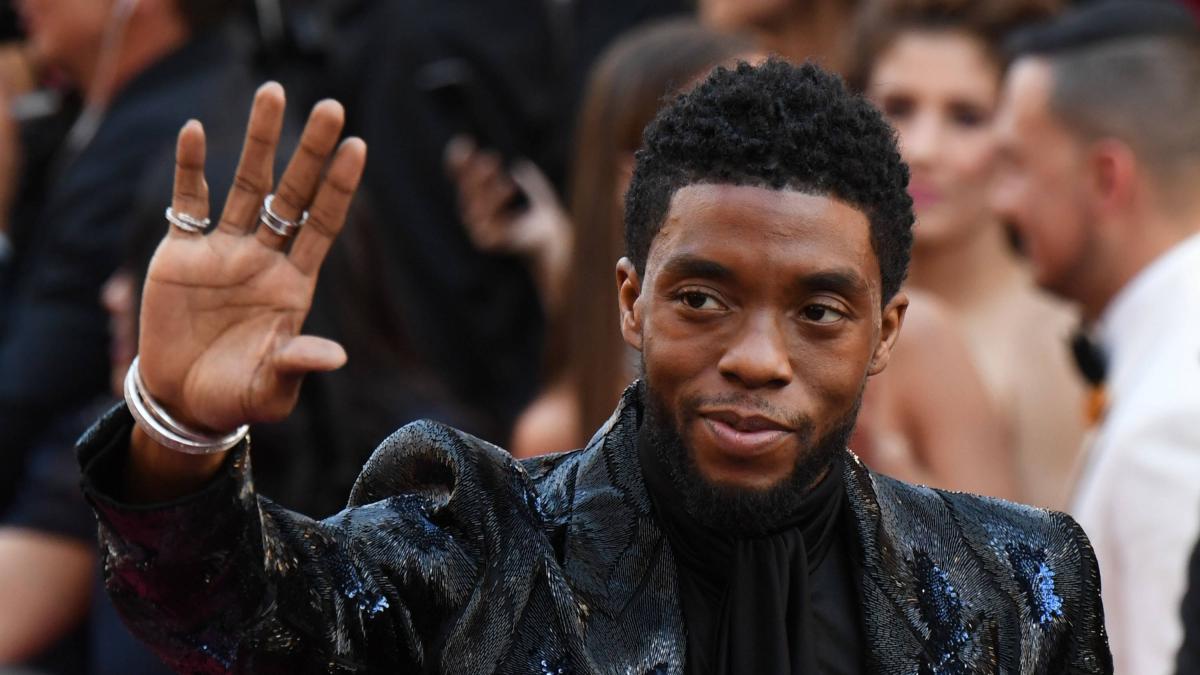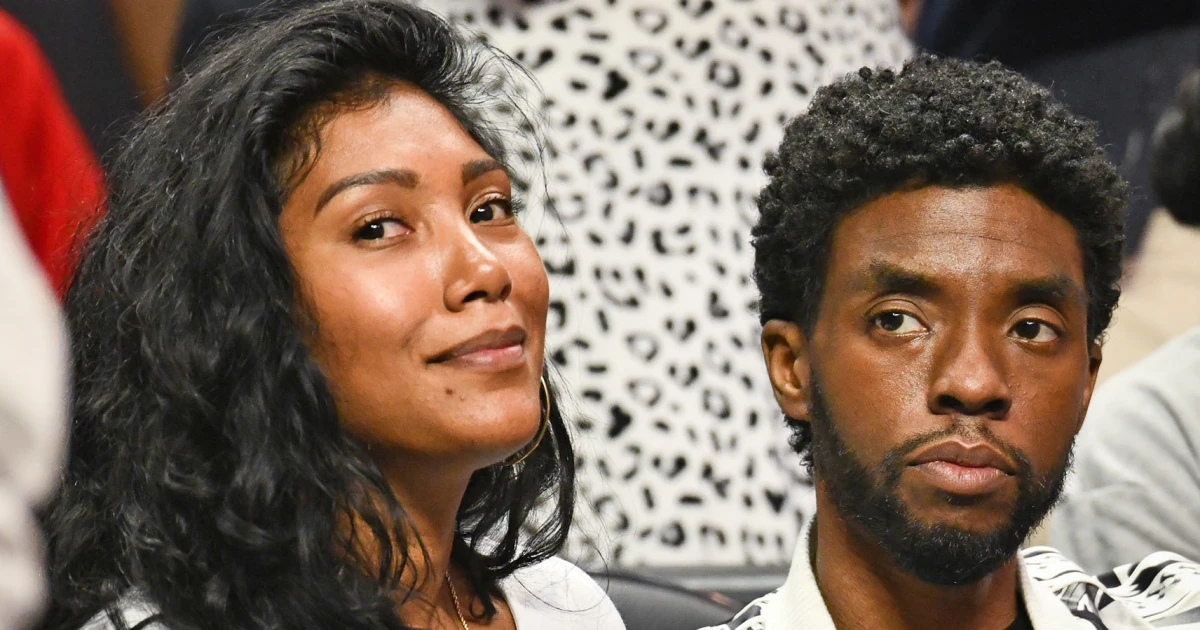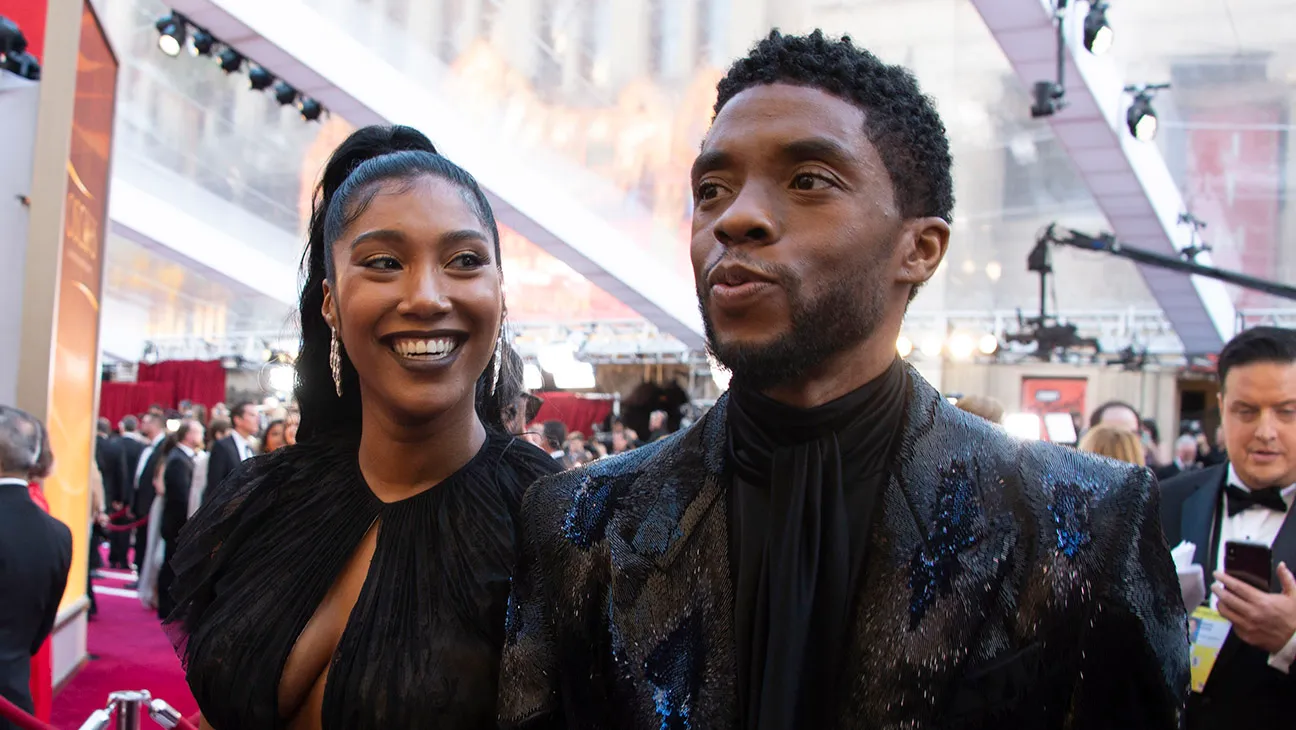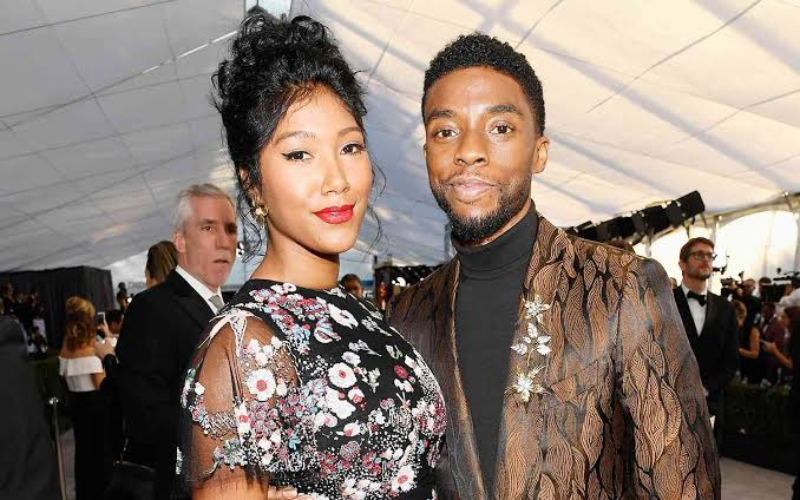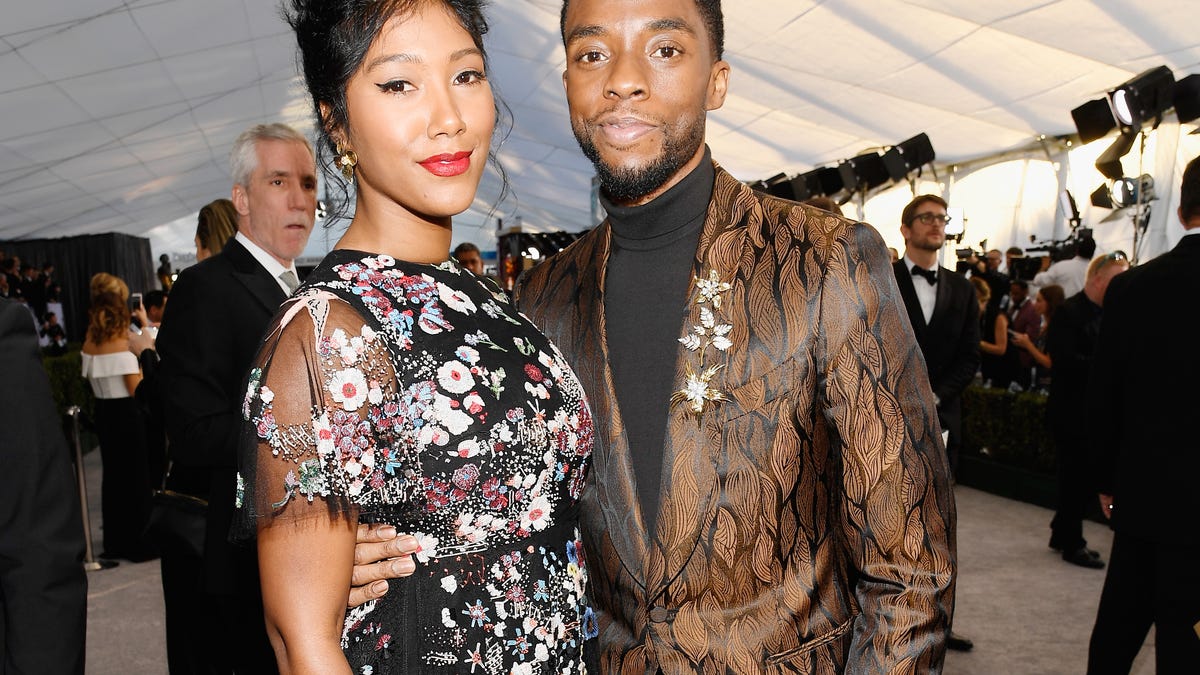
How Chadwick Boseman quietly battled colon cancer, wife Simone Ledward Boseman shares.Almost six years have passed since Chadwick Boseman’s death. And yet his story, especially the quiet way he faced his illness, still strikes a deep chord everywhere. The world watched him triumph as King T’Challa in ‘Black Panther’, but almost no one knew he was fighting for his life off-screen.On a recent episode of The Oprah Podcast, Oprah Winfrey talked with cancer physician Dr. Siddhartha Mukherjee, actress Olivia Munn, and Boseman’s widow, Simone Ledward Boseman. Their conversation tackled the changing face of cancer, its worrying rise among younger people, and what Boseman’s life can teach us about dignity and courage.Boseman’s death in August 2020 felt unlike any other Hollywood loss. He was just 43. The shock wasn’t only in his age or his sudden absence; it was the revelation that he had spent years battling Stage III, and eventually Stage IV, colon cancer, all while filming some of the world’s biggest movies.‘Black Panther’, ‘Avengers: Endgame’, ‘Ma Rainey’s Black Bottom’ — you name it. He poured himself into each role in the midst of exhaustion, surgery, and chemotherapy. On set, he trained, fought, and delivered award-worthy performances, all with barely a hint of complaint. His dedication turned into a kind of living legend; he somehow balanced the pressures of stardom with the raw reality of cancer, helping turn the public’s gaze toward a disease that’s quietly affecting more and more young adults.The public ‘superhero’, with a private health battleIf you ask his family how Boseman handled it all, the answer is simple: he kept almost everything to himself. When doctors told him he had colon cancer in 2016, his career was just soaring. Instead of stepping back, he kept showing up, committed to his work and to those who relied on him. Almost nobody outside his tight family circle grasped the severity of what he faced.Simone Ledward Boseman has spoken about his fierce determination to protect his privacy. He didn’t want sympathy. He didn’t want anyone, including the audiences, coworkers, or even friends, to see him as “the sick actor.” He wanted to be seen for his talent, his work, and the stories he told.That choice shaped his final years. During treatments and surgeries, he filmed a string of hits: ‘Captain America: Civil War’, ‘Black Panther’, ‘Avengers: Infinity War’ and ‘Avengers: Endgame’, ‘21 Bridges’, ‘Da 5 Bloods’, ‘Ma Rainey’s Black Bottom’. These weren’t lightweight projects; they pushed him to the physical and emotional limit. His colleagues now remember how he brought intensity to every scene, quietly pushing through immense discomfort. He rarely talked about what he was going through, and nobody suspected they were watching a man literally fighting for his life between takes.Only when people noticed his dramatic weight loss in a video posted online in 2020 did speculation and concern explode across social media. Some fans expressed worry, while others, missing the true context, made crude jokes. He never addressed the rumors. It all became tragically clear only after his death, when his family broke the news: Chadwick Boseman had died at home in Los Angeles after four years fighting colon cancer. The cascade of tributes that followed, from Marvel fans to world leaders, spoke to how deeply he had touched people. Through T’Challa, he became a symbol of dignity, hope, and Black excellence. The sudden realization that he’d lived with so much pain behind that strong exterior only deepened people’s admiration.Colon cancer: the culprit behind it allColon cancer itself often goes undetected for years, especially in the early stages, which is one reason it’s so dangerous. It starts with small polyps in the colon or rectum, with growths that seem harmless for a long time but sometimes turn into something deadly. At first, there might be no symptoms at all. Later, you might notice ongoing changes in bowel habits, blood in the stool, abdominal pain, or even unexplained weight loss.That’s why early screening is such a big deal. Catching polyps before they change can make colon cancer one of the most preventable and treatable cancers. Doctors are starting to see it crop up more often in younger adults, even those in their 30s and 40s. No one’s entirely sure why (theories range from genetics to diet, obesity, or environmental factors), but the trend has researchers worried.Some people are more at risk, especially if they have a family history of colon cancer, certain inherited syndromes, or conditions like ulcerative colitis or Crohn’s disease. Age used to be the biggest factor, but the numbers among younger people keep rising. Lifestyle matters too, as diets high in red and processed meat, smoking, obesity, and a lack of exercise all stack the odds against you.The legacy of Chadwick BosemanFor Simone Ledward Boseman, sharing her late husband’s story isn’t just about honoring his memory; it’s about changing lives. She’s taken up the cause of raising awareness about colon cancer, especially in Black communities where access to screening and treatment hasn’t kept up. She stresses the urgency of paying attention to your body, getting checked when something feels “off,” and not waiting until it’s too late. She wants people to remember Chadwick not as a victim, but as someone who lived with purpose, kindness, and complete dedication to his craft, even as he faced the unknown every day.Chadwick Boseman’s legacy goes well beyond his movies. He compelled people, especially in communities of color, to take their health seriously and break the silence around diseases like colon cancer. His passing forced a conversation that’s still reshaping how society thinks about cancer risk and prevention among young adults. Doctors now urge anyone with persistent digestive symptoms, a family history, or genetic risks to see a health professional right away, not to brush off warning signs as “nothing serious” just because they’re young.But there’s something else, too. Beyond the lessons in detection and advocacy, there’s a deeper inspiration to be found in how Boseman carried himself. He never wanted to be reduced to a diagnosis. His quiet tenacity, his desire to live and create meaning until his very last days. That’s what stuck with people, and still stays as fans remember him fondly.
Chadwick Boseman's cancer journey: How the ‘Black Panther’ star quietly battled colon cancer, wife Simone Ledward Boseman shares
Almost six years have passed since Chadwick Boseman’s death. And yet his story, especially the quiet way he faced his illness, still strikes a deep chord everywhere.
1,027 words~5 min read