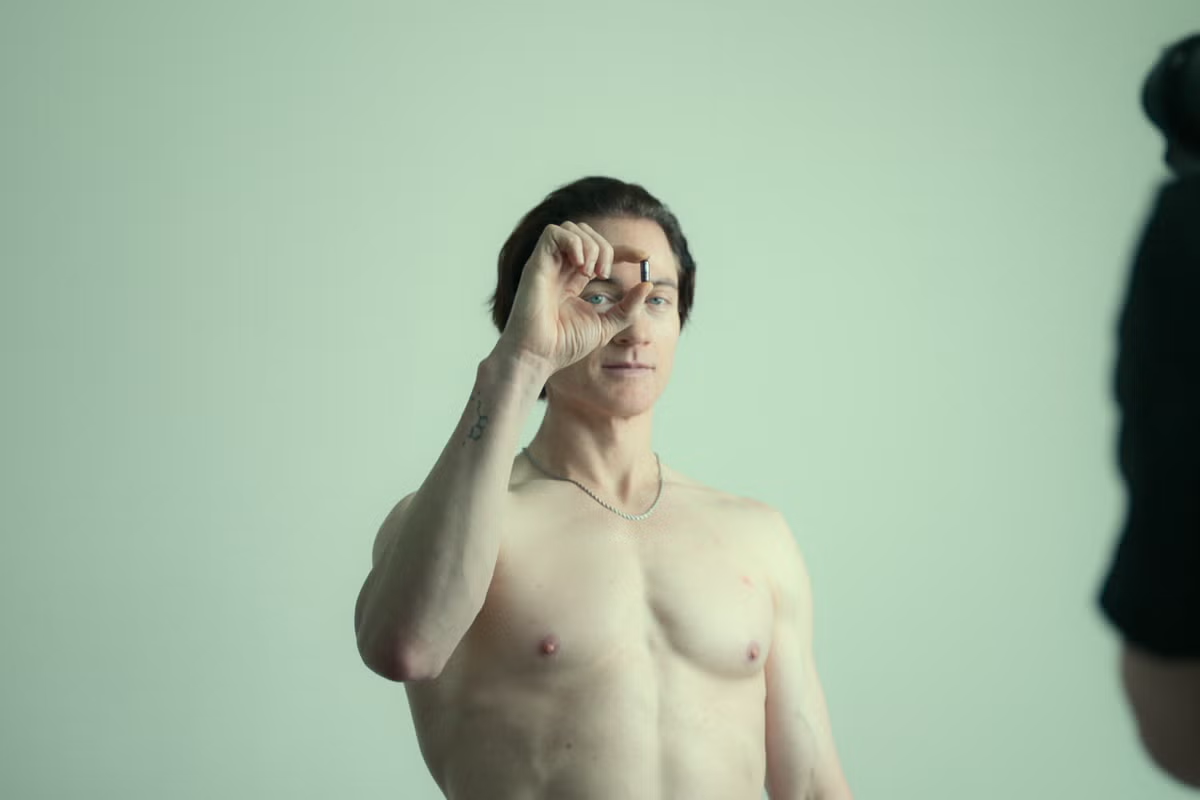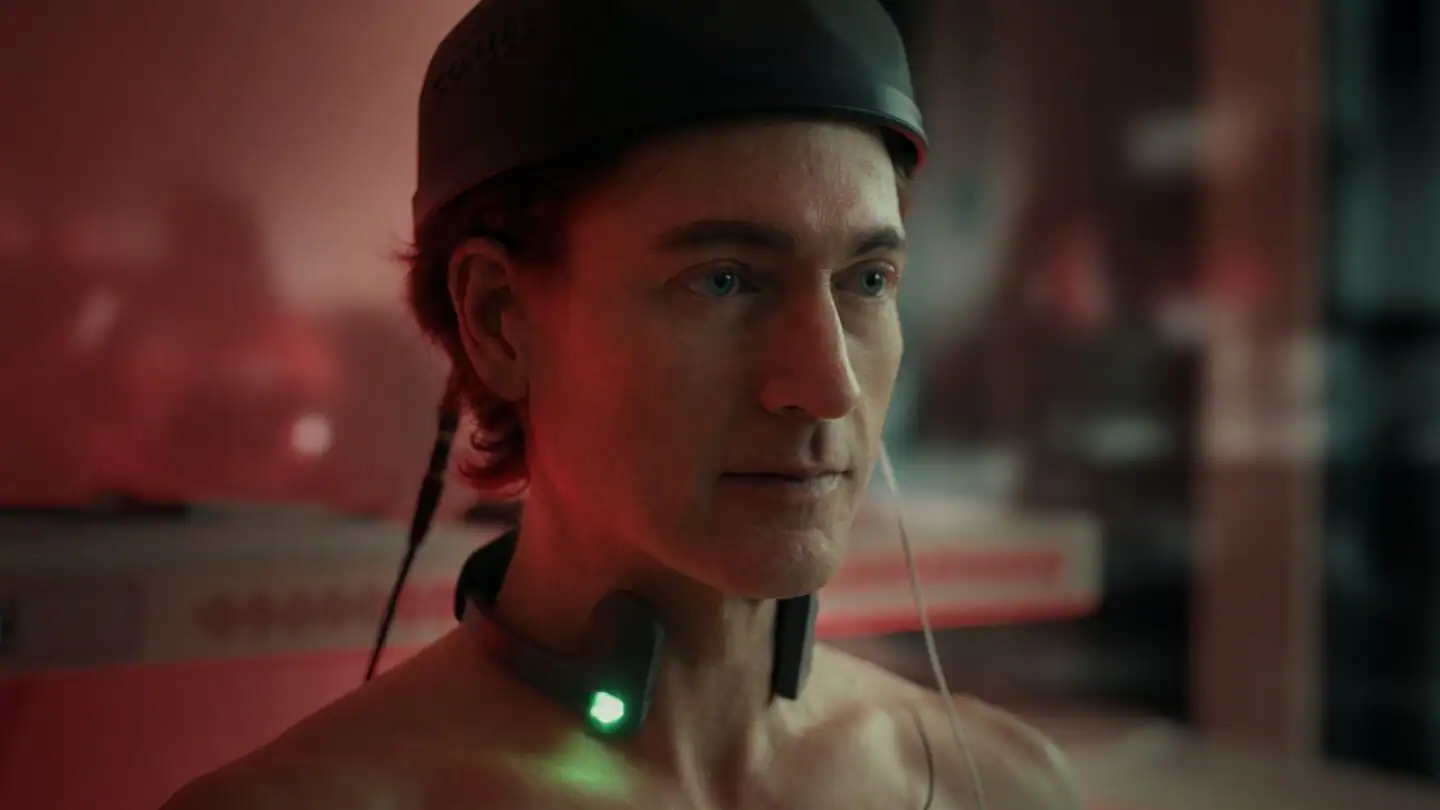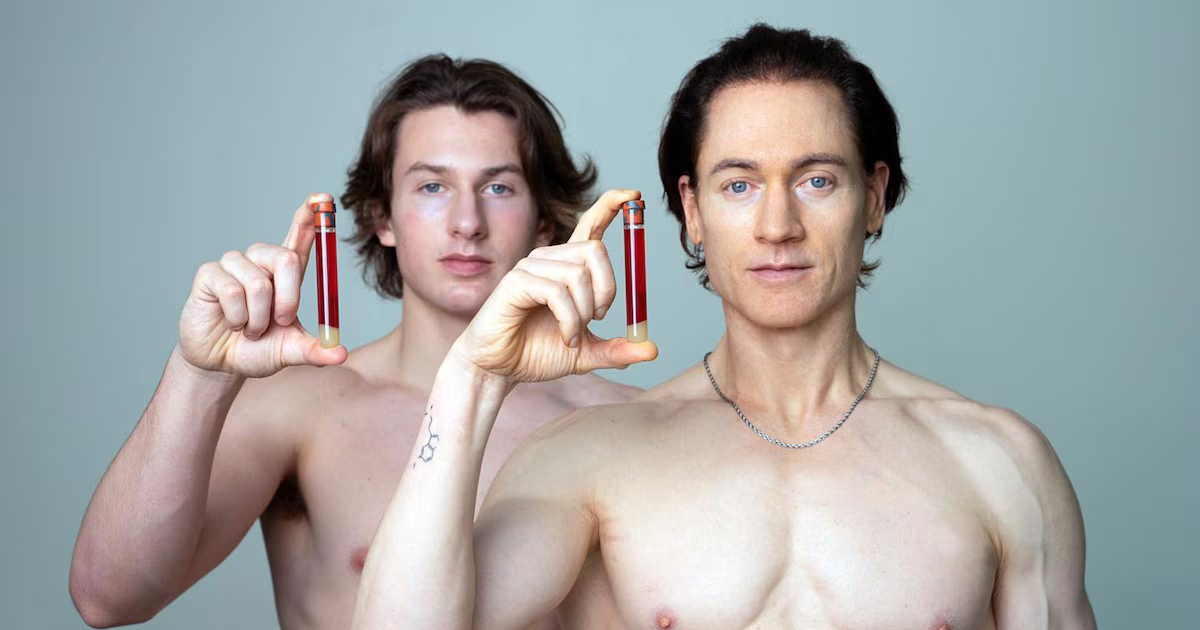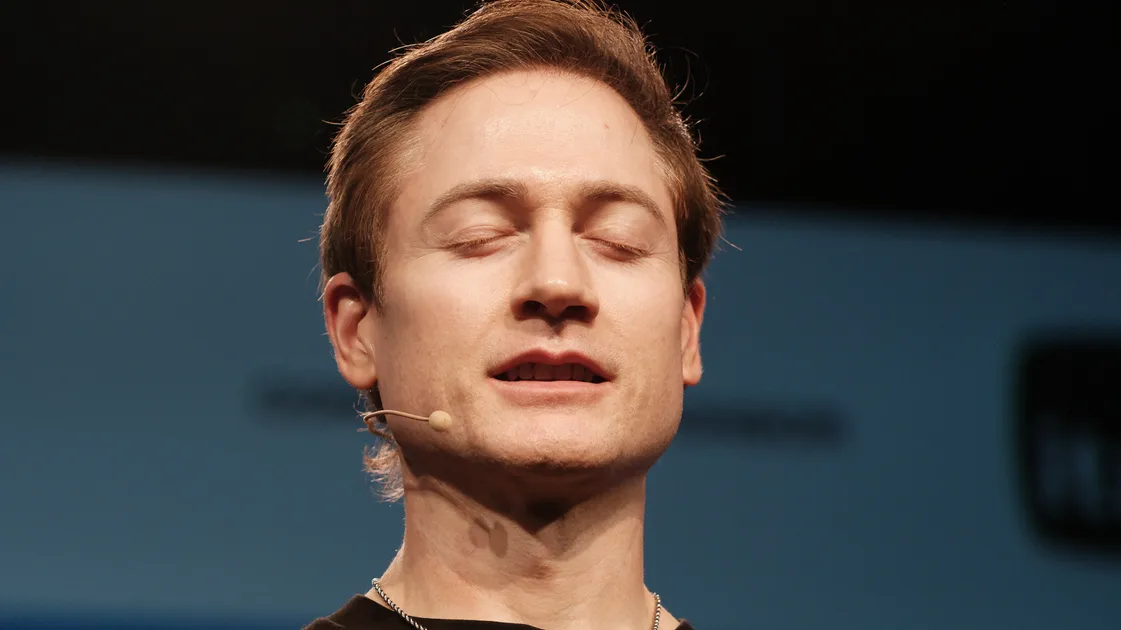
Tech entrepreneur and self-described biohacker Bryan Johnson, who was recently diagnosed with autoimmune gastritis (AIG), has made another headline in his mission to slow aging. The 48-year-old, known for spending millions on longevity treatments, says he has "cloned" himself as a newborn as part of an ambitious effort to develop replacement organs and test anti-aging therapies. The announcement, shared on social media, has sparked widespread debate, with Johnson calling it the future of healthcare. But the medical experts have argued that the technology he describes is nowhere near reality.ALSO READ: Kids found in 'zombie state' after allegedly eating mushroom-laced chocolate at New Jersey YMCA summer camp Bryan Johnson says he 'cloned' himself Johnson shared the update on X, where he claimed he had successfully created what he called a newborn version of himself. “I just cloned myself…as a newborn,” Johnson, 48, wrote on X on Tuesday. “This may be scary to some people…a dystopian future.”— bryan_johnson (@bryan_johnson) He acknowledged that many people may find the idea unsettling but insisted that such technology represents the next step in medicine. “But for others, they will see it as the inevitable future of health.” According to Johnson, the clone currently exists only in a laboratory setting and remains in a petri dish.ALSO READ: As wildfires intensify, Spain is relying on an unexpected firefighting team of rescue donkeys to stop deadly forest fires naturally and Canada is exploring the same solution What Johnson says the clone could do Johnson believes the cloned cells could eventually help transform healthcare by allowing scientists to test treatments without directly experimenting on patients. He said the clone could be used to: Test therapies before they are used on him Grow replacement organs for transplantation Develop new medical treatments Inject young cells into the body Potentially become his own "blood boy" for future blood transfusions Johnson also claimed that similar technologies are already being explored in medical research. “Clinical trials are already using this technology to restore dopamine neurons for Parkinson’s, heart health and eyesight.” He added: “This technology gives us a path to reverse aging.”ALSO READ: Most billionaires escape work on a superyacht. Google's Sergey Brin built a $450 million one with a giant office, a business deck and helicopter hangarGastritis diagnosis inspired a new direction Johnson also revealed that being diagnosed with gastritis, which he described as an incurable disease, pushed him to explore even more experimental approaches to repairing the human body."I mentioned getting diagnosed with an incurable disease is one of the best things that has happened to me in a long time. It’s opened up a frontier of new paths to repair and strengthen the body. This is the first example," his post read. He described the newborn clone as the first example of these new techniques aimed at extending lifespan and improving overall health. Bryan Johnson's longevity journey continues Johnson has become one of the world's most recognizable faces in the longevity movement. He is widely known for following an intensive anti-aging routine involving strict diets, exercise, medical testing, supplements, and experimental therapies. He previously attracted global attention for undergoing blood plasma transfusions involving his teenage son—an experiment that earned widespread media coverage and sparked debate among medical professionals. His latest announcement has once again placed him at the center of discussions about the future of aging research, ethical boundaries, and how far science can go in extending human life. For now, while Johnson sees his cloning project as the next frontier in reversing aging, many scientists say the technology remains speculative and should not be confused with treatments currently available to patients.
'This may be scary...': Bryan Johnson, diagnosed with autoimmune gastritis, says he 'cloned' himself as a newborn to reverse aging
Bryan Johnson announced cloning himself as a newborn for future medical advancements. He believes this technology will revolutionize healthcare and reverse aging processes. The cloned cells could test therapies and grow replacement organs for transplantation. This ambitious project follows his recent autoimmune gastritis diagnosis.
600 words~3 min read