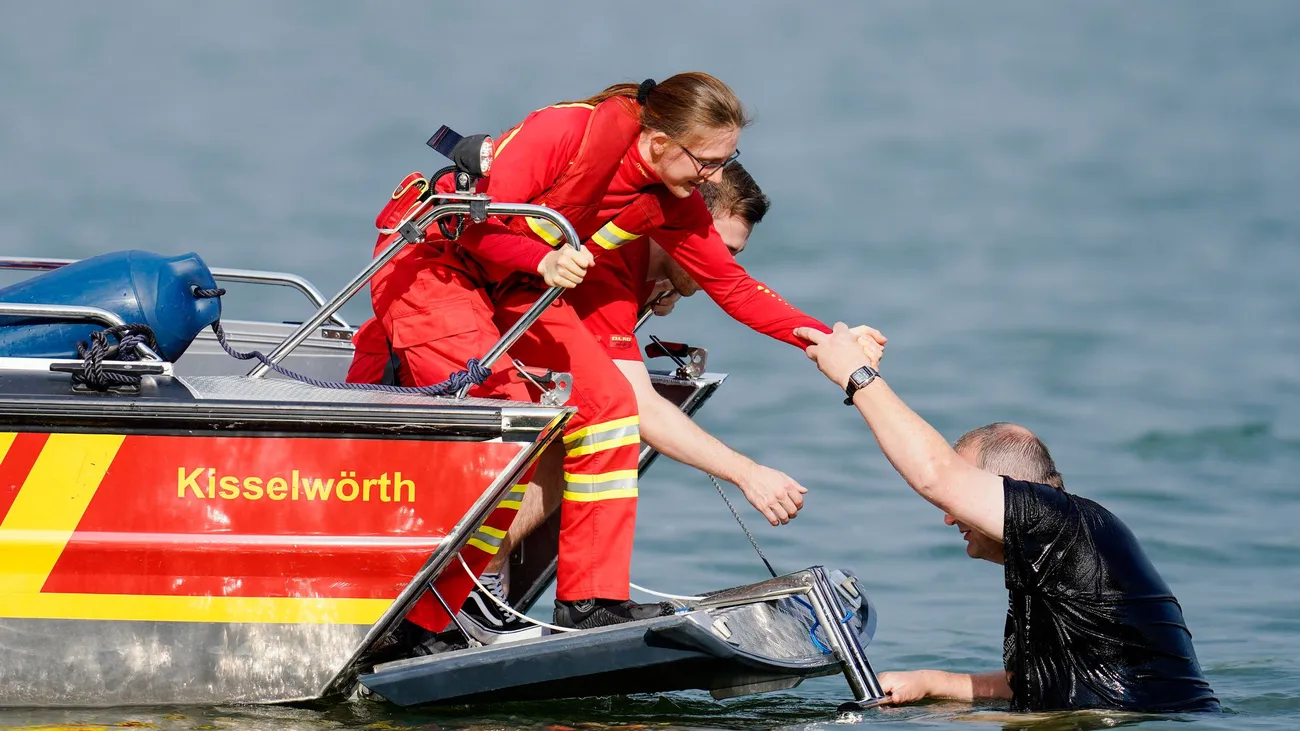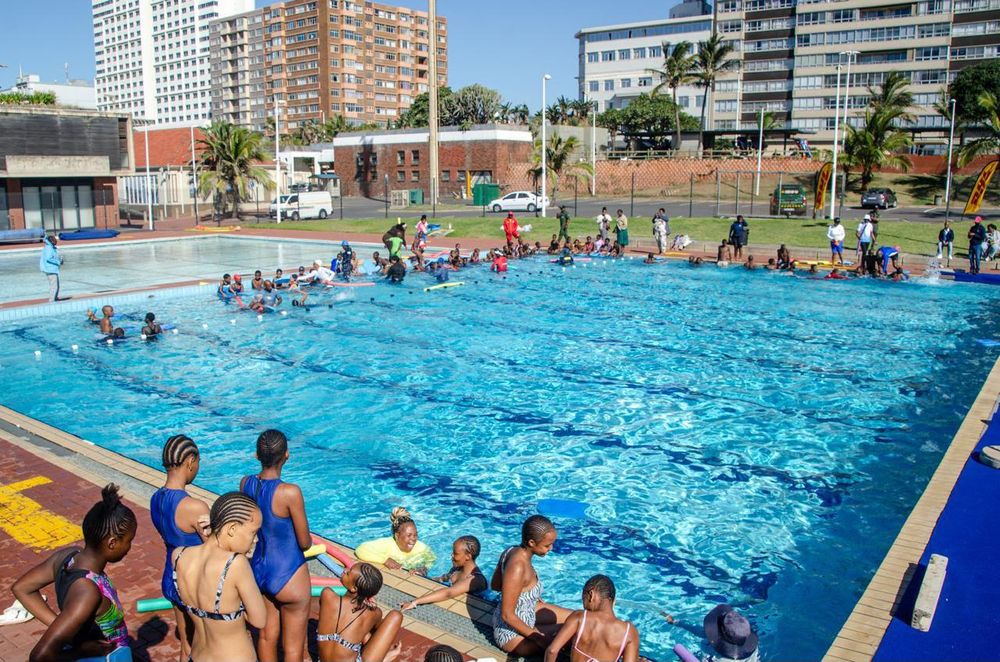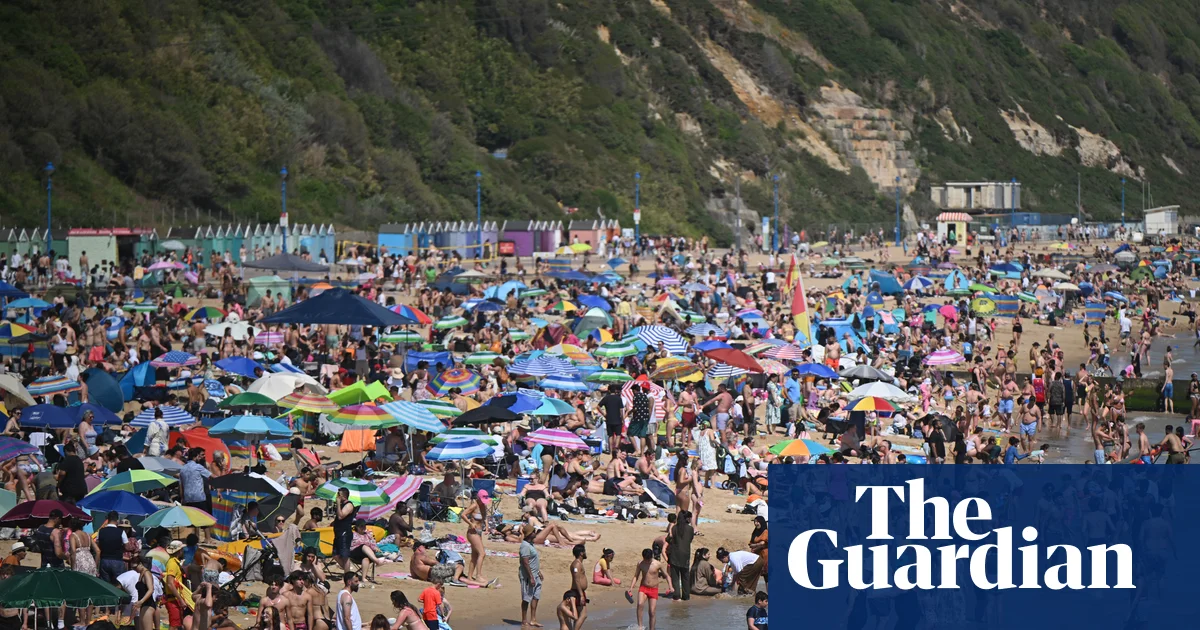
World Drowning Prevention Day annually highlights the number of people who die by drowning around the world - with several hundred Brits among those tragically lost07:22, 25 Jul 2026Updated 07:24, 25 Jul 2026Water safety awareness has become critical in recent months, with the hot weather sending people running for bodies of water across the UK, causing a rash of drownings for which World Drowning Prevention Day hopes to raise awareness.Today's international event will highlight the number of people who drown worldwide, with the World Health Organisation (WHO) estimating that more than 300,000 people die annually after getting into difficulty in the water - around 328 of that total are British and Irish. The United Nations, WHO's parent organisation, launched World Drowning Prevention Day in 2021 as a means to extend this awareness globally, and cut the number of drowning deaths by 35 percent come 2035.The plan means ensuring people understand how they can be at risk while bathing or swimming in open water, and, as the Mirror embarks on its Save Lives For Sam campaign, what they can do to prevent themselves from getting in trouble.Know the risks - and how to navigate themWhile spending time by the water and taking a dip are usually associated with rest and relaxation, going into open bodies of water comes with a series of inherent risks, including:Cold water shockEntering water with a temperature of 15C and below - which is often the case in the UK, even during summer - induces a phenomenon known as cold water shock. Cold water shock causes blood vessels to close, increasing the resistance of blood flow, and increasing the heart rate, forcing the body to work harder.It also accelerates blood pressure, and the immediate physical stress imposed on the body can cause heart attacks, even in young people. Cold water shock can kill at first gasp, as the Mirror's Saskia Rowlands discovered during a controlled dipping earlier this month.How to beat cold water shock: Cold water shock can be remedied by gradually introducing the body to cold water until the initial effects pass, usually after less than a minute.Rip currentsThe most frequently attended incident by the Royal National Lifeboat Institution (RNLI), rip currents are powerful currents that run out to see, and flow between 1 to 5mph, faster than an Olympic swimmer. They can be difficult to detect, but are usually found around the mouth of rivers and estuaries, and sometimes appear as channels of churning water.They can catch even the most experienced of swimmers by surprise, and cause people who don't understand the way to deal with them to get into difficulty after they're pulled in the water. Several children had to be rescued from the water after they were caught in a rip tide during a dip in early July.How to beat rip currents: Rip currents can be escaped by swimming parallel to the current's direction of travel. Weaker swimmers should seek help from lifeguards.TidesNormal tides can also be a water risk, as, unlike the other beach hazards, they can creep up on people, even when they think they know they're coming. Tide times, both at rivers and beaches vary by month, as they're driven by the Moon's to-and-fro with Earth, and can ultimately cut people off if they've walked to an outcrop or section of beach that might otherwise be submerged.How to beat the tides: Beachgoers are advised to stay aware of tide levels, which are well-understood and documented in local communities on tide tables. People should also be careful to remain aware of their surroundings while at the beach.WavesWaves are constantly present at beaches and rivers, but given that they vary in intensity, can be massively underestimated as a water hazard - especially by surfers and body borders, who go hunting for the biggest ones. Even days of calm water can wield huge waves if the winds change in an instant, which they often do when out on open water.Key types of wave people are advised to understandas a major risk, especially on beaches, are plunging - also known as dumping - and surging waves. The former refers to powerful waves that break in shallow water, and must be avoided where possible, as should surging waves, which don't "break" (crest and crash) but are still powerful enough to drag people around - smashing them into the coast or pulling them into deeper water.How to beat waves: The best move when it comes to waves is to avoid the big ones, and to stay clear of rough waters. Most sea safety experts urge people to avoid the water altogether when it is choppy, and the coast when it is stormy. Extreme waves, the RNLI says, should be given a wide berth at all times - even if they produce a spectacle.The water safety codeThe water safety code comes hand-in-hand with understanding the risks inherent to an area with a large body of water. As part of the code, which is an important safety cornerstone for the Royal Life Saving Society UK, people are told to consider the potential hazards listed above.The code also advises would-be swimmers and paddlers to enter the water slowly and carefully, never jump in from a height, and think carefully about their ability to splash or swim. Otherwise, the organisation advises, it is important not to use inflatables in open water, as they can pull people into deeper water from which they will struggle to escape.In an emergencyFloat to LiveFloat to Live is the RNLI's long-running flagship campaign which takes people through the steps they should follow to actively float in the water - potentially saving them from drowning in water that is too deep.The steps are as follows:Tilt your head back until you submerge your earsRelax, and control your breathingGently move your hands and legs to help you stay afloatAllow your legs to sink if they do, everyone floats differentlyPractice floating in advance of any trips to the beach - it is a potentially life-saving technique - but do so while under supervisionCall 999 - don't try and mount a rescueEmergency situations will require a call to the emergency services. Anyone witnessing someone in trouble on the coast or the banks of a river can pick the Coastguard from the list of first responders. At this point, the RLSS advises people not to try and mount a rescue themselves, as it can be extremely dangerous.Earlier this month, two men - Wayne Taylor and Ian Pascoe - died after jumping into the water at Seaton Carew beach, in Hartlepool, while trying to save Mr Taylor's children, who were later confirmed to have survived the ordeal.Article continues belowThe Mirror has launched the Save Lives For Sam water safety campaign to tackle the UK's growing drowning crisis. Backed by MPs, Olympic champions, national water safety organisations and bereaved families, the campaign is calling for urgent action to make our waters safer.That includes compulsory water safety lessons in schools, a nationwide public awareness campaign, better lifesaving equipment at high-risk waterways, the introduction of Sam's Law , and a dedicated Minister for Water Safety. Find out more about the campaign and how you can support it here.
Your complete guide to staying safe in water on World Drowning Prevention Day
World Drowning Prevention Day annually highlights the number of people who die by drowning around the world - with several hundred Brits among those tragically lost
1,193 words~5 min read