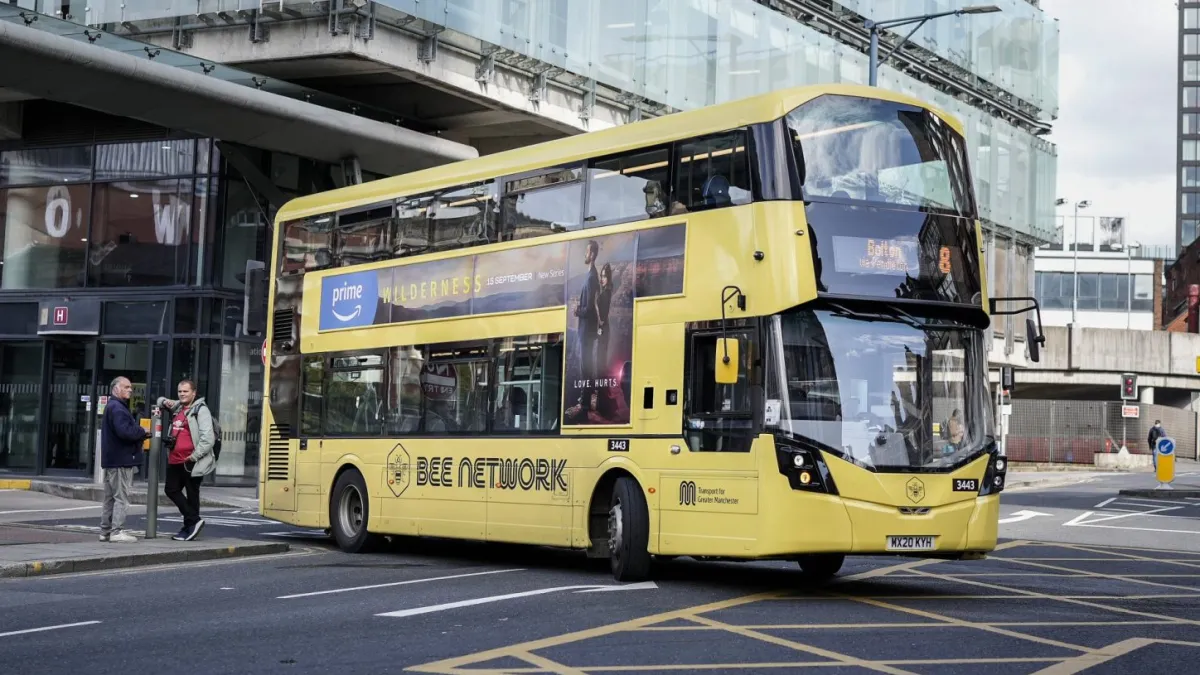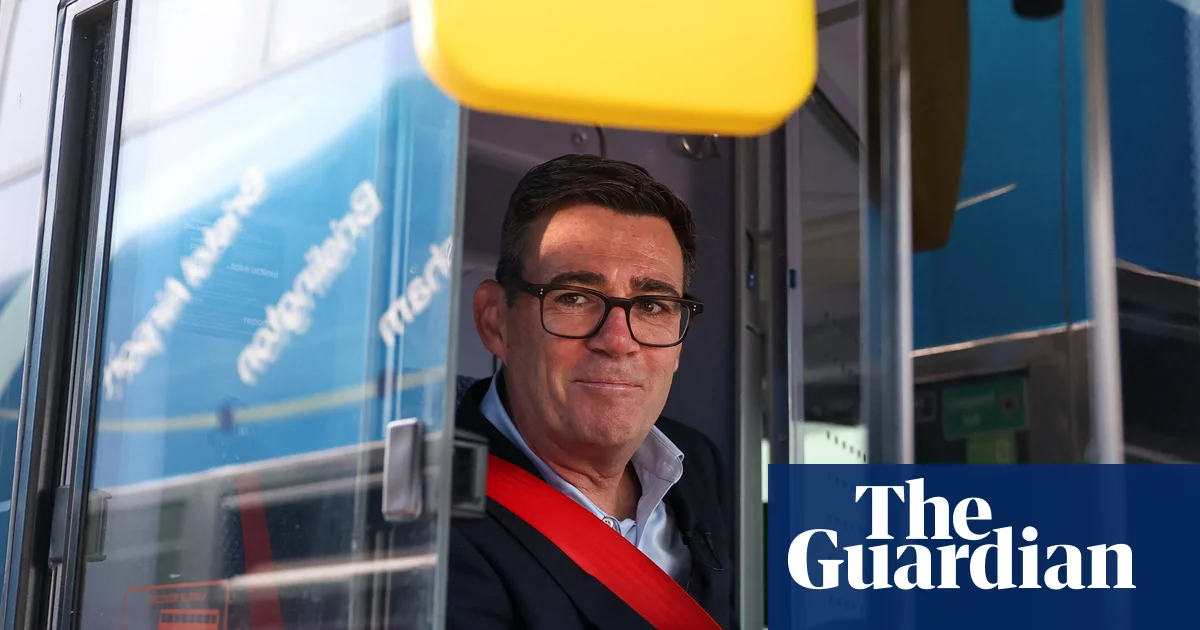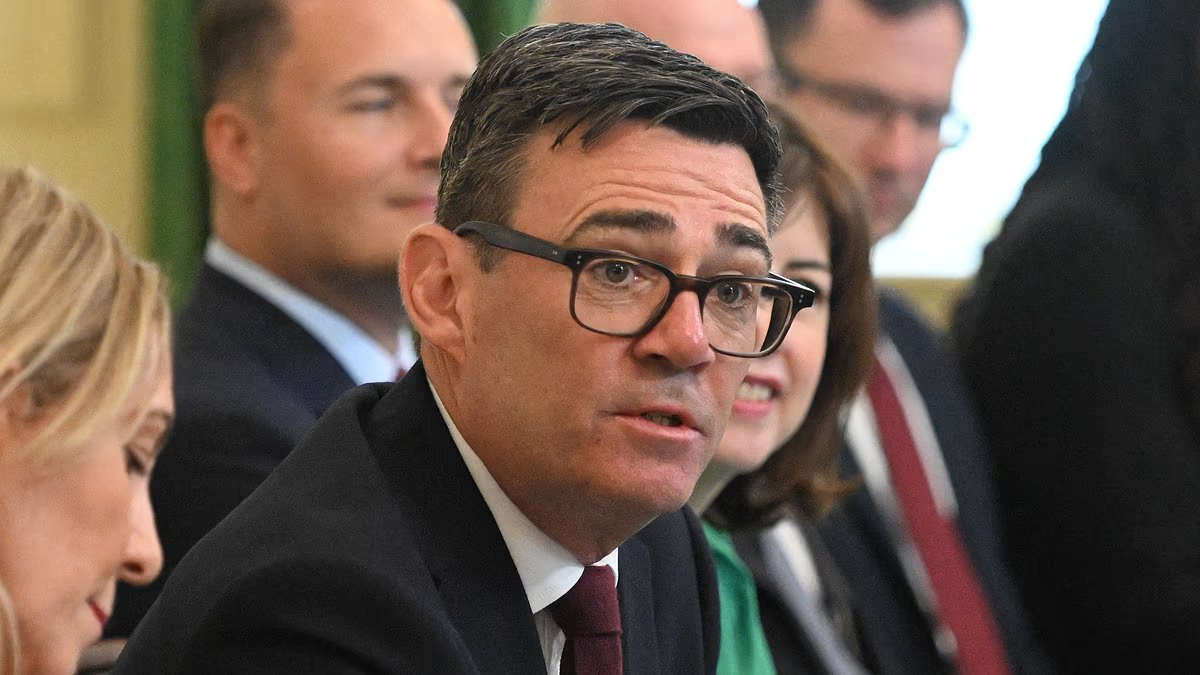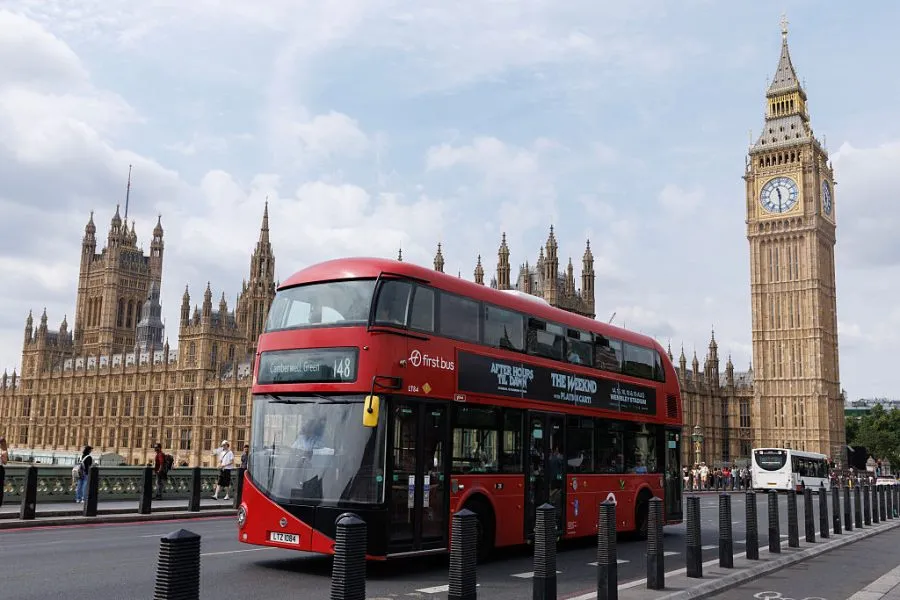
Andy Burnham has announced a reduction in the cap on English bus fares, down from Starmer’s £3. Remarkably, he might be right to do so. ‘For too long people have said that cheaper transport isn’t an option,’ he has announced.
I don’t accept that. I’ve done it before and I will do it again now: a £2 cap on bus fares for millions across the country. Lower fares will help people get to where they need to, giving them breathing space to help with the cost of living.
The one-year measure will cost some half a billion pounds, and this time won’t apparently be freed up by cancelling an ID card scheme that wasn’t itself funded. Instead, most of the money will come from financial rearrangements at the Department for Energy Security and Net Zero, whose very name trembles under its weight of virtuous propaganda. Money that we have been giving away abroad to pay for green initiatives and climate resilience will be turned from gifts into loans, apparently creating immediate room in the accounts to spend it on buses. What happens to the trick in future years is murkier still.
There may be better, more targeted ways to help those on lower incomes
Over the years, Labour MPs have queued up to tell the nation that Margaret Thatcher said that any man who found himself on a bus past the age of 26 should consider himself a failure. Martyn Jones stated it as fact in 2003, Shahid Malik and Fabian Hamilton in 2007, Chi Onwurah in 2010. The austere political scholar Jeremy Corbyn said it in 2019, although he showed his progressive credentials by dropping the age to 25.