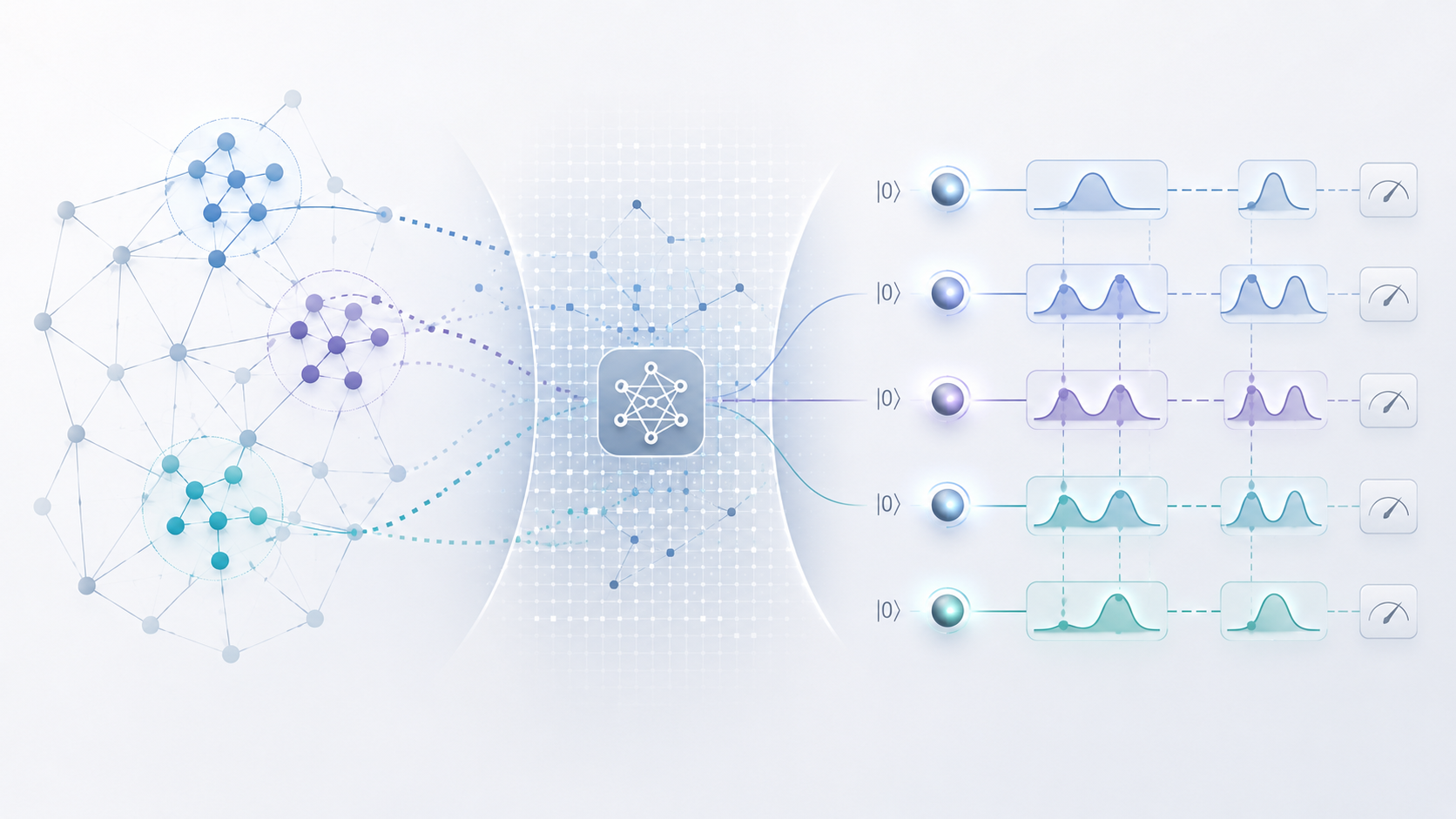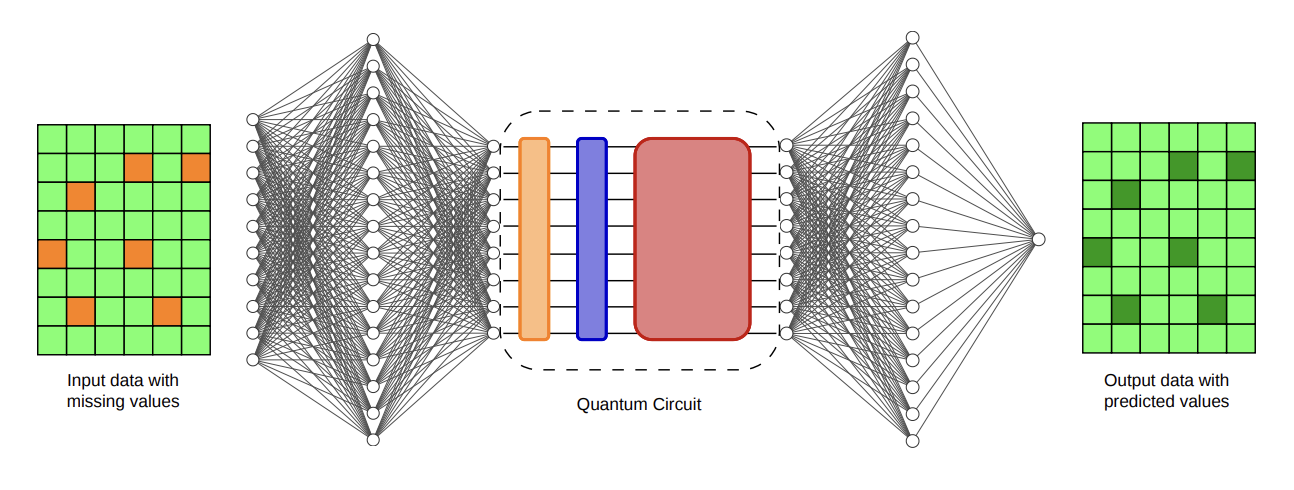
A new research framework uses the geometry of quantum states to help quantum machine learning models retain previously acquired knowledge while simultaneously learning new tasks. This advancement directly addresses catastrophic forgetting, a significant obstacle in the development of quantum artificial intelligence systems.
Published on the preprint server arXiv, this study introduces Quantum Elastic Weight Consolidation (QEWC). This method replaces traditional measurement-based approaches with one inherently rooted in quantum mechanics. Researchers state that QEWC mitigates catastrophic forgetting, a phenomenon where an AI model’s ability to perform previously mastered tasks diminishes upon learning new information.
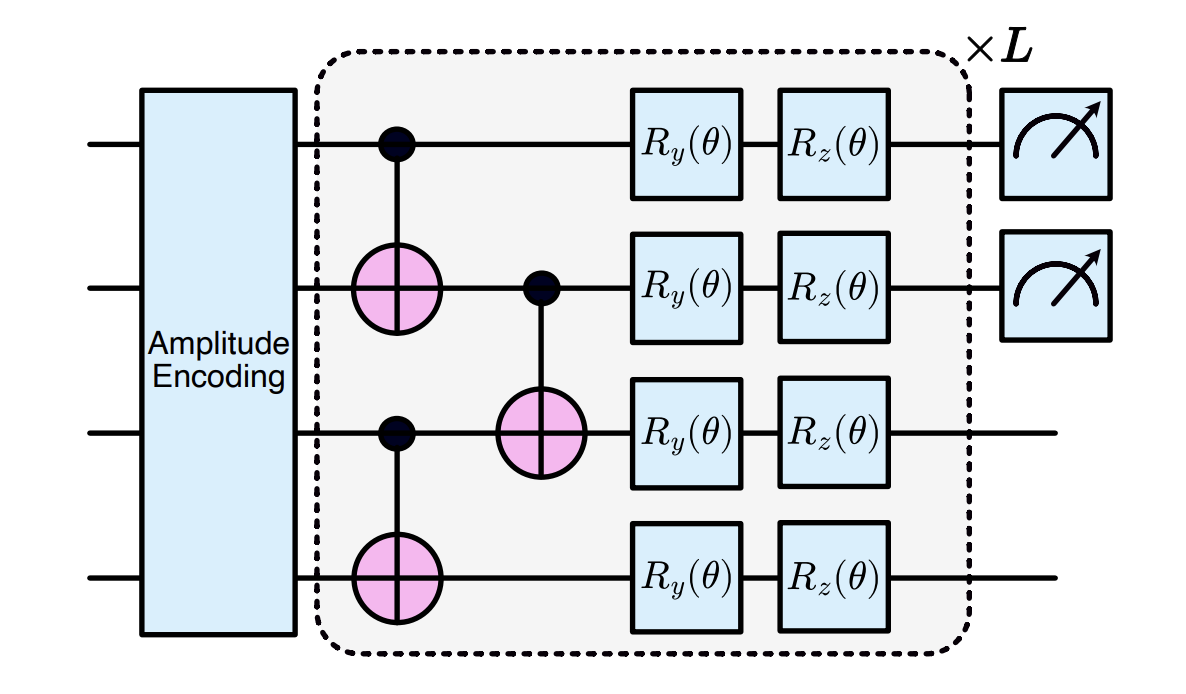
The work specifically targets variational quantum classifiers, a class of quantum machine learning models designed for noisy intermediate-scale quantum (NISQ) hardware. Rather than depending on classical statistical measures to stabilize parts of a quantum model during training, the researchers employed Quantum Fisher Information (QFI). This quantity measures the sensitivity of an underlying quantum state to parameter changes.
This approach provides a more natural method for identifying which parts of a quantum circuit hold information that needs preservation as new tasks are introduced. Although tested through numerical simulations instead of direct quantum hardware experiments, the study offers a new theoretical foundation for quantum continual learning. This area of research aims to enable quantum AI systems to learn sequentially, eliminating the need for complete retraining with each new data input.