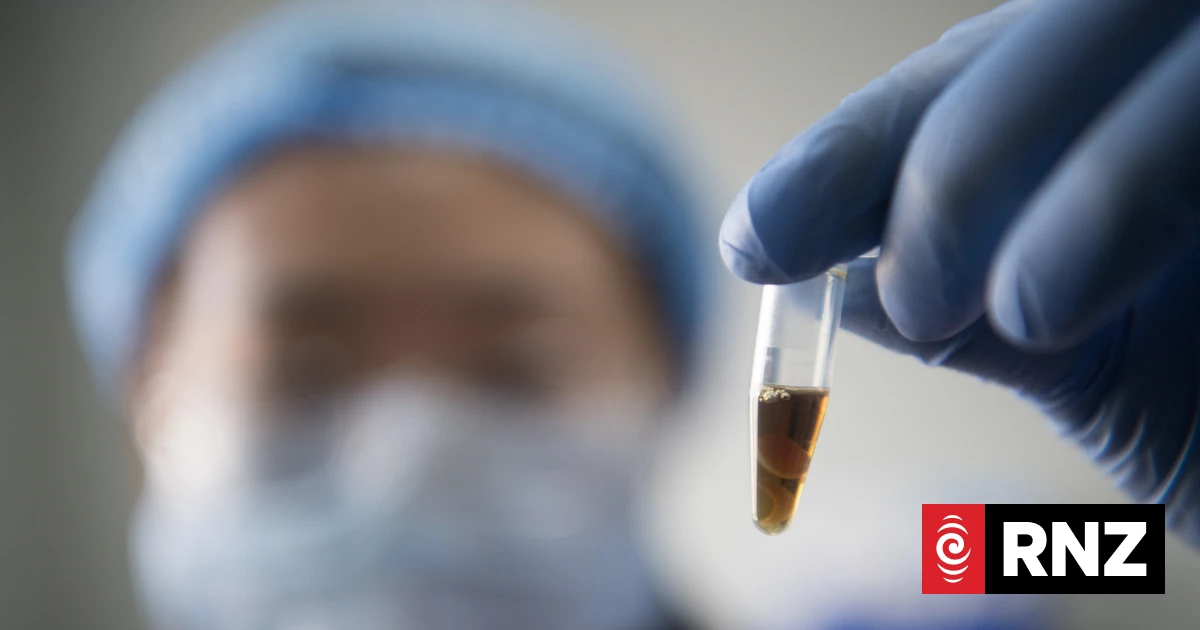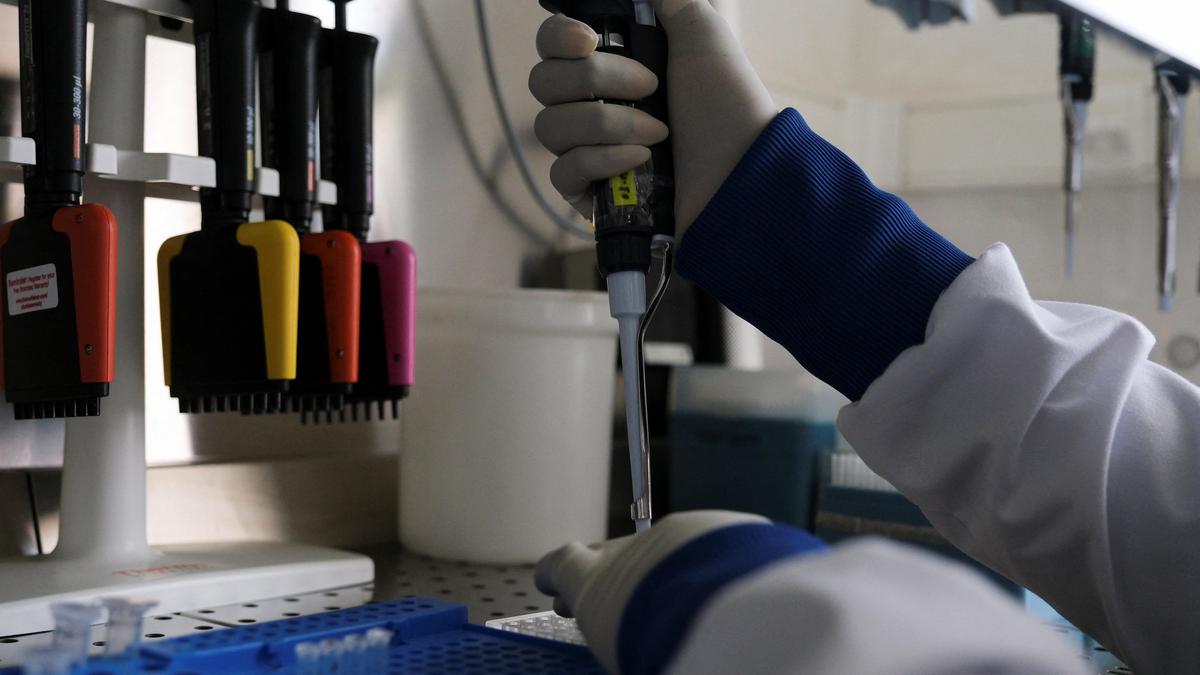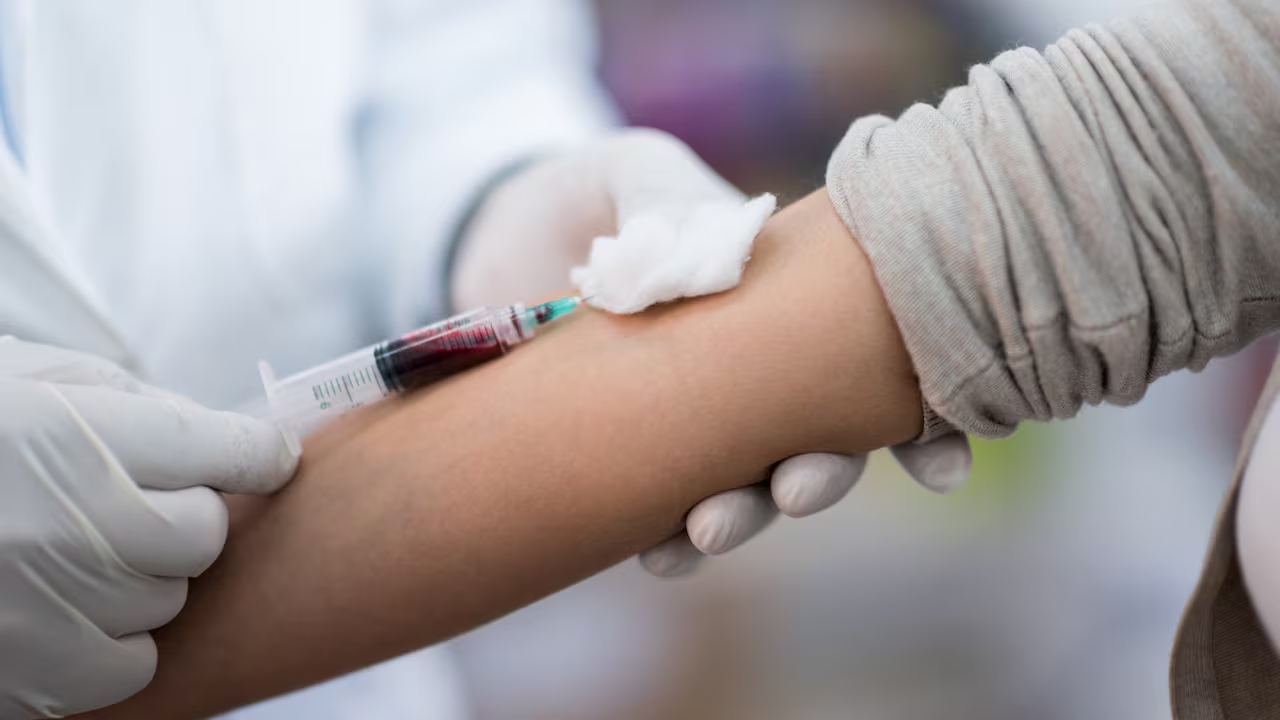
The girl, given the pseudonym “Mei,” died a week after receiving a spinal infusion of trillions of virusesWASHINGTON: A six-year-old Chinese girl died last year after receiving an experimental gene-therapy to correct a non-life-threatening condition, according to an investigation by Science and Retraction Watch.The girl, given the pseudonym "Mei," died a week after receiving a spinal infusion of trillions of viruses last March designed to penetrate the brain and fix a rare genetic condition that caused her mild cognitive impairment, the report said Thursday. But her parents, who paid more than $800,000 to fund the experiment, were not adequately informed about the risks, the report said.The lead researcher went on to publish a paper on related animal studies in journal, Nature, that made no mention of Mei, noting only "bridging the gap between preclinical research and clinical translation remains a significant challenge."Mei had a rare genetic condition called Snijders Blok-Campeau syndrome, known to affect just 237 people worldwide. Caused by a single mutated DNA base, a T that should be a C, most affected individuals have a normal life expectancy, have larger-than-normal heads and intellectual deficits, though the extent varies widely.The trial was led by neuroscientist Zilong Qiu, one of several researchers globally racing to turn base editors -- a more precise form of the CRISPR gene editor -- into custom treatments for children with rare genetic conditions.Seven experts who reviewed the details said Qiu and his team downplayed the risks and went ahead despite low odds of success. They also called for a full review of the data submitted for the Nature paper, saying some findings could warrant a retraction. The case also raises questions about whether such treatments should be initially tested on patients with non-fatal conditions.(This is an AFP story)
Girl died after gene-editing treatment in China: Report
WASHINGTON: A six-year-old Chinese girl died last year after receiving an experimental gene-therapy to correct a non-life-threatening condition, according to an investigation by Science and Retraction Watch.
293 words~1 min read