Alexander Larman
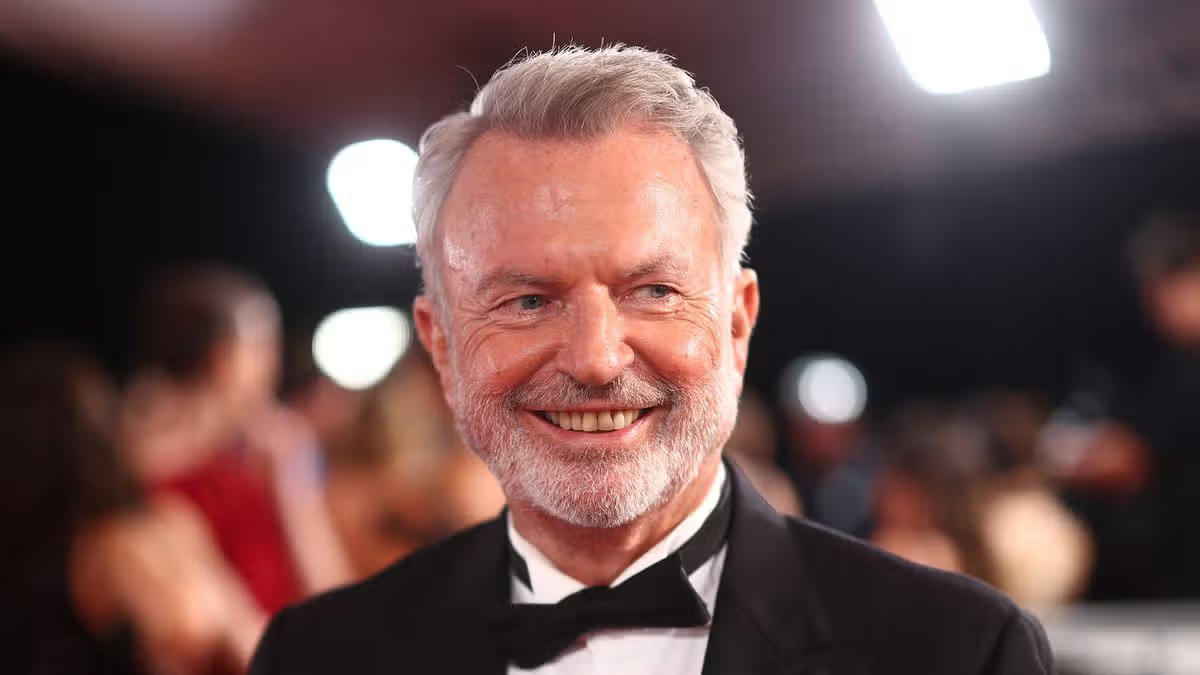
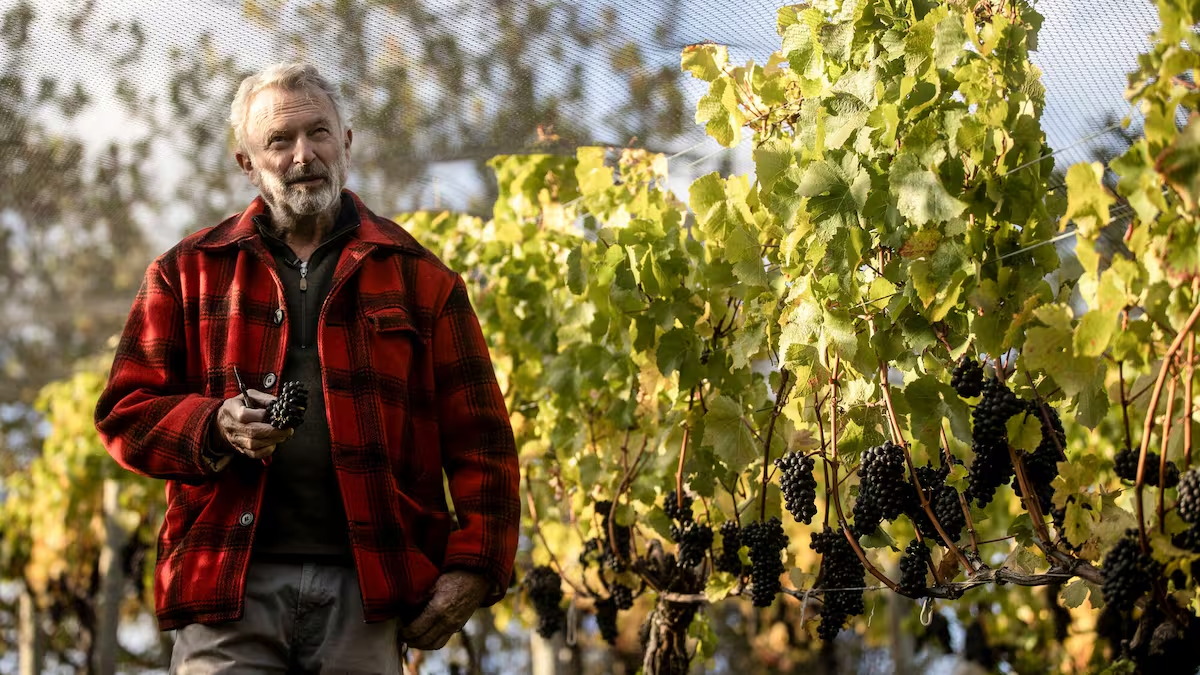
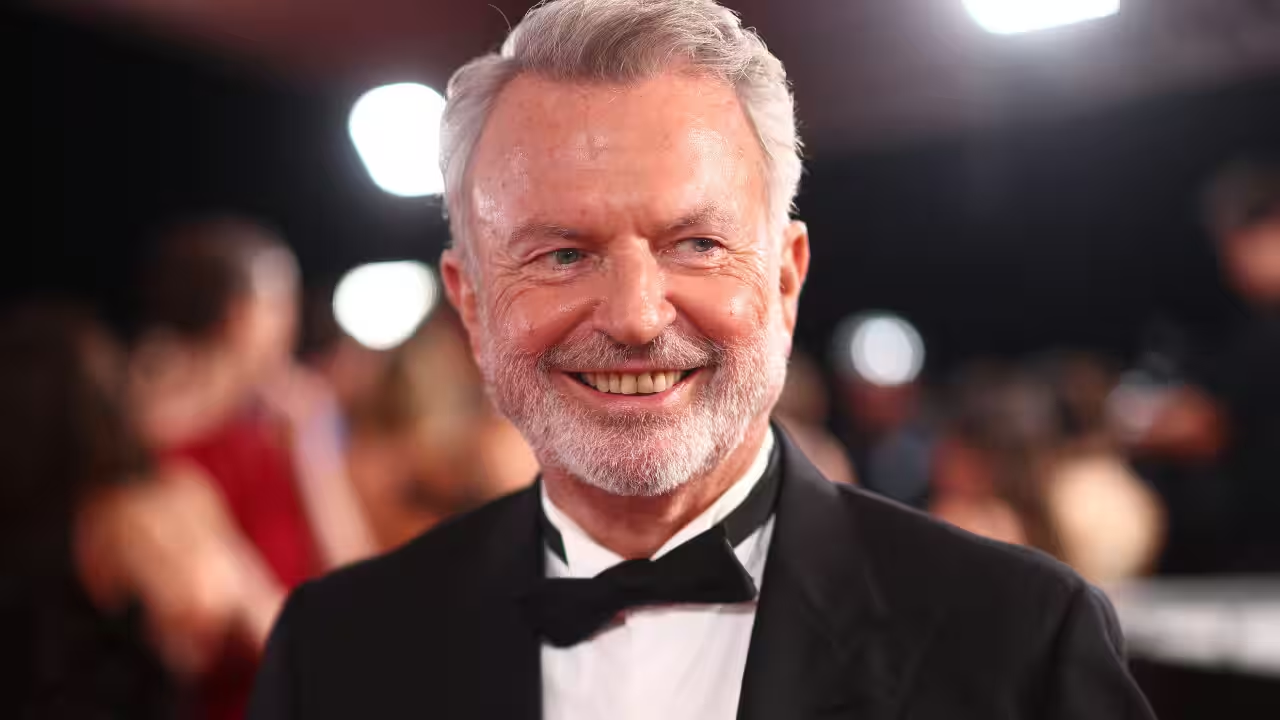
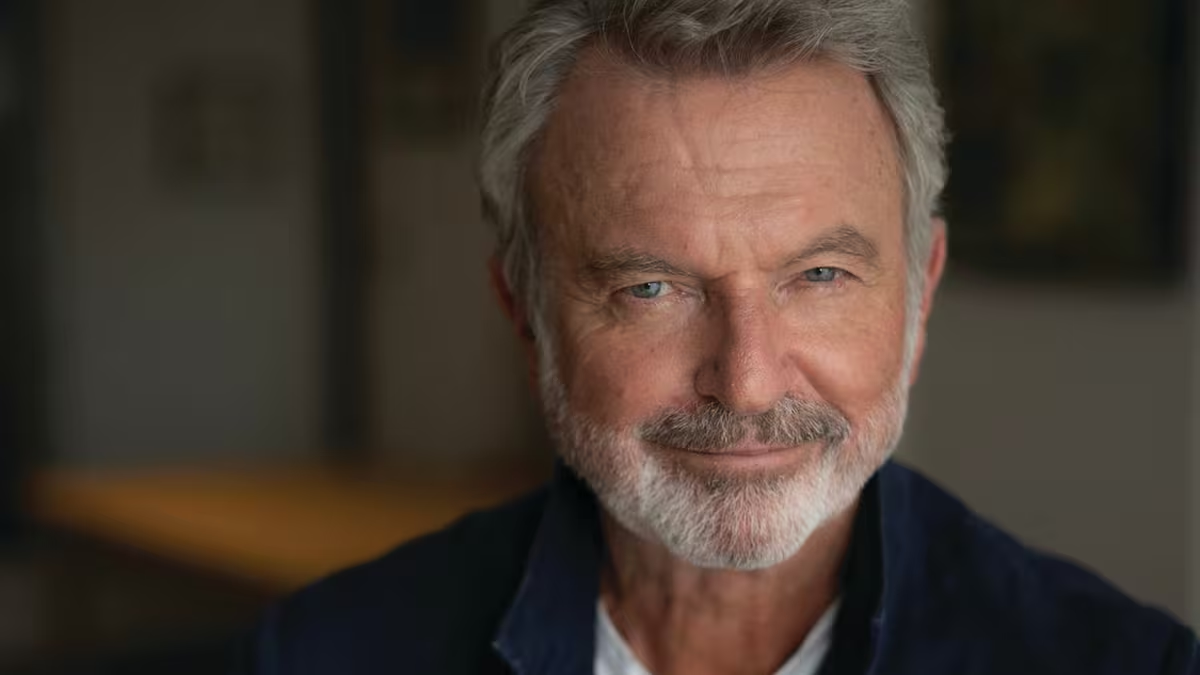
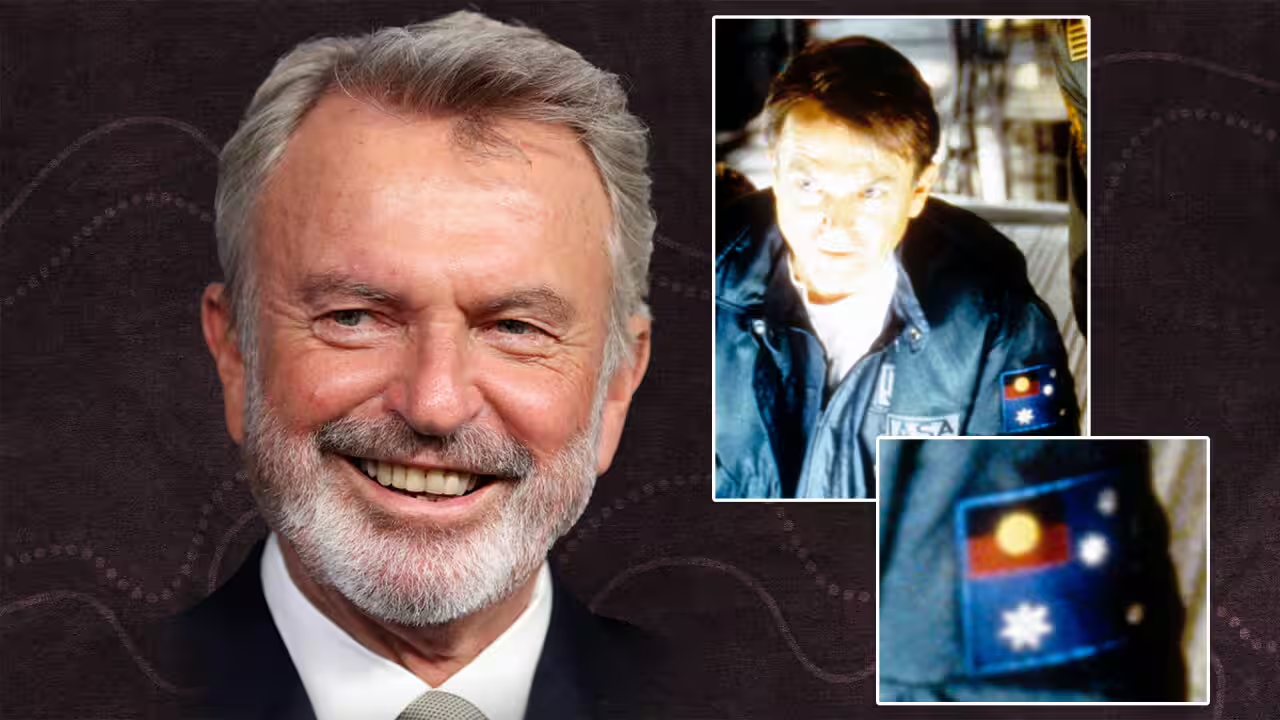
The recent death of the actor Sam Neill, at the age of 78, was greeted with a mixture of surprise, sorrow and, in many quarters, unexpected grief. It is likely that Neill would have regarded the lavish tributes paid to him by actors, filmmakers and politicians with a mixture of embarrassment and quiet pride, because although he was a brilliantly versatile actor who managed to make a deep impression in virtually every role that he undertook over his five-decade-long career, he was also someone instinctively uncomfortable with the limelight. It was typical of him that, while he owned a house in Los Angeles for work reasons, he was happiest in his native New Zealand making wine and posting amusingly self-deprecating videos on social media, all of which made him seem a great deal more accessible, and likable, than many of his more self-regarding peers.
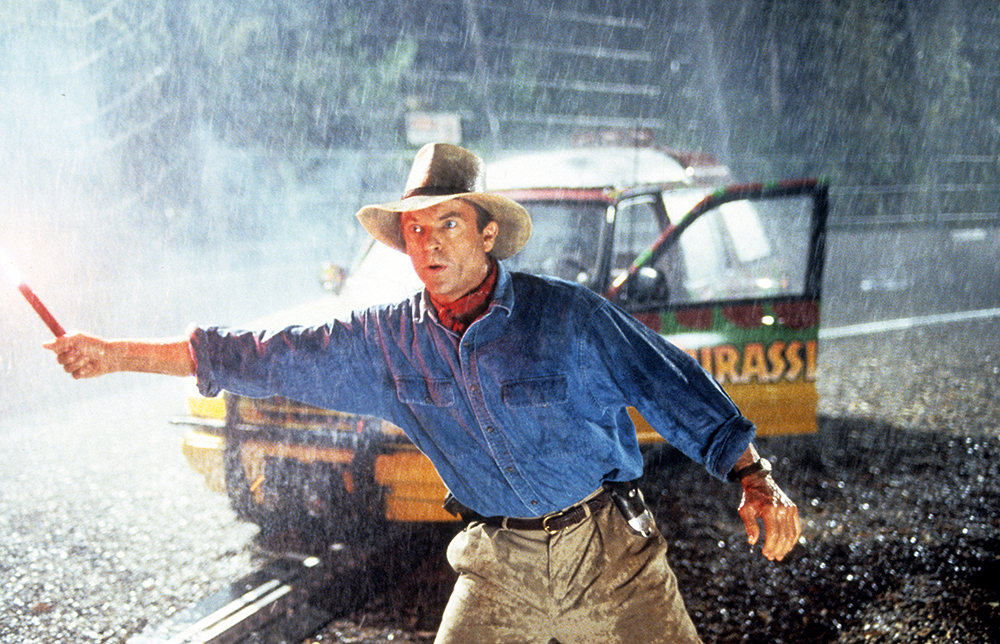
Part of the secret to Neill’s success was that he could move between three very different film industries – Hollywood, Australia and Britain – and achieve significant and interesting work within each one. He was best known by many for his starring role in Steven Spielberg’s dino blockbuster Jurassic Park, in which he played the paleontologist Dr. Alan Grant. It was, in truth, the kind of part that many actors might have played, and played decently – it was suggested that Neill was the third choice for the role, after Spielberg regular Harrison Ford and William Hurt both turned it down – but what Neill managed to bring to the film was a mixture of spikiness (his character loathes children, making him a reluctant protector of the jeopardized pre-pubescents who are terrorized by the revived denizens of the eponymous park), integrity and awe.