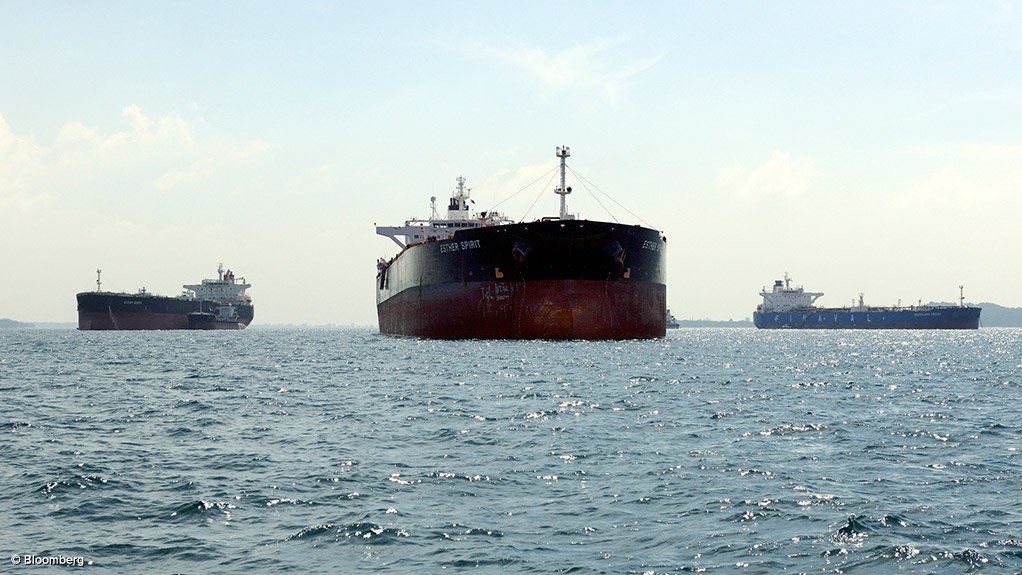
The Economist mocked investors in late April for predicting Brent crude oil to reach roughly US$88 per barrel by the end of the year.
Brent Crude—a light, sweet crude oil originally extracted from the North Sea—is widely used as the primary international benchmark for pricing oil globally because its properties make it easy to refine into high-demand products like gasoline and diesel. On July 2, however, the publication issued a retraction as spot Brent prices plummeted to slightly over $70.
That mea culpa looked sincere, but it committed a new forecasting mistake. It compared oil for delivery at year-end with a single day’s price in July, erroneously treating the difference as a verdict on a war and a timeline that have yet to conclude.
A December futures contract and a July spot Brent answer different questions. While spot measures an immediately available barrel, a year-end contract reflects expected supply, demand, inventories, storage costs, interest rates, and geopolitical risk months ahead.
The valid test was not whether spot stood below $88 on July 2, but how that December contract had moved since April and where it eventually settled. Brent surged toward $100 as attacks against tankers and threats to the Strait of Hormuz and Bab el-Mandeb returned, making the apology another attempt to call the ending before the final act.