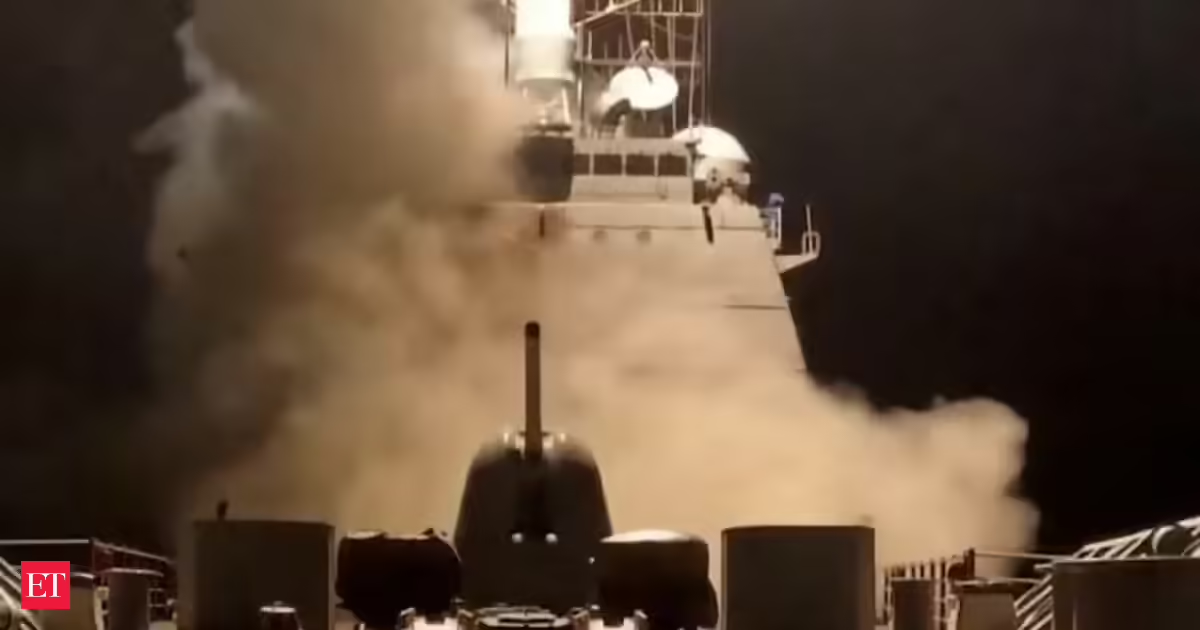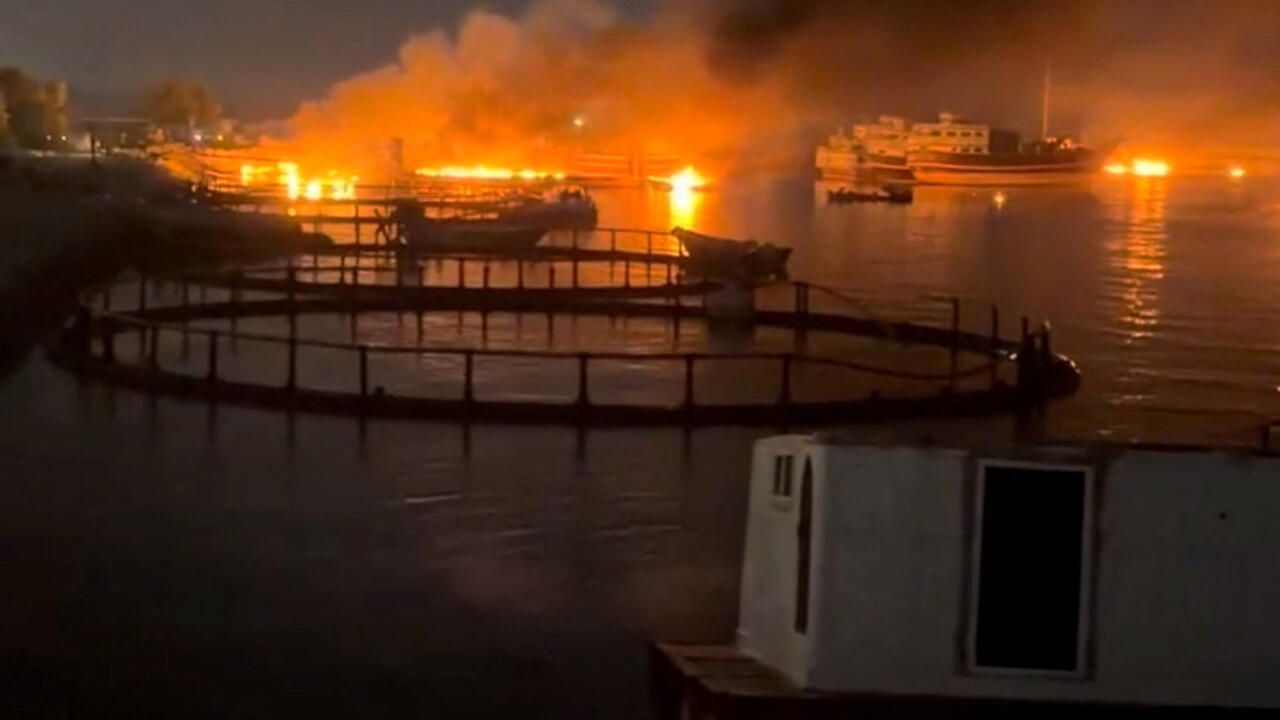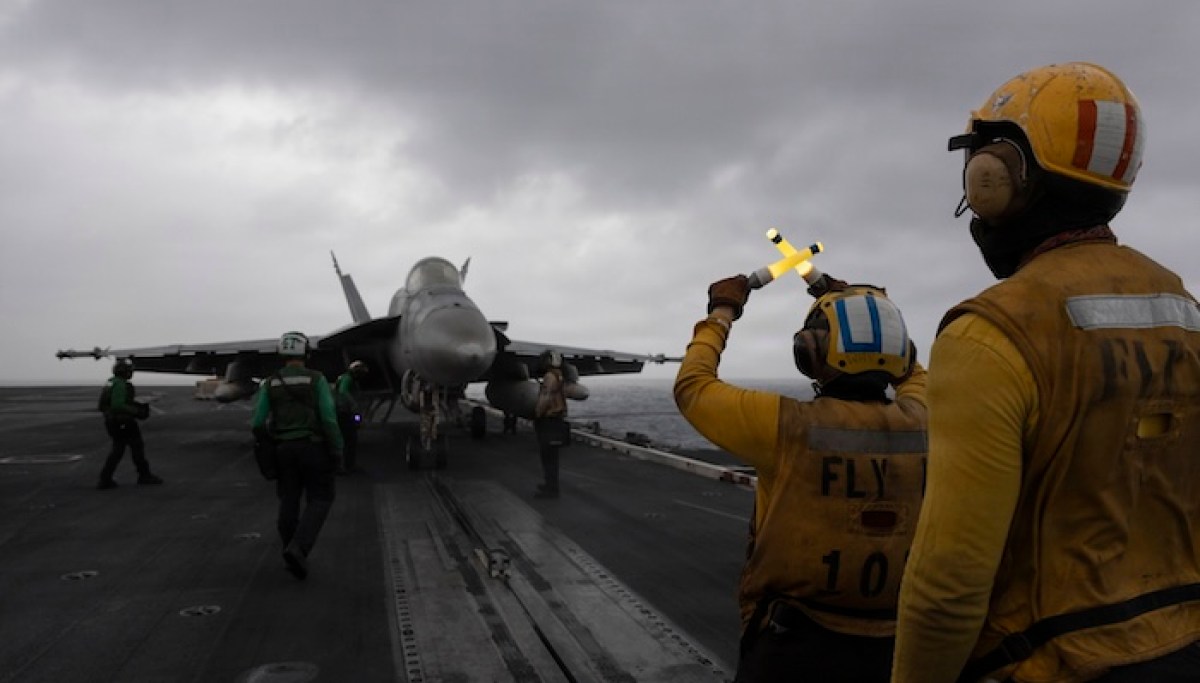
Two weeks after the ceasefire between the United States and Iran dramatically collapsed, U.S. Central Command continues to announce daily bombing attacks designed to target Tehran’s ability to target commercial shipping in the waterways off its coast.President Donald Trump has continued to talk openly this week about escalating the war by broadening the strikes to hit Iranian infrastructure and suspected nuclear sites, including Pickaxe Mountain. But the escalation comes as concerns grow over transparency over the war, highlighted by a dispute over the number of military service members killed, the scale of damage suffered during Iranian attacks, and the amount of money the war is costing the American taxpayer.The U.S. military has carried out strikes on Iran for nearly the last two weeks, and they are targeting Iran’s ability to continue threatening ships in the Strait of Hormuz and beyond. Prior to the war, about 20% of the world’s oil transited through the vital waterway, but the threat of being attacked has dissuaded mariners from trying, causing a spike in the economy.
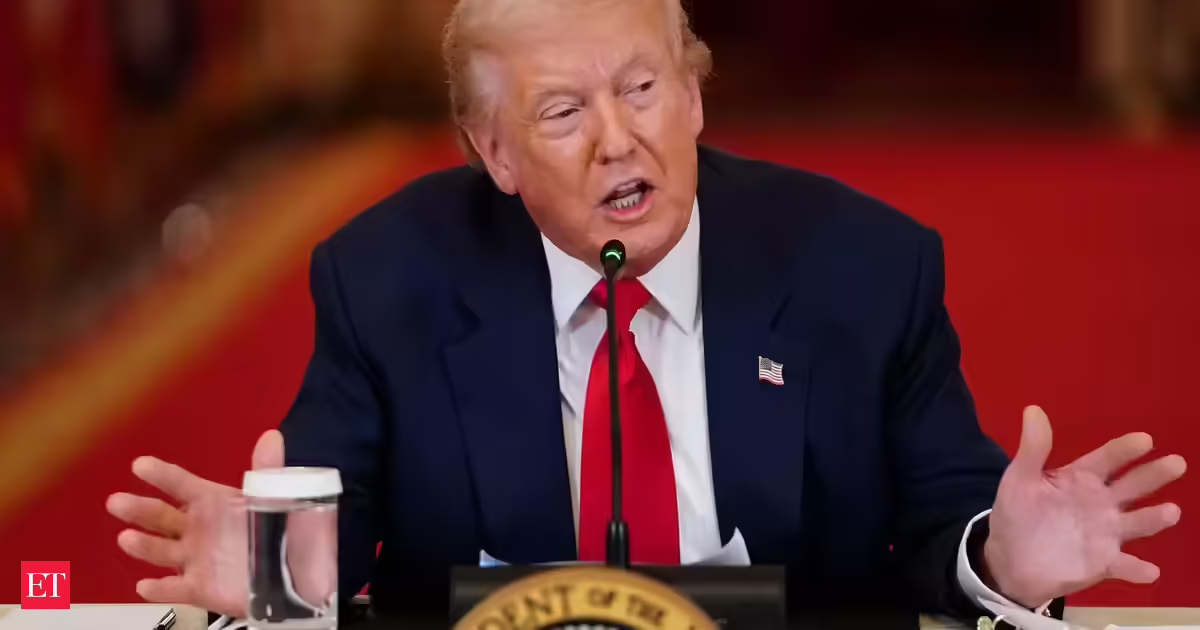
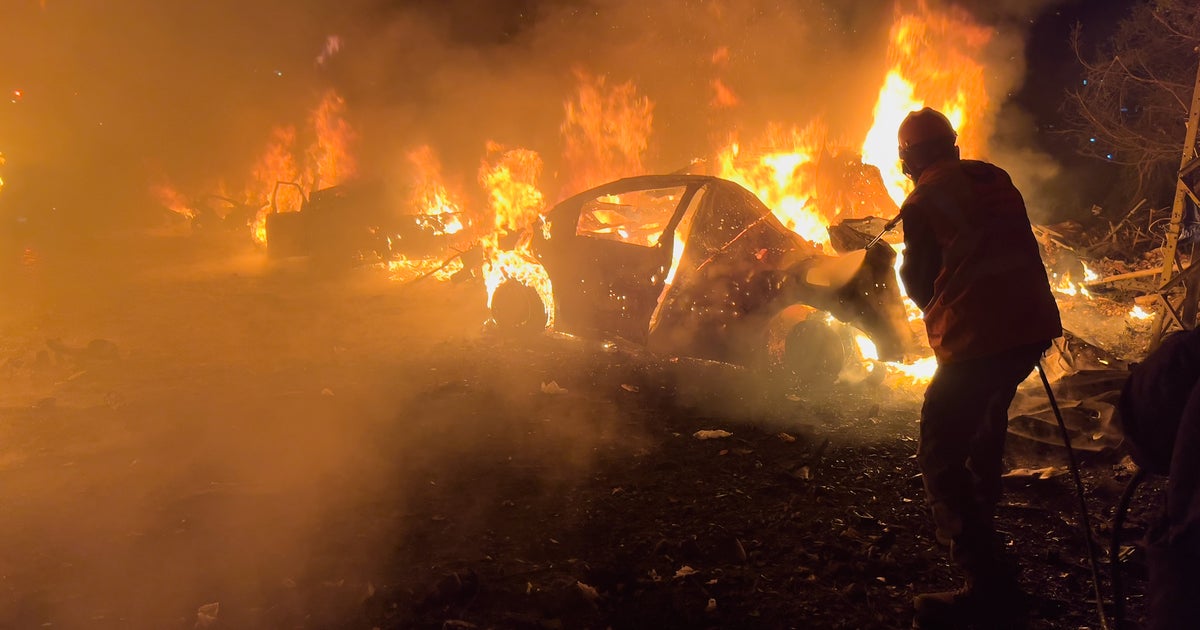
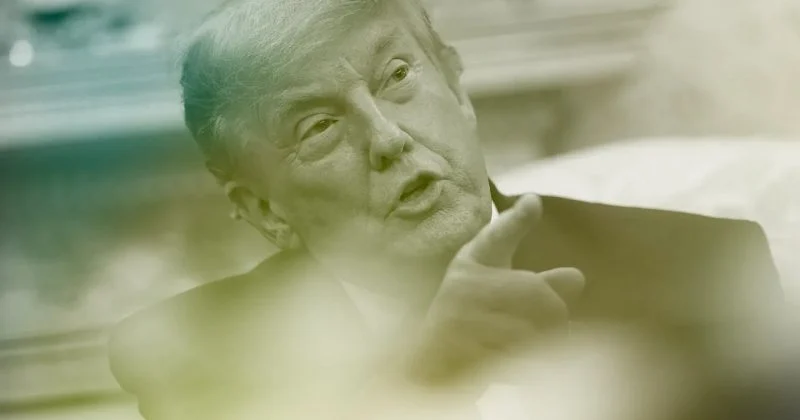
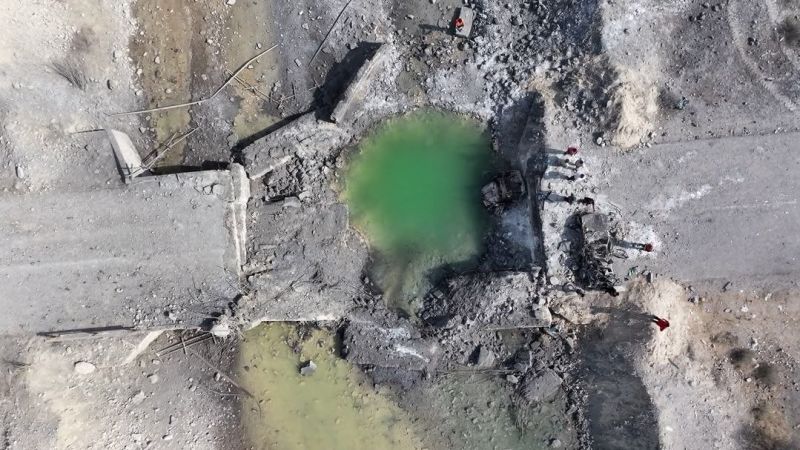
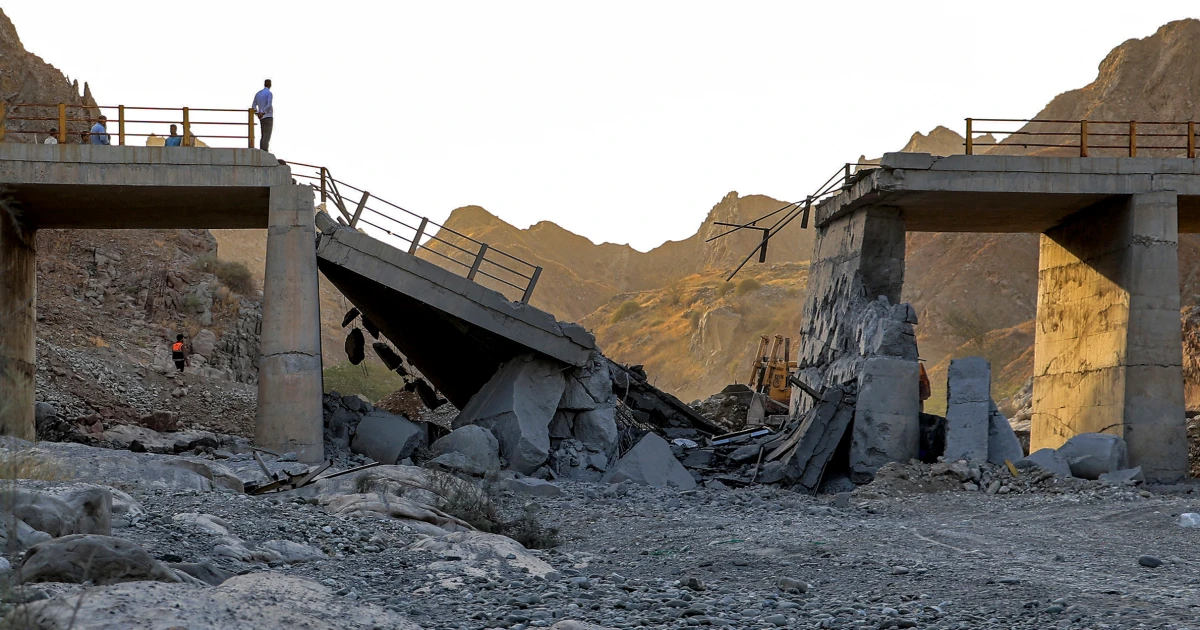
Iran has responded with heavy missile and drone strikes targeting Kuwait, Bahrain, Qatar, the United Arab Emirates, Oman, Jordan, and Saudi Arabia. Iran is responsible for the deaths of three U.S. troops last week in an attack in Jordan. Trump — who traveled to Dover Air Force Base on Wednesday for the dignified transfer ceremony for four U.S. service members killed last week — has openly discussed escalating the war with attacks on Iranian dual-use infrastructure such as bridges, railroads, roads, and power plants. He also said the U.S. would target one of Iran’s most deeply buried nuclear sites called Pickaxe Mountain, which they didn’t target during last year’s Operation Midnight Hammer.“From this point forward, any time the Islamic Republic of Iran shoots at a ship in the Strait of Hormuz, whether it be by Missile, Rocket, Drone, or any other device or weapon, the United States will bomb and destroy ONE BRIDGE OR POWER PLANT, including those located next to, or in, the Capital City of Tehran,” he warned on Wednesday.He told Axios on Thursday, “I am considering a massive attack. Bigger than ever before. I am close to making a decision. We are all set for it.”While Trump and U.S. Secretary of State Marco Rubio have said this week that Iran has reached out privately to seek a deal to stop the ongoing strikes, Iranian officials have publicly not backed down, and the Islamic Revolutionary Guard Corps continues to carry out retaliatory attacks against Gulf countries.People stand on a bridge destroyed after a strike in Hormozgan province, southern Iran, Saturday, July 18, 2026. (Amirhosein Khorgooi/Iranian Students’ News Agency via AP)