TL;DRUK tribunal rules Holiday Extras discriminated against a remote worker by refusing to let her keep her camera off during calls
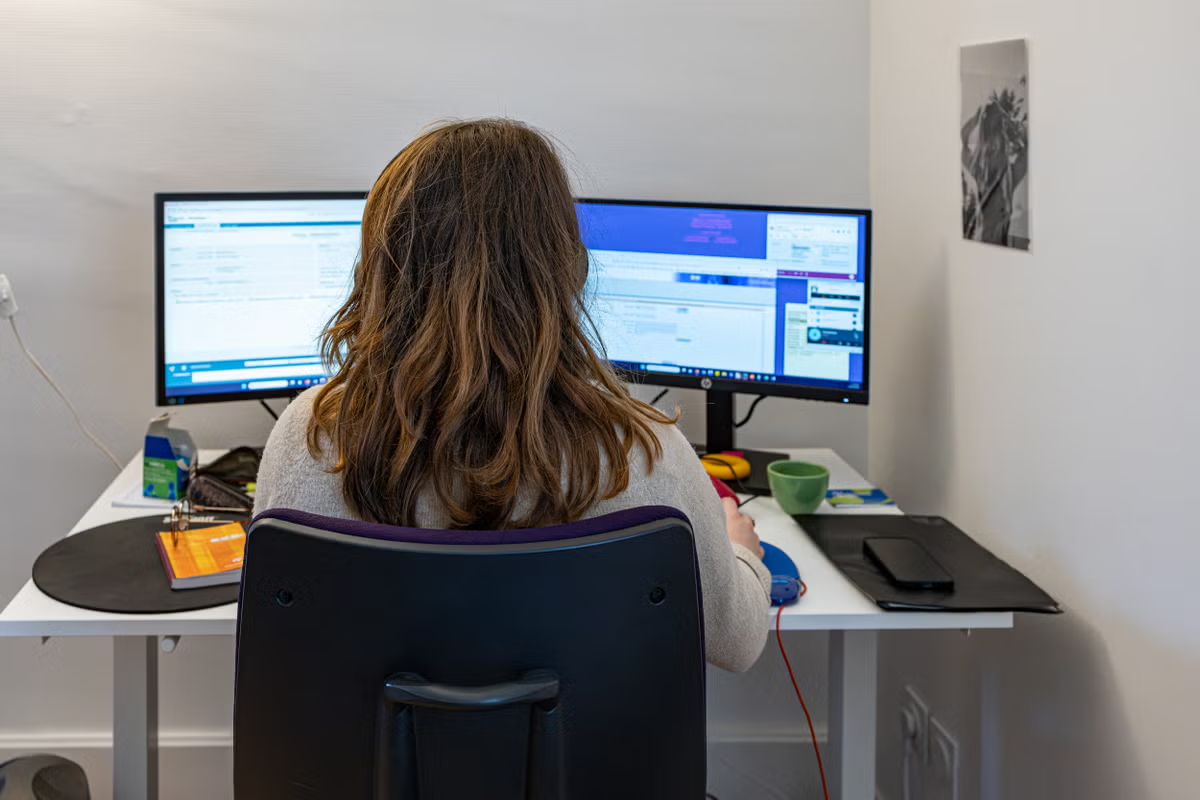
A UK employment tribunal has ruled that forcing a remote worker with anxiety, ADHD, and autism to turn on her camera during a video training session amounted to disability discrimination. Laura Tait, a home-based travel consultant at Holiday Extras, was awarded compensation after the Croydon tribunal found the company failed to make reasonable adjustments for her conditions. The ruling does not ban camera-on policies outright, but it establishes that employers must consider individual accommodations for disabled workers who find video calls distressing.
Tait joined Holiday Extras in June 2021 as a remote consultant selling travel insurance, a role in which voice calls accounted for roughly three-quarters of customer interactions. By 2022, she had informed managers that work-induced stress was triggering repeated absences and that she could manage her anxiety more effectively through live chat and email channels. She requested that two or three days each week be allocated to text-based work instead of phone or video calls.
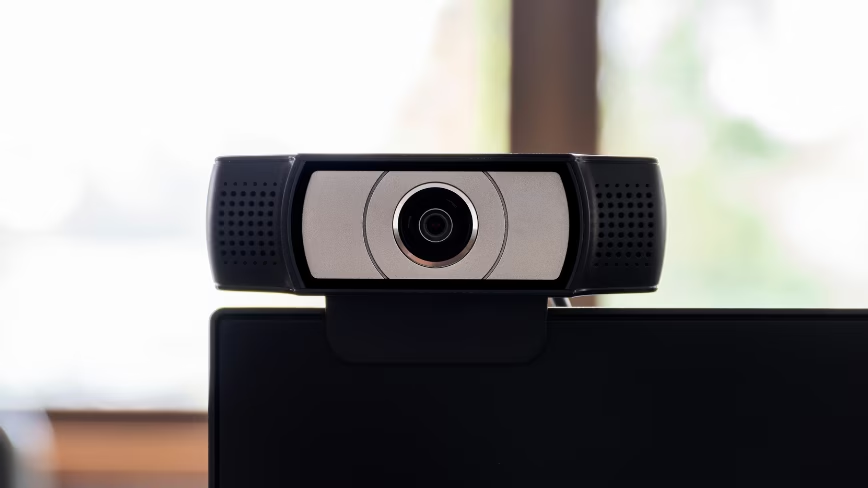
The company offered temporary adjustments during periods of phased return but refused to guarantee a permanent shift in her workload, arguing that voice calls were the core business function and that changes would be unfair to other staff. On August 24, 2023, during a remote training session, Tait asked to keep her camera off because she felt “super anxious,” but was told to start with it on and see how she managed. She was unable to cope and had to leave the session.