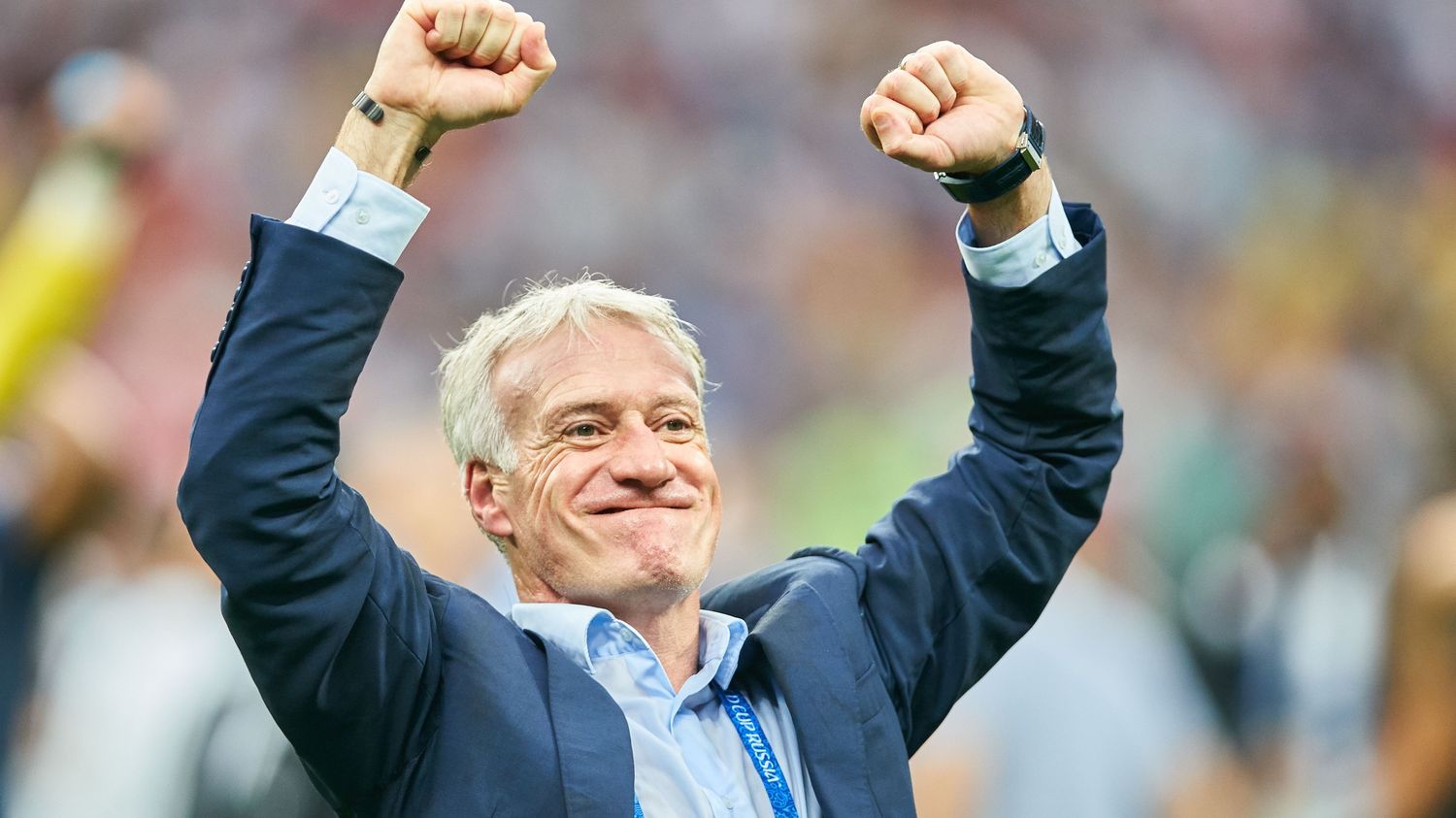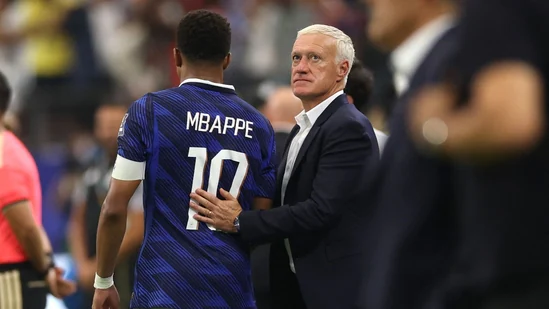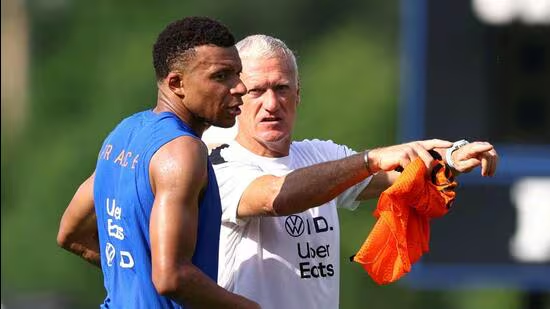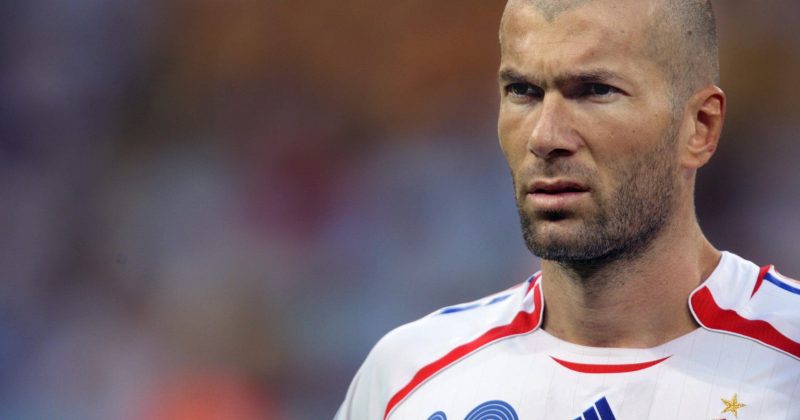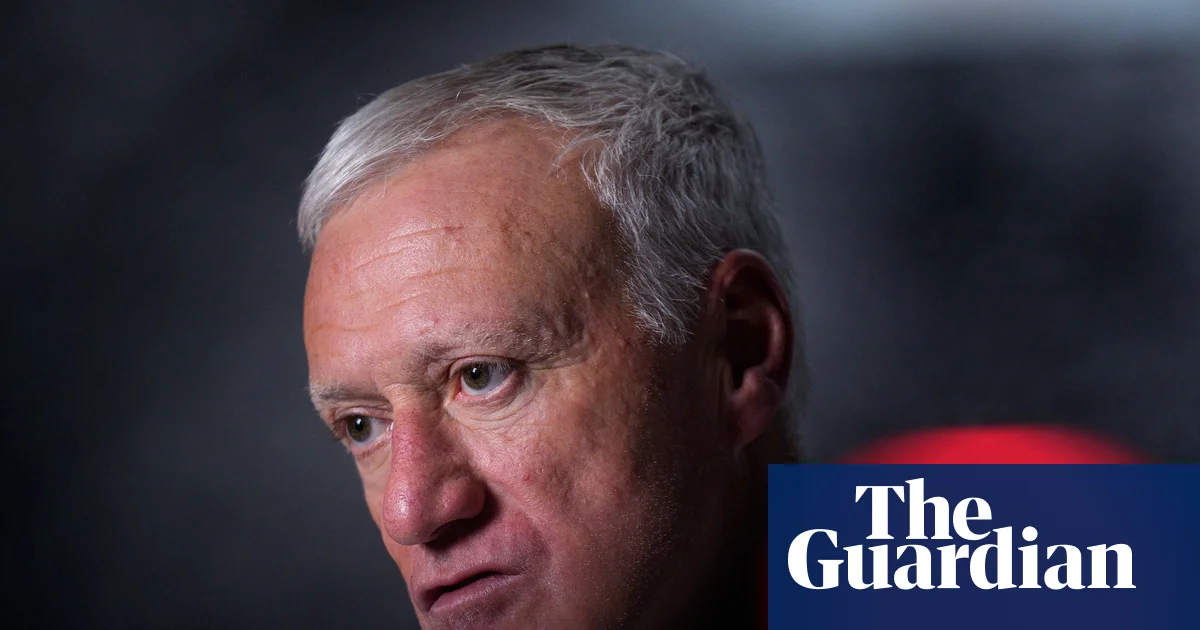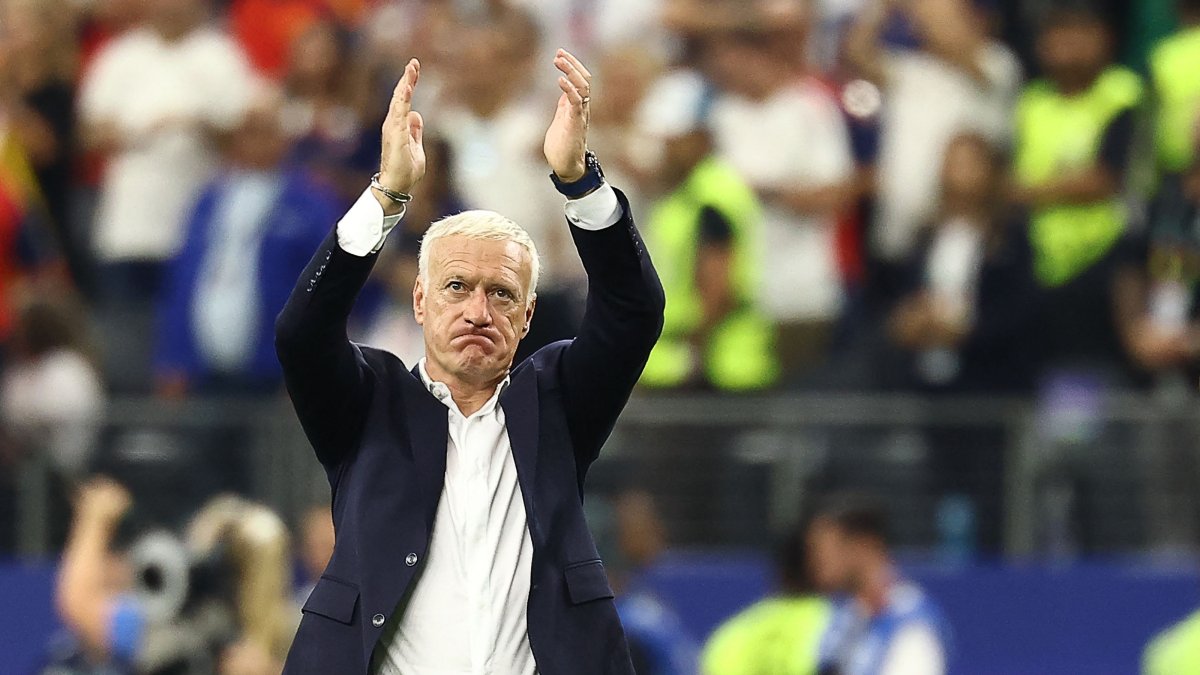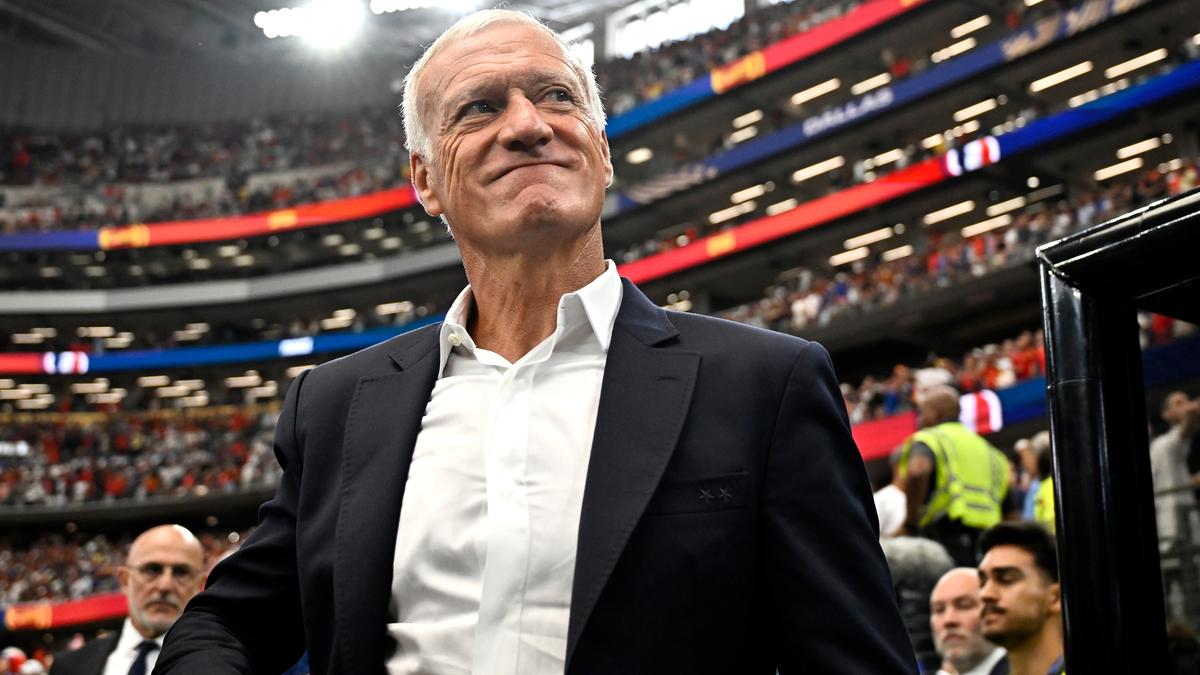
Dynasties rarely end with a bang. More often, they fade quietly, leaving only numbers and memories to tell the story.Didier Deschamps departs the France dugout after 187 matches in charge, having won 122 of them, drawn 32 and lost only 33 — a remarkable 65.2% win rate. But statistics alone cannot explain his tenure.Restoring credibilityHe inherited a national team weighed down by embarrassment and disappointment when he succeeded Laurent Blanc in 2012. The side was still scarred by one of the darkest episodes in its footballing history. The disastrous 2010 World Cup campaign in South Africa had descended into chaos, culminating in the players’ infamous ‘mutiny’ against erstwhile manager Raymond Domenech. Blanc’s subsequent two-year spell did little to erase that stain.Deschamps’ first task was to restore France’s credibility. Fourteen years later, he walks away having delivered far more than most dared to expect, leaving behind a side that measures tournaments not by qualification, but by how far it goes.The blueprint for Deschamps’ managerial philosophy was obvious to those who watched him play.ALSO READ | Spain refines its style, rekindles winning spree with World Cup winFrom Nantes, Marseille and Juventus to the French national team, Deschamps captained almost every side he represented. Leadership came naturally, but so did another conviction that would shape his managerial career: an organised team will almost always outperform a collection of outstanding individuals. Yes, talent mattered. But the collective mattered more.As a player, Deschamps made his name as a defensive midfielder whose greatest gifts were discipline, intelligence and relentless industry. His job was simple — recover possession and move the ball to those capable of creating something extraordinary. Eric Cantona’s famous nickname for him, ‘the water-carrier’, was less than complimentary. But it perfectly captured Deschamps’ willingness to sacrifice personal glory for the team’s success.Scaling the peak: Under Deschamps, France reached the last four at the World Cup in three successive editions, lifting the trophy in 2018.
Didier Deschamps’ France legacy explained: How he rebuilt FIFA World Cup-winning Les Bleus into a football powerhouse
Didier Deschamps ends his 14-year reign as France manager after transforming Les Bleus into one of world football’s most consistent teams. From restoring credibility after the 2010 crisis to winning the 2018 FIFA World Cup and reaching multiple major tournament finals, his legacy is defined by discipline, pragmatism and sustained excellence.
1,205 words~5 min read