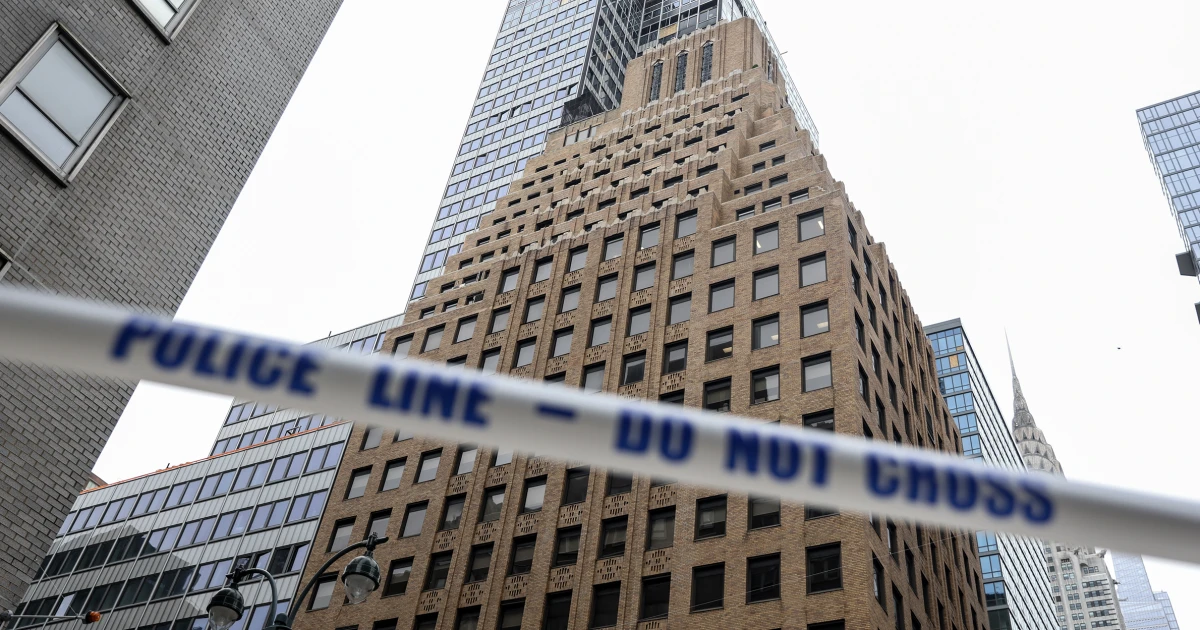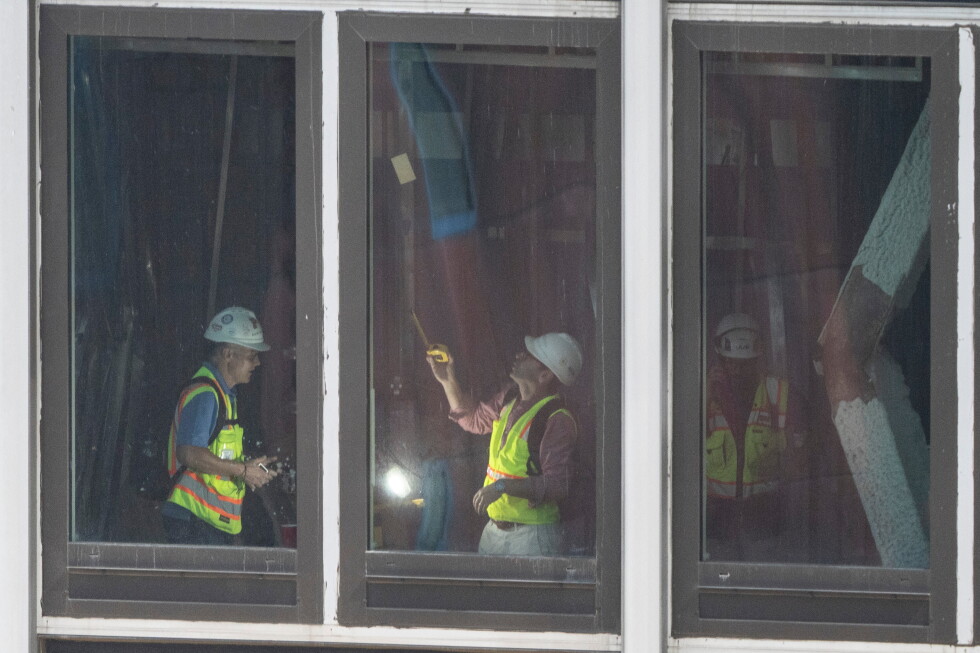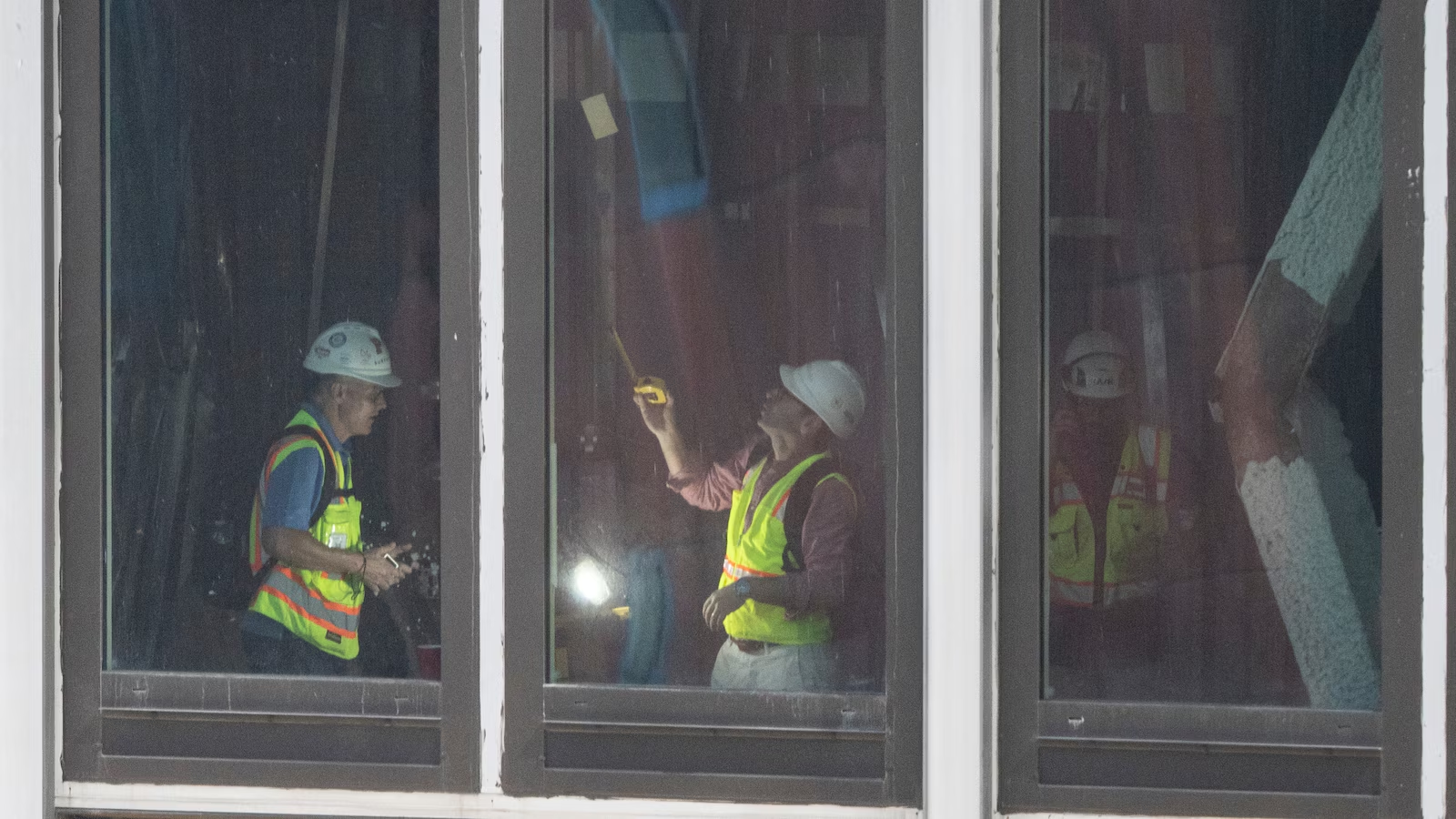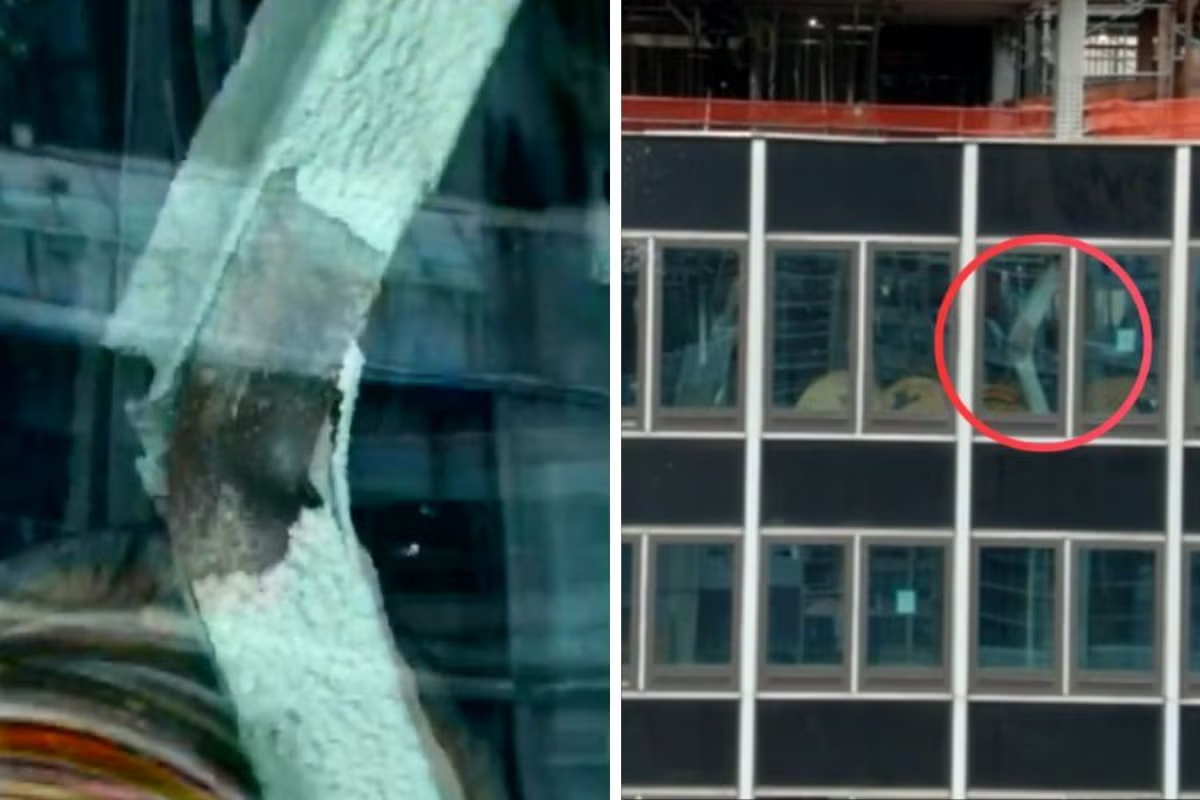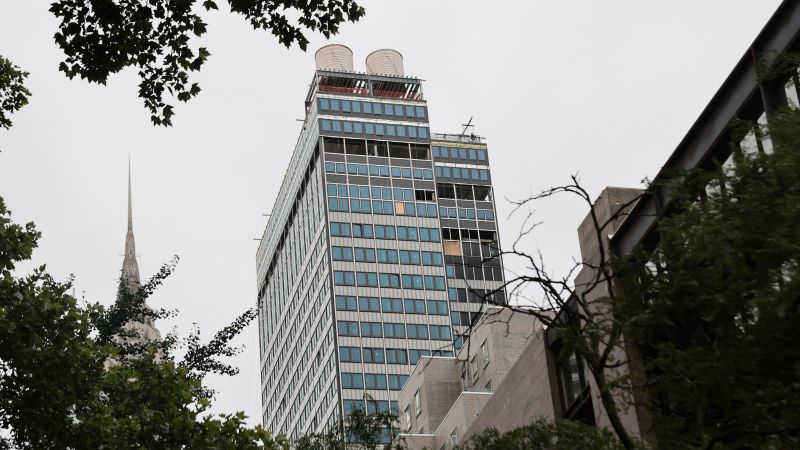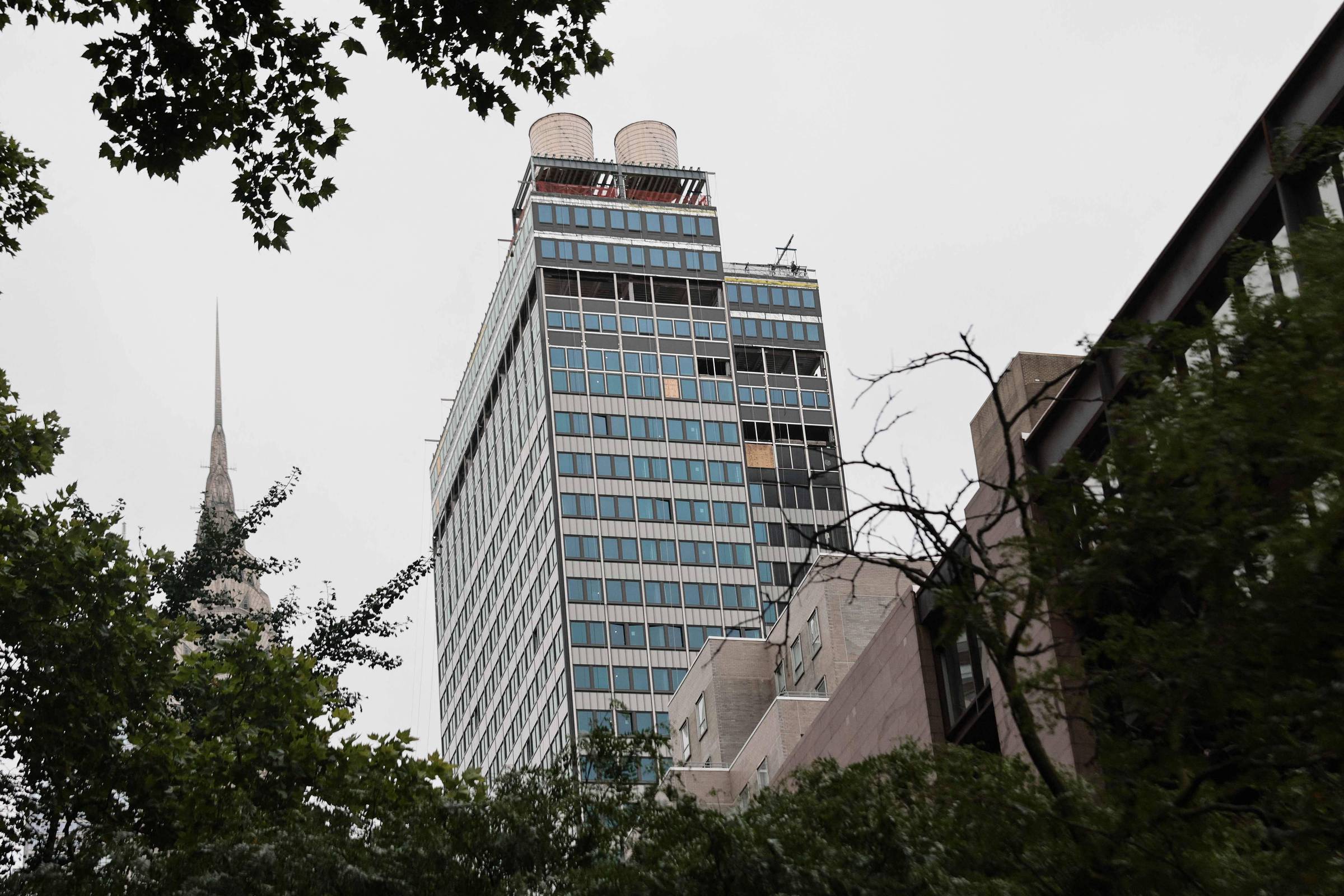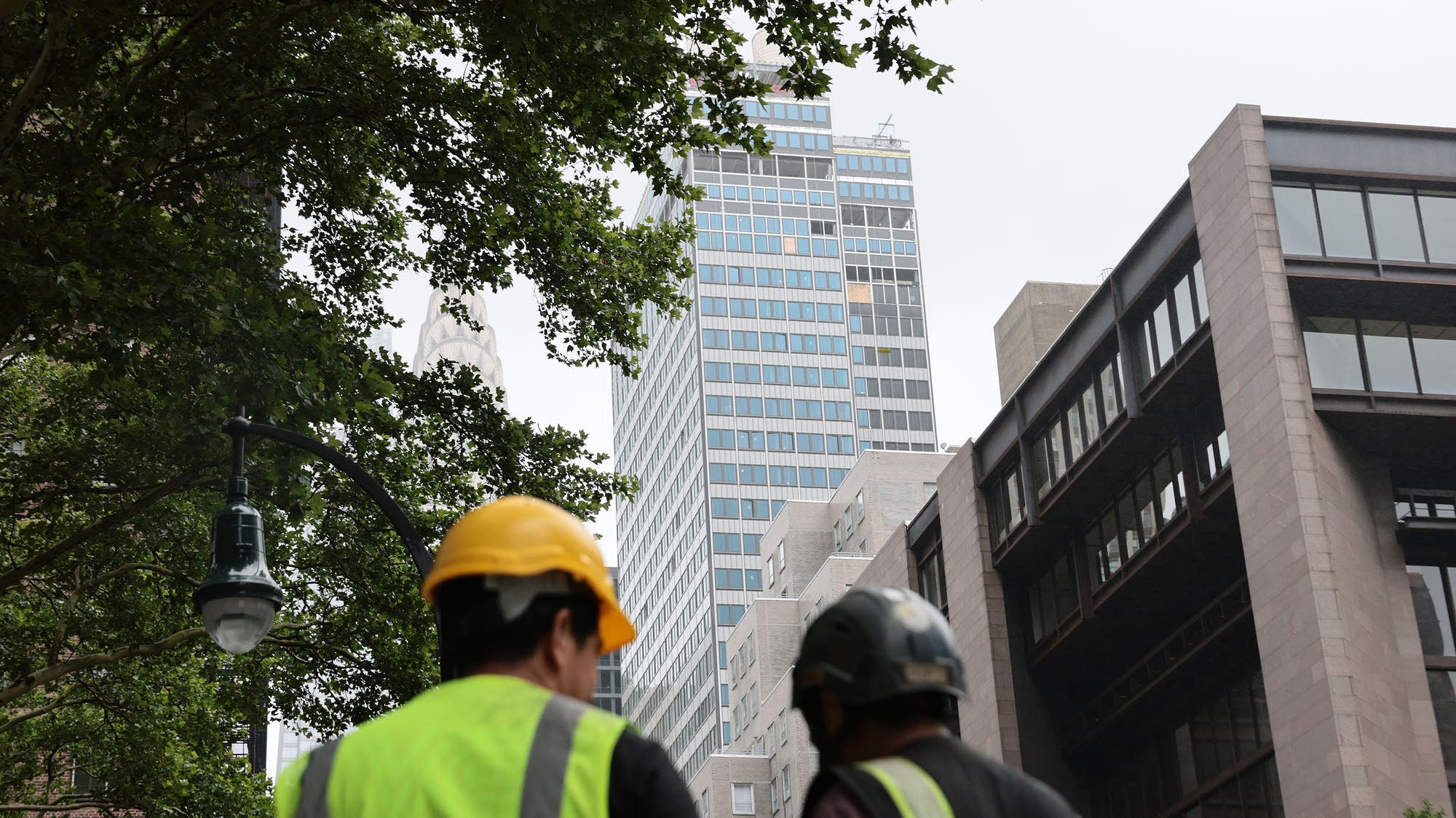
Above, a "vacate" notice was displayed on a door inside a church across from the former Pfizer headquarters in Manhattan on July 8.Spencer Platt/Getty ImagesRecently, support beams in the former Pfizer building in Midtown Manhattan, which is being converted into apartments, buckled under the weight of a major 10-story addition. Multiple surrounding buildings were evacuated. The building has since been deemed “safe and stable,” but the event raises questions and greater scrutiny about the practice of converting office buildings to residential units.Lots of cities are eyeing their empty office space as a way to create more housing supply — housing supply that’s desperately needed. Office-to-apartment conversions are up at least 28% from last year, according to a report out earlier this year from RentCafe. For more on how these office conversions have been going in New York and what lessons other cities can learn from New York's process, “Marketplace Morning Report” host Kimberly Adams spoke with New York City Comptroller Mark Levine. The following is an edited transcript of their conversation.Kimberly Adams: Overall, how has the office-to-residential conversion in New York been going so far?Mark Levine: Well, look, we're in the midst of the worst housing affordability crisis in New York City history, and the office-to-residential conversions have been one of the big bright spots, solving a problem for the city. We have tens of millions of square feet of vacant office space, especially in Midtown Manhattan, coming out of the pandemic. But also leading to something positive, which is adding to our supply of housing and supply of affordable housing. It is alarming to see what's happened at the former Pfizer building, and I'm very much hoping it doesn't derail what has otherwise been a real success story for New York City.Adams: What do you think it's going to take to restore folks' confidence?Levine: So I think we have to both point to a solution to whatever went wrong here and remind people that we overall have a really strong record of safety in construction in New York City, and we have a very robust building code.Adams: You know, a fiscal analysis was done on these conversions last year under your predecessor, looking at the cost of the tax incentives that can make these projects work. Is it your take that the numbers back the strategy?Levine: Yes, actually, I do. These are big, complicated projects. To make it work, they needed a tax incentive, and the proposition was, well, if these things just sit vacant as empty office buildings, it's not good for our economy. It's not good for our tax base, and so we are giving people a break on the property tax because this incentivized construction that wouldn't otherwise take place. And as a condition of that, Kimberly, we are requiring that 25% of the units be permanently affordable. And so, in these neighborhoods of Midtown Manhattan, which otherwise would be very, very expensive for people to live, we're now going to get thousands of affordable units, and that's all because of this tax program.Adams: What lessons do you think that other cities can take from New York's experience thus far with these conversions?Levine: Look, I think probably every downtown in America is struggling right now, coming out of the pandemic. We've all got to figure this out, and I think that there is a win-win here, where we can solve the problem of vacant office space and solve the problem of lack of housing. It's going to require flexibility because these are complicated projects. The engineering's tough; these were not built to be apartments. The cities that are doing this, I think, are reaping the rewards. And then what you get is a vibrant 24-hour community that ends up being better for the office space that remains. And in fact, what you're seeing in Midtown is that the newer Class A office buildings are renting like gangbusters. So this also, in the end, could help save what office space remains.
What the near collapse of NYC's Pfizer building means for office conversions
Converting unused office buildings into apartments or condos could ease the housing supply. But after a high-profile engineering failure, will people want to move in?
664 words~3 min read