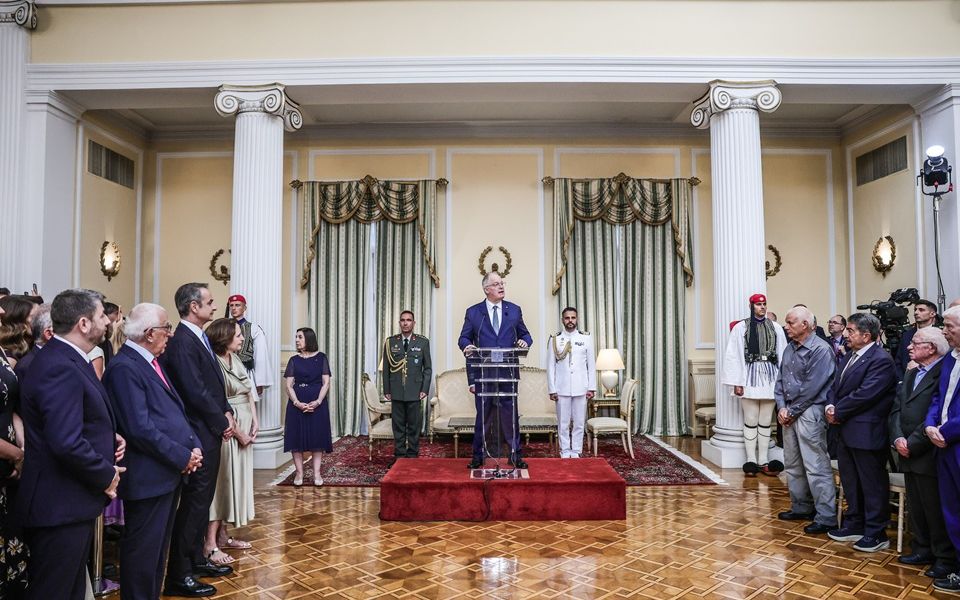
Seldom does the anniversary of a defining moment in history bear such relevance for the present as today’s 52nd anniversary of the restoration of democracy in Greece.
We must not only remember what led to this day and to Konstantinos Karamanlis’ return from self-imposed exile in Paris – the military coup of 1967 and all that preceded and followed it, climaxing in the bloody suppression of the Polytechnic uprising and the Turkish invasion of Cyprus. We must also compare Greece then and now, and the global situation in 1974 and 2026.
A half-century ago, very few would have believed that in a few years Greece would become part of Europe’s unification project, that we would enjoy the longest period of stability and prosperity in our history. Most would have expected difficult relations with neighbors (mainly Turkey) to continue, along with testy ties with our allies (the United States and, again, Turkey), political division, economic hardship with high inflation, and the threat of another crisis always hovering over us.
In the years that followed, Greece managed to achieve the most optimistic scenario, but also to repeat many failings of the past, with heavy consequences.
Today’s anniversary has additional importance: It is the last one before the next national elections. According to polls, New Democracy will probably win the most votes but not enough to form a government on its own. The opposition parties, meanwhile, have declared they will not enter a coalition with ND. This could mean a lack of government for an indeterminate period – at a time that looks a lot more like 1974 than we would have expected to see again.