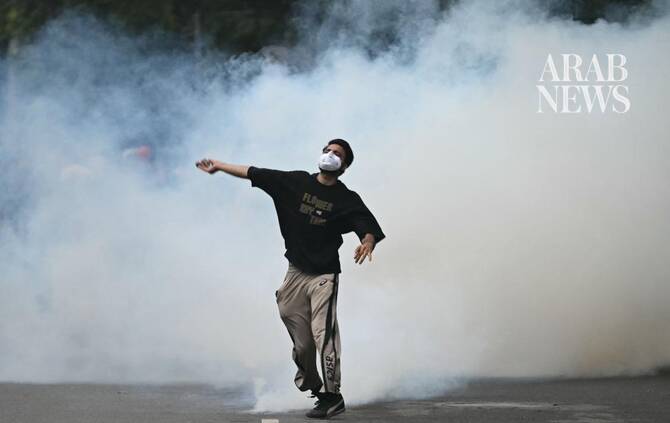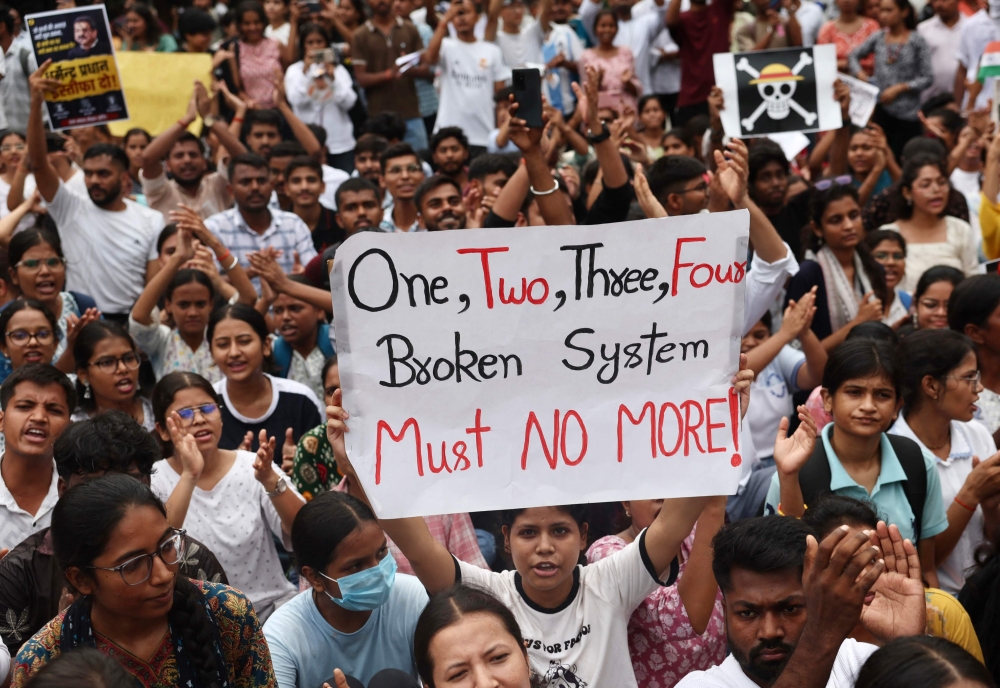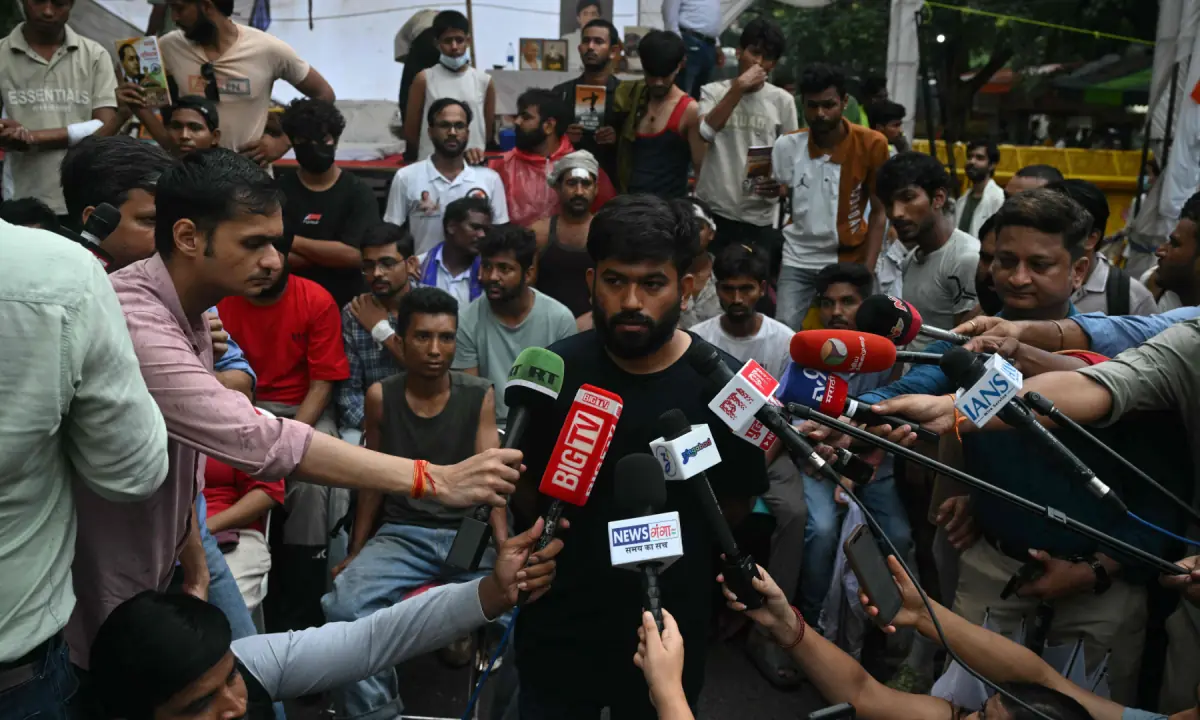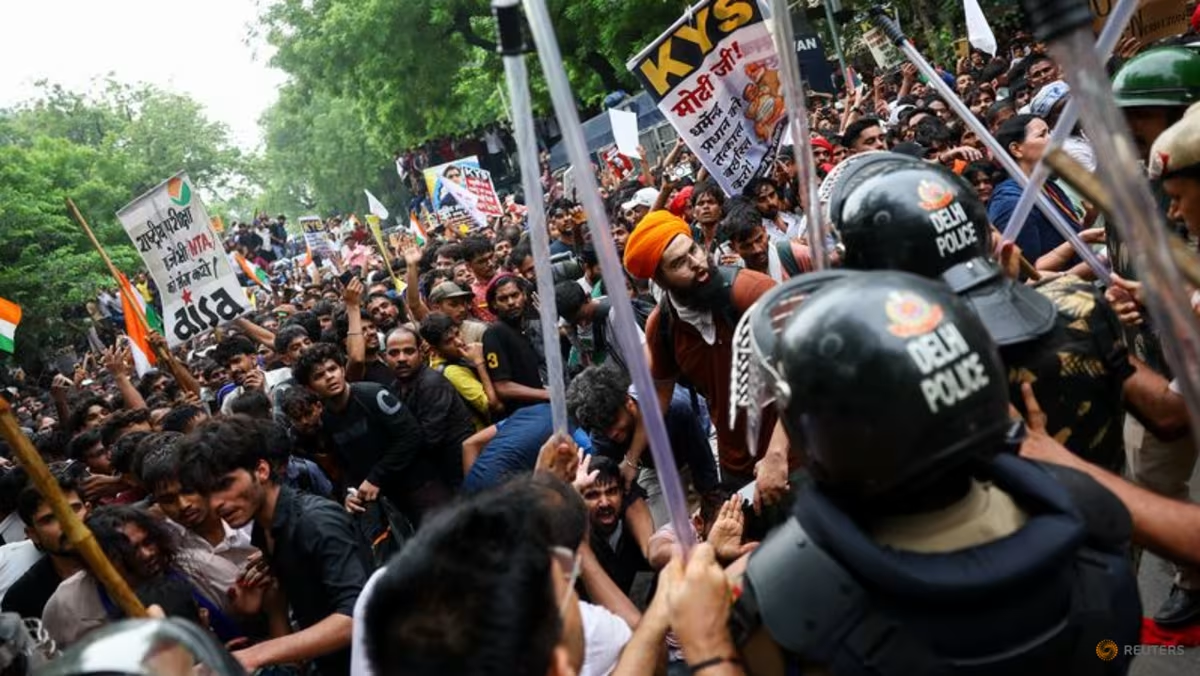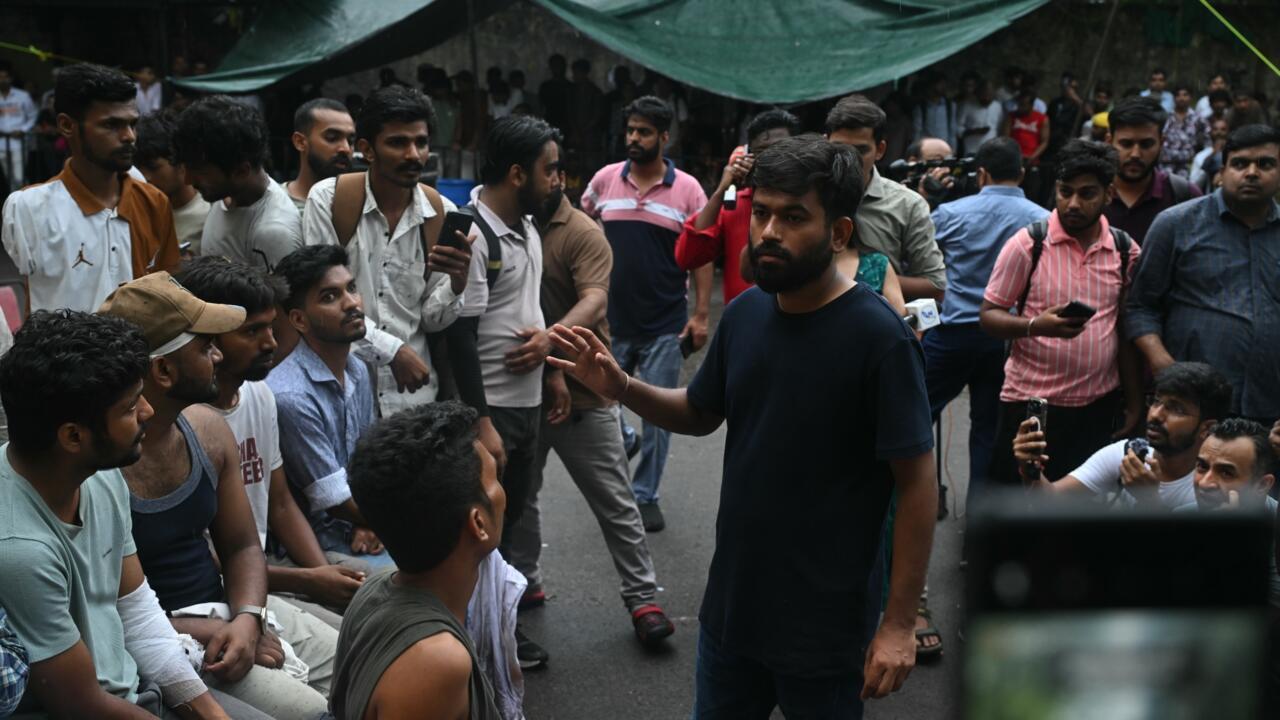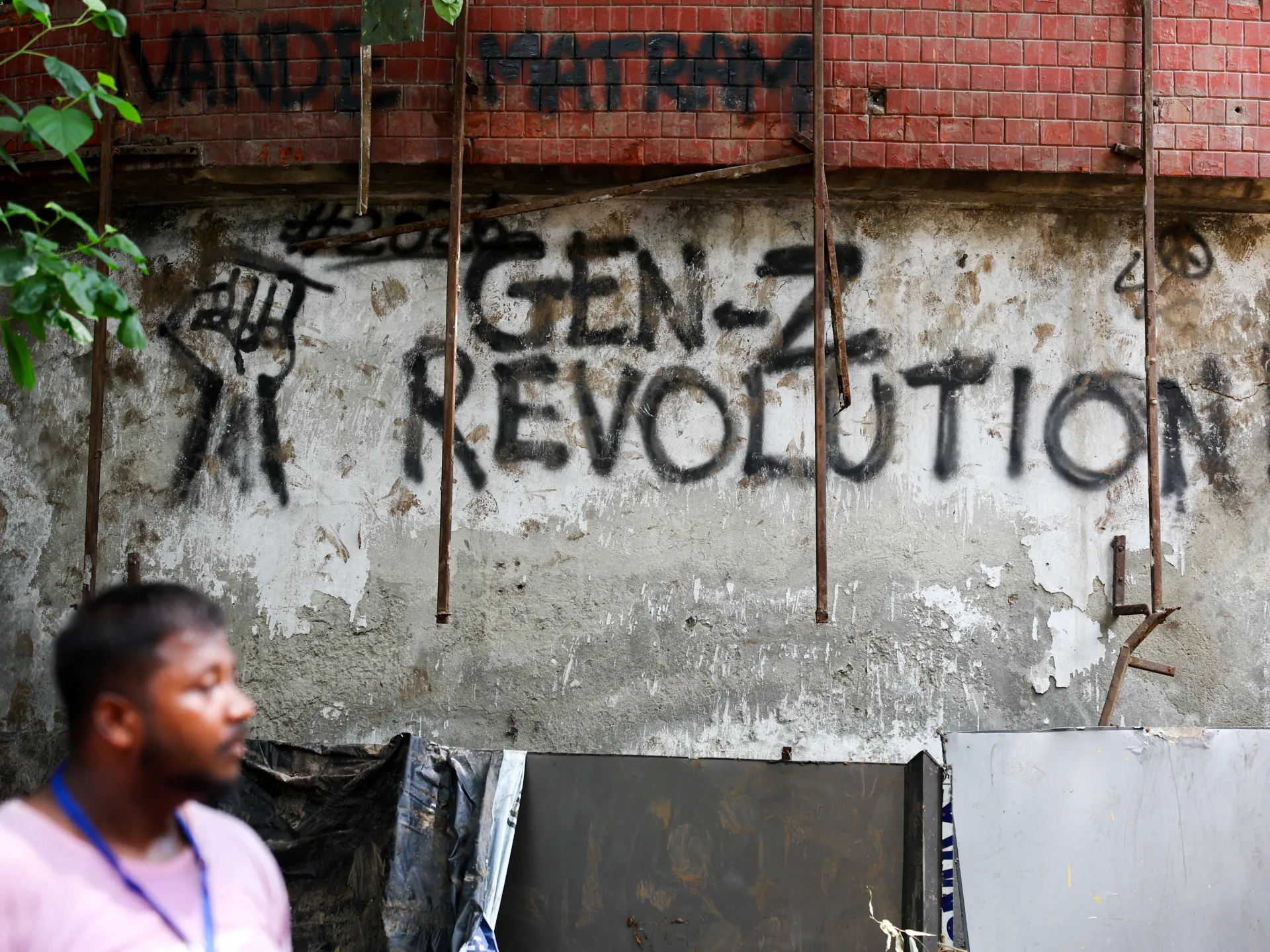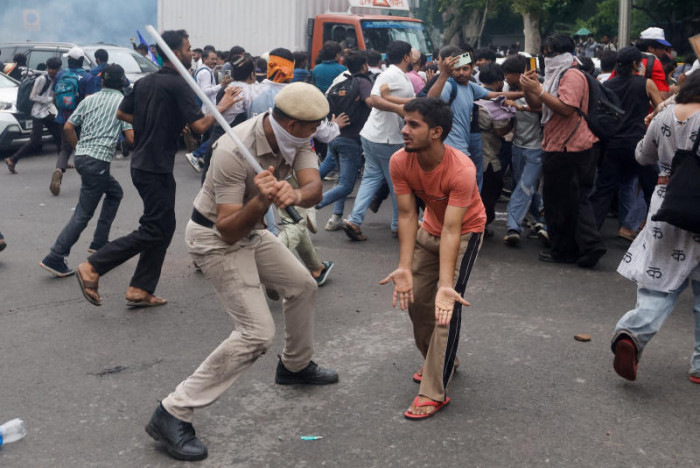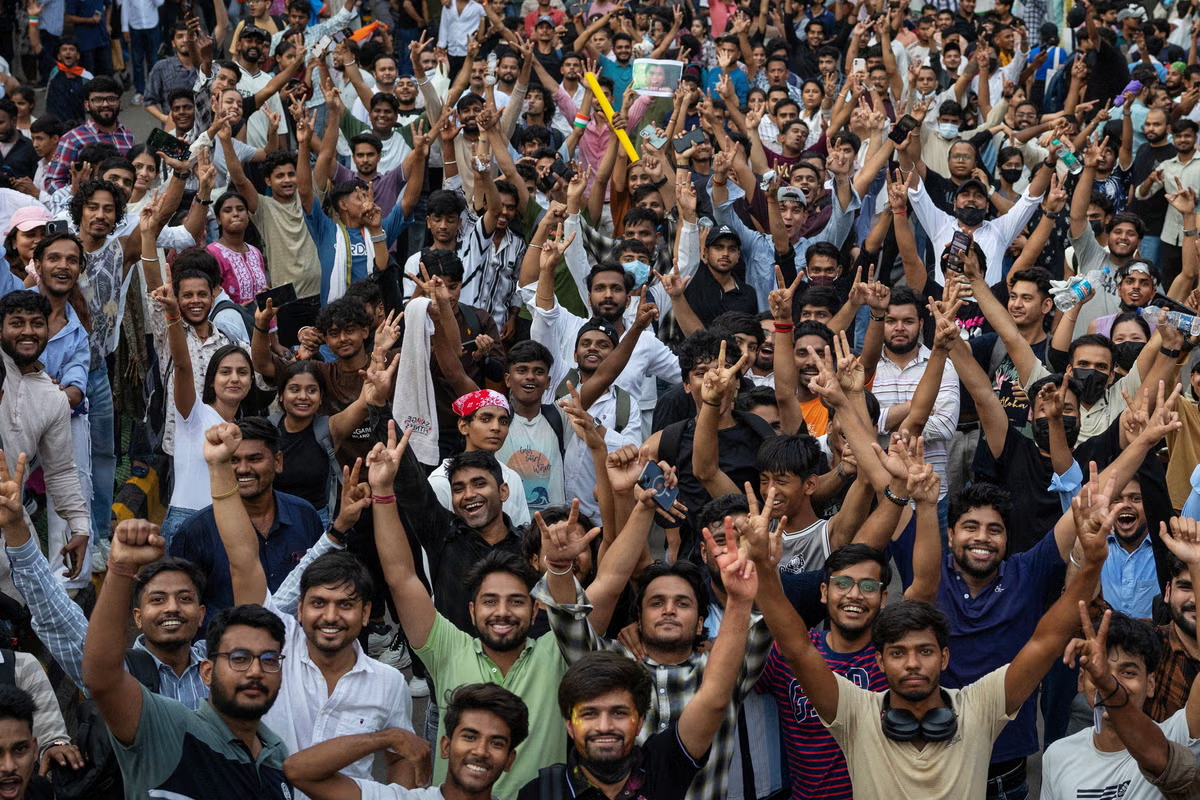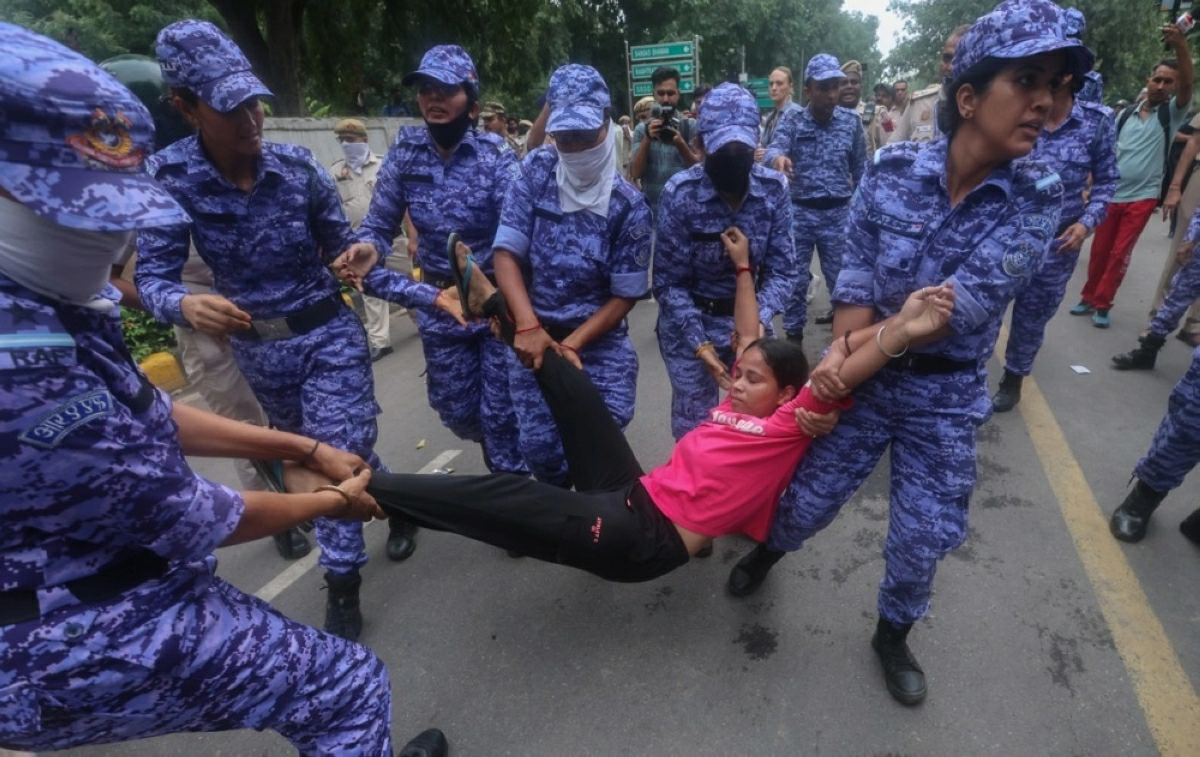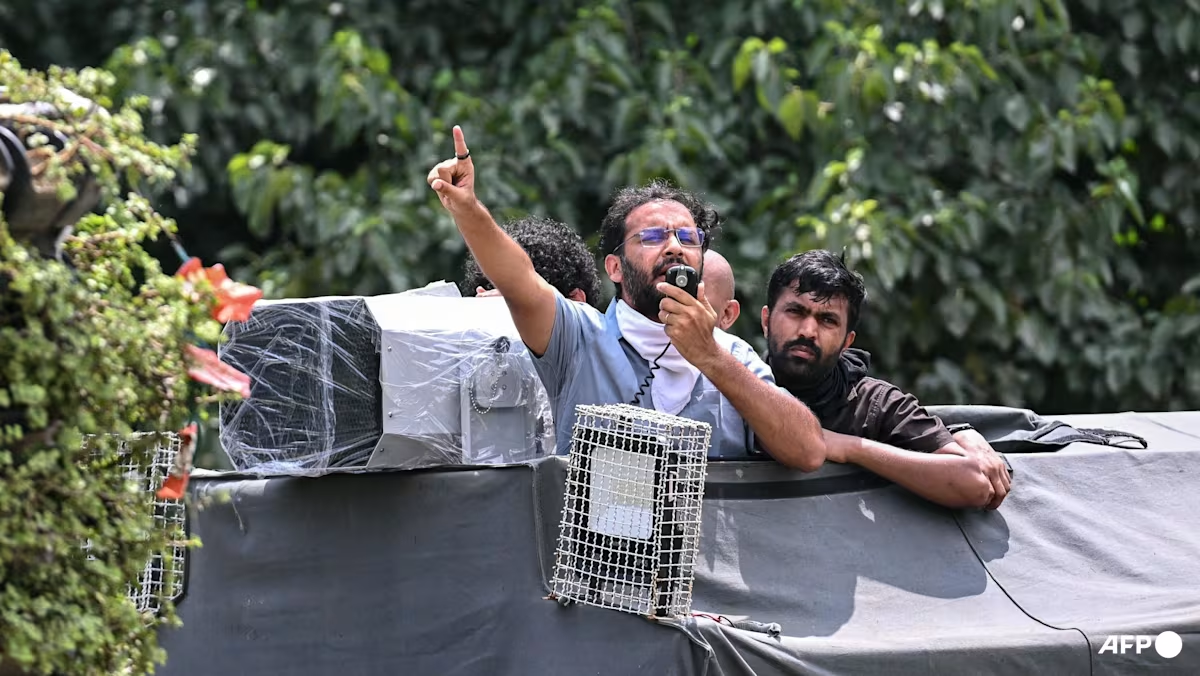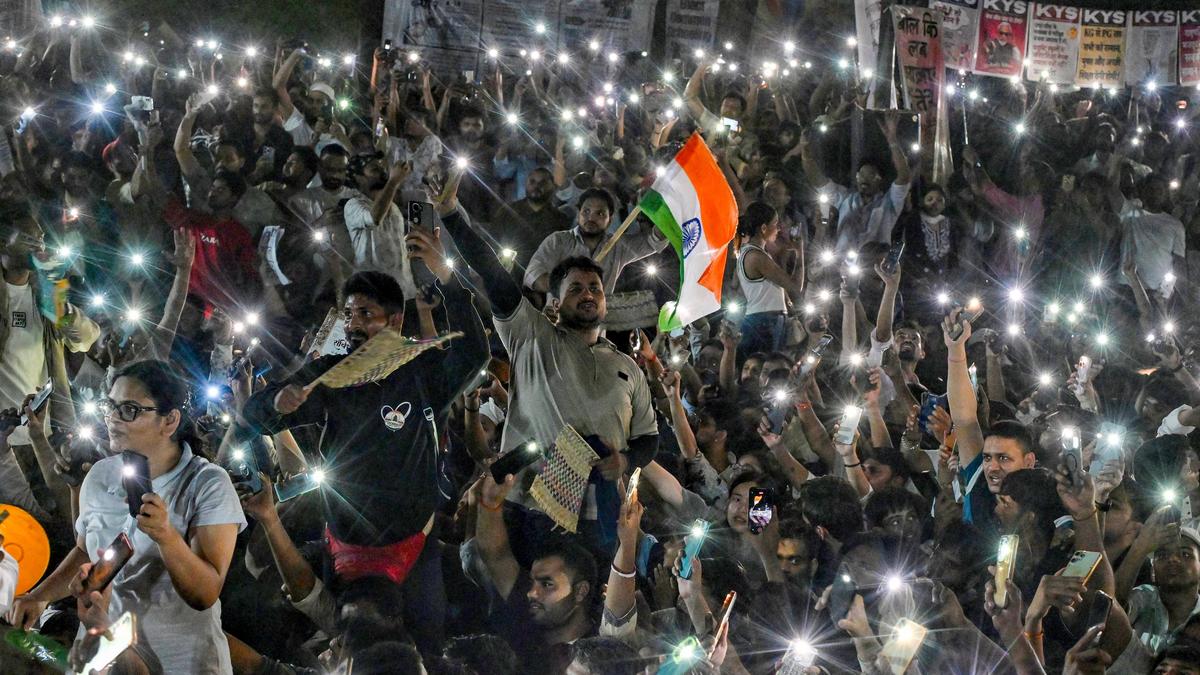
Lathis, tear gas, and even pellet guns did not stop them. On July 23, three days after thousands of people, mostly students, were targeted by security forces, many of them returned yet again to Jantar Mantar, New Delhi’s designated protest site, demanding the resignation of the Union Minister of Education, Dharmendra Pradhan. Their chants rang out across the protest site, “Sharam karo, sharam karo; Dharmendra Pradhan isteefa do (Have shame and resign, Dharmendra Pradhan).”Among the sea of protesters gathered, a group of them, mainly supporters of the Cockroach Janta Party (CJP), has remained at the site for 34 days. The CJP was founded by Abhijeet Dipke as an online satirical response to remarks by the Chief Justice of India, who referred to unemployed youth as “cockroaches”.By 5 p.m., much like the previous two days, the area was packed. It had transformed into a high-security zone, with metal barricades lining the streets and security personnel keeping watch as dense crowds of largely Gen Z protesters — many of them cheeky and defiant — waved flags, raised slogans, and recorded the proceedings on their phones. Posters read, ‘RIP democracy’ and ‘Paper leak? Modi hai to mumkin hai (Paper leak? It is possible if Narendra Modi is around)’.Preeti Mishra, 34, stood out in her orange T-shirt and blue backpack as she carried a cardboard box filled with power banks. She moved between tents at the protest site, distributing them. Mishra, the mother of a two-year-old boy, was also here on July 20, during the Chalo Sansad (March to Parliament) campaign led by the CJP.“We were marching to Parliament. The police were standing at the first two barricades, but did not try to stop us. However, when we reached the barricade near the Parliament Street police station, they suddenly lathi-charged us,” she said. She and many others fell. “I panicked,” she said. “But some strangers formed a circle around me and other women. They moved us to safety.”It was only when she went back home that night and scrolled through her Instagram feed that she found hundreds of similar stories, many worse than hers. There were videos showing people in plain clothes tripping protesters, striking women with batons, and a police officer in uniform slapping a woman protester. Moved by what she saw, Mishra crowd-sourced ₹40,000 from friends and family to buy 40 power banks, which she distributed across the site, so that protesters could continue staying in touch.The CJP protests, led by the youth, has become one of India’s largest student mobilisations in years. Its trigger was the leak of the National Eligibility-cum-Entrance Test (NEET) paper for medical college admissions in May, which affected over 22 lakh students. Many feared they would not get another chance to take the exam due to financial constraints. This pushed a generation of angry youth onto the streets of Delhi.Though the current protest started on June 20, it gained momentum when activist Sonam Wangchuk sat on an indefinite hunger strike from June 28. It received another shot in the arm when Wangchuk was forcibly removed from the protest site by security forces on July 18, ahead of the call for the Parliament March. The CJP movement has since spread across cities in India, with protesters in Bengaluru, Chennai, Mumbai, Patna, Kochi, Kolkata, Guwahati and elsewhere demanding that Pradhan resign, the families of the students who killed themselves over the paper leak be compensated, and that no FIRs be filed against protesters.From crackdown to comebackGiven the crackdown on protesters on July 20 in Delhi, followed by security forces pulling down tents, dismantling parts of the main protest stage, and nearly clearing the site, many thought it would be difficult for the movement to recover.But videos of police brutality went viral and angered the youth. One 21-year-old woman, who was injured during the protest, required ventilator support. At least two people suffered injuries from pellet guns allegedly fired by personnel of the Rapid Action Force, the specialised anti-riot unit of the Central Reserve Police Force. When fired from close range, pellet guns can cause serious injuries and even prove fatal.While the police are mandated to use minimal force during protests, with warnings at each step, many said this did not happen. The forces also allegedly used shock batons. Meanwhile, the Delhi Police claimed that 118 police officers were injured after protesters attacked them, compared to 60 protesters who sustained injuries. An official communication from the police on July 20 said, “Some segments of the media have mentioned sporadic use of violence/detentions at Jantar Mantar by Delhi Police. It is informed that no such incident has taken place and protest is being handled professionally.”
The ‘cockroaches’ who refuse to crawl away
Nationwide protests led by the Cockroach Janta Party demand education reforms and the resignation of the Union Education Minister.
2,471 words~11 min read