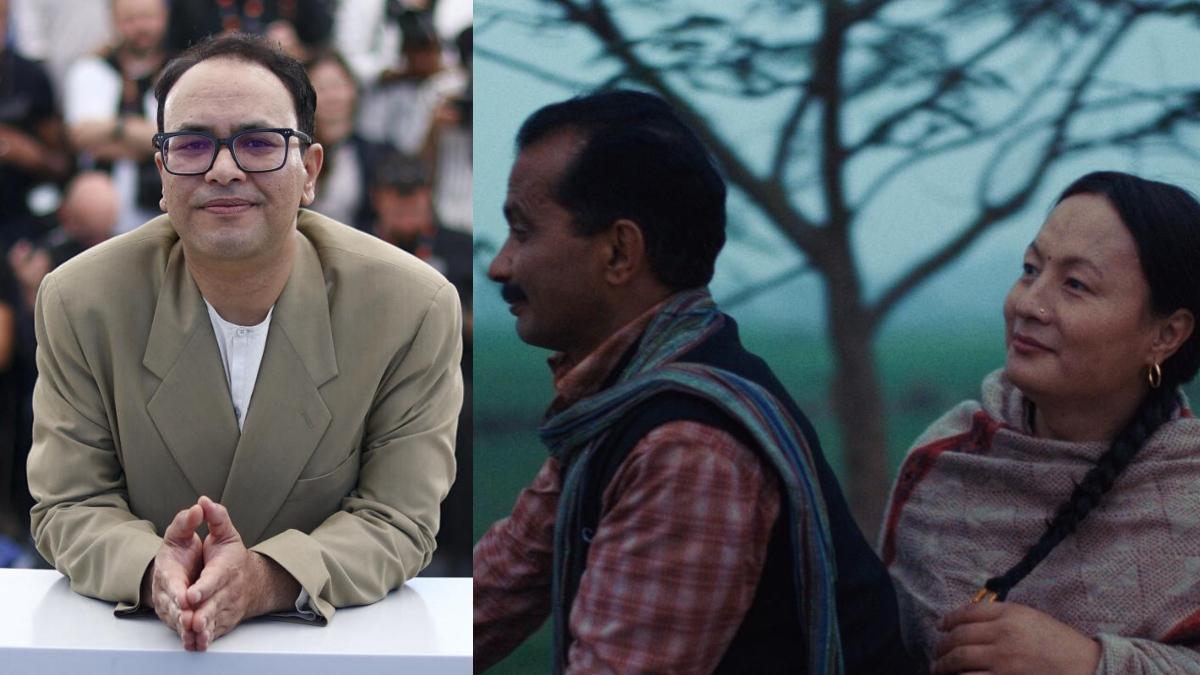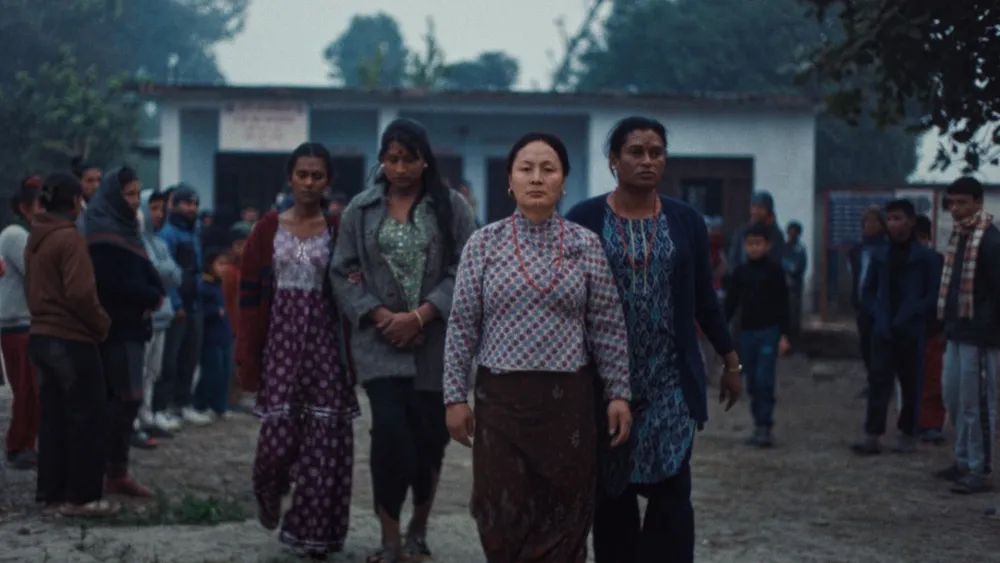
Until last year, Pushpa Thing Lama worked at an LGBTQ advocacy organization in a small western Nepal town, her work known only to a handful of people in the queer community. Today, she is one of the stars of an award-winning film that has become a landmark for Nepalese cinema, and queer Nepalis, on a global stage.
In May, Elephants in the Fog marked a first for the country’s film industry by winning the Un Certain Regard Jury Prize at the Cannes Film Festival. The award was not only a rare win for Nepali cinema but also a defining moment for the country’s growing queer cinema scene and the kinnar community, whose lives have long been pushed to the margins and are now being celebrated on one of the world’s most prominent cultural stages.
“This is not just a movie, this is our life,” Lama, a transgender actor, told Foreign Policy. “It has many similarities with our struggles—the prejudice we face from our families and society and the negative perception toward our community. This film isn’t fiction but a reflection of our lives.”
Kinnars and hijras are a traditionally third gender community in South Asia, though not all transgender, non-binary, and intersex people in the region identify as kinnar. In Nepal, some embrace “kinnar” as a cultural identity, while others prefer transgender or third gender. Kinnars have their roots in Hindu mythology—described in epics such as the Mahabharata and Ramayana—and are seen as celestial figures divinely associated with the arts and culture. They are traditionally invited to bless weddings and births, especially in India and Nepal’s southern regions bordering India, despite continuing to face widespread stigma and discrimination.