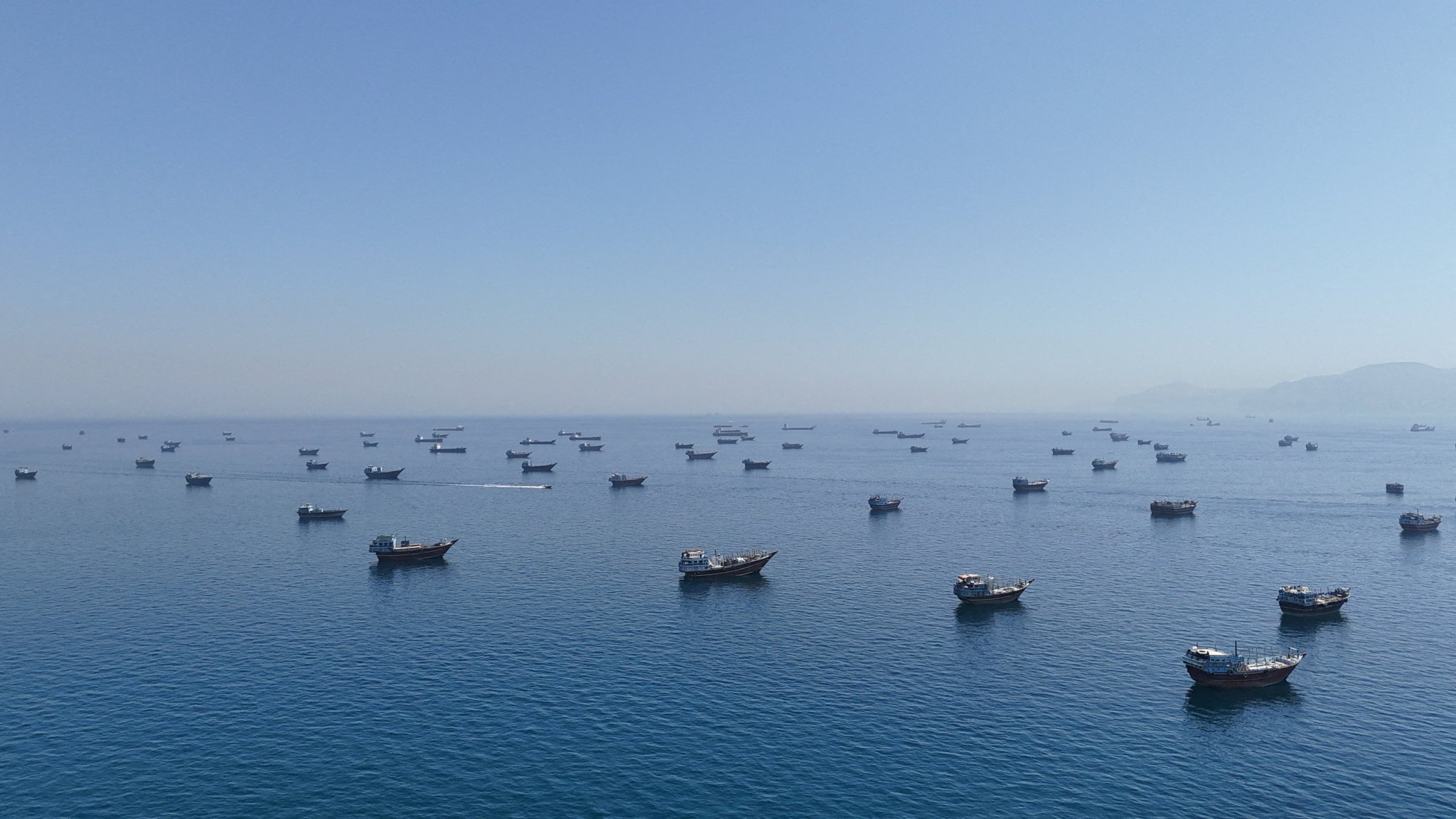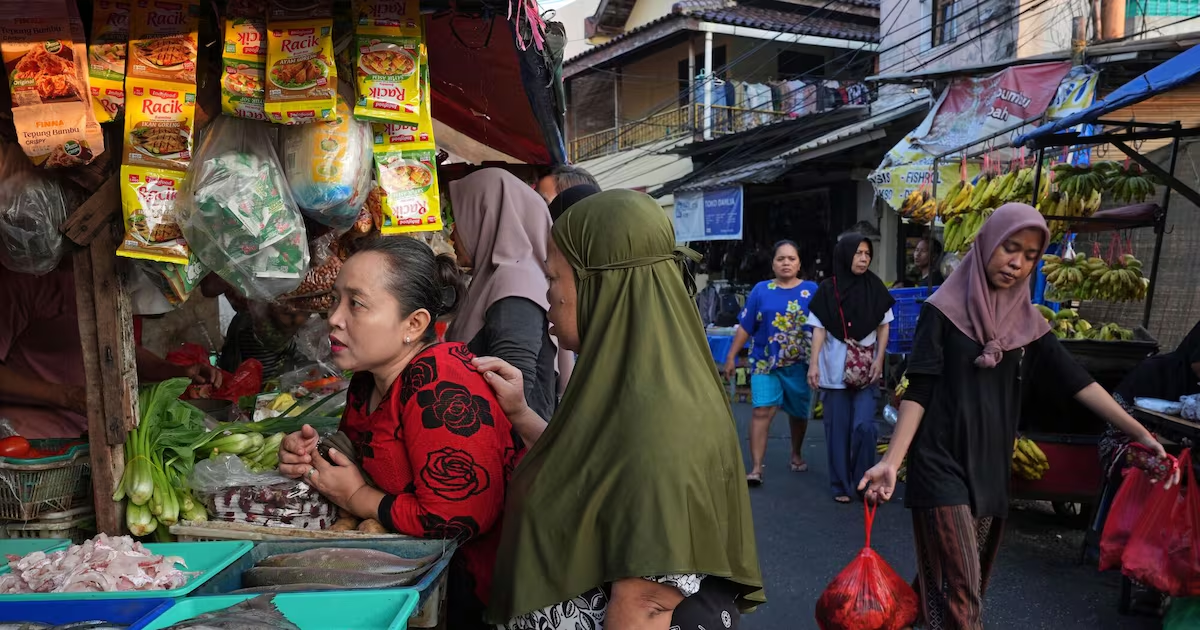
As uncertainty in international markets intensifies due to the war in the Gulf, the World Bank report revises its global growth forecasts downward, warning that 2026 may see the lowest growth rate since the pandemic, while emerging and developing economies face the risk of a “lost decade” of growth.
Kathimerini spoke with Ayhan Kose, a distinguished economist and deputy chief economist at the World Bank, as well as director of the Prospects Group. With many years of experience analyzing the global economy, Kose explains to Kathimerini why the bank’s forecasts have deteriorated in just a few months, how quickly stability could be restored if geopolitical tensions ease, and what reforms are necessary to ensure that the 2030s become a period of stronger growth and job creation.
The World Bank projects global growth to slow from 2.9% in 2025 to 2.5% in 2026, while growth in developing economies is expected to decline from 4.4% to 3.6%. What are the main factors behind this downgrade?
In January 2026, the Bank estimated global GDP growth at 2.7% in 2025 and projected a modest slowdown to 2.6% in 2026, reflecting the gradual fading of supportive factors and the effects of trade tensions. For EMDEs, growth was projected at 4.2% in 2025 and 4% in 2026, a mild deceleration, not a sharp break.