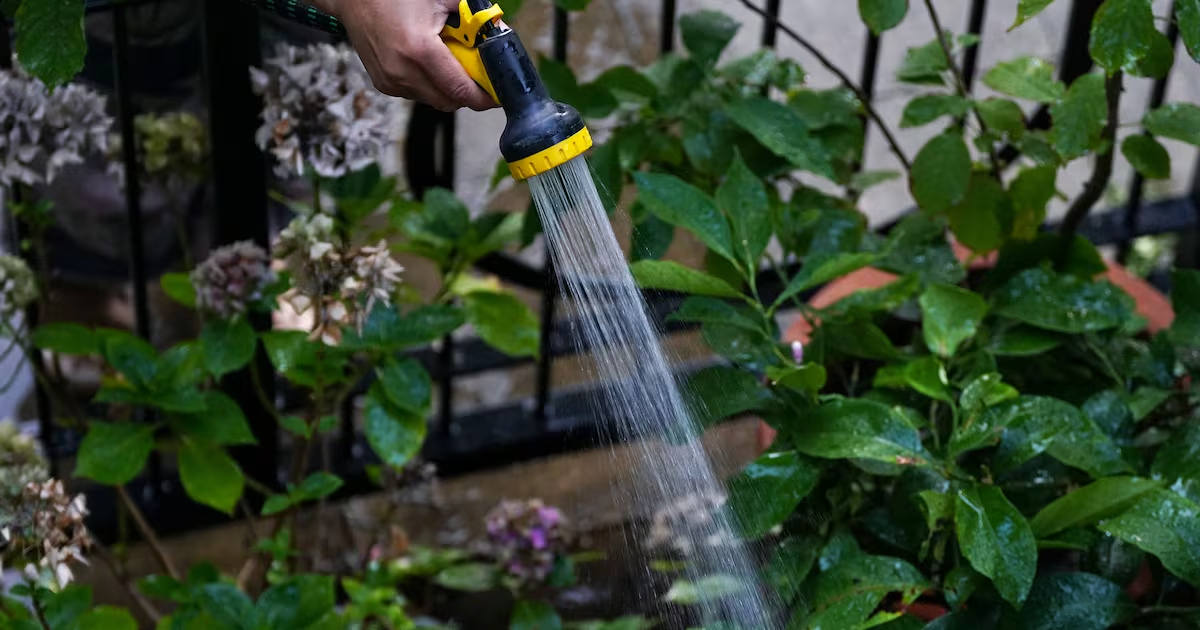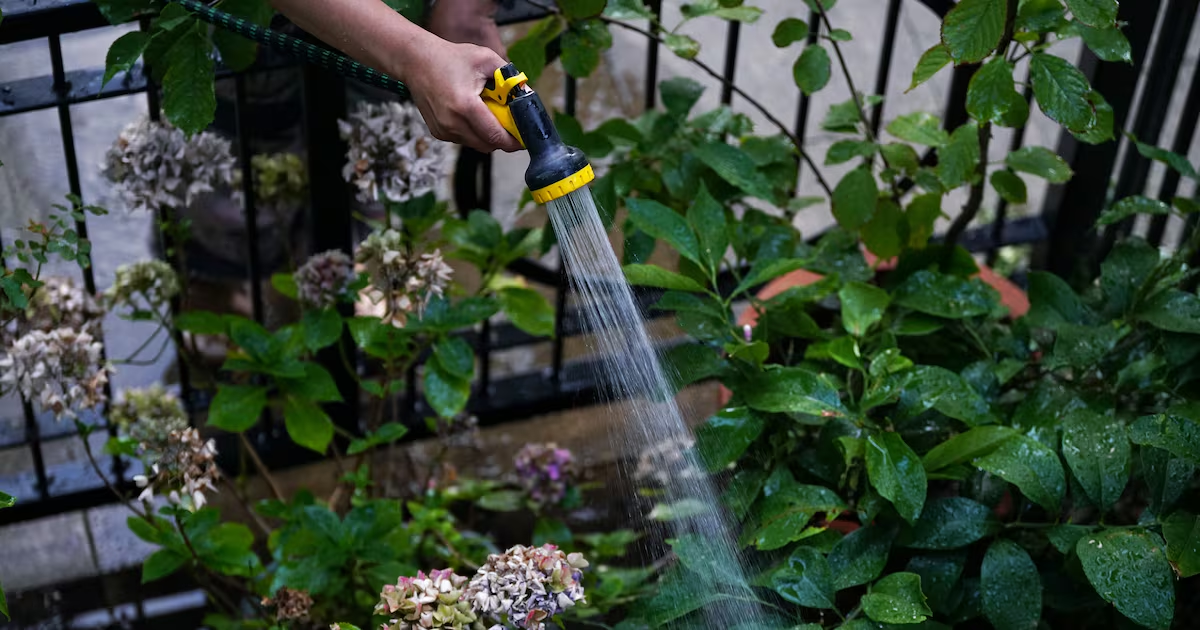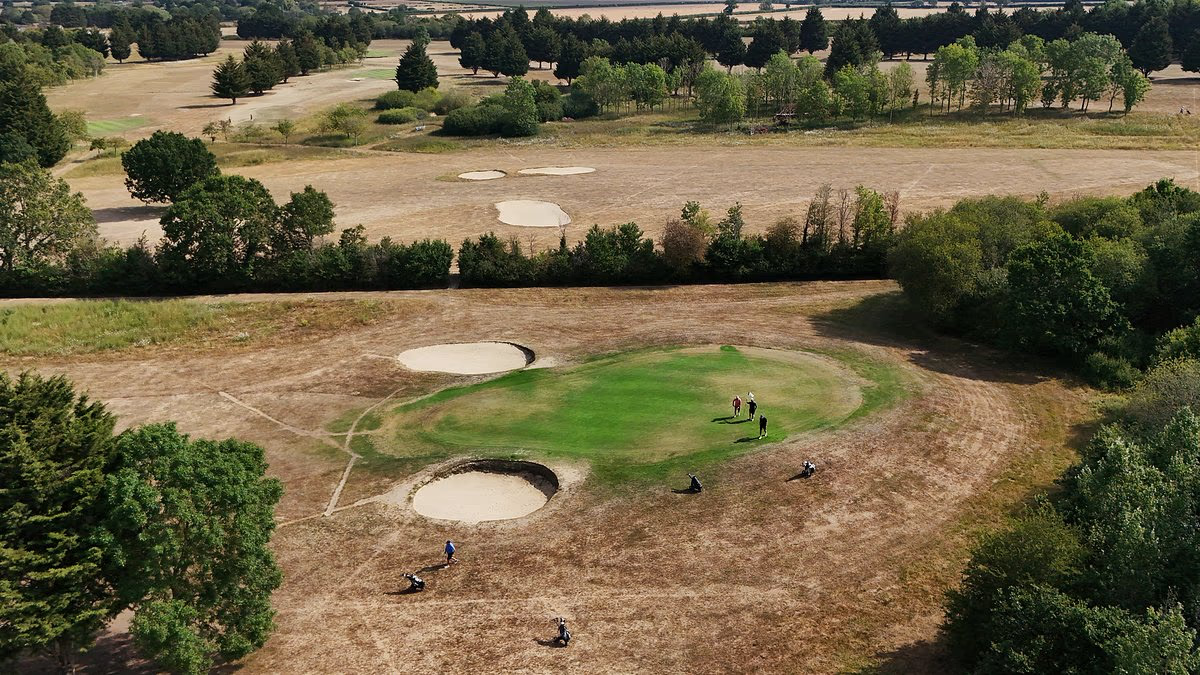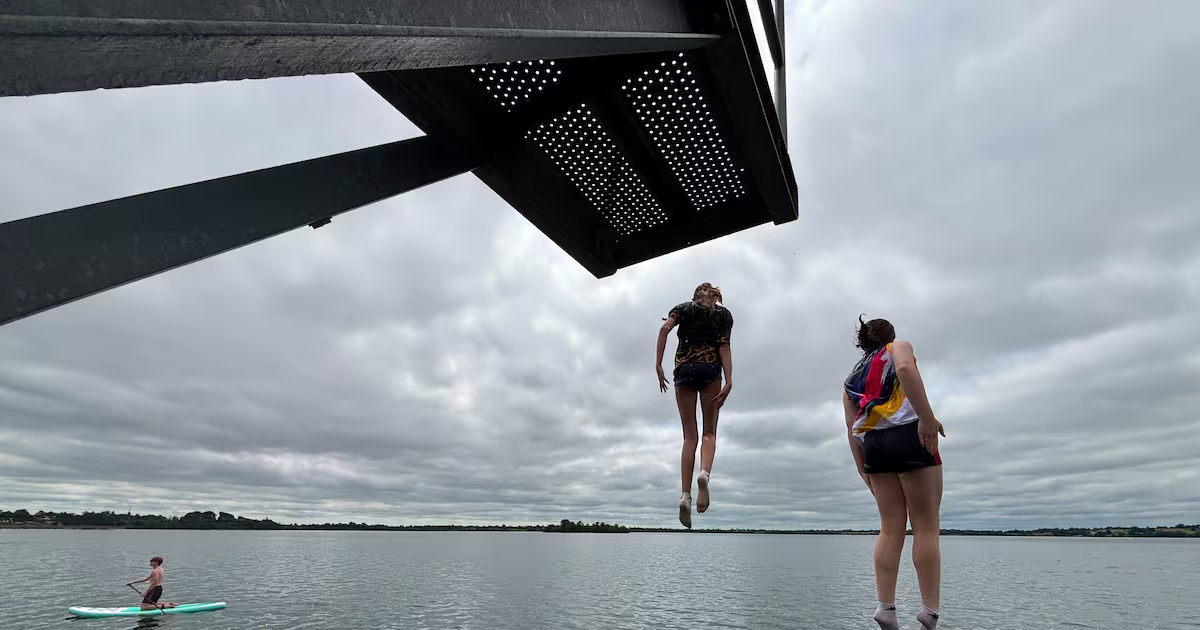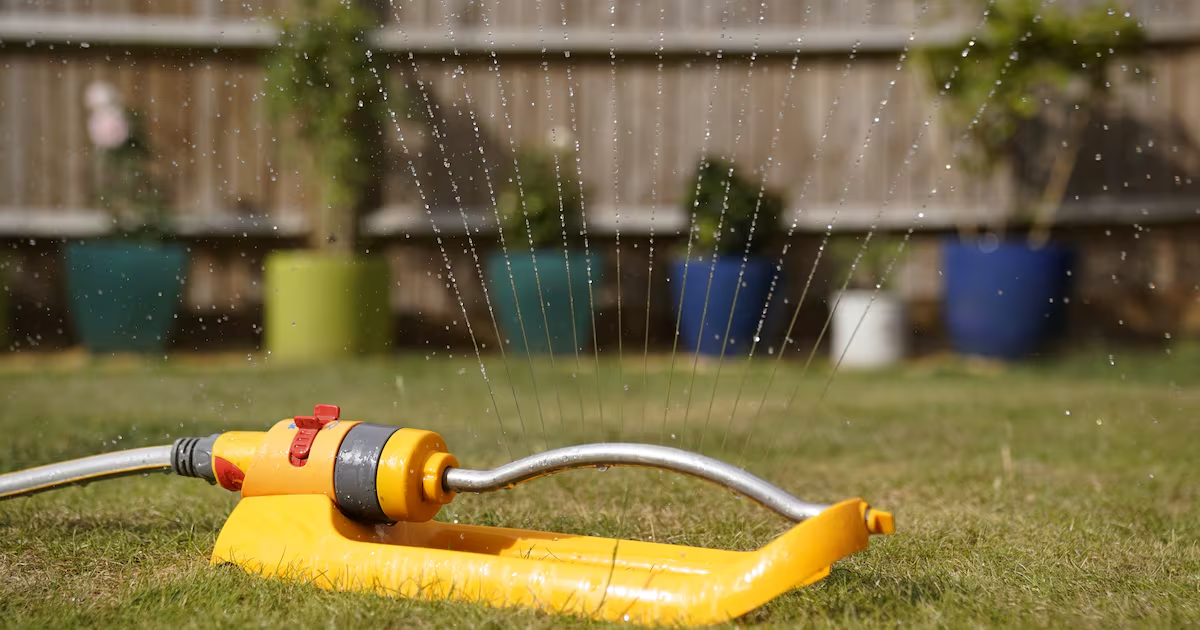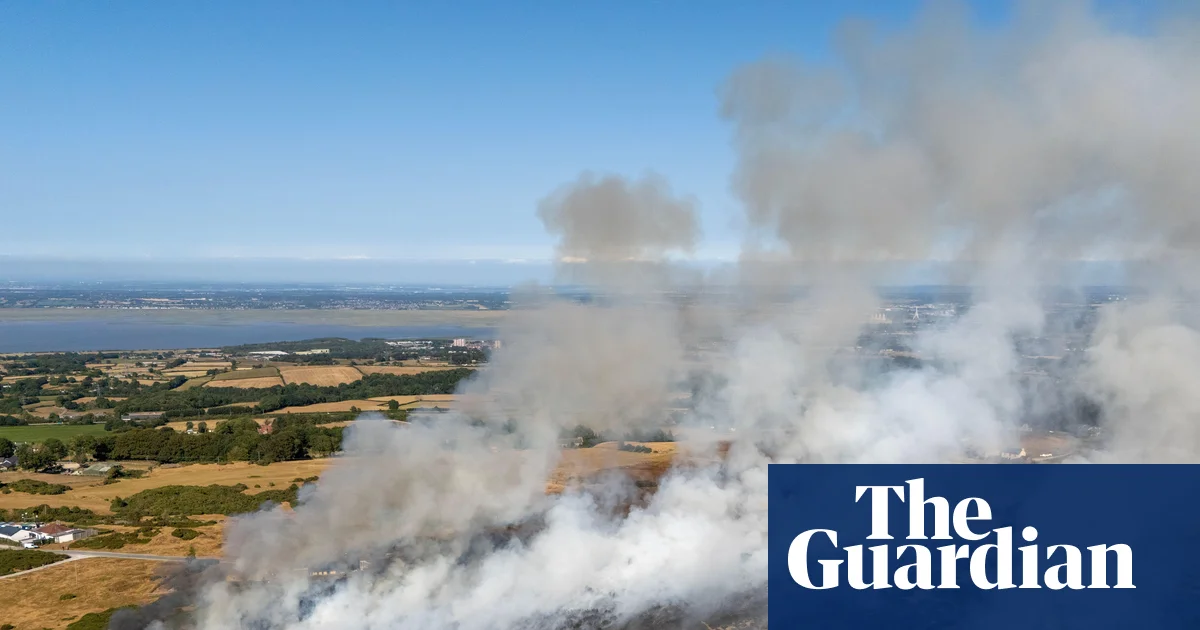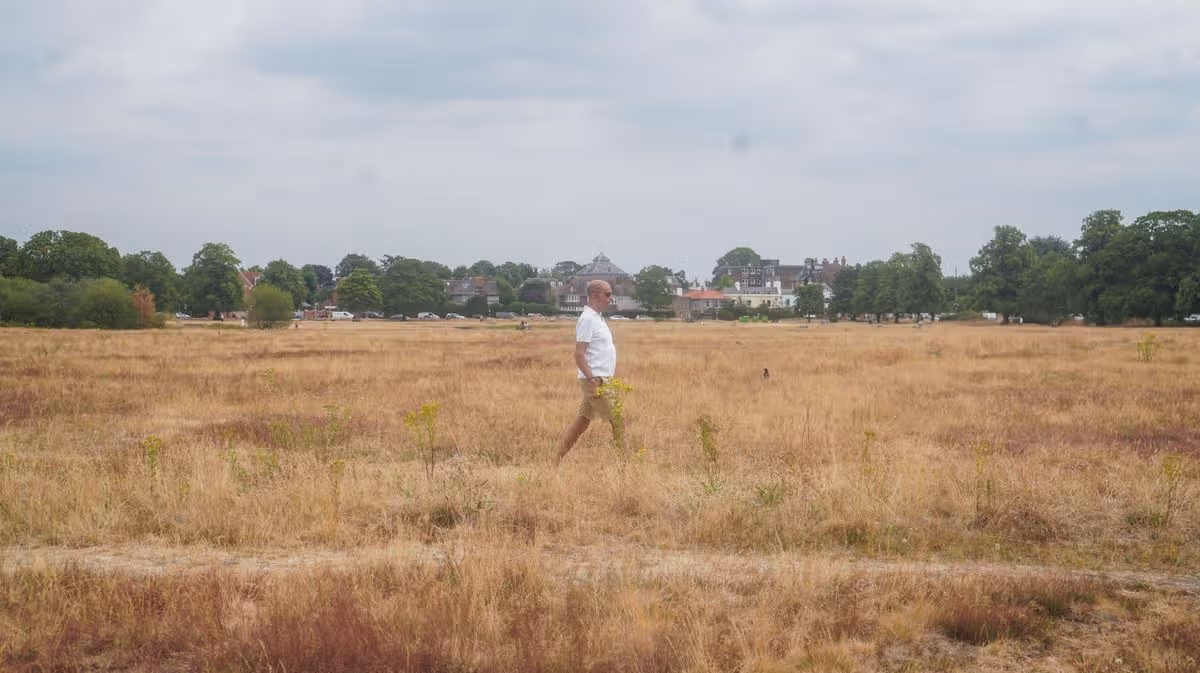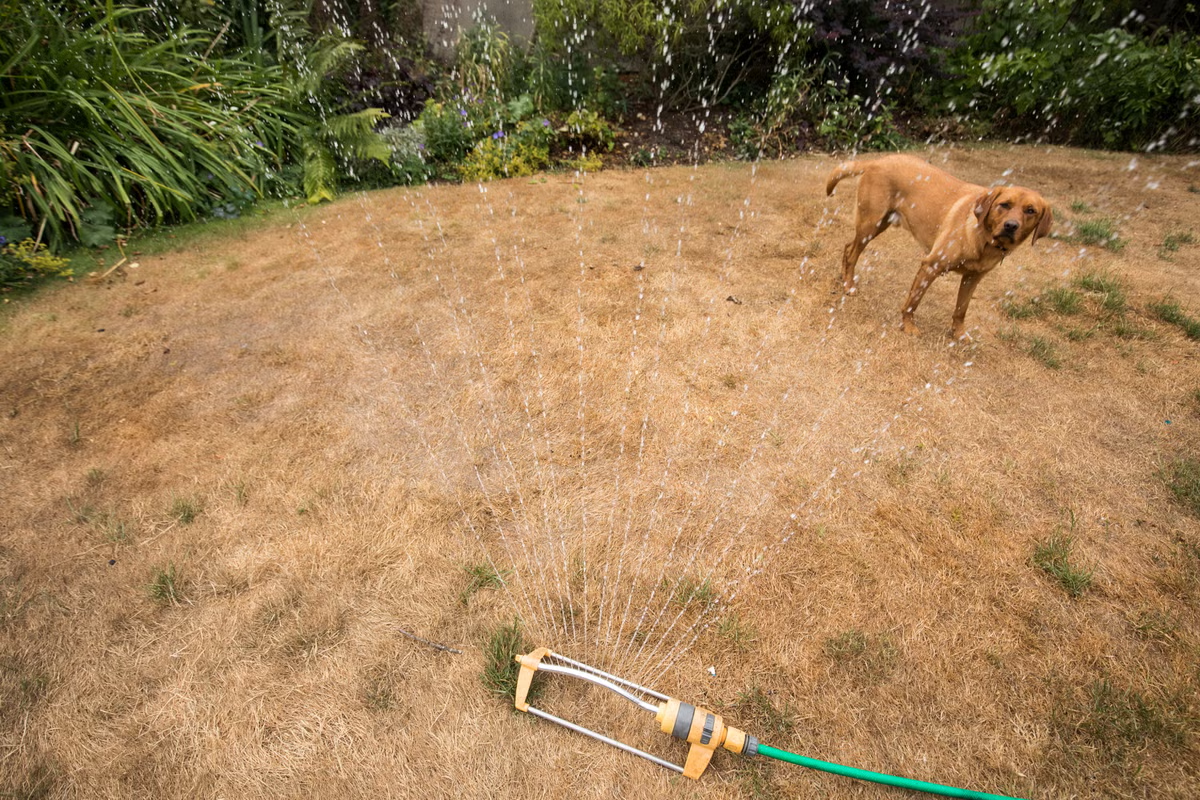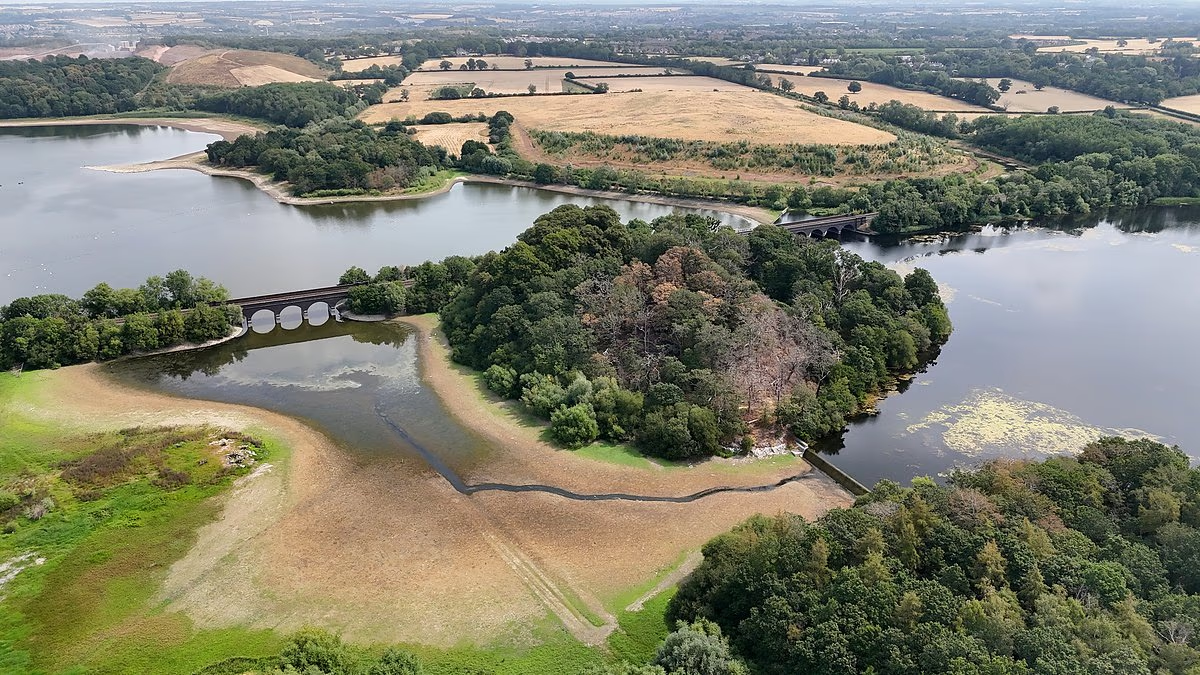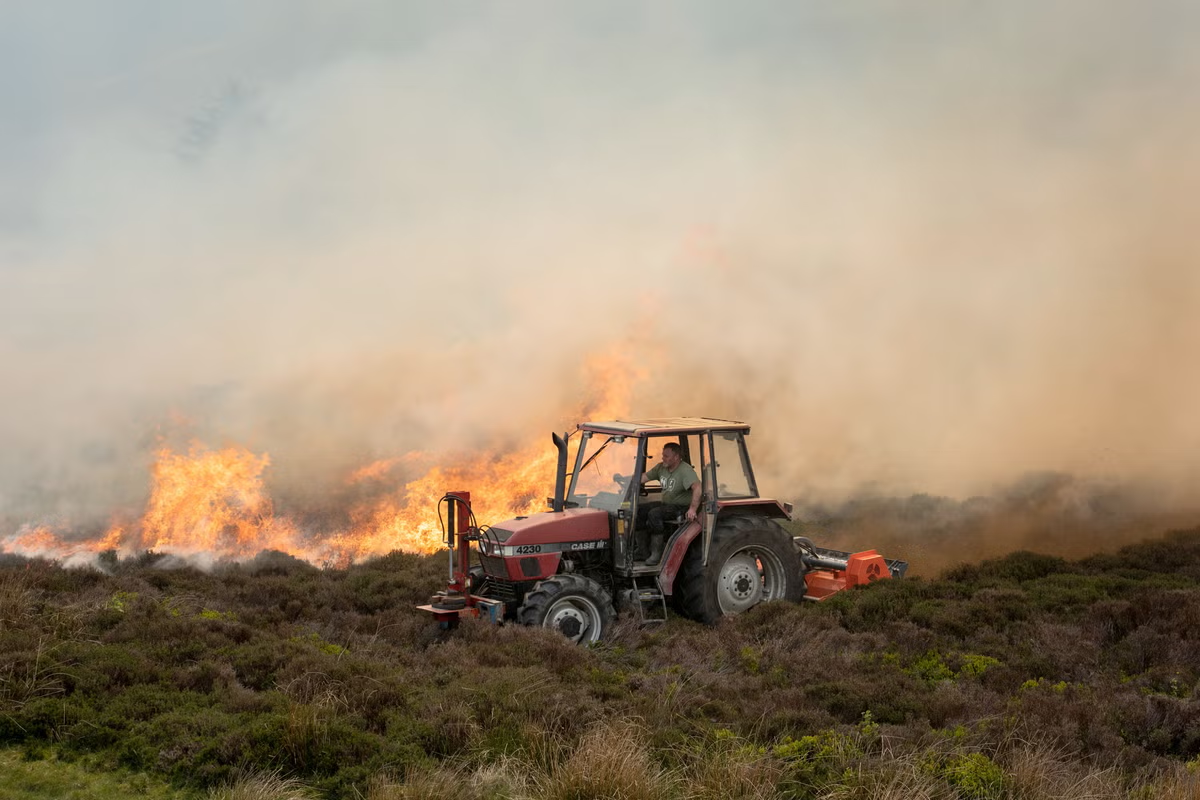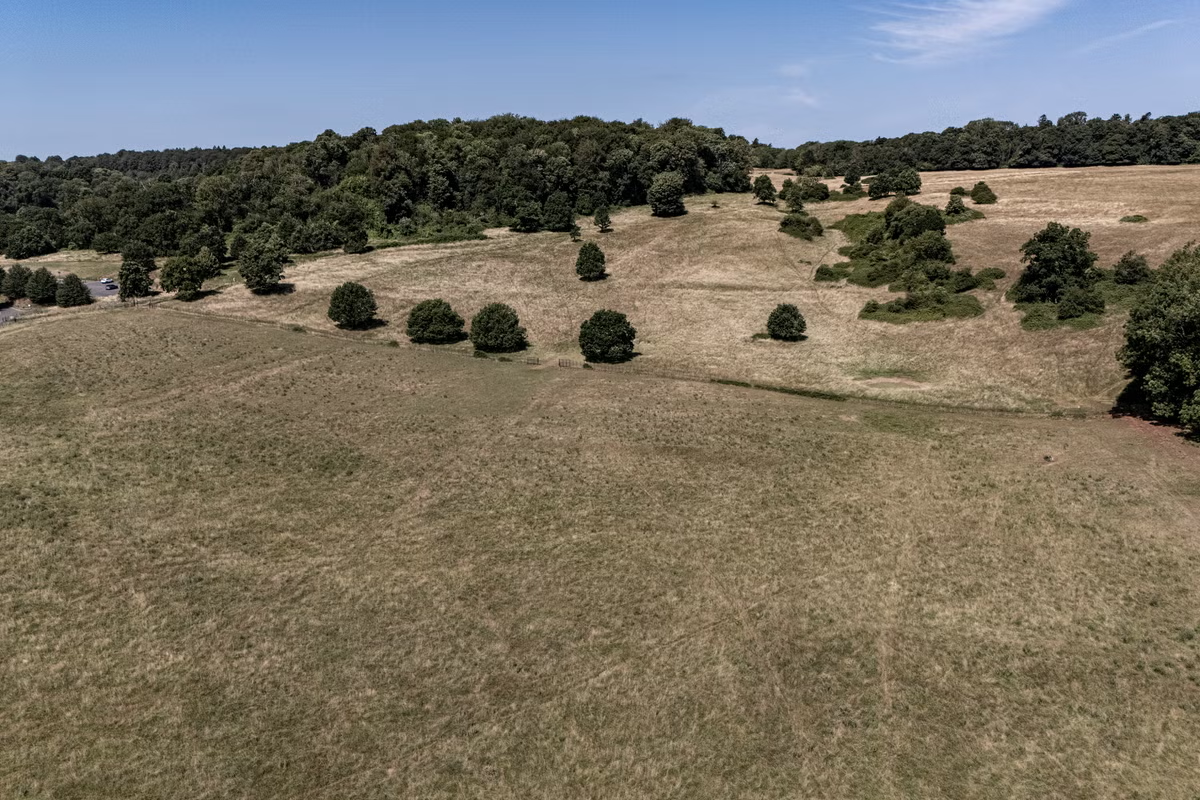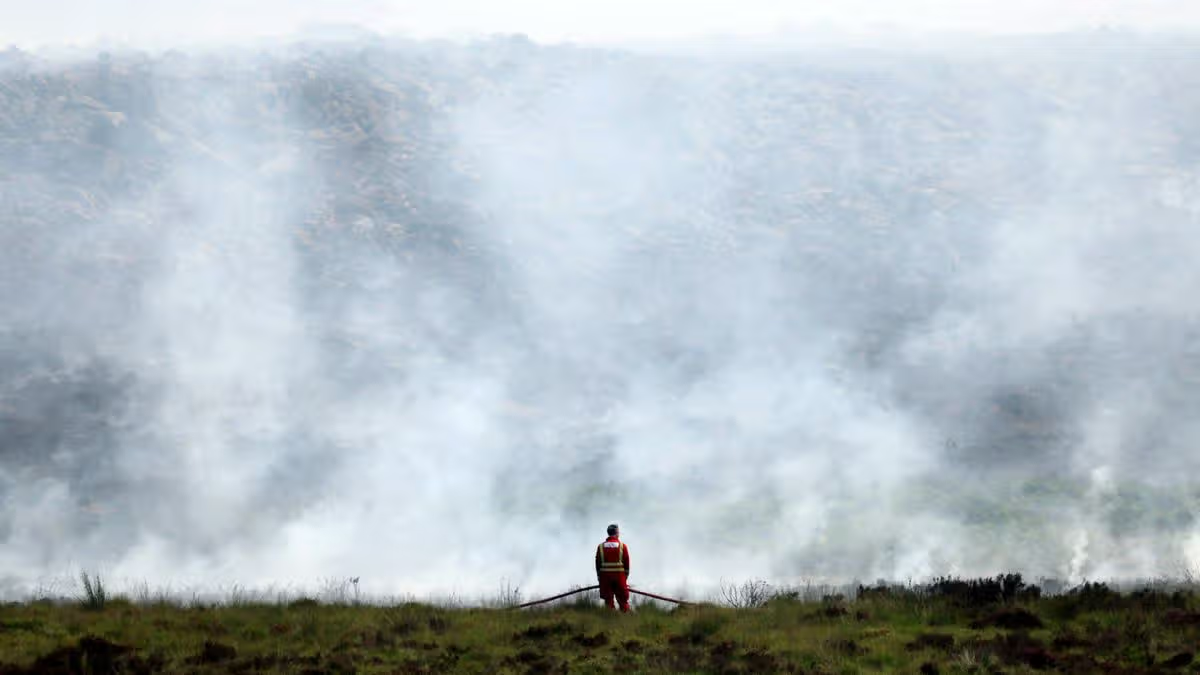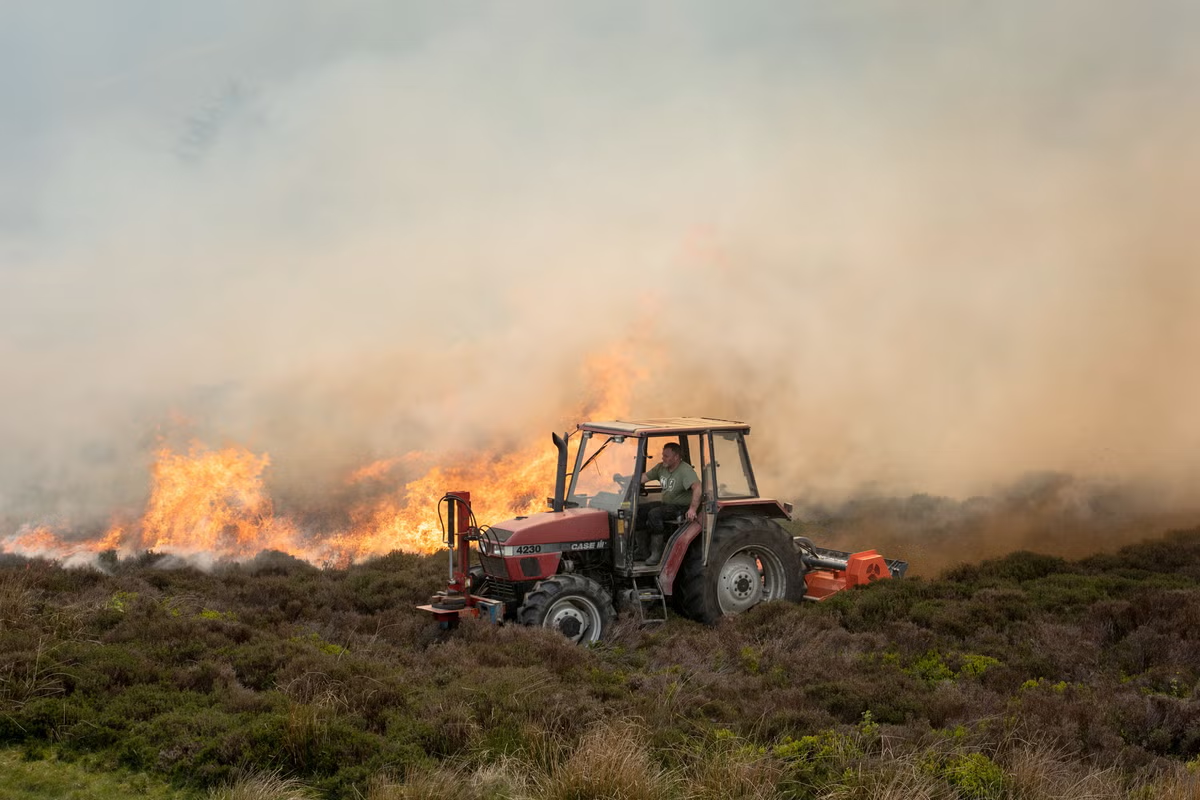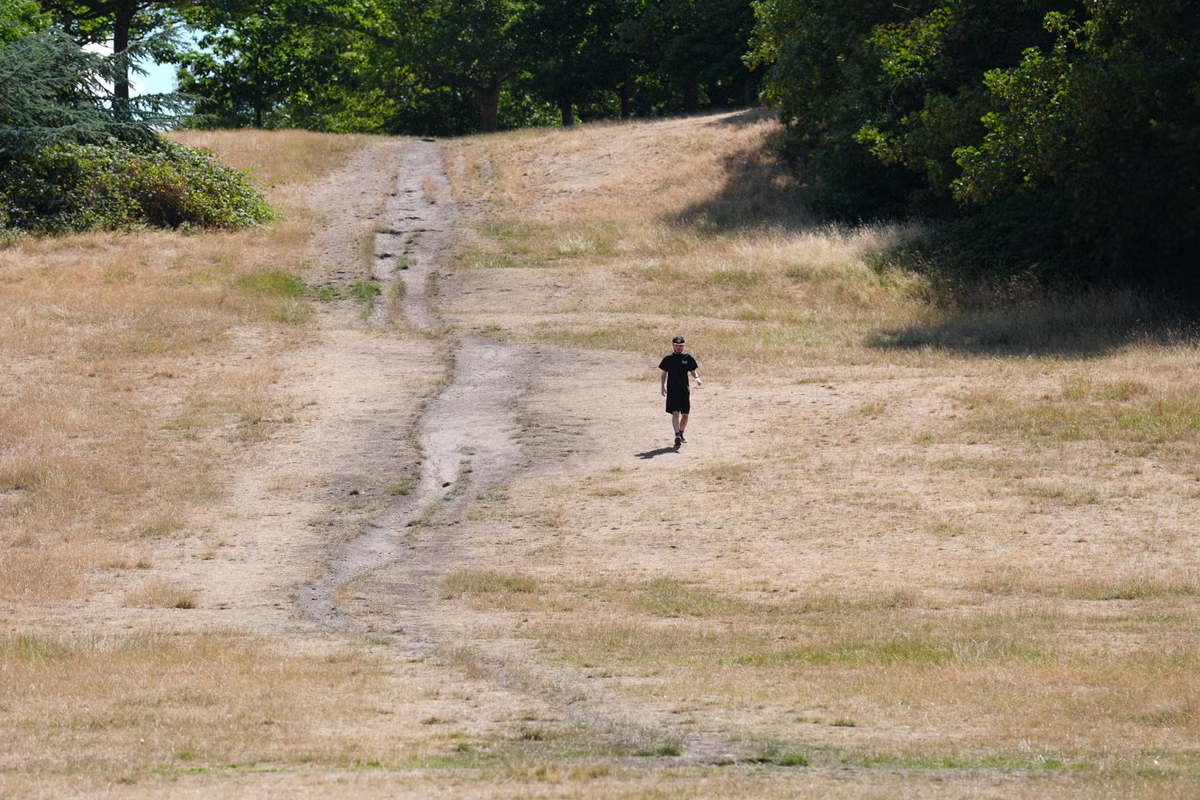
Most of Ireland is now in an absolute drought situation with little substantial rain on the horizon in the foreseeable future. A climatological “absolute drought” is a period of 15 or more consecutive days in which 0.2mm or less of rain falls. Met Éireann says that 17 of its 25 stations are now in a situation of absolute drought. The only ones that aren’t are all in the west and north of the State – Athenry in Co Galway, Belmullet, Newport and Claremorris in Co Mayo, Finner and Malin Head in Co Donegal, Markree Castle in Co Sligo and Valentia Observatory in Co Kerry. Though these stations have not experienced drought conditions, they are all classified as having had a climatological “dry spell” which is defined as a period of 15 or more consecutive days with less than 1mm of rainfall. In the case of Johnstown Castle in Co Wexford and Cork Airport, the period of absolute drought has continued for 23 days and there are seven other stations at 22 days’ duration. They are Casement Aerodrome, the Phoenix Park and Dublin Airport in Co Dublin, Oak Park in Co Carlow, Mullingar in Co Westmeath, Dunsany in Co Meath and Gurteen in Co Tipperary.Met Éireann’s fire weather index shows the extent to which places in the south and southeast have had no rainfall in the last month and very little is forecast for the rest of the month. Moore Park in Co Cork had 5mm on June 27th and no rain is forecast until August 1st. Similarly, Cork Airport last had 5mm of rain on June 30th and will not receive any substantial rain until August 1st. Similar patterns can be seen at Johnstown Castle, Oak Park in Co Carlow and Dublin Airport. This summer’s absolute drought is approaching the 25 days recorded at Oak Park and Johnstown Castle during the summer of 2018. The longest absolute drought on record in the State was 33 days at Casement Aerodrome, Co Dublin, from September 3rd to October 5th, 1986.[ Spain and France continue to battle wildfires as intense heat grips southern EuropeOpens in new window ]The prolonged drought has led to a nationwide hosepipe ban and to large forest fires in counties Dublin, Wicklow, Kerry and Tipperary. It is also having a serious impact on the Irish horticulture and potato sectors. In the potato sector high temperatures have slowed tuber bulking and reduced yield potential, particularly on unirrigated crops. In the vegetable sector, there has been reduced crop growth, particularly for carrots, brassicas and other root crops if irrigation is unavailable. Excessive temperatures can affect pollination, fruit set and overall crop quality in tomatoes, peppers and cucumbers.
‘Absolute drought’ across most of Ireland with little rain forecast for rest of July
Dry spell has led to a nationwide hosepipe ban and forest fires in counties Dublin, Wicklow, Kerry and Tipperary
446 words~2 min read