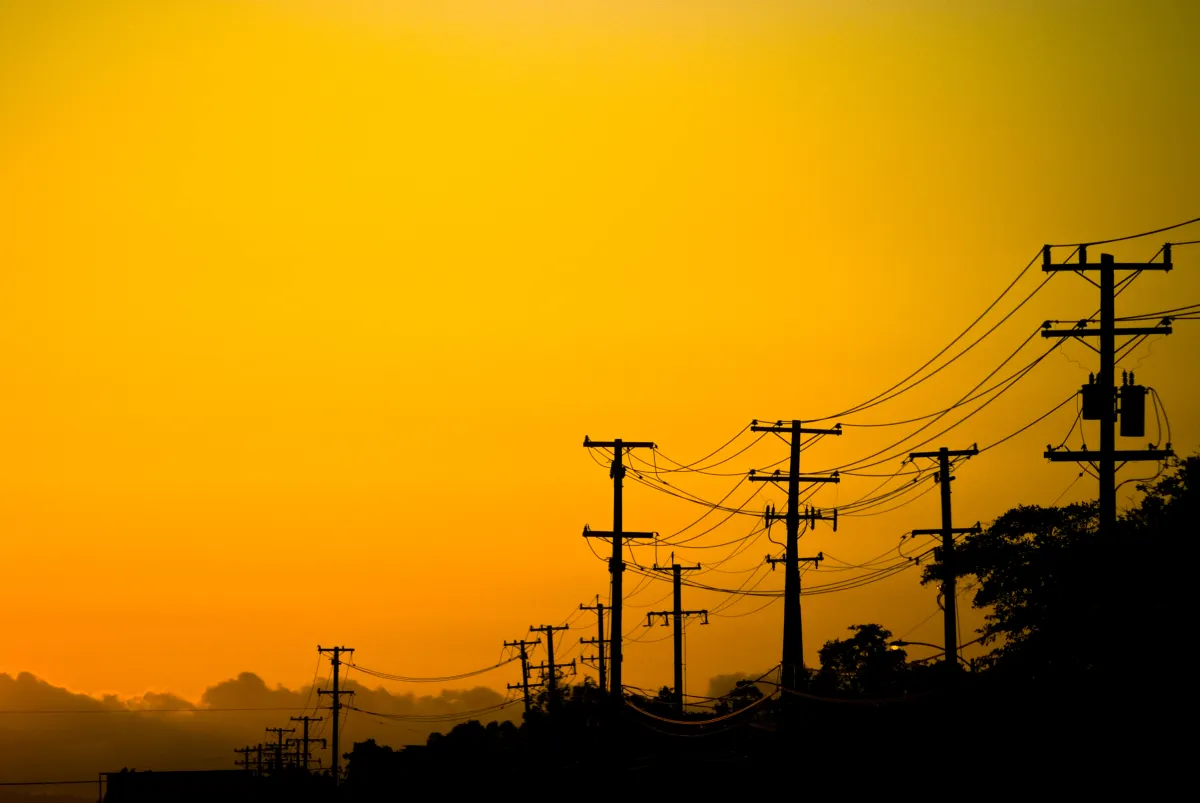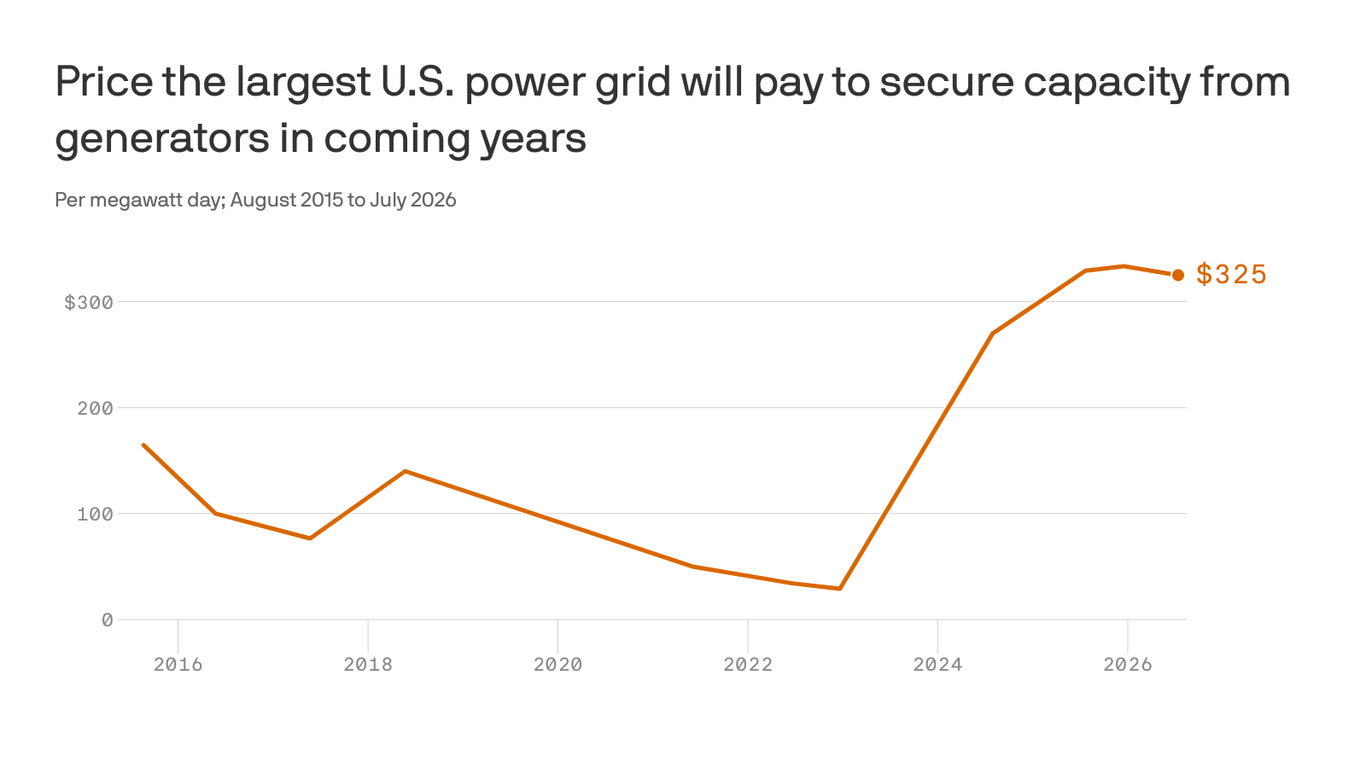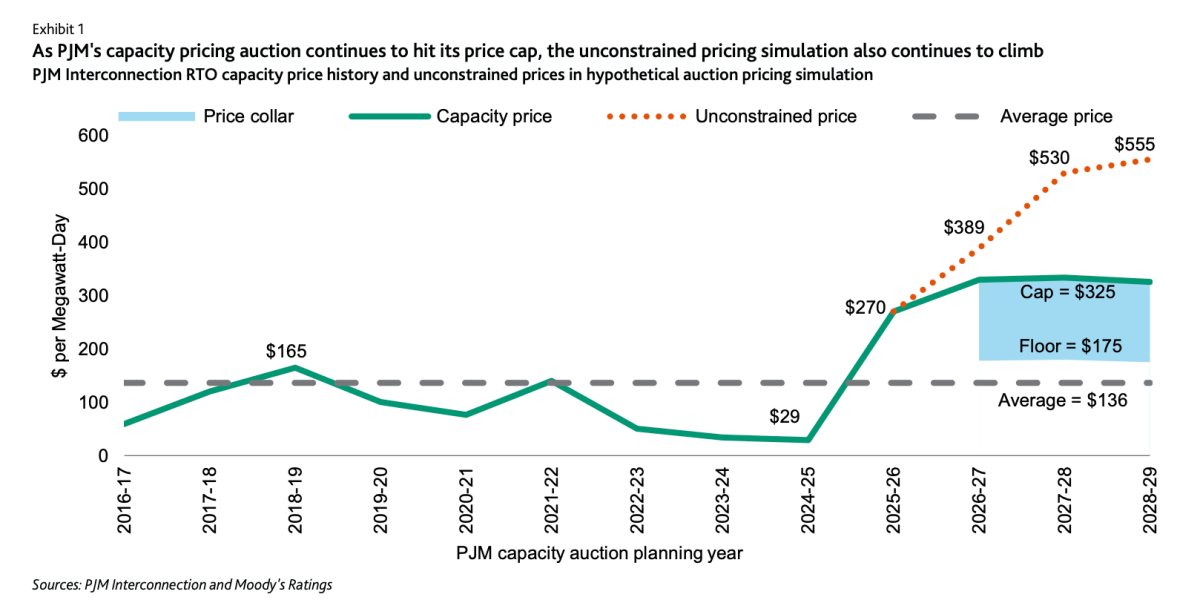
For the third auction in a row, the price of keeping the lights on across a 13-state swath of the country slammed straight into the ceiling.
On July 14, PJM Interconnection — the largest grid operator in the U.S., serving roughly 67 million people from Illinois to Virginia and Washington, D.C. — announced its capacity auction for 2028-29 cleared at $325 per megawatt-day, the maximum allowed under its price cap, even as supply fell about 6.8 gigawatts short of what the grid needs to stay reliable.
It’s the clearest sign yet that America’s AI buildout has a bill attached, and increasingly, ordinary ratepayers are the ones paying it.
Moody’s Ratings, in a July 22 sector report, didn’t mince words about why: “the current system lacks adequate mechanisms to ensure that the cost of building new supply is borne by the new entrants and instead socializes new build costs across all customers.”
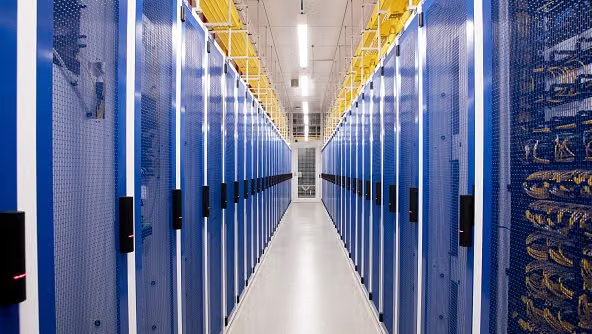
In plainer terms, when a data center activates hundreds of megawatts of new AI computing load, the cost of building power plants to serve it doesn’t land on a hyperscaler’s bill — it gets spread across every household and small business on the grid.