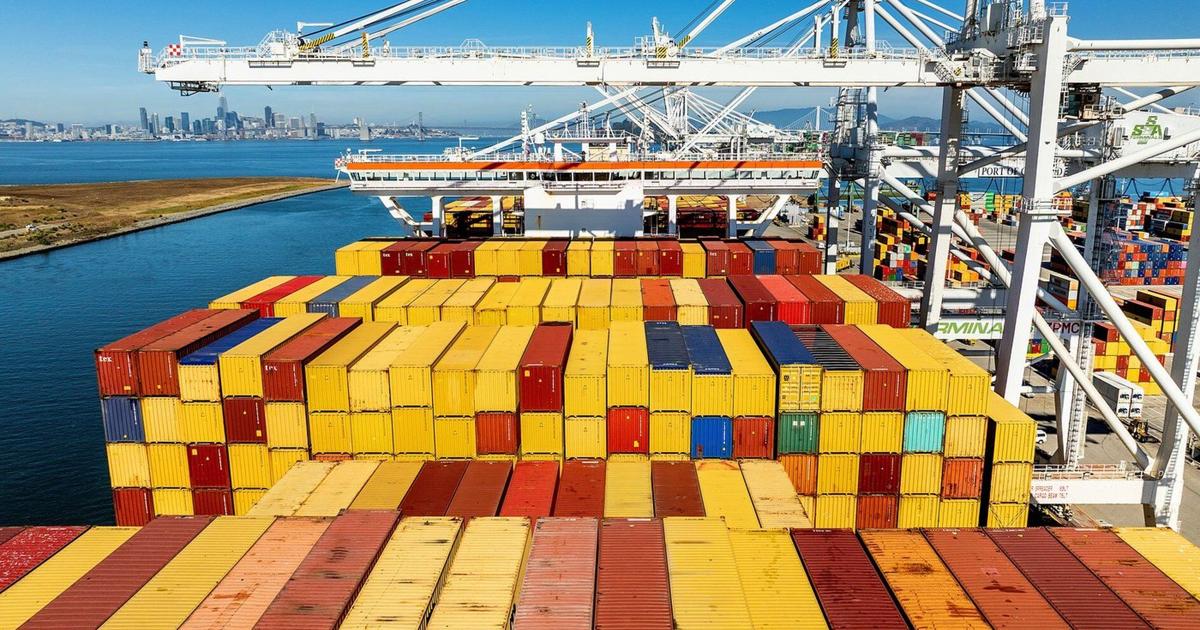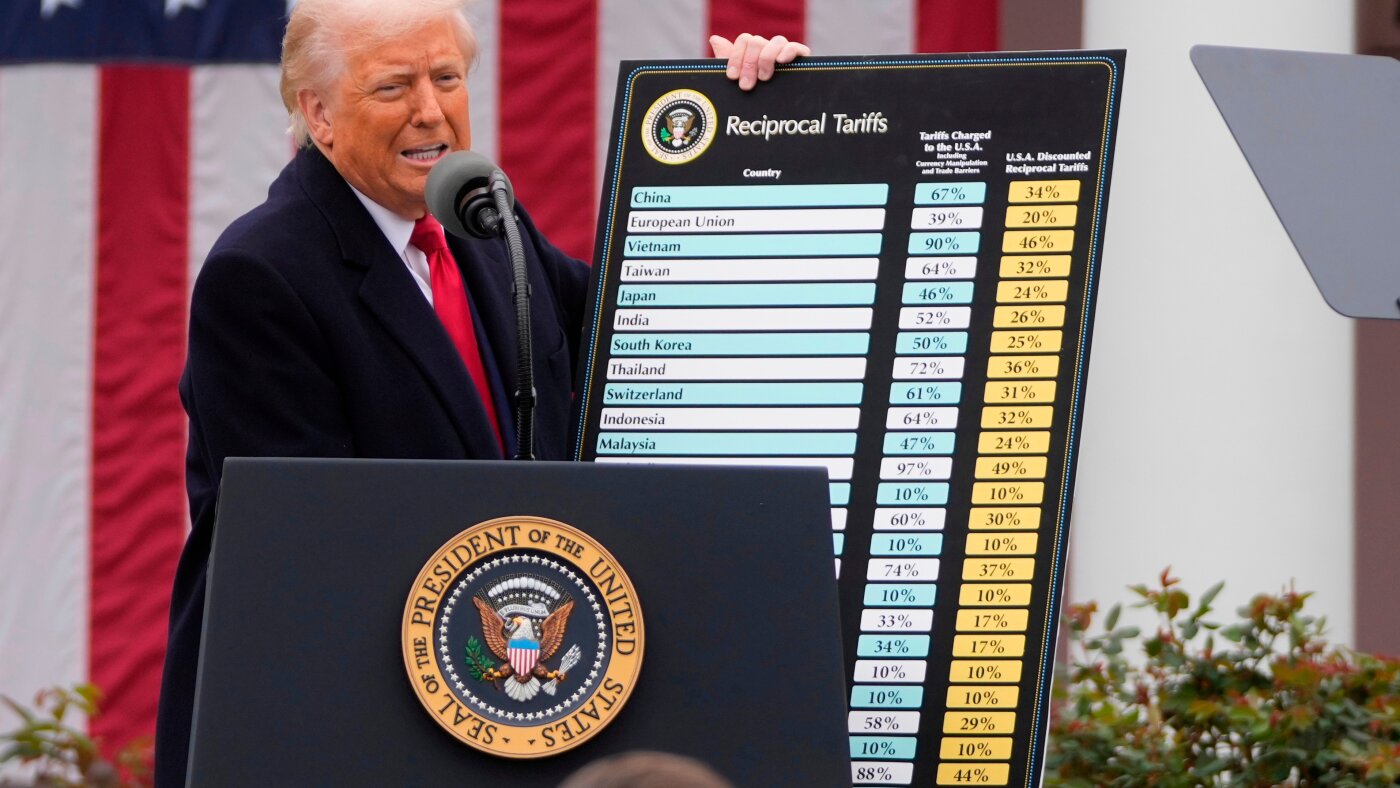
President Donald Trump is continuing to wage a global trade war with a new set of tariffs designed to hold up in court and with potentially far-reaching consequences that could last well beyond the current administration.
Duties of 10 to 12.5% on 60 U.S. trading partners went into effect on Friday, claiming to combat unfair practices related to “forced labor.” But unlike Trump’s earlier global tariffs, the latest batch rests on Section 301 of the Trade Act of 1974, and it’s considered to be on firmer legal footing.
That’s after the Supreme Court struck down his “Liberation Day” levies under the International Emergency Economic Powers Act, prompting him to apply temporary stopgap tariffs that expired just as the new ones took effect.
Since they largely replace import taxes that were in place earlier, the immediate economic impact of the Section 301 tariffs is seen as minimal, but they still set a precedent that future presidents could invoke, according to Scott Lincicome, vice president of general economics at the Cato Institute.
In a column in the Dispatch, he dismantled the administration’s justifications, saying the tariffs looked predetermined, relied on thin evidence, applied rates far out of proportion to forced labor’s actual trade impact, and offered no off-ramp.