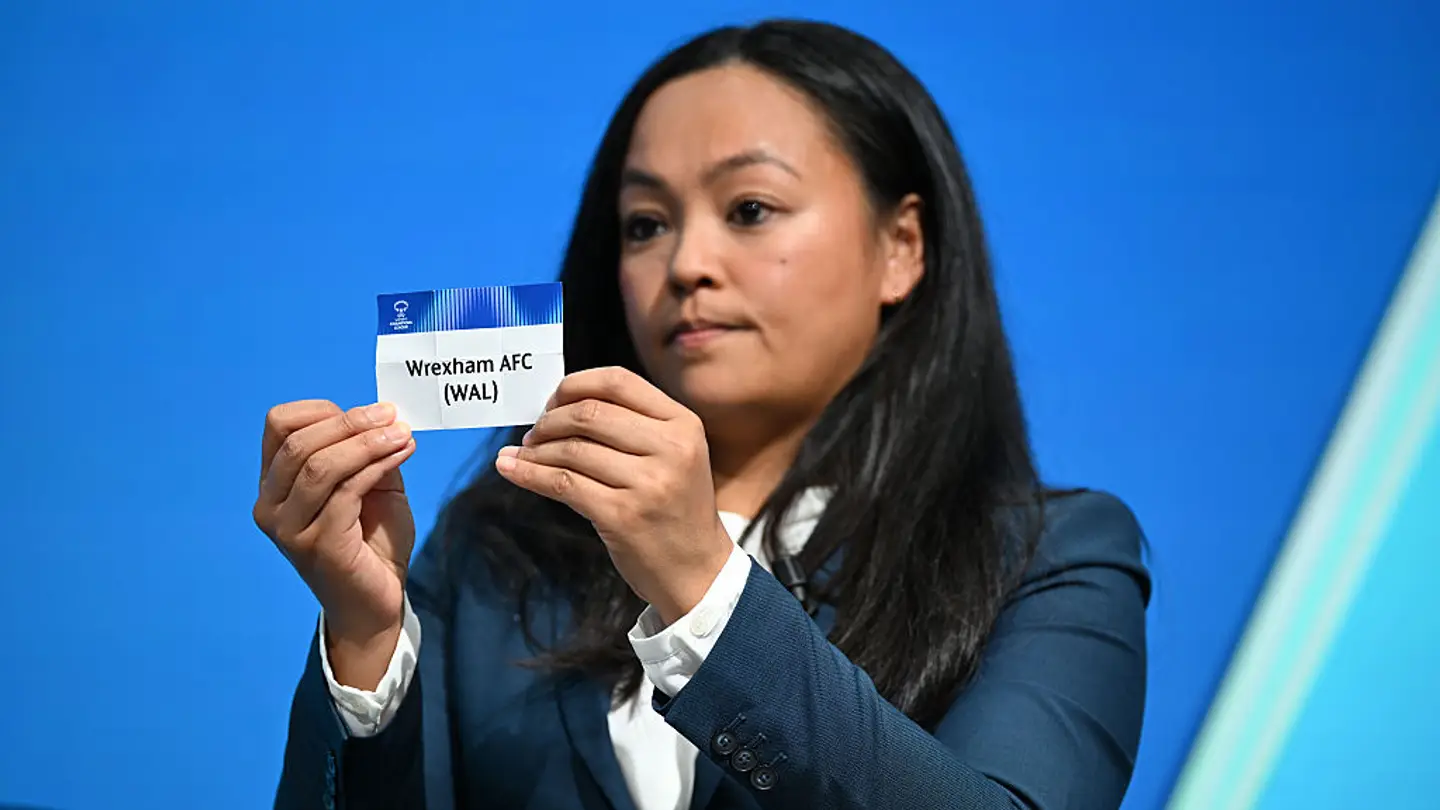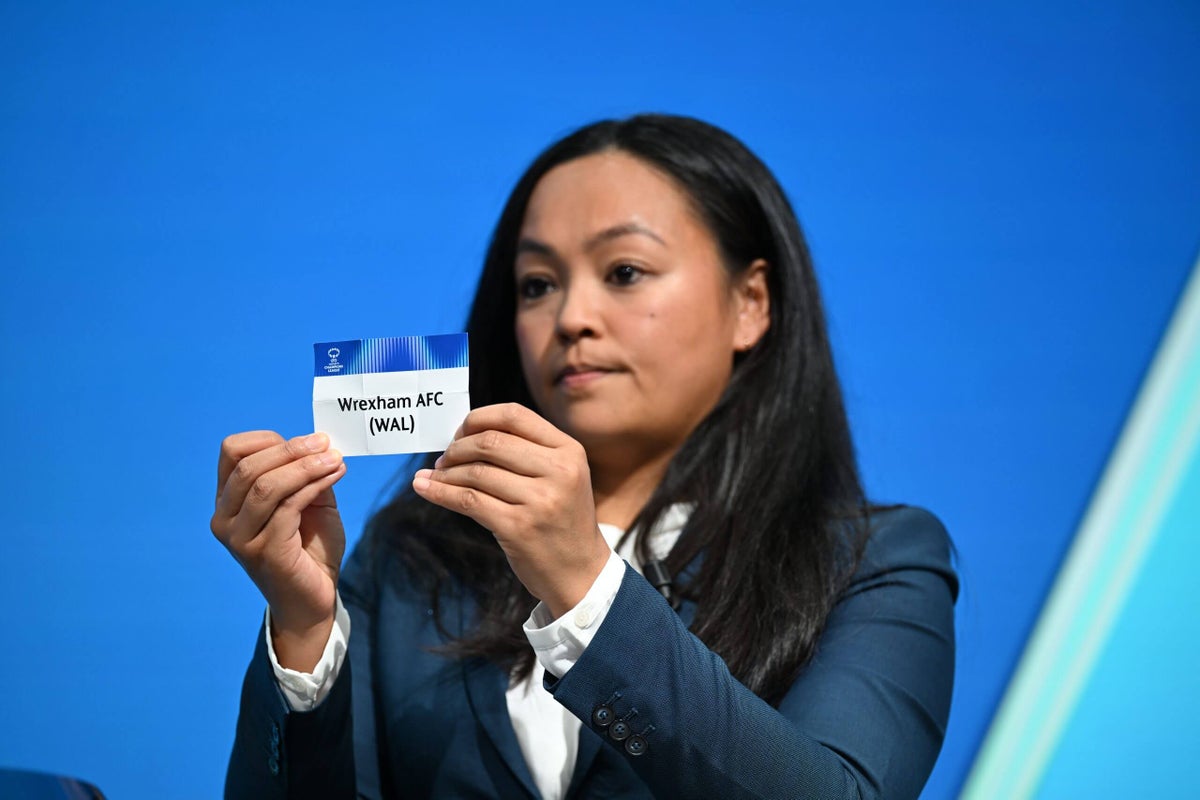
Wrexham Women’s historic success on the Champions League stage is the product of “genuine” investment and dedication from club ownership and top decision-makers, said head coach Jenny Sugarman. Wrexham marked their Women’s Champions League debut with a thrilling 4-2 comeback victory against Armenian side FC Pyunik in the first qualifying round semi-final at the Racecourse Ground.Wrexham, who claimed last season’s Adran Premier (the Welsh top-flight) for the first time in their history, were the lowest-ranked team in terms of national coefficient of the 88 who qualified for this season’s Champions League. Wrexham host Latvia champions Riga in a first qualifying round final on Saturday, with the victor entering the second round of Champions League qualification. Latvia sit 41st in coefficient rankings.Reaching such a berth would represent the furthest any Welsh women’s side has gone in the competition. It’s the latest piece of history Wrexham are chasing, having already become the first Welsh team to record a victory in the Champions League since Cardiff Met in the 2019-20 season.Sugarman said the successive triumphs are owed to the fervent dedication from majority owners and Hollywood stars Ryan Reynolds and Rob Mac, as well as minority investors the Allyn family and Apollo Sports Capital, for investing in the foundations and professionalisation of the women’s team over the past year. That includes the appointment of Sugarman — formerly head coach at West Bromwich Albion, assistant at Women’s Super League side Aston Villa and head of Academy at Leicester City — as head coach last July, the acquisition of experienced signings Katie Barker and captain Jodie Bartle from WSL2 Newcastle United; and last August’s completed purchase of The Rock Stadium, confirming Wrexham as the first Welsh women’s team to outright own their own stadium and bespoke training facilities. Wrexham Men and Women celebrate two title-winning seasons in 2023. (Jan Kruger / Getty Images)“The thing about being here is, it’s genuine,” said Sugarman. “Genuine from a people and club perspective, but genuine from a business perspective as well because nobody wants to throw their money away, right?“Every time I’ve asked for something that I need to grow this team, whether it’s around the playing squad, integrating new staff and new expertise, the training ground, at no point has it ever been, ‘We can’t do that’. It’s always been, if not yes, ‘We’ll see if we can find a way to do that’. That’s testament to how quickly we’ve moved because of that ambition and that desire to work with us.” In a summer that has seen clubs across the English pyramid cut funding to their women’s teams due to sustainability concerns, including WSL2 sides Southampton and Durham, or cease operations altogether, such as Plymouth Argyle and Forest Green Rovers, questions about what investment should look like in women’s football have become front and centre. “I hear it all the time: ‘The women’s team needs to sustain themselves, needs to turn a profit,’” Sugarman said. “But what men’s football teams actually turn a profit? Very, very few actually turn a profit on their investment. We shouldn’t hit women’s football or women’s sport with that stick.”Wrexham know the challenge of turning a profit when also attempting to rise through the English pyramid. The club posted a record operating loss of £14.85million for the 2024-25 season (when the men’s team earned promotion to the Championship). This loss arrived despite generating a club-record turnover of £33.3m, bringing Wrexham’s total losses to over £25m since the takeover by Reynolds and Mac, primarily driven by a 73 per cent increase in the wage bill during their promotion campaign. Clubs who have stifled investment into their women’s team regularly cite a challenge of sustainability or loss of revenue for doing so, most recently Southampton. “People investing in women’s sport shouldn’t be doing it because they think they should be doing it or somebody told them they should be doing it,” Sugarman said. “It will fall at some point. The investment will dry up. You either invest, grow and build something that’s successful, which is what we’re trying to do here, or you continually expect something to be successful without building the foundations for it, by doing what’s required, and then when something gets a bit rocky, whether it’s the men’s team getting relegated, the investment stops. “There are more than enough examples now that if you do that well, you actually do get a return on your investment.” Jenny Sugarman is Wrexham’s head coach. (Jess Hornby / Getty Images)Wrexham have continued to invest this summer ahead of their Champions League campaign, making four permanent signings, including former Manchester United youth captain Bella Reidford, 23, from Stoke City, and 19-year-old central defender Lydia Sallaway on loan from WSL side Aston Villa. The ambition will be to continue their run in Europe by securing a qualifying second-round berth. No one at Wrexham is downplaying the challenge. The Latvian champions represent the sternest test of Wrexham Women’s recent history, particularly given the tight turnaround from Wednesday evening’s match and the hours of analysis and preparation put in by Sugarman and her staff. Even so, there is hope. After the press conference, Sugarman lifted the Champions League scarf draped across the press conference desk. Against blue and orange fabric, the words “Best of The Best” were embroidered. “We were the bottom of the best,” Sugarman said. “We know what we’ll have achieved from this and there’ll be disappointment if we don’t go further. But how can you also be disappointed with what we’ve done over the past five weeks to prepare for this moment?”Jul 24, 2026Connections: Sports EditionSpot the pattern. Connect the termsFind the hidden link between sports terms
Wrexham Women already made history. ‘Genuine’ investment brings a chance to do it again
Wrexham Women are on the cusp of Champions League history again thanks, in part, to the investment risk its owners have taken.
942 words~4 min read