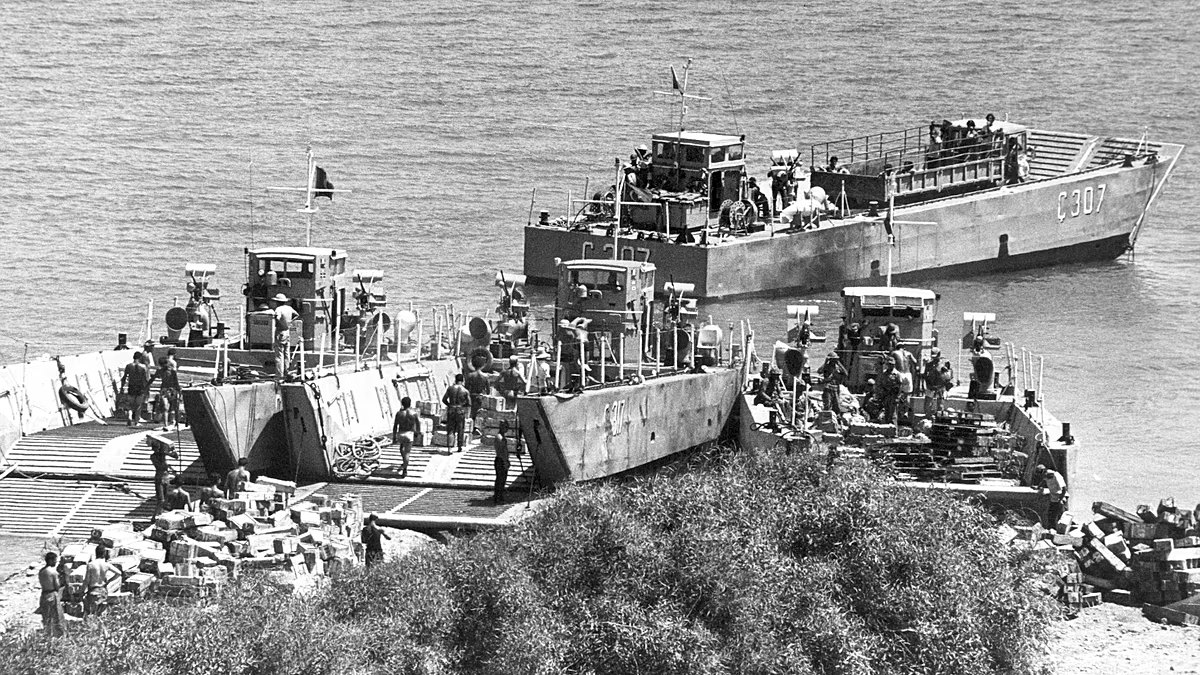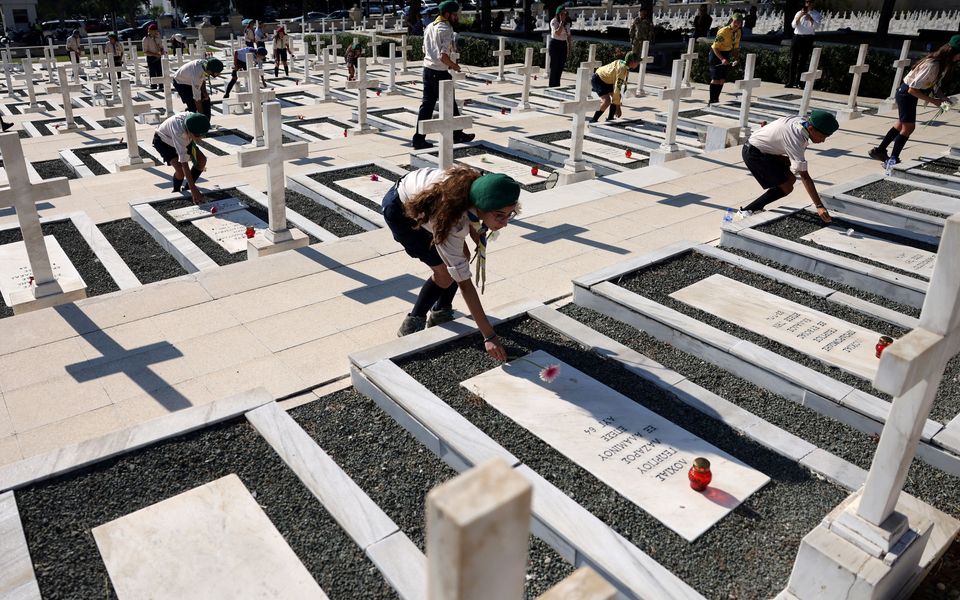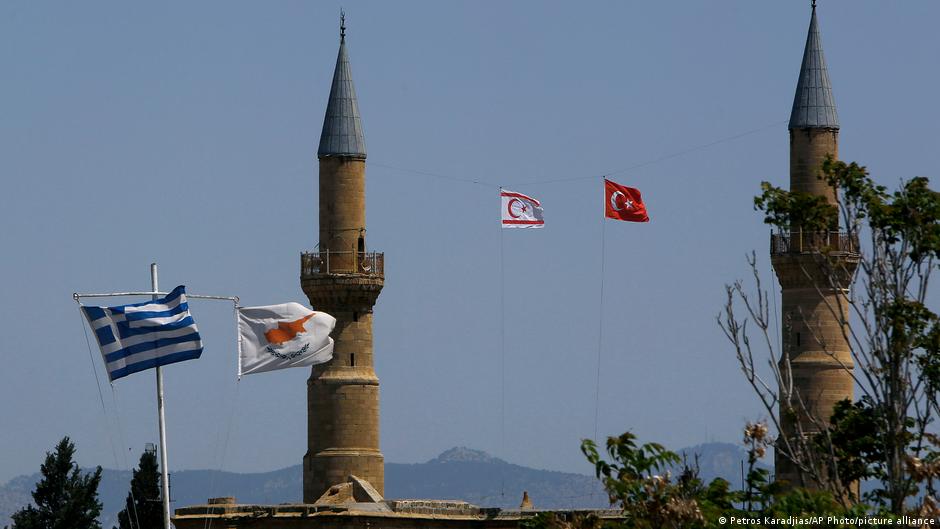
July 20 marked the 52nd anniversary of the Turkish invasion of Cyprus. Is there a realistic prospect of resolving a problem that seems to be becoming increasingly complex as time goes by? Given the situation since 1974, there are three possible scenarios.
The first could be titled, “The solution is the nonsolution.” In other words, we leave things as they are, hoping that at some point in the (unspecified) future a spectacular change will occur, allowing for the reunification of Cyprus, the withdrawal of the occupying forces, the return of refugees to their homes, and so on. Unfortunately, the chances of this happening are zero.
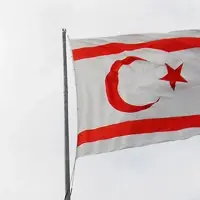
Turkey will never abandon the strategic gains of 1974. For the Greek and Greek Cypriot sides, the advantage of “nonsolution” is that it does not impose additional costs on them. The Republic of Cyprus will remain the only internationally recognized entity on the island, even if it does not exercise sovereignty over the occupied part. Rather, the occupied entity will continue to be diplomatically isolated.
Given that the first, albeit partial, de facto partition of Cyprus took place in 1964, as a result of the creation of scattered Turkish Cypriot enclaves, the islanders who have real experience of coexistence with the other community are now old and therefore an increasingly dwindling group. If the Cyprus issue remains unresolved for a few more years, we will reach the point where the coexistence of Greek and Turkish Cypriots will not be described as a lived experience, but will simply be recorded in history books.