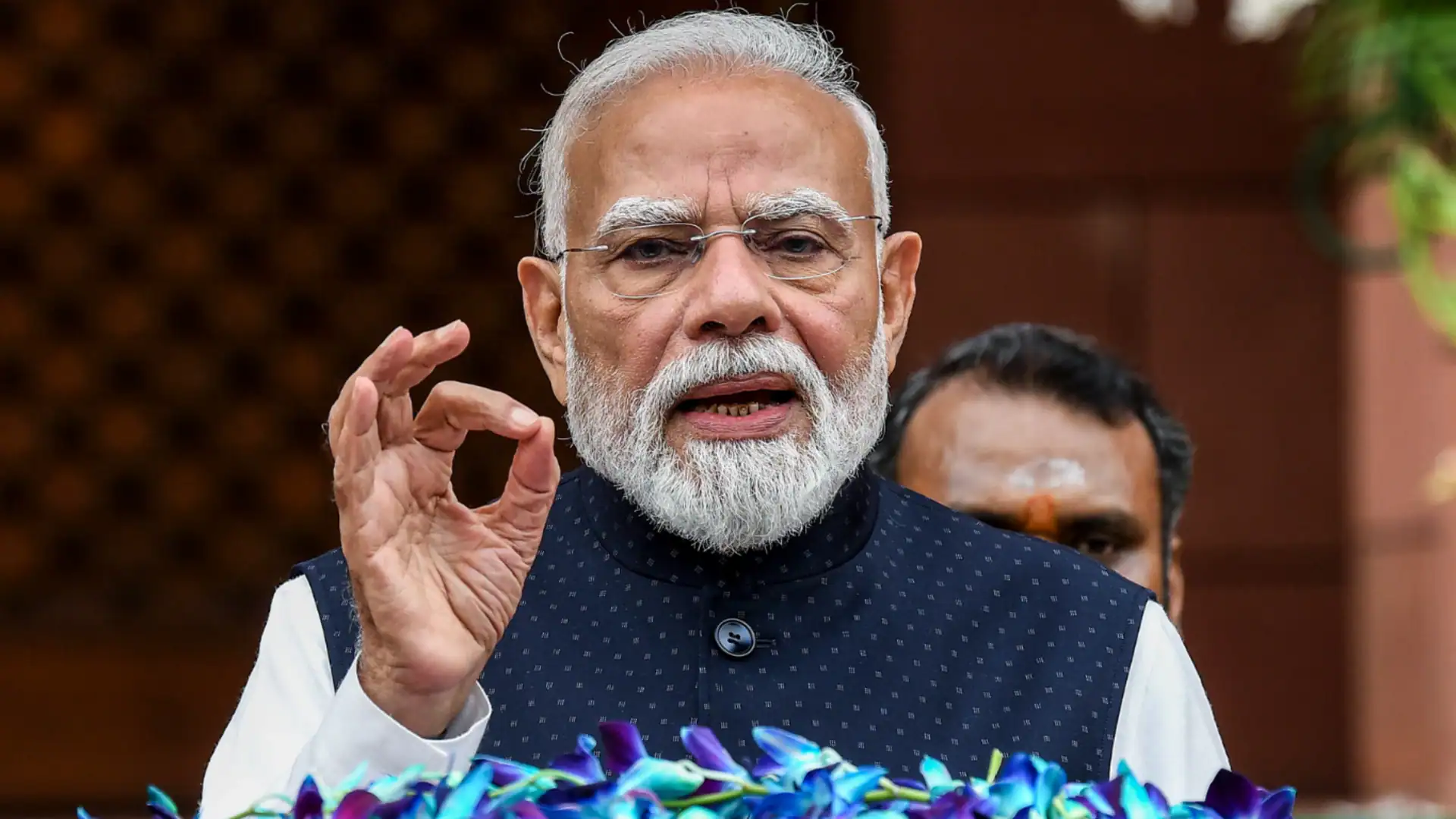
The Union Cabinet cleared a proposal to introduce amendments to the Public Examinations (Prevention of Unfair Means) Act, 2024, endowing the anti-paper leak law with tougher penalties and time-bound trial mechanisms. Representational file image.
| Photo Credit: AP
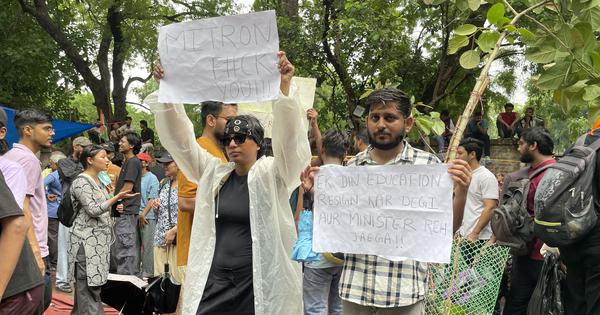
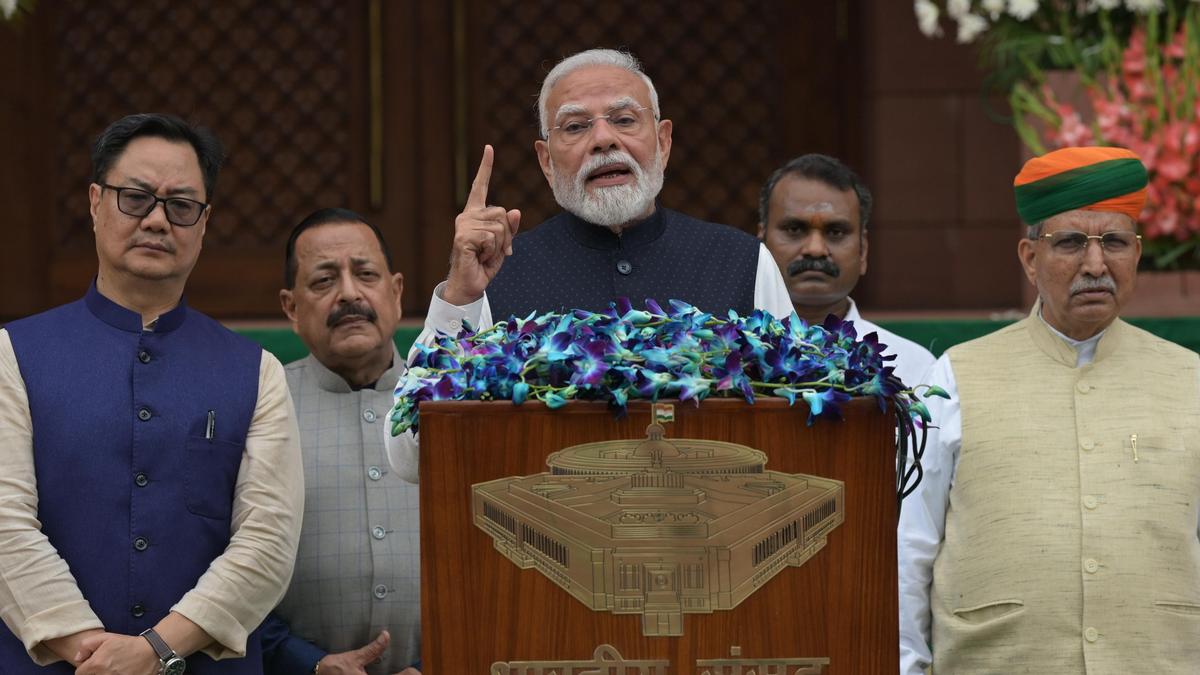
In a move to crack down on exam malpractices, the Centre has taken a slew of actions, including strengthening the anti-paper leak law and terminating services of up to 47 officials in the National Testing Agency (NTA). Also read: Jantar Mantar protest updates on July 24, 2026The Union Cabinet on Friday (July 24, 2026) cleared a proposal to introduce amendments to the Public Examinations (Prevention of Unfair Means) Act, 2024, endowing the anti-paper leak law with tougher penalties and time-bound trial mechanisms.Sources in the Ministry of Education said that in a bid to bring about exam reforms, the NTA had terminated 47 officials from their services. “Legal and criminal actions will also be taken against some of these officials. More reformative actions will follow. This is part of a complete overhaul of the NTA that has been in controversy over paper leaks,” the sources said. The policy shift comes on the heels of a late-night video address by Prime Minister Narendra Modi, who stated that stringent action would be taken against the paper leak mafia. The announcement followed after Union Ministers J.P. Nadda and Jitendra Singh concluded their meeting with Cockroach Janta Party (CJP) representatives Ashutosh Ranka and Saurav Das.The proposed amendments to the anti-cheating law include steeper jail sentences, higher financial penalties and the setting up of fast-track courts for speedy trials. Jail term upImprisonment for those involved in organised examination fraud has been hiked from the previous 3-5 year bracket to 5 to 10 years in prison. Maximum fines for those involved in organised rackets have been hiked up to ₹10 crore. The law gives statutory backing to set up dedicated fast-track courts empowered to expedite cases. Fast-track courts will be mandated to conclude investigations, dispose of cases, and pronounce judgments within three months, the sources said. Fast-track courts have already been notified in Madhya Pradesh and Maharashtra, with the Delhi High Court notifying the establishment of a specialised court on July 23.The original Public Examinations (Prevention of Unfair Means) Act, 2024, was officially brought into force on June 21, 2024, amid widespread outrage over alleged malpractices in national exams such as NEET and UGC-NET.Zero convictionsIt is pertinent to note that there have been zero convictions under the anti-cheating law enacted in June 2024. Over the past two decades, only two of the 45 major exam leak cases resulted in convictions. The majority of the cases remain trapped in legal delays and unresolved trials.The law covers major examining bodies, including the UPSC (Union Public Service Commission), the SSC (Staff Selection Commission), the NTA, the RRB (Railway Recruitment Board), the IBPS (Institute of Banking Personnel Selection), and Central government Department Recruitment Boards. Key provisions of the original Act include the prohibition of disclosing confidential exam-related information prematurely and preventing unauthorised individuals from entering exam centres to cause disruptions. Published - July 24, 2026 10:43 pm IST