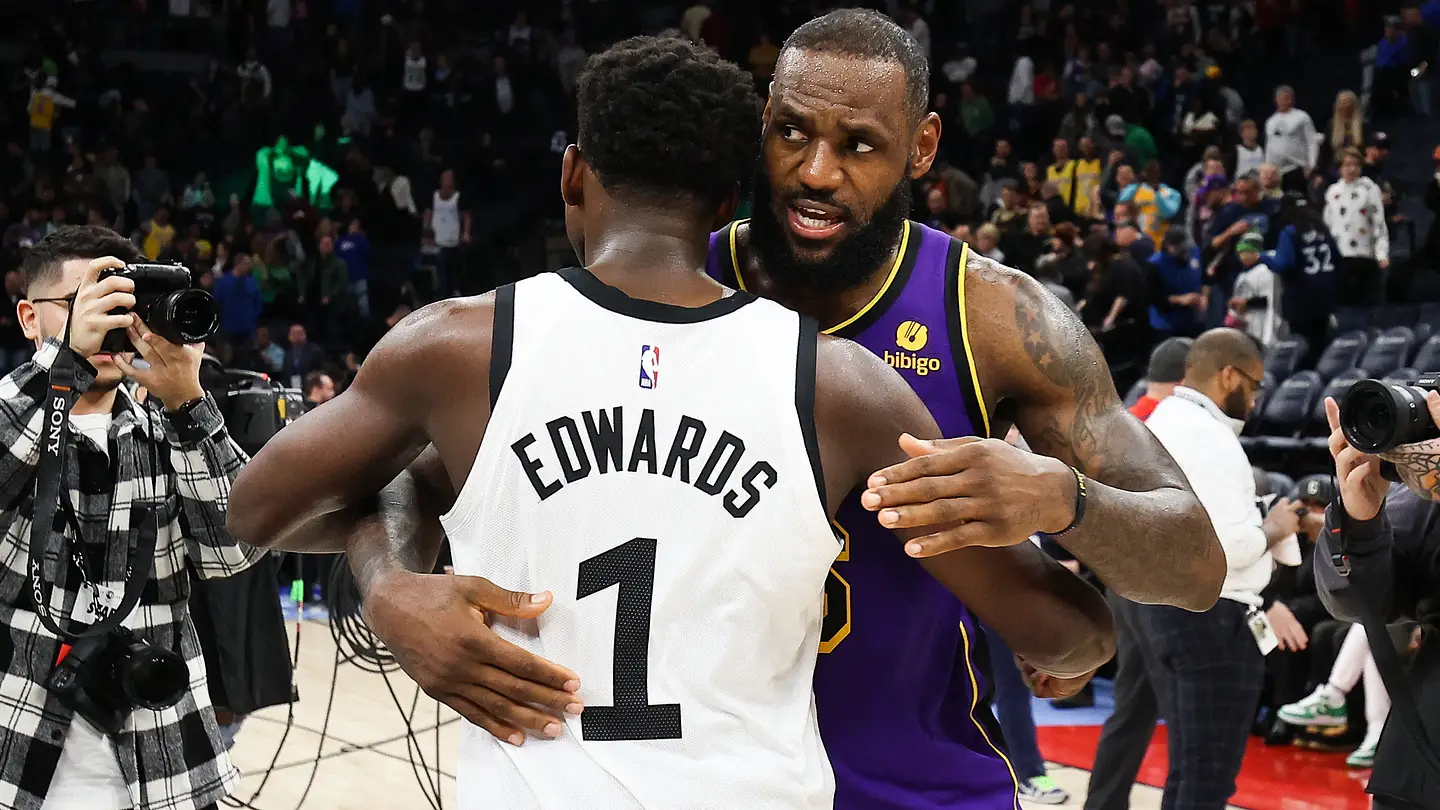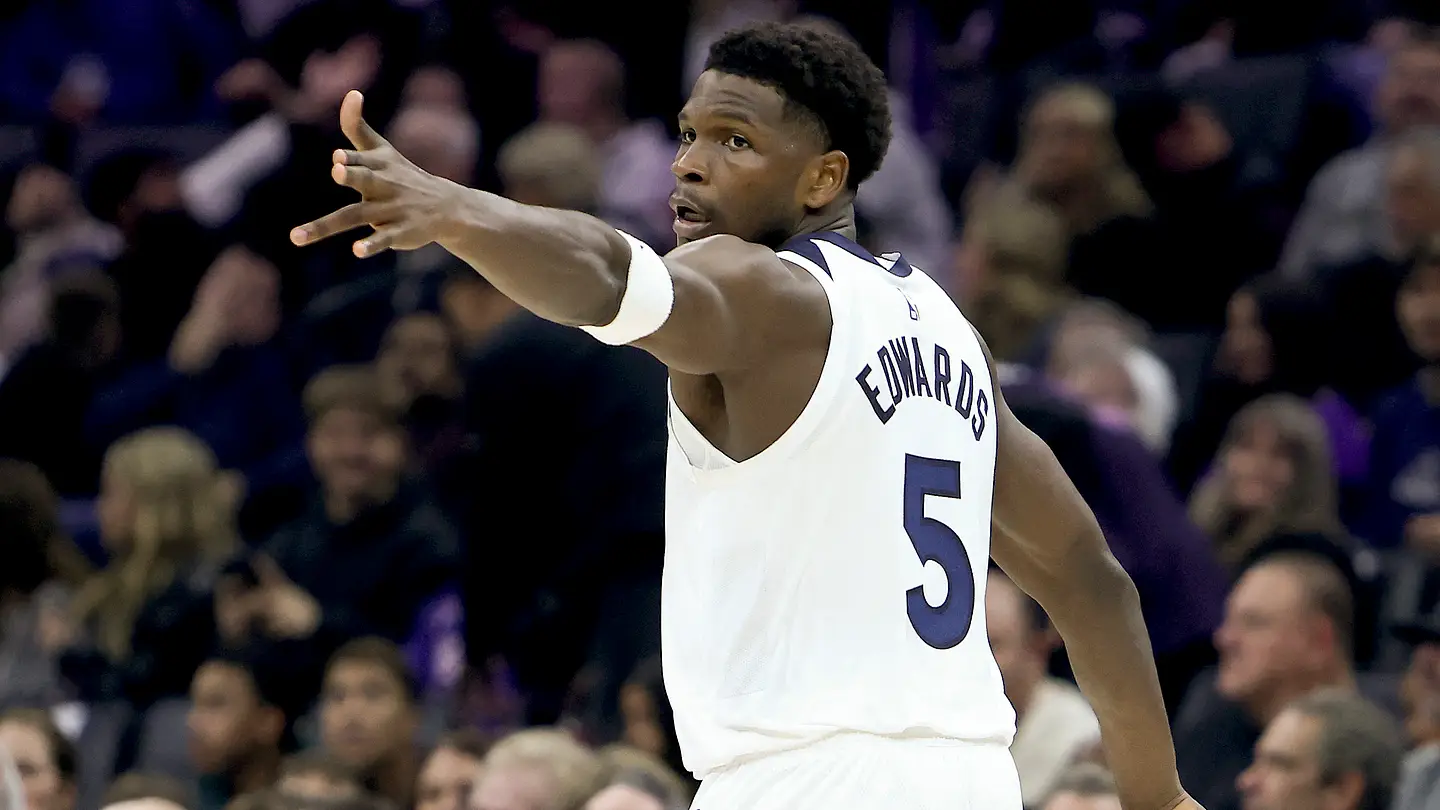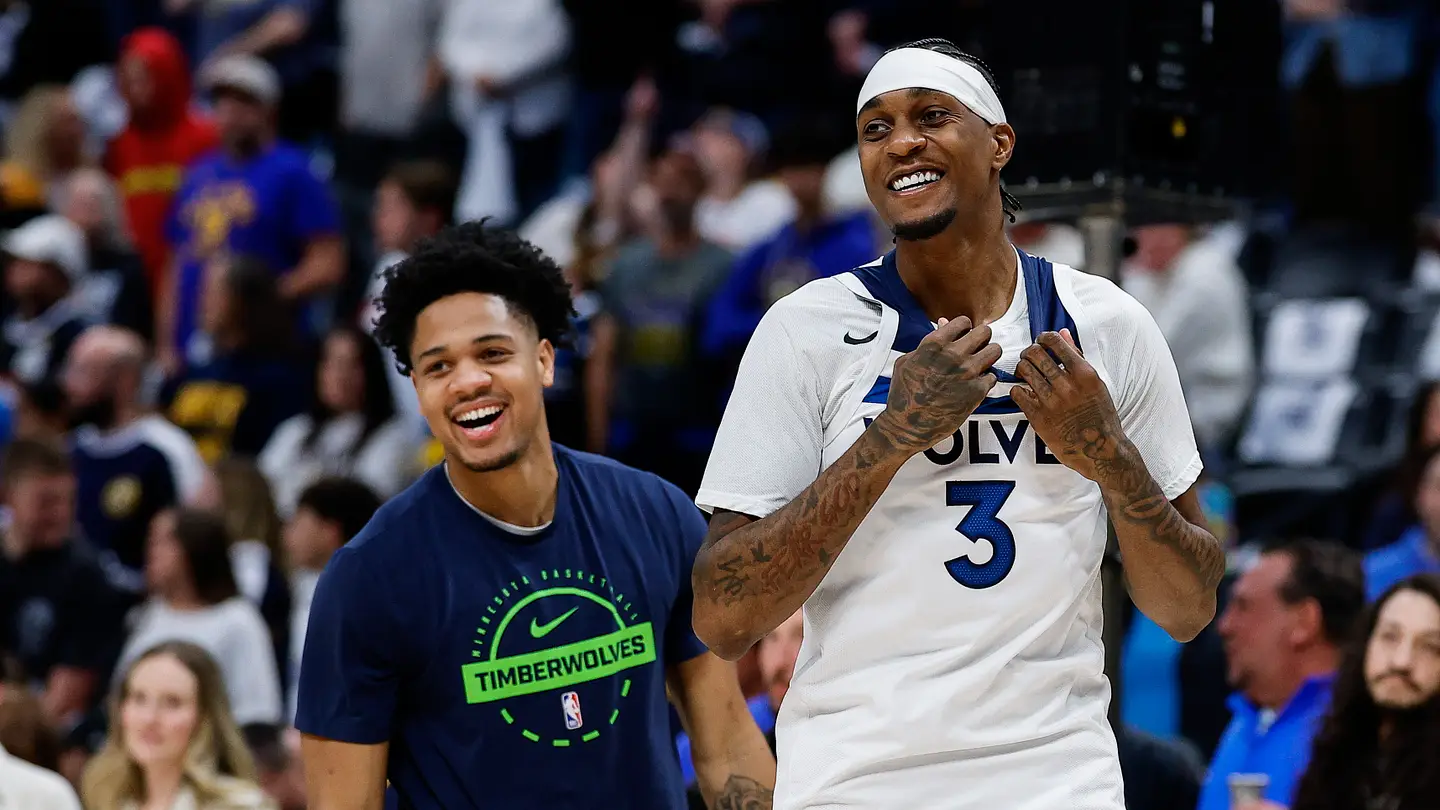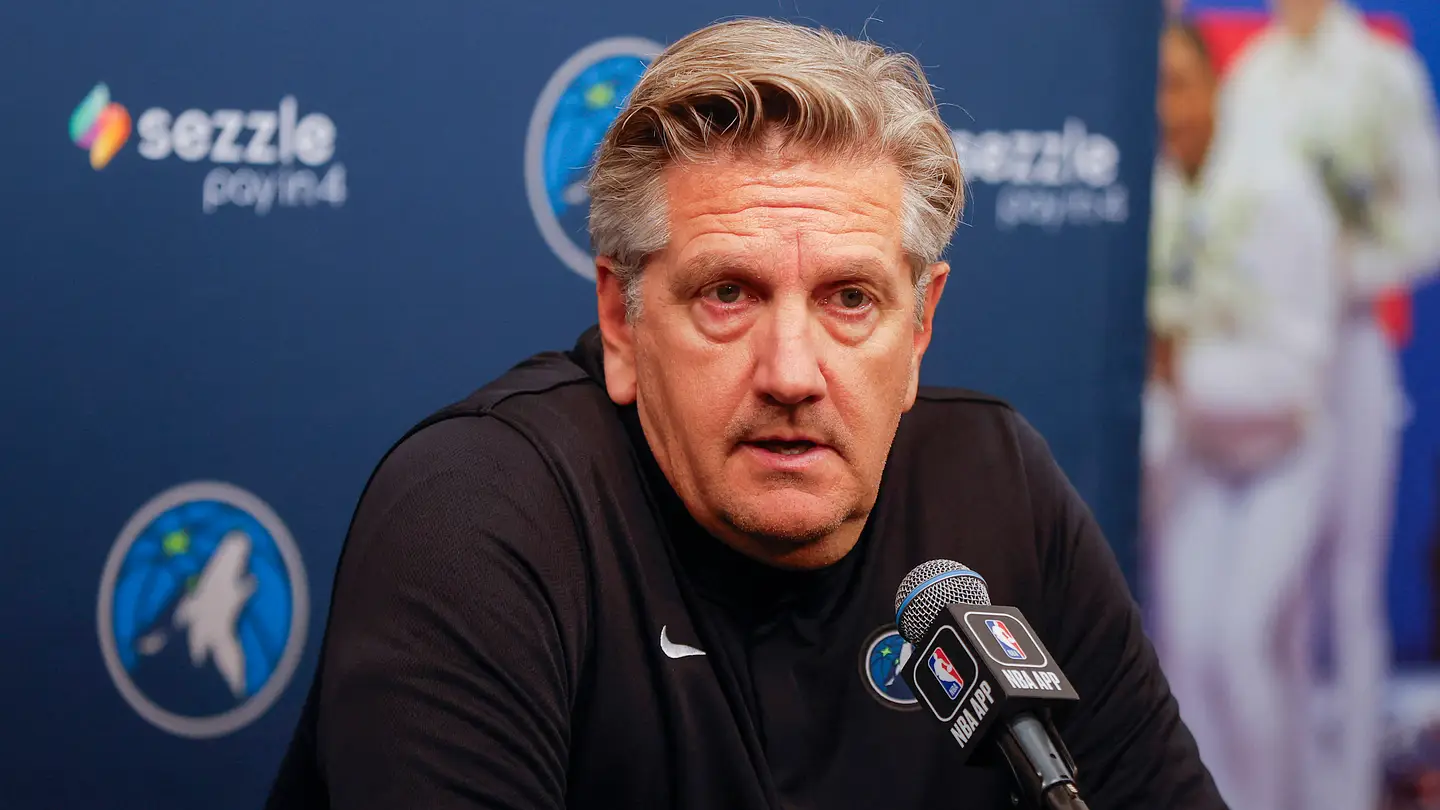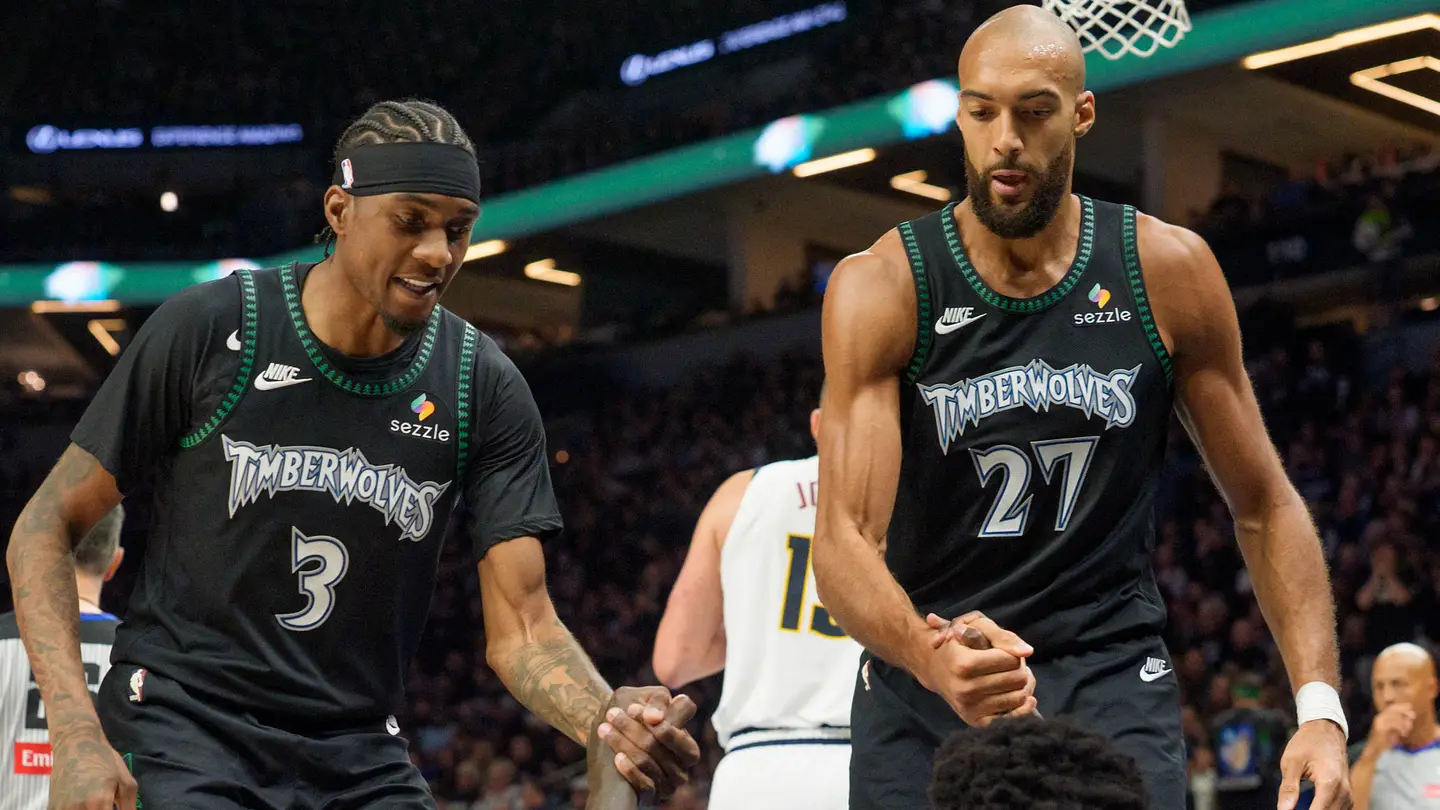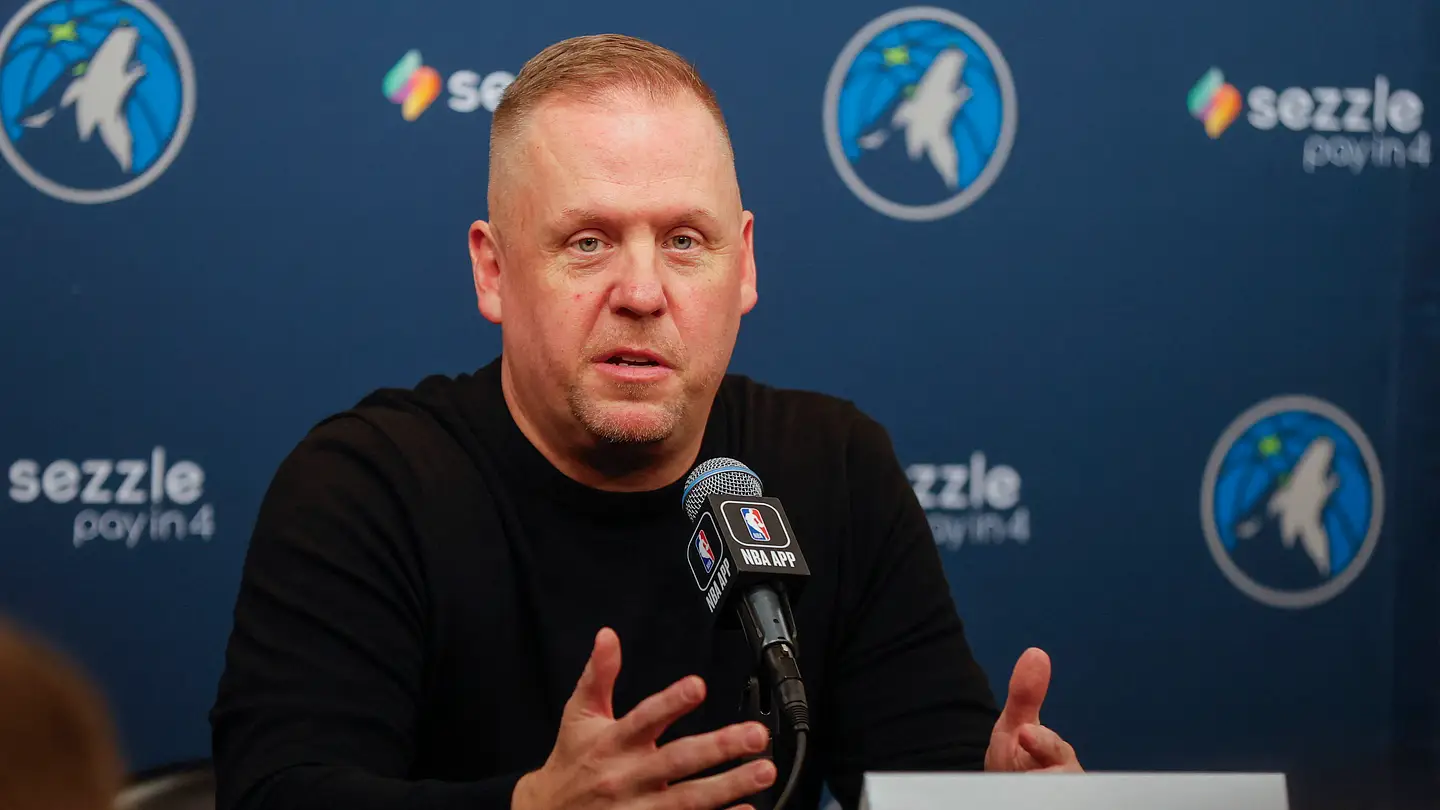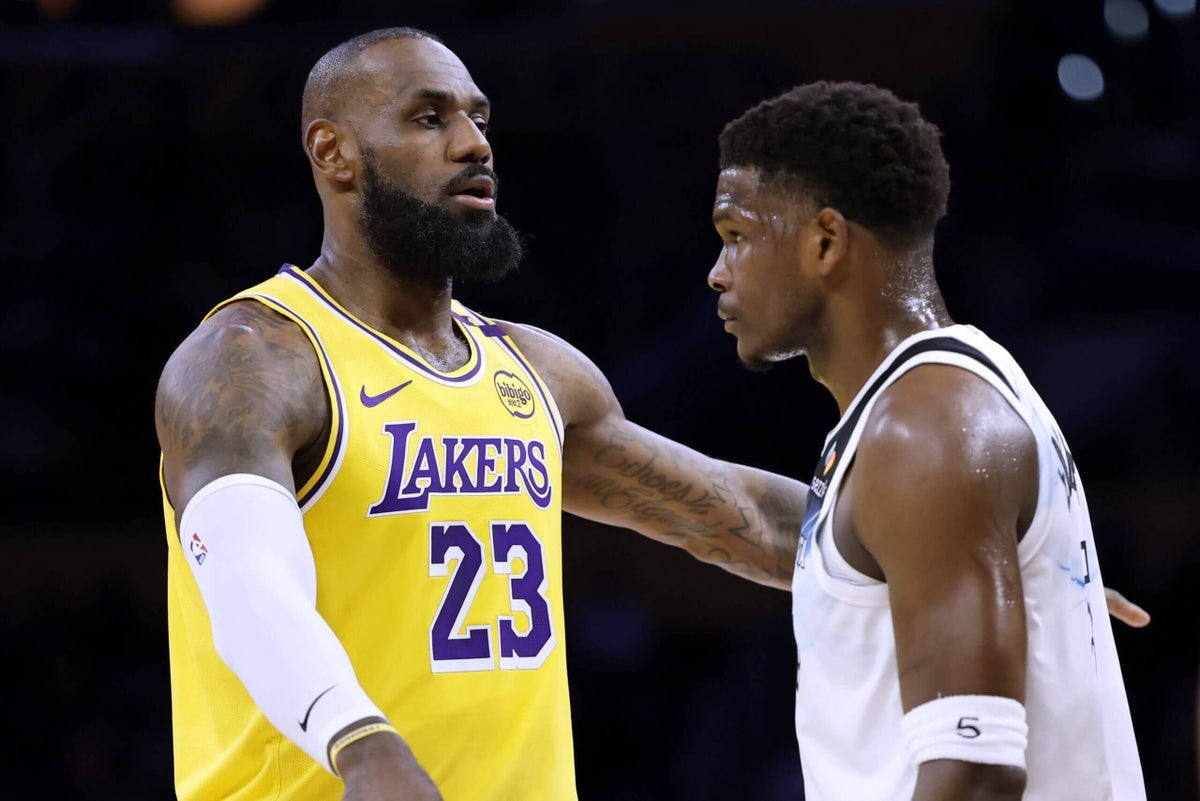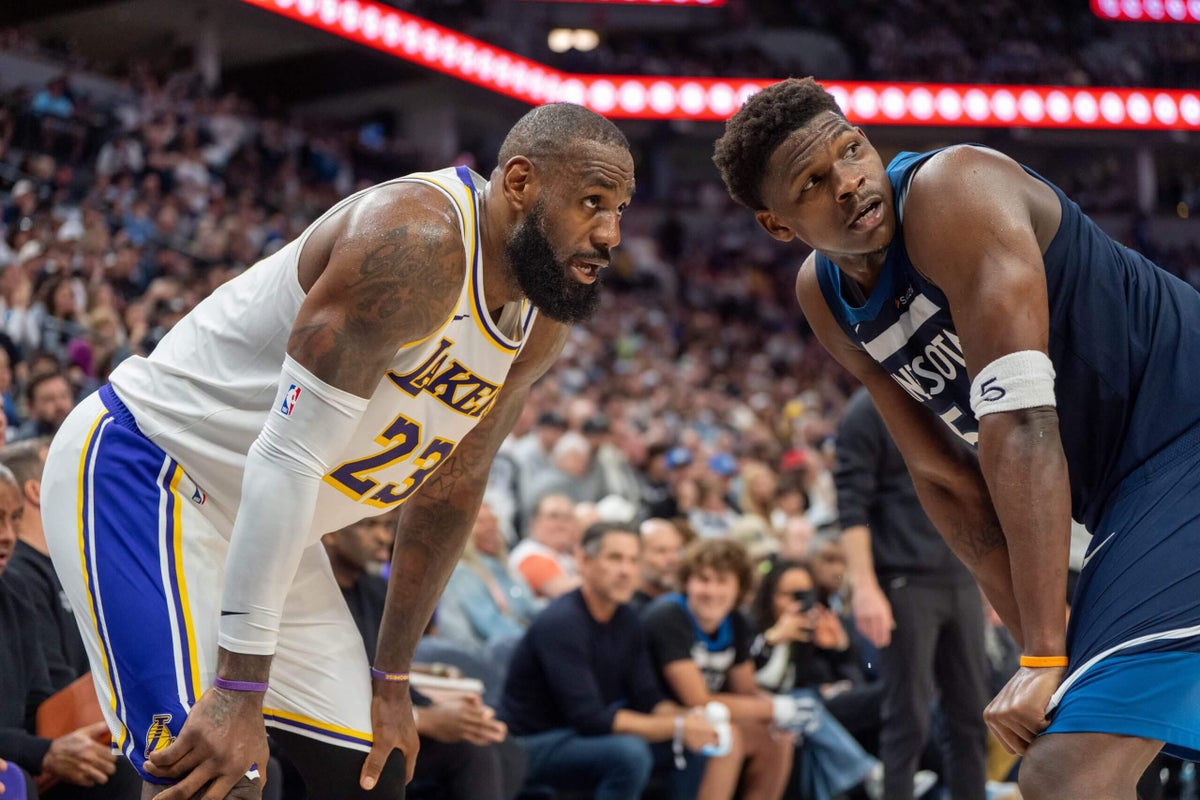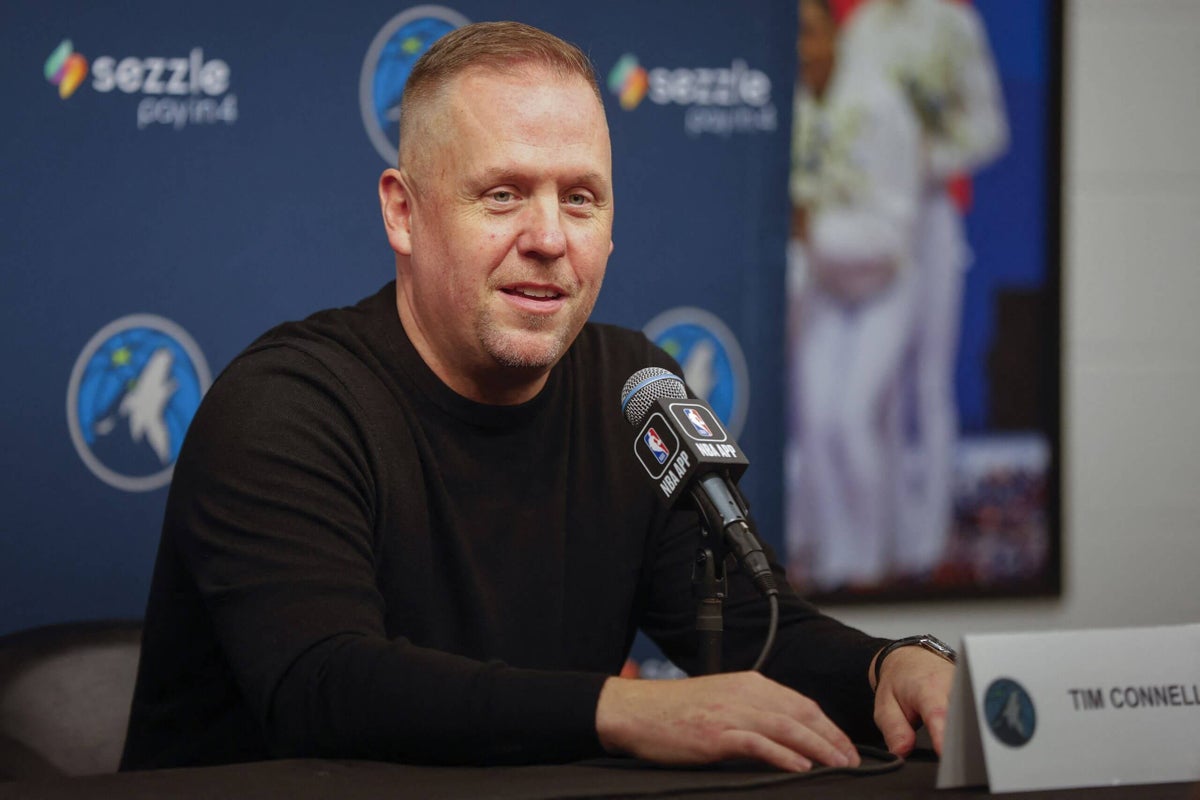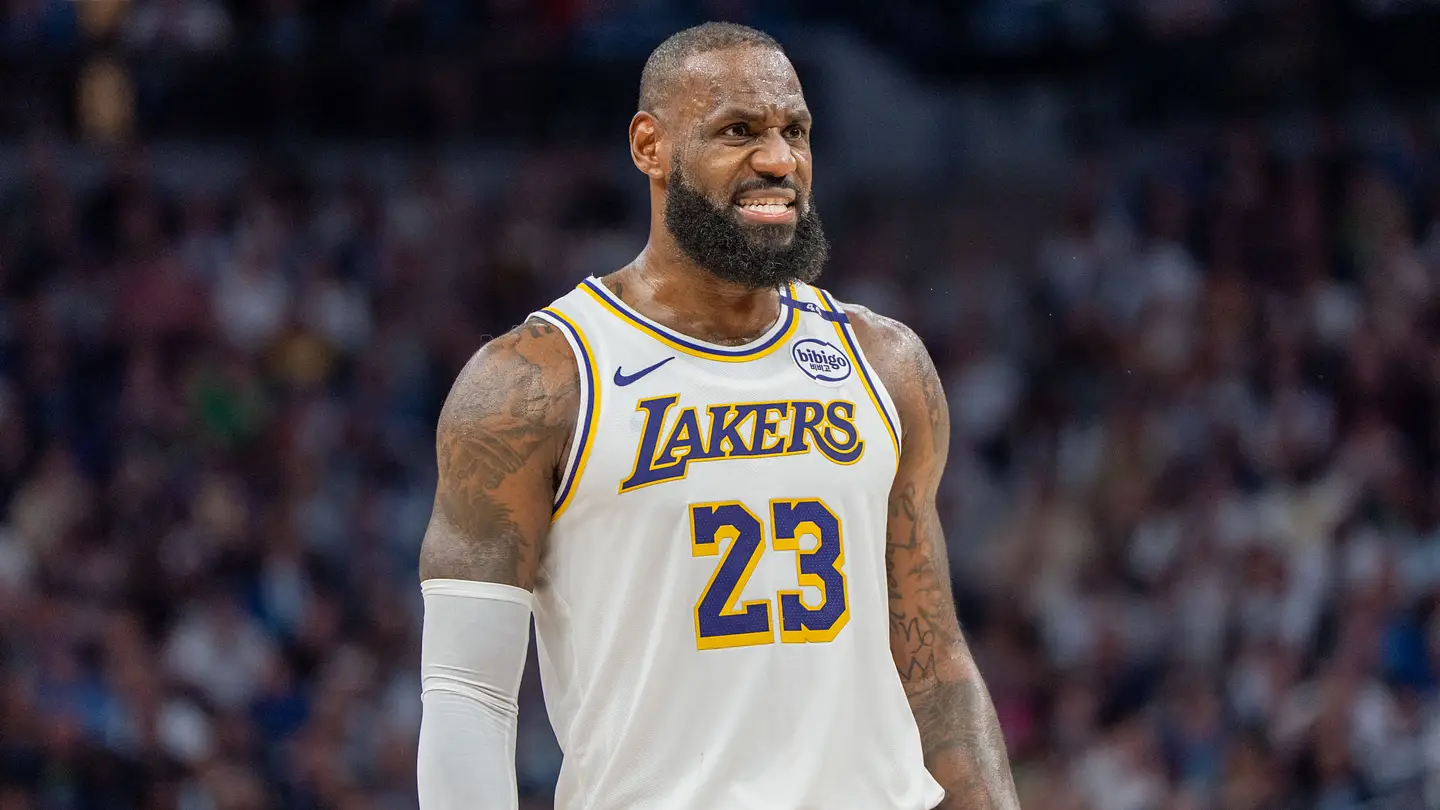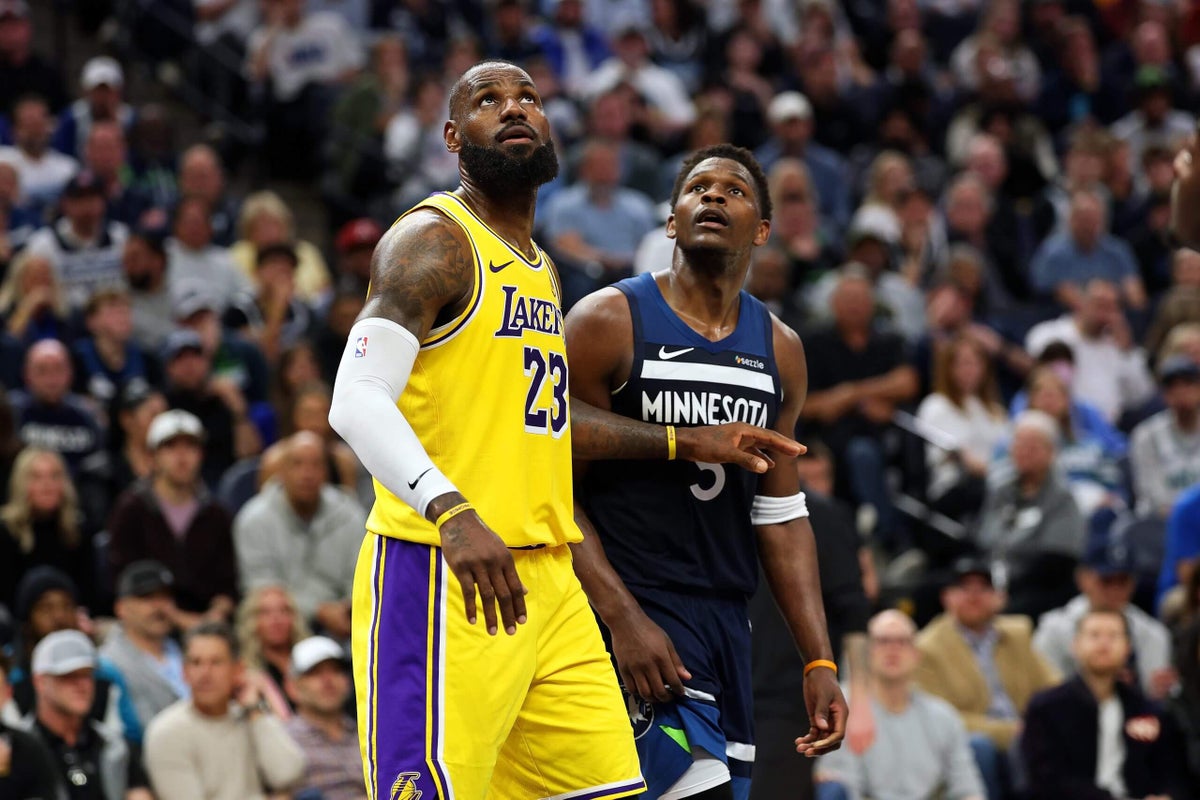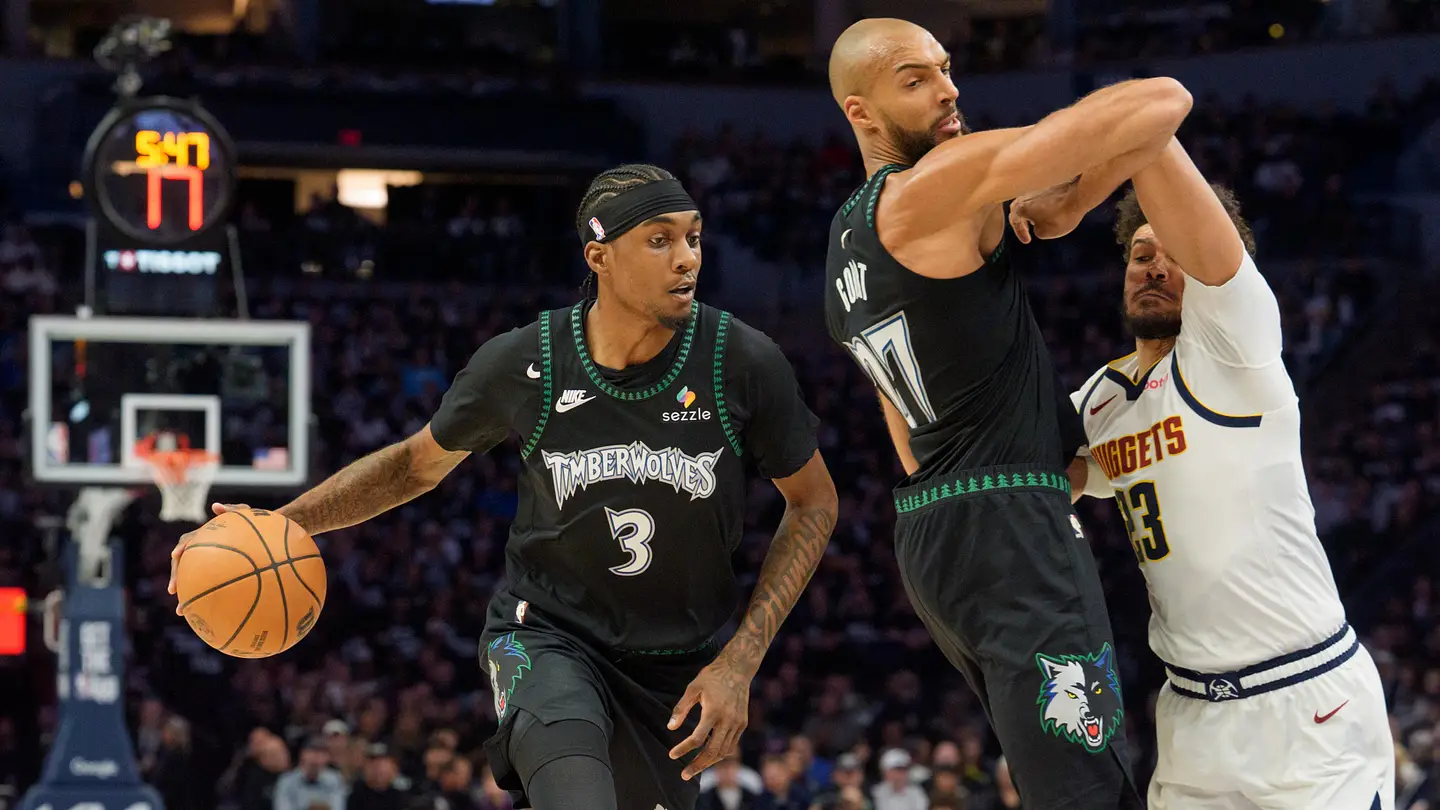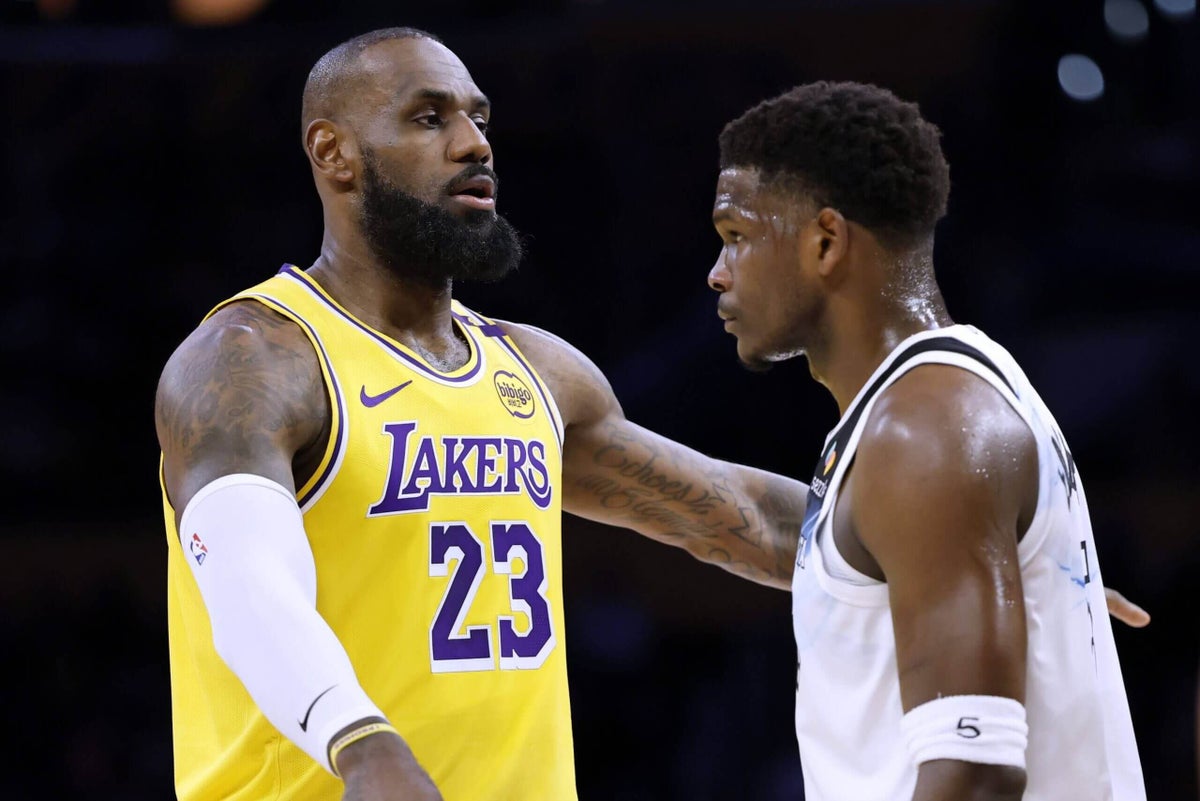
The Minnesota Timberwolves threw everything they possibly could at LeBron James to try to persuade him to chase a championship with them.Anthony Edwards and LaMelo Ball got on the phone with him. Alex Rodriguez led ownership’s pitch given their common ground as superstar athletes who have become business moguls. Tim Connelly’s longstanding working relationship with Rich Paul helped the two have extended conversations on the fit for James in Minnesota.Throughout the process, team sources said, the Timberwolves felt like James and his camp were giving them full consideration for his 24th season. Those sources spoke on condition of anonymity to be able to speak candidly about private negotiations. They always knew it was a long shot, but the prospect of putting James in a starting lineup alongside Edwards, Ball, Jaden McDaniels and Rudy Gobert was something they had to pursue all the way to the end.James ultimately decided on Friday to sign with the Philadelphia 76ers, ending a free-agency sweepstakes that lasted for nearly a month. Now that the dream is over for the Timberwolves, they will move ahead with a clearer picture of exactly how the roster will look entering training camp.Top 5 LeBron Lakers MomentsThe Timberwolves were recruiting James hard for several reasons, not the least of which were his ability to impact winning even at 41 and the belief that his vast experience competing for titles would be highly valuable to a young team that has yet to reach the mountaintop. But they also had a natural hole in their roster that James would have perfectly fit.To land Ball, the Wolves had to liquidate their depth at power forward, sending Julius Randle to the Brooklyn Nets and Naz Reid to the Charlotte Hornets. Adding Ball’s $41 million salary put Minnesota right up against the second-apron payroll threshold of $221.7 million for this upcoming season, leaving Connelly with little ammunition to address the lack of depth at the four. Had James decided to come and play in Minnesota for the league minimum, it would have been an incredible stroke of good fortune and removed any worries about the roster construction heading into Edwards’ seventh season in the league.While observers of the roster have expressed serious concern about the lack of size up front next to Gobert, Connelly and coach Chris Finch do not seem as bothered.“Certainly it’s going to be a new-look roster,” Connelly said. “And all credit to Coach Finch’s willingness to consistently evolve and coach what’s put in front of him. There’s not a more creative coach in the world, so we have full faith that whatever we put out there is going to be successful. “It might look different, but we’re excited about it.”The Timberwolves have been here before. When Connelly traded for Gobert in 2022, many across the league were convinced that pairing him with Karl-Anthony Towns was a fool’s errand. They would go on to reach the Western Conference finals in 2024 and, in some ways, help usher in a new era of supersized ball.When Connelly traded Towns to New York, many assumed that a frontcourt with one non-shooter in Gobert and another mediocre one in Randle would be doomed. While Minnesota did not reach the NBA Finals with that pairing, the Wolves advanced to another conference finals in 2025 and reached the second round last season.After losing to the San Antonio Spurs in May, the Wolves are pivoting again. This time, they are prioritizing a big, dynamic backcourt with Ball and Edwards over the frontcourt bully ball they have played the last three years.
Timberwolves’ LeBron pursuit falls short. Now they move forward with new-look roster
There's a clear lack of experienced size next to Rudy Gobert, but the Wolves are confident they have what it takes to adjust.
1,792 words~8 min read