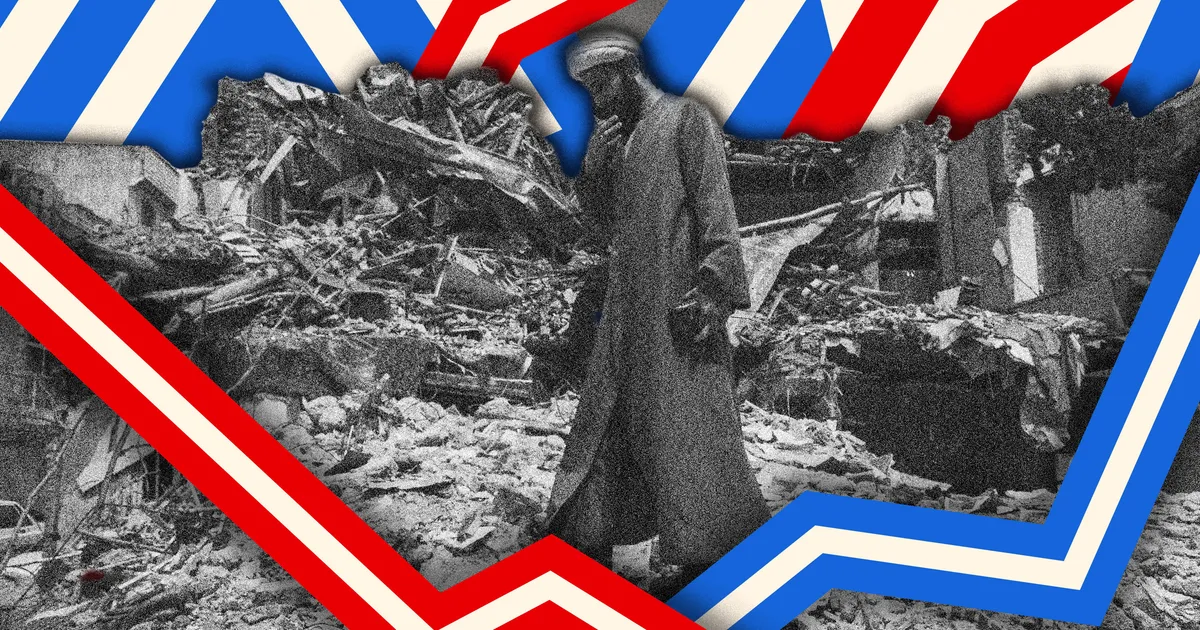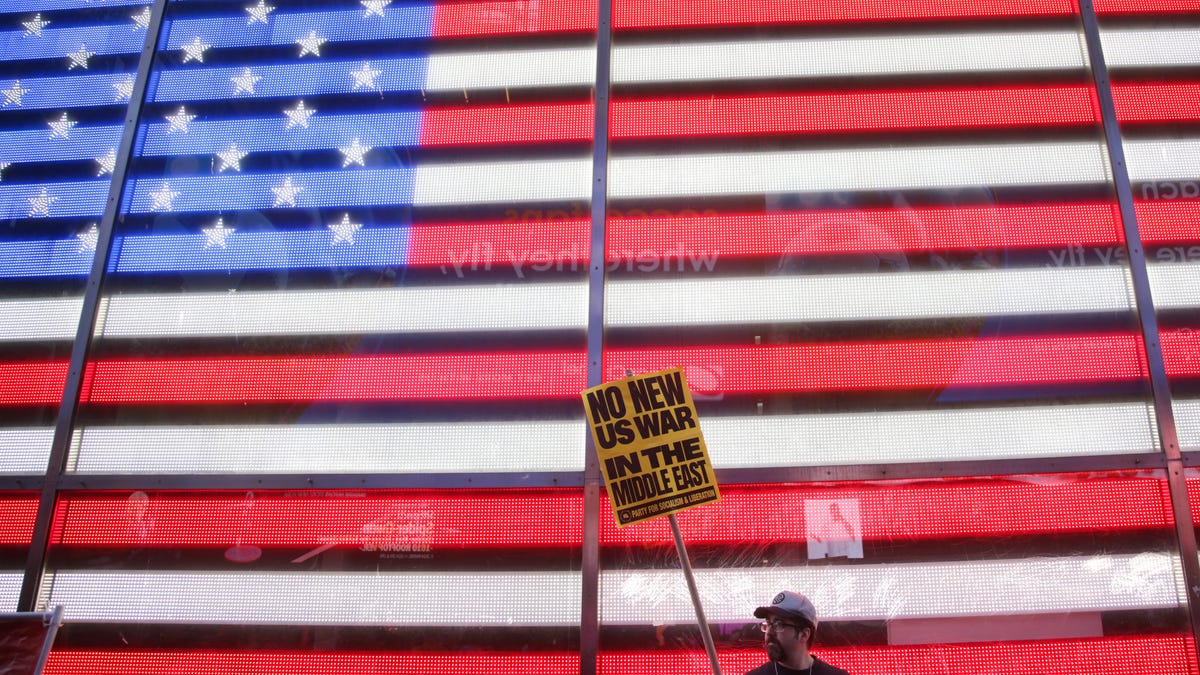
A Politico survey conducted this week found support among President Donald Trump’s supporters for continuing the war with Iran, even at rising domestic costs, falling from 50% in May to 37% in July. Nearly 1 in 5 MAGA voters is ready to end the fighting, whatever the cost, and 57% say the war has pushed gas prices upward. The broader public is harsher. Reuters/Ipsos polling last month found just 24% of Americans judged the war as worth its price.But whatever the polls say, national security decisions should not be made over considerations of popularity. The operative question is whether the threat is real and if the benefits of military action outweigh the prospective costs. Public opinion often follows results far more than it predicts them, and a leader who succumbs to domestic sentiment hands the adversary leverage. The American public may not like foreign wars, but what it dislikes more is losing them.History, as usual, offers guidance. Through 1940 and 1941, Gallup found that large majorities of Americans were determined to stay out of the European war. Within months of the Japanese attack on Pearl Harbor, support for the war became close to universal and held firm through conscription and hundreds of thousands of combat deaths. The United Kingdom faced the same in 1982. Before Argentina attacked its Falkland Islands territory in the South Atlantic Ocean, appetite for fighting over the islands was close to zero. Argentina’s sudden use of force transformed perception overnight, converting a distant territory into a national question of defending British citizens and upholding sovereignty against aggression. Support for the operation ran above 70% even as British warships were sunk and soldiers killed. Indeed, victory transformed Prime Minister Margaret Thatcher’s political standing.
Trump is right, polls can't decide Iran war
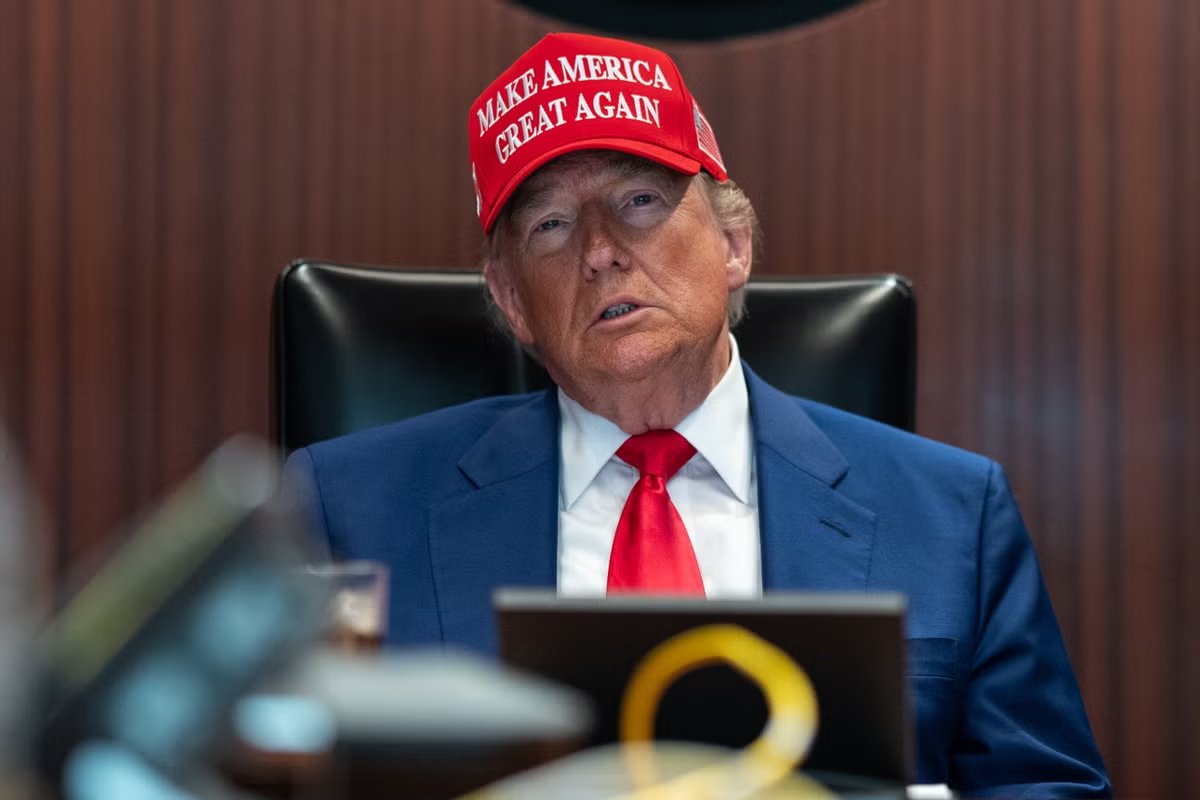
President Donald Trump is right. He cannot listen to the polls when deciding what to do with Iran.
692 words~3 min read