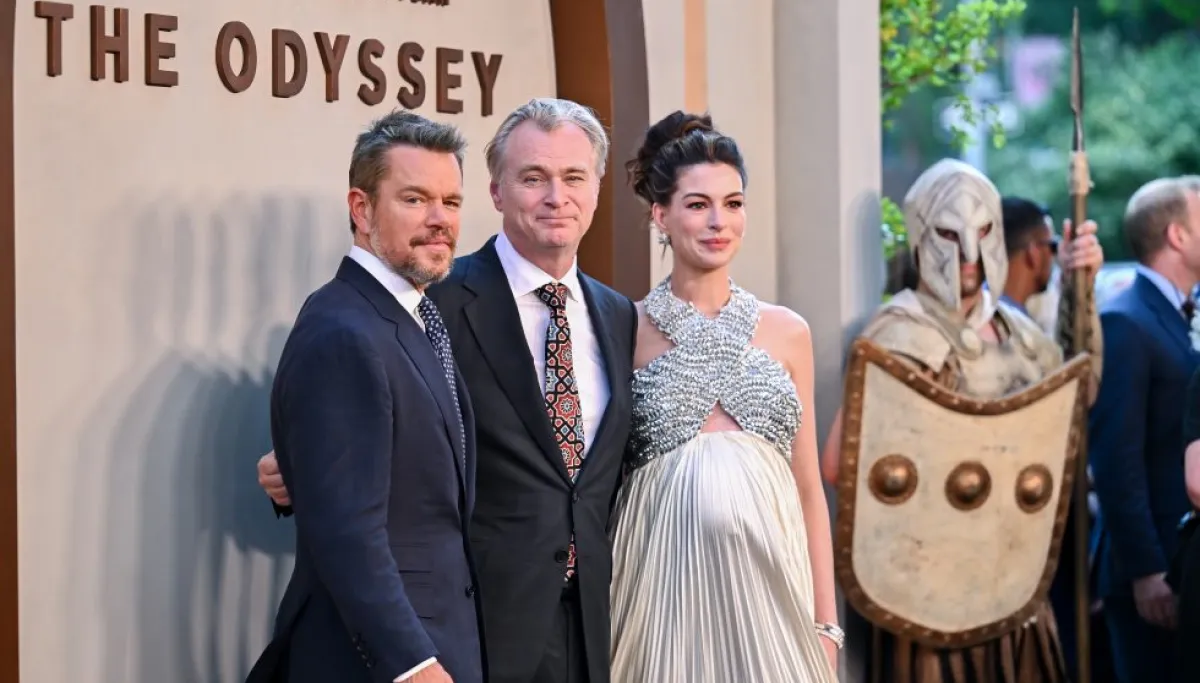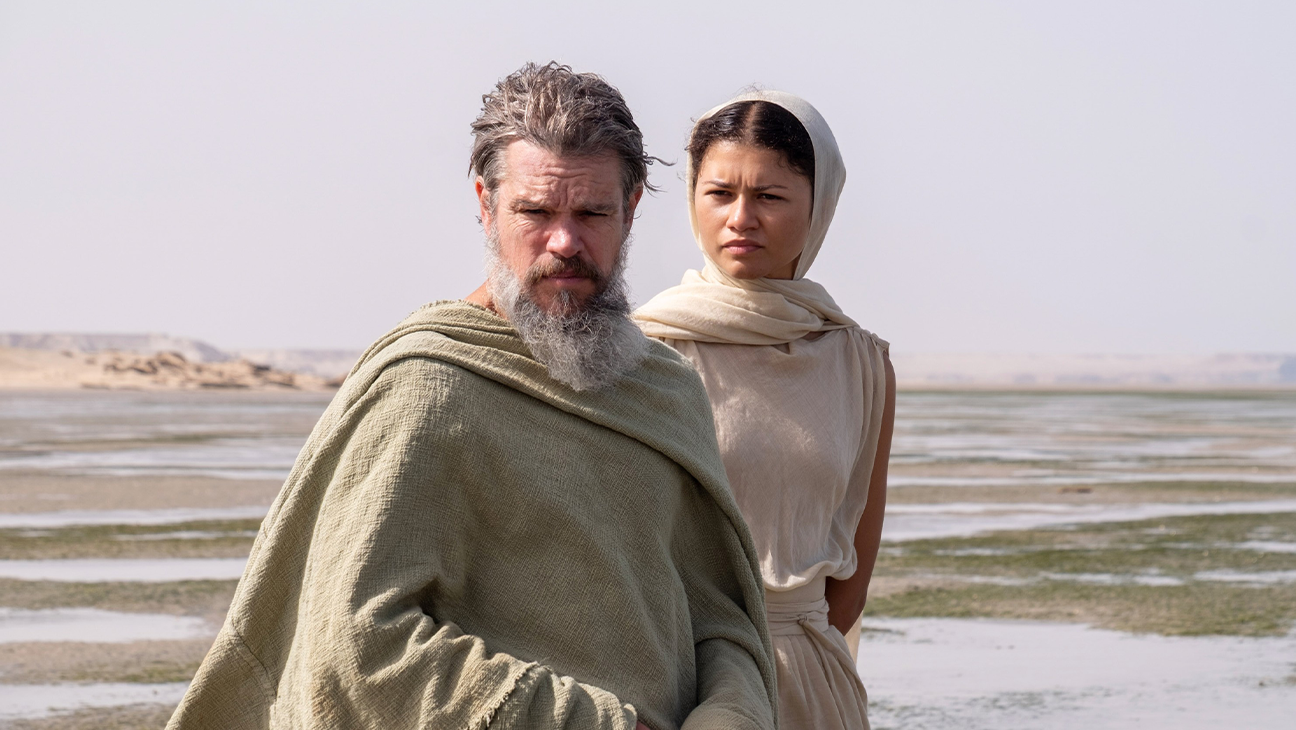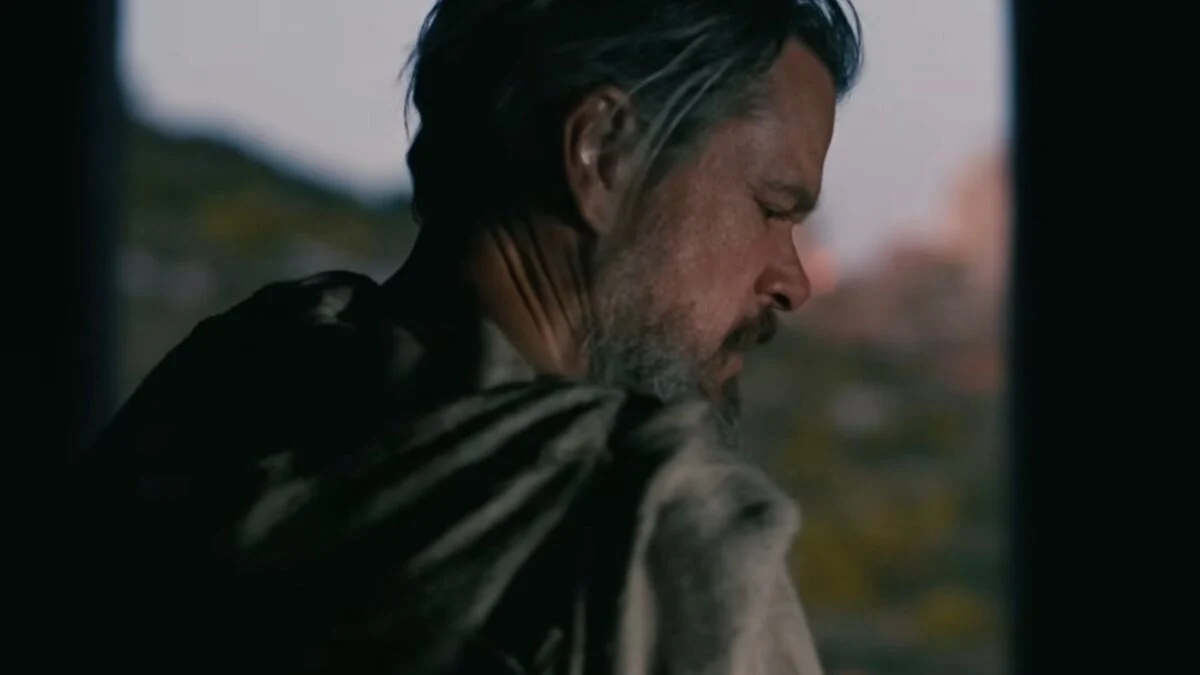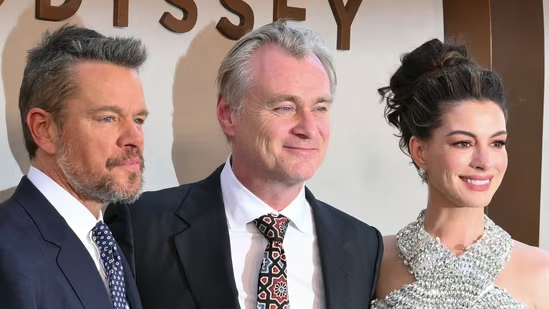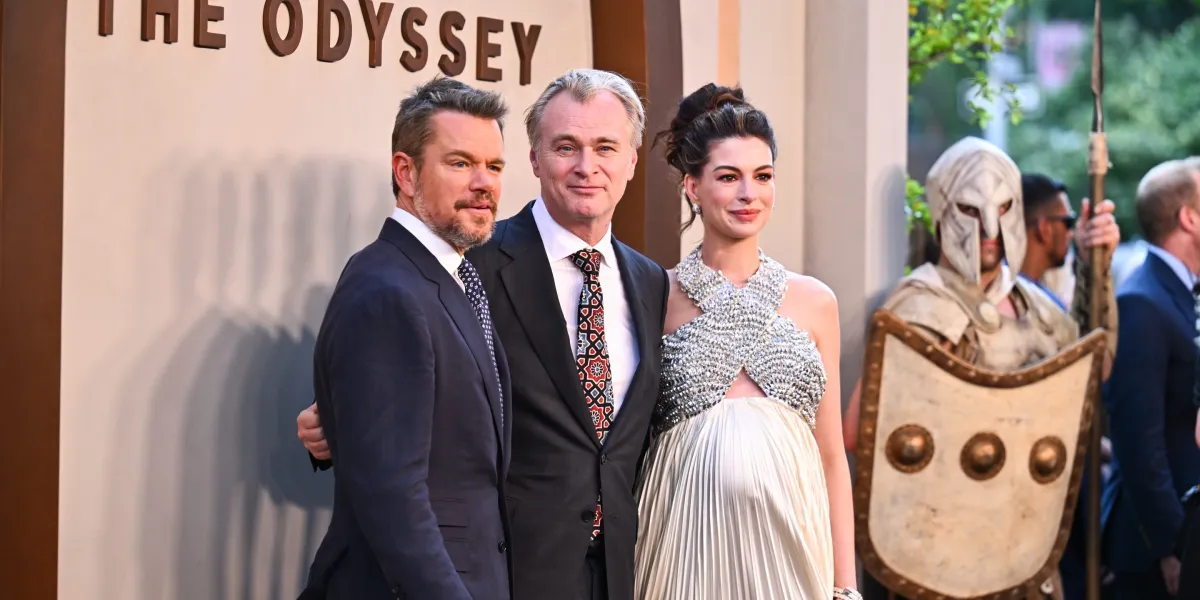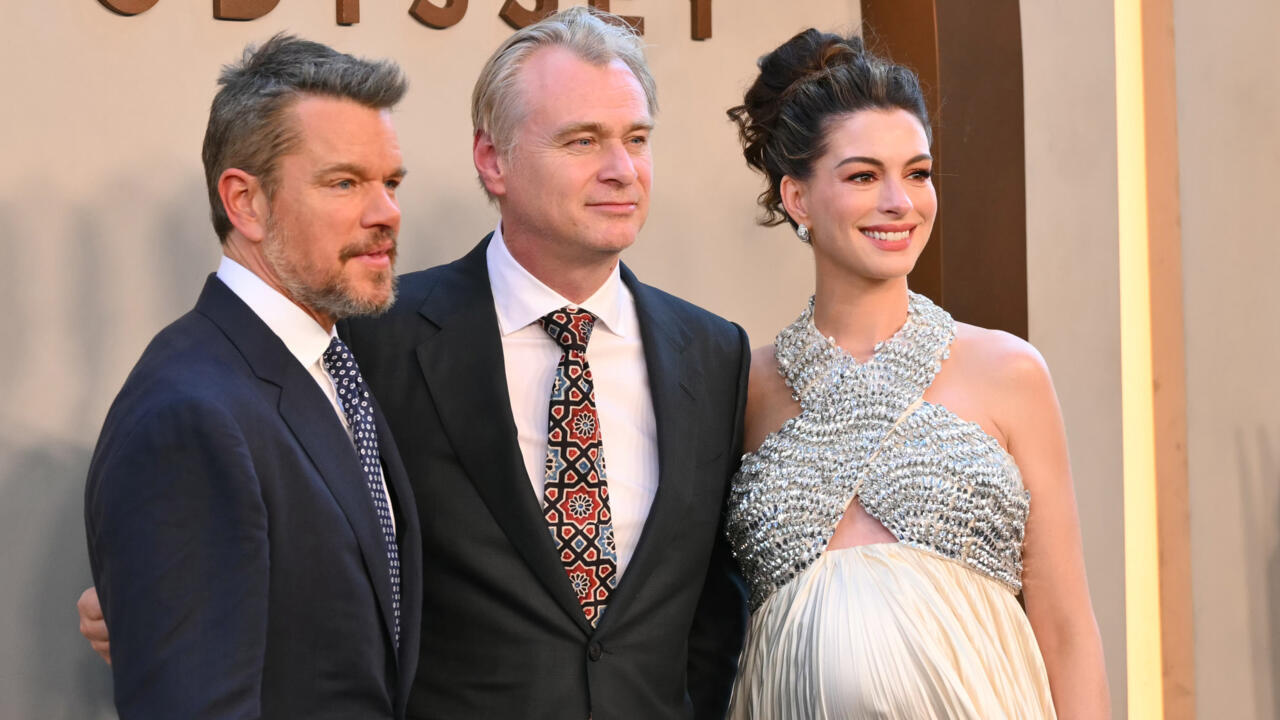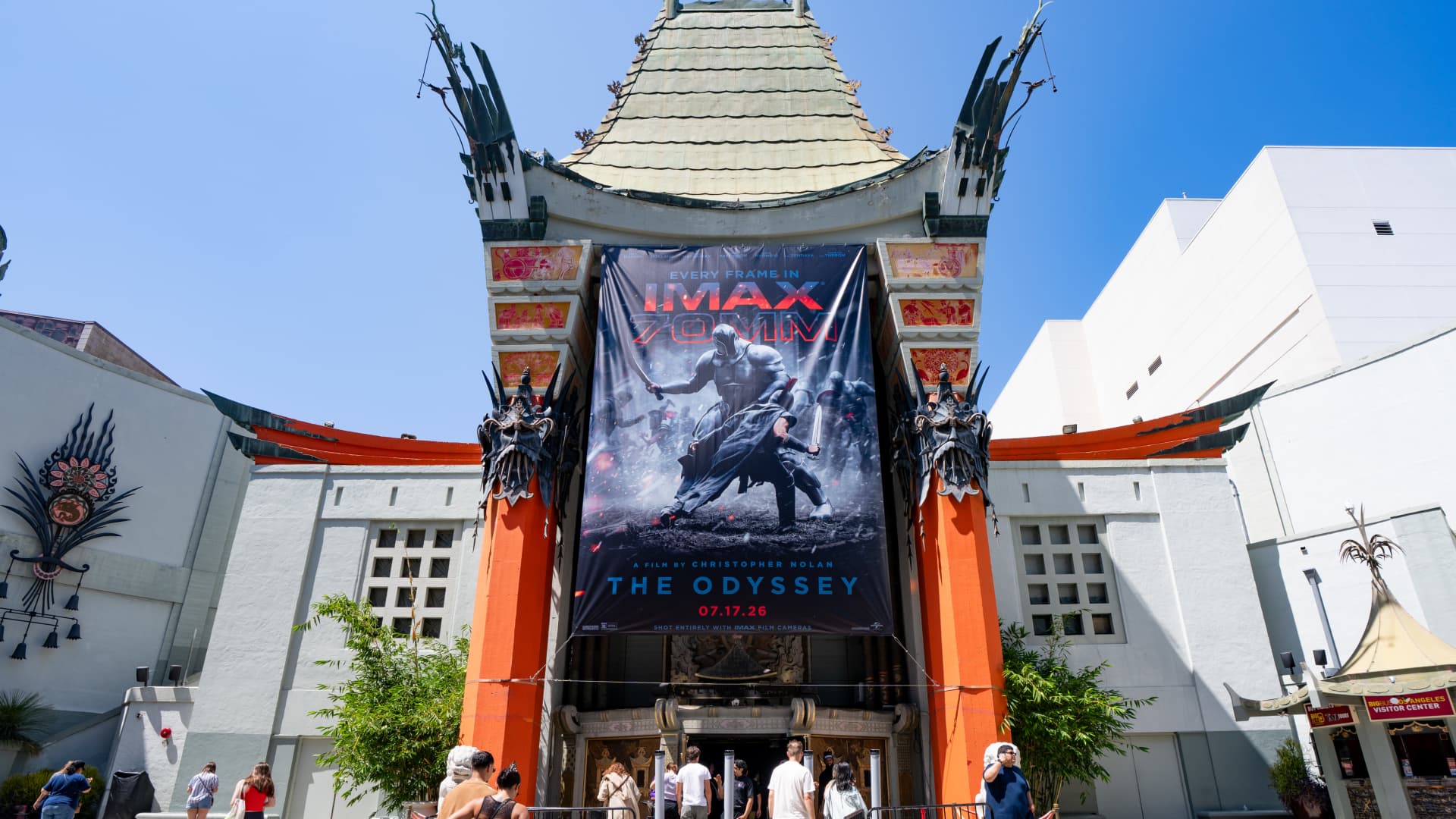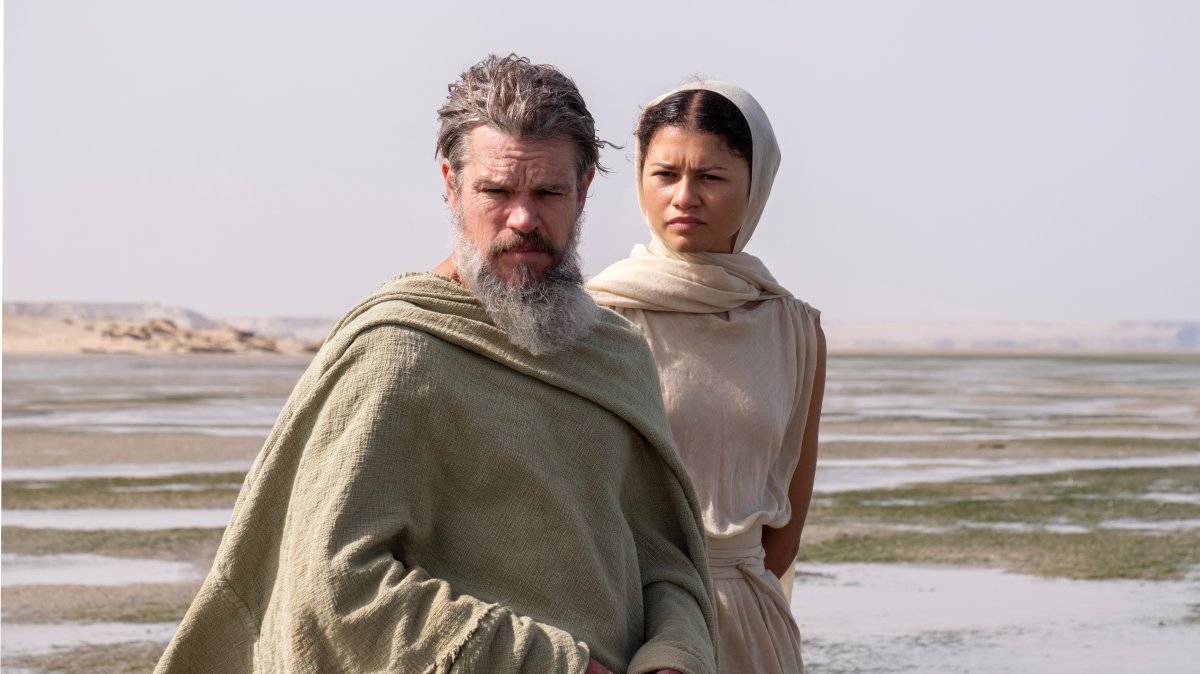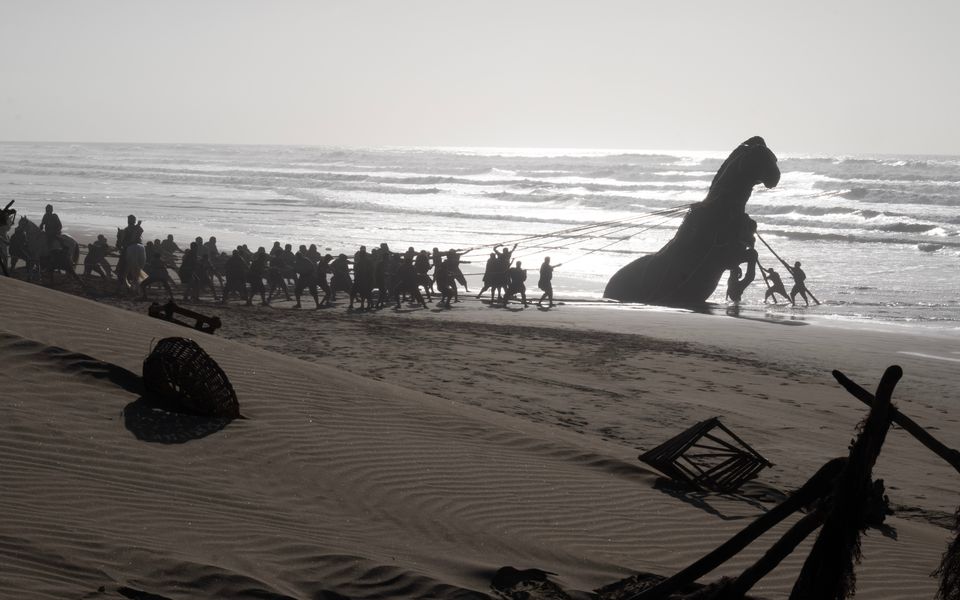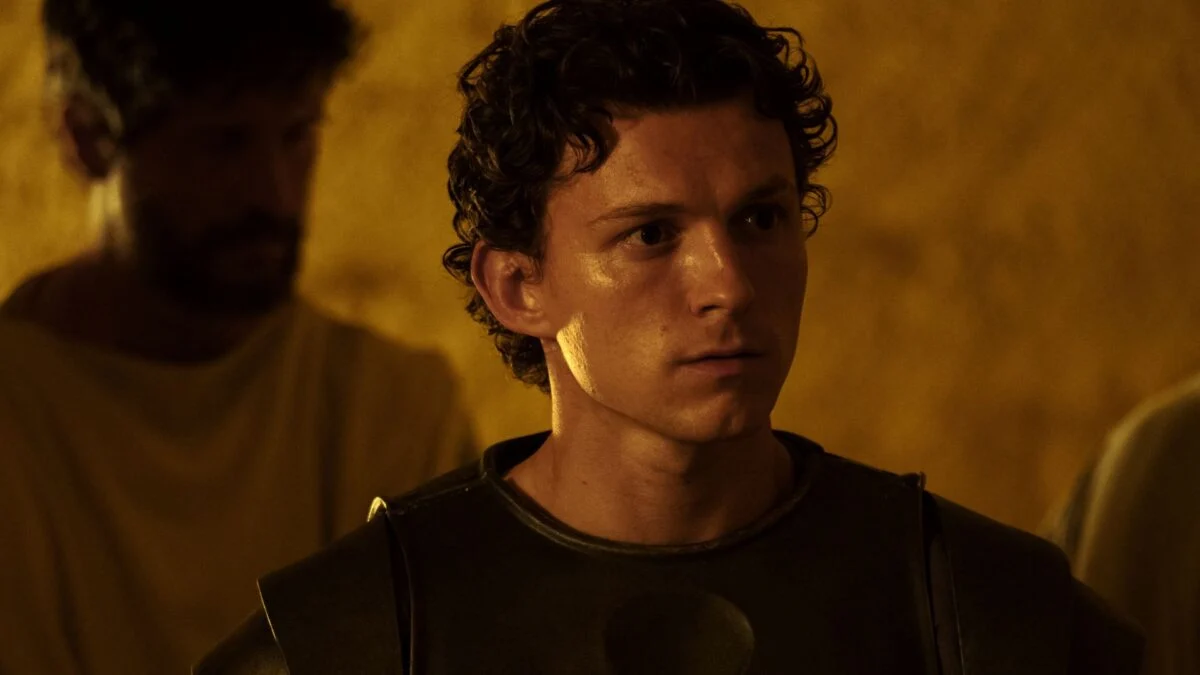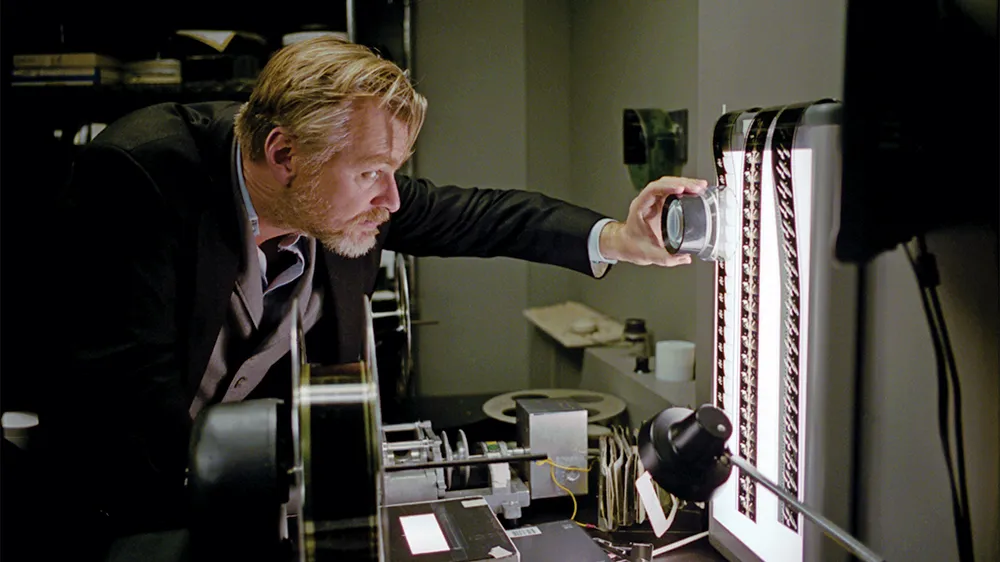
That Christopher Nolan would hit a home run with “The Odyssey” was as predictable as Odysseus’s return to Ithaca. What’s maybe a little more surprising is that he has hit a grand slam. The movie earned a staggering $124 million its opening weekend, with its IMAX showings sold out for the rest of the millennium (or close enough to it). Internationally, the film was Nolan’s biggest opening to date. Yet those numbers don’t tell the full story. This past week, Christopher Nolan has seemed like James Cameron the week “Titanic” opened — a filmmaker who’s conducting the entire planet. “The Odyssey” has become “Barbenheimer” all by itself. With rare exceptions, an army of critics (and even academic historians!) has been raving, shoring up the artistic credibility of Nolan’s three-hour Homerian epic. “The Odyssey” now looks destined to be a major player (maybe the major player) in the awards race. The film’s staggering success guarantees that Nolan, more than ever, can call the shots to make any movie he wants, leading the industry in any direction he favors.
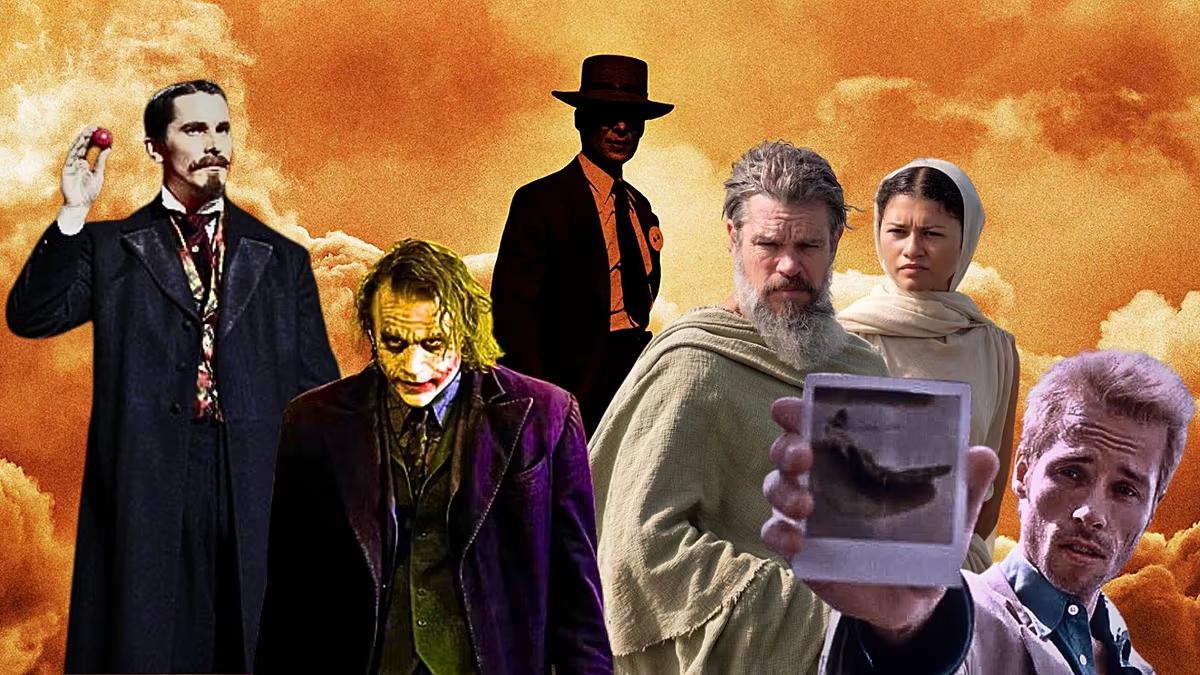
Nolan has now scaled that peak of populist mystique shared by only a few directors in movie history: Spielberg, Hitchcock, Kubrick, Tarantino. A Christopher Nolan film is inevitably an Event, and that extends to the way we watch it. The audience — our anticipation and excitement, the afterglow of our response — is woven into the Event. In that sense, every Nolan film is a self-fulfilling prophecy — not a masterpiece, necessarily, but a work so singular in its vision that it creates the big-swing aura of a masterpiece, each with its own world-building majesty. Whether or not any given Nolan film totally “works” is, in a way, almost irrelevant. He’s making head trips for the masses, and so every Nolan film automatically qualifies as his new Ultimate Trip.