This audio is auto-generated. Please let us know if you have feedback.
In June, hope abounded that a preliminary U.S. ceasefire with Iran and the Strait of Hormuz reopening would renormalize plastics markets following war-related supply chain disruptions and price spikes. But in July, the conflict again escalated, causing disturbances and uncertainty, and pushed some converters further toward swapping out virgin materials for recycled resins.
Experts believe one thing is clear for both virgin and recycled markets: Impacts will now last into 2027 regardless of when the conflict potentially ends.
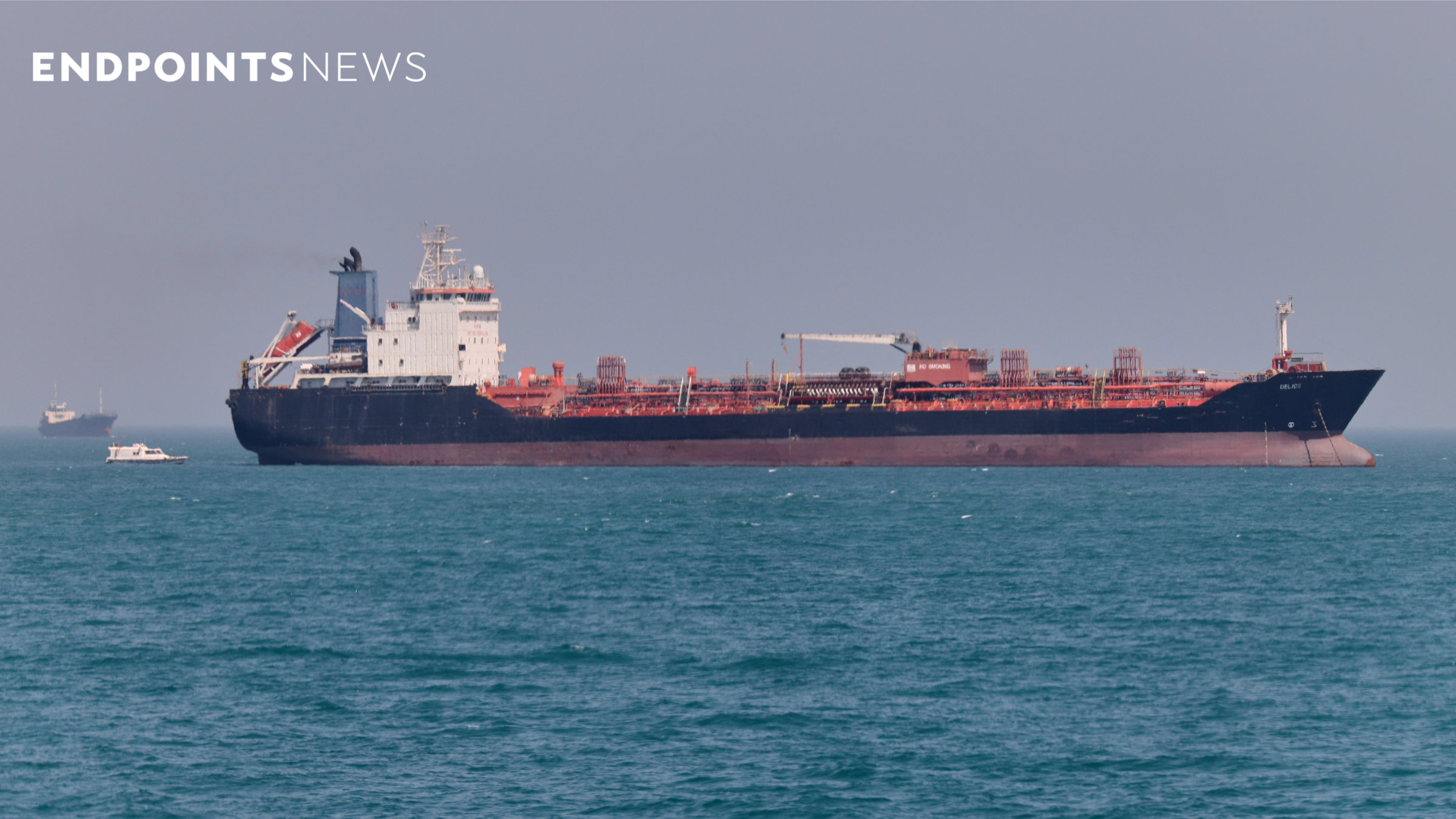
Global petrochemical and polyolefin movement aligns with overall ship activity through the Strait of Hormuz, which dropped off precipitously during the war’s early days in March. Activity remained depressed for months but showed signs of life in late June following the peace deal announcement. That quickly fizzled when bombing resumed in July. Today, ship movement is closer to the low levels observed in early spring, according to the latest data from PortWatch.
Strait of Hormuz ship activity dropped sharply in early March and remained low until a brief uptick in early July