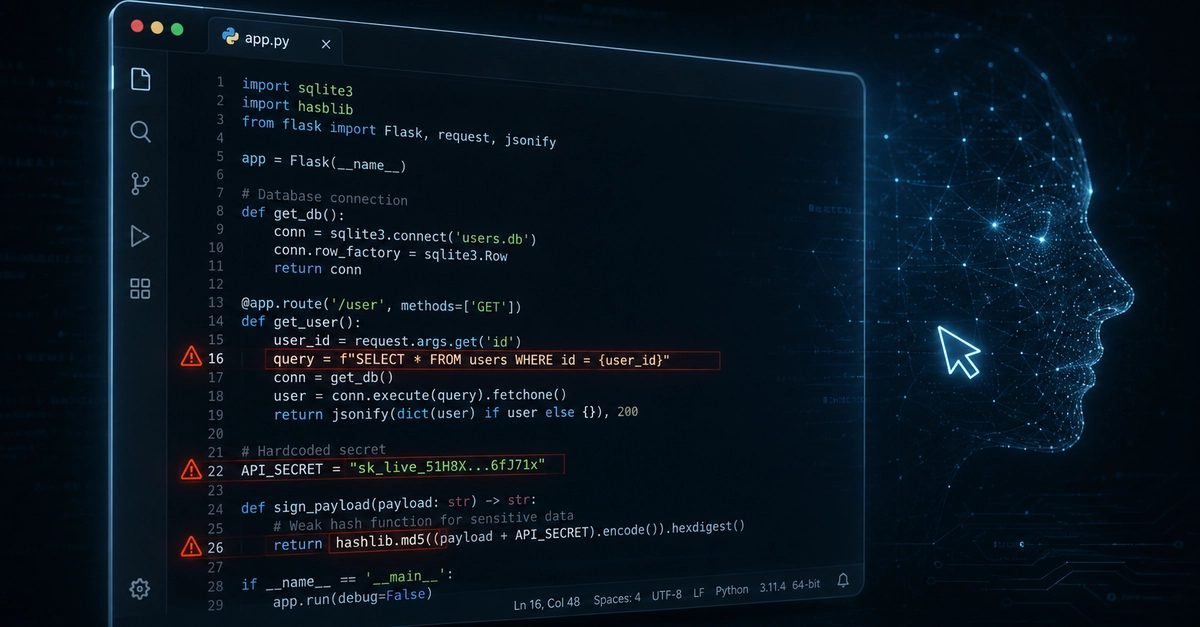
A few weeks ago, while working on AI-generated code snippets we had added to our projects, we encountered an unexpected security vulnerability. This incident forced us to re-evaluate the risks and costs associated with AI code generation tools, which are rapidly adopted for their promise of increased efficiency. Now, we must not only verify the correctness of the code but also question its origin and security posture. In this post, I will dissect the anatomy of security vulnerabilities in AI-generated code, understand why they emerge, and most importantly, address the hidden costs of remediating these vulnerabilities.
The Rise of AI-Generated Code and Its Hidden Costs
AI-powered code generators have changed the game in software development. The efficiency they offer in automating repetitive tasks, accelerating prototyping, and even providing starting points for complex algorithms is undoubtedly immense. However, this shiny coin has another side: security. AI-generated code can inadvertently open the door to new security vulnerabilities in our systems. Ignoring these vulnerabilities can lead to significant long-term costs, both financial and reputational.
The fundamental problem with this rise is that AI-generated code is not always secure or fit for purpose. Generators mimic patterns from the datasets they are trained on; these datasets can include old, insecure, or faulty code examples. Therefore, the code AI provides us might itself carry latent (hidden) security flaws. These hidden costs are serious consequences that are not immediately apparent but reveal themselves when a security breach occurs.