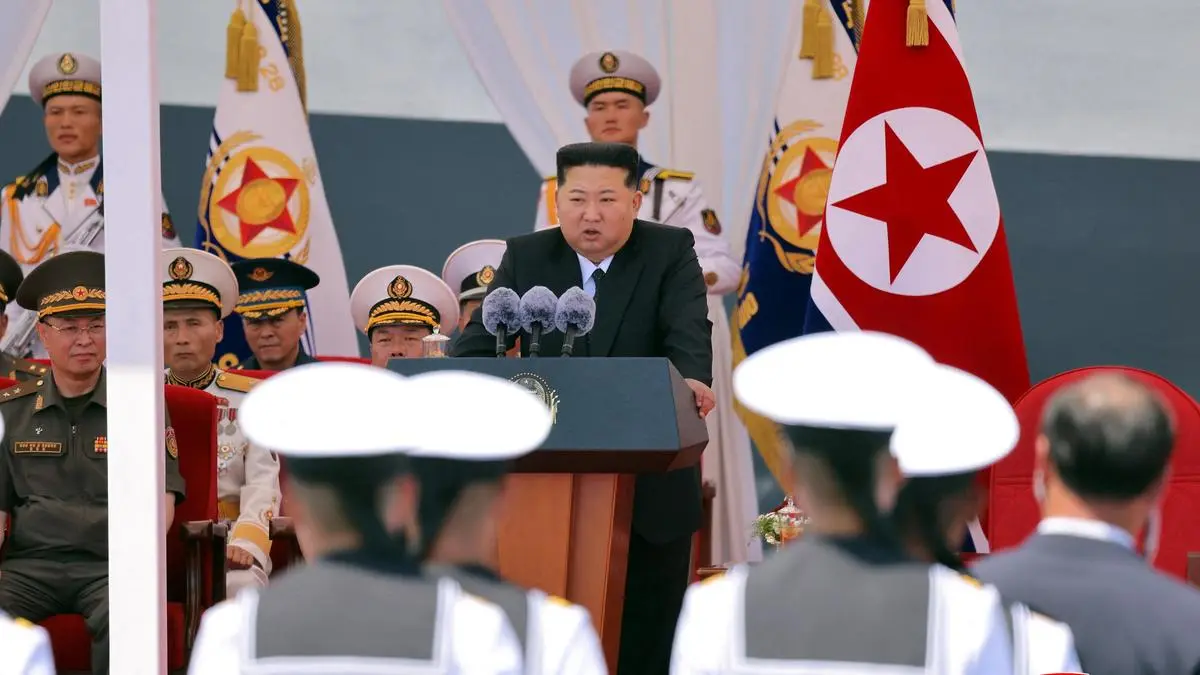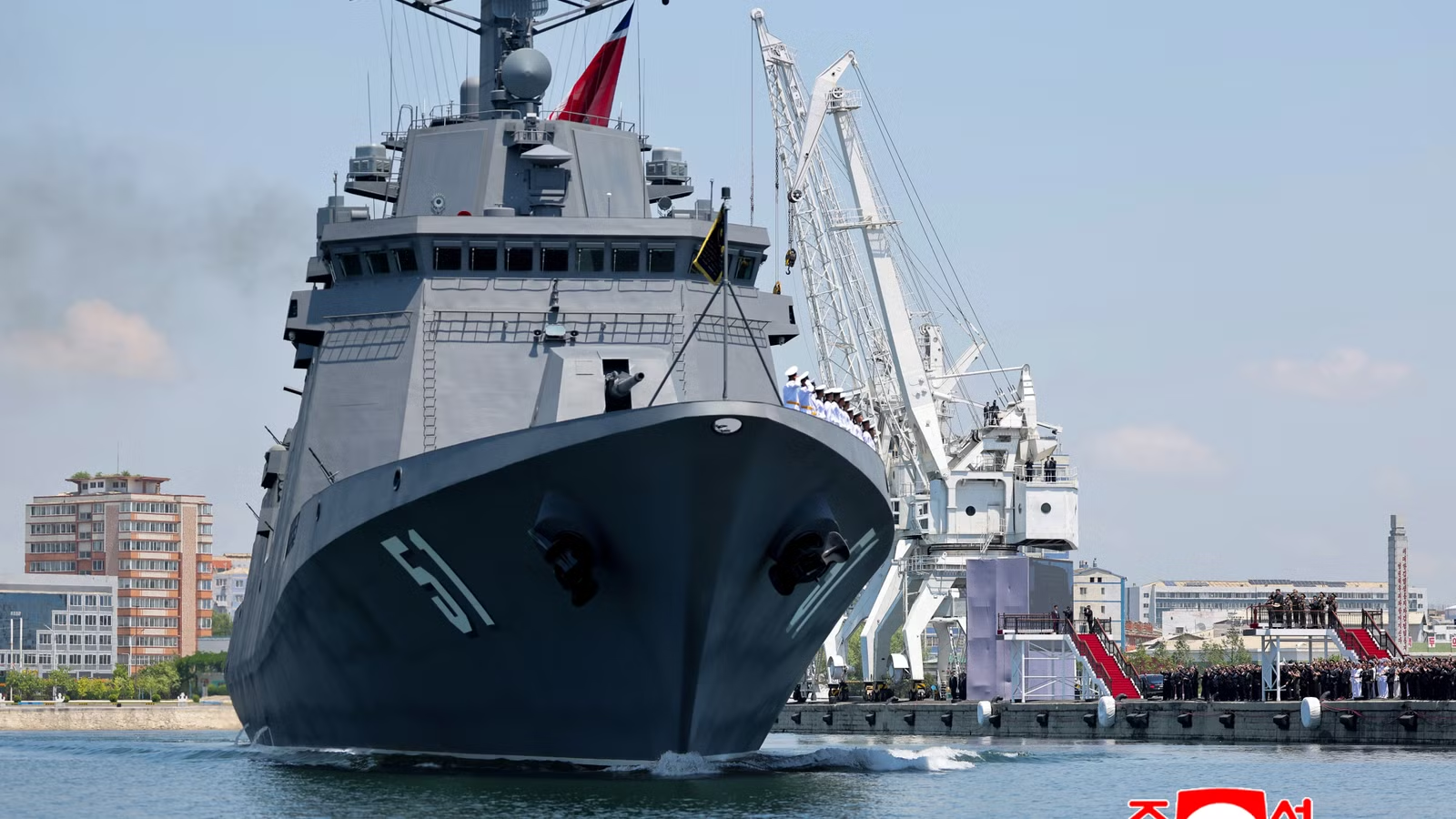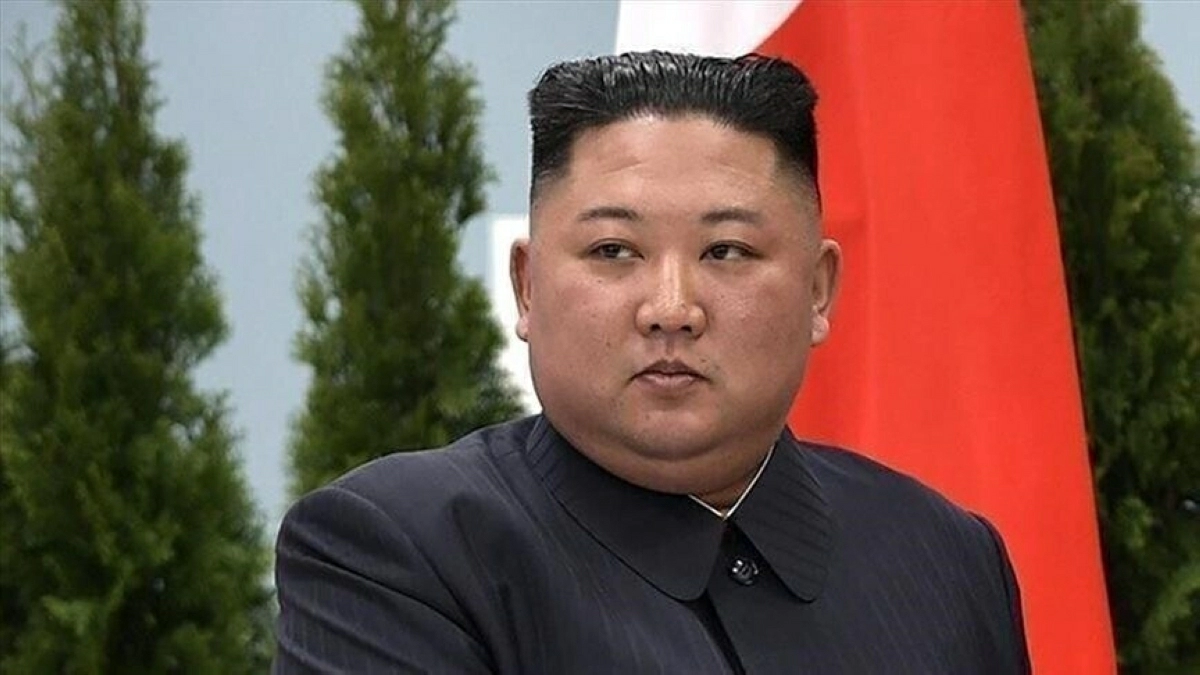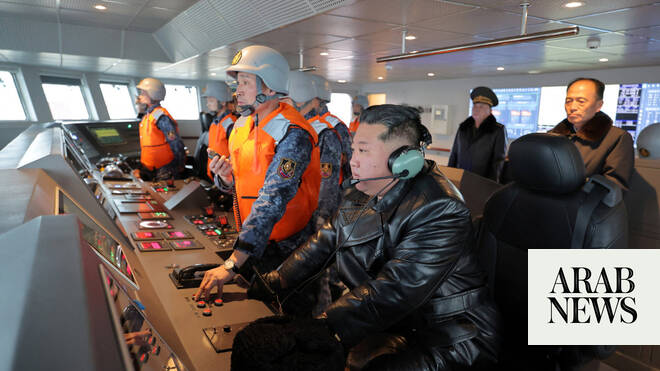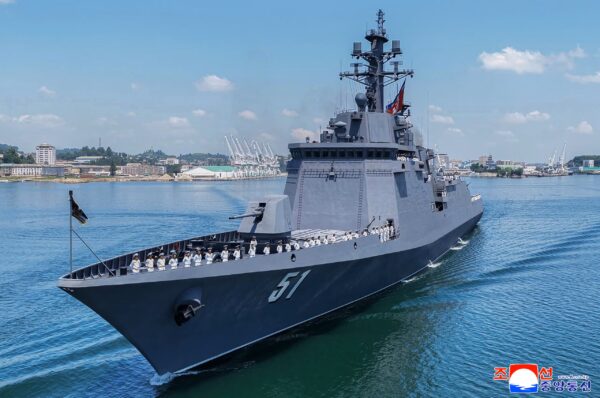
Nuclear-capable cruise missiles rose from the soon-to-be commissioned North Korean guided missile destroyer, Kang Kon (52), as Supreme Leader Kim Jong Un watched on July 3. The launch was conducted less than two weeks after the Korean People’s Army Navy (KPAN) formally commissioned the 5,000-ton destroyer Choe Hyon (51), North Korea’s largest domestically produced surface warship.
These two events underscore indications that North Korea is engaging in a concerted effort to build up its navy. At the Choe Hyon’s commissioning, Kim declared that the KPAN had entered a “new era” after “over 70 years” of naval stagnation.
These developments indicate that North Korea has modified its hierarchy of defense priorities by elevating the importance of the KPAN. The rapid construction of large surface combatants, new naval bases, and modernization of existing bases are evidence of this elevation. If continued, this trend could disrupt allied naval dominance and complicate U.S. nuclear deterrence efforts. That, in turn, could encourage the Kim regime to act more aggressively, increasing the probability of a conflict breaking out on the Korean Peninsula. Fortunately, the United States, South Korea, and Japan can still counter this developing threat.