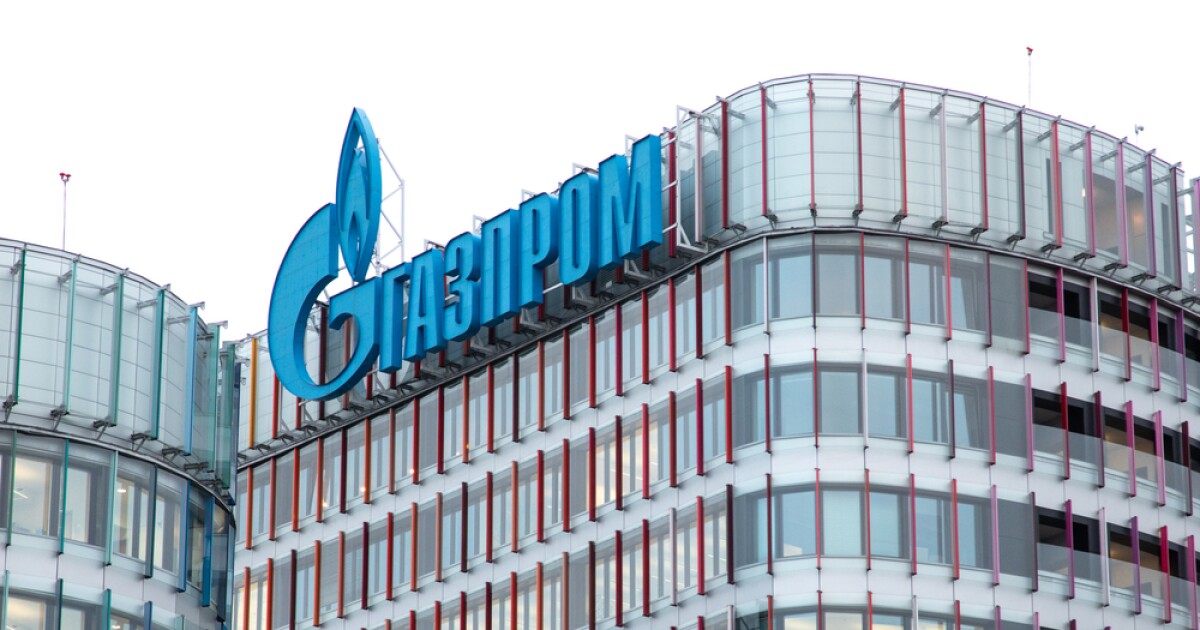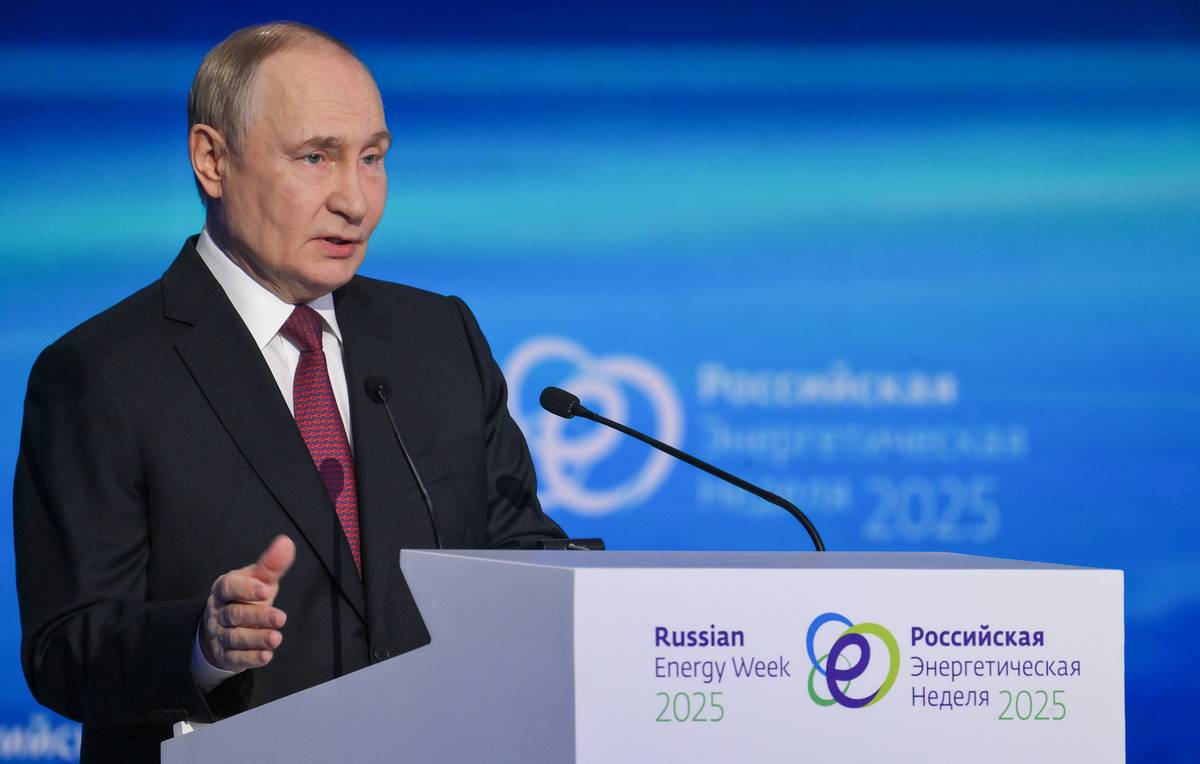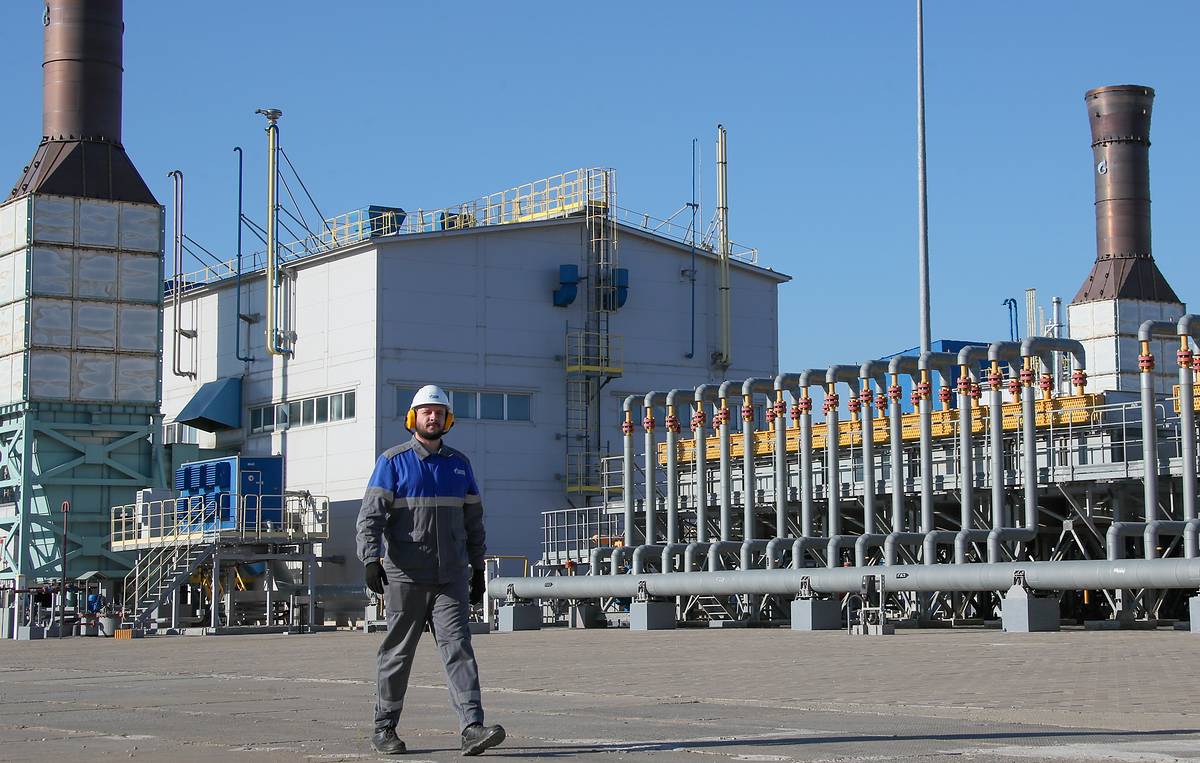
During this year’s St. Petersburg International Economic Forum, Gazprom’s pavilion featured a design conspicuously inspired by wood. To many, this was an unmistakable reference to Vladimir Putin’s 2022 remarks, when he mocked Europeans by suggesting they could always burn firewood instead of Russian gas, much like they did “in the Middle Ages.”
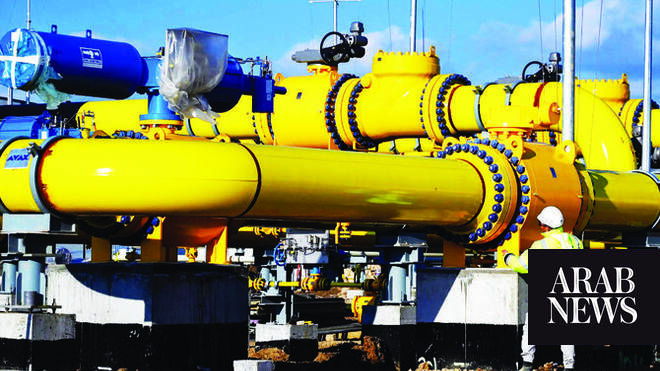
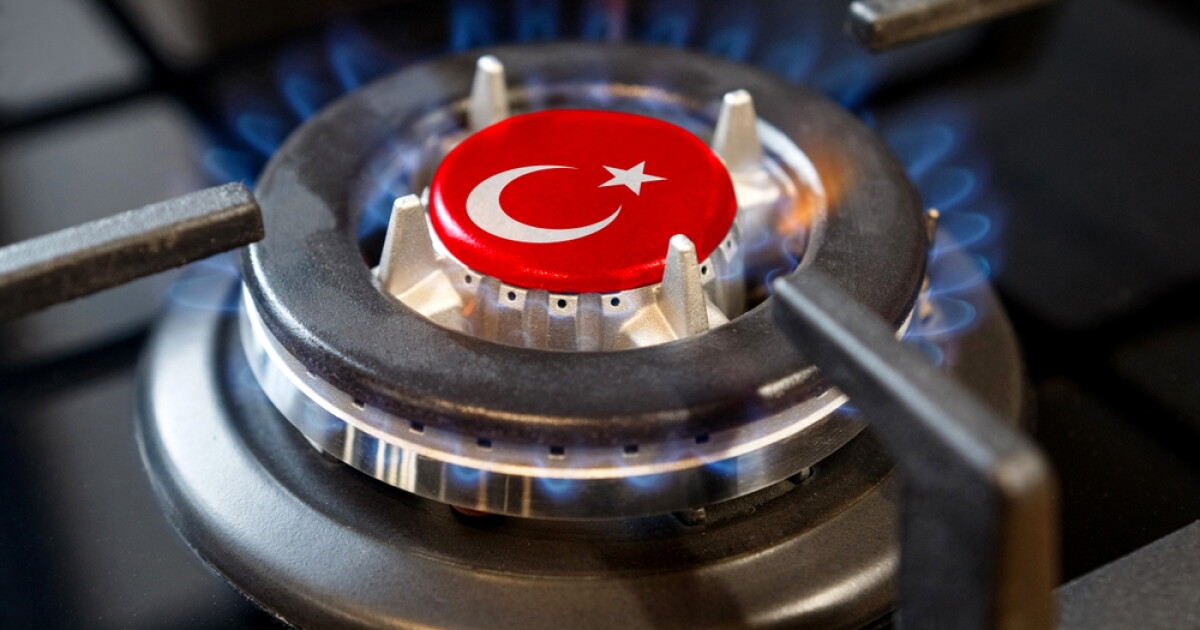
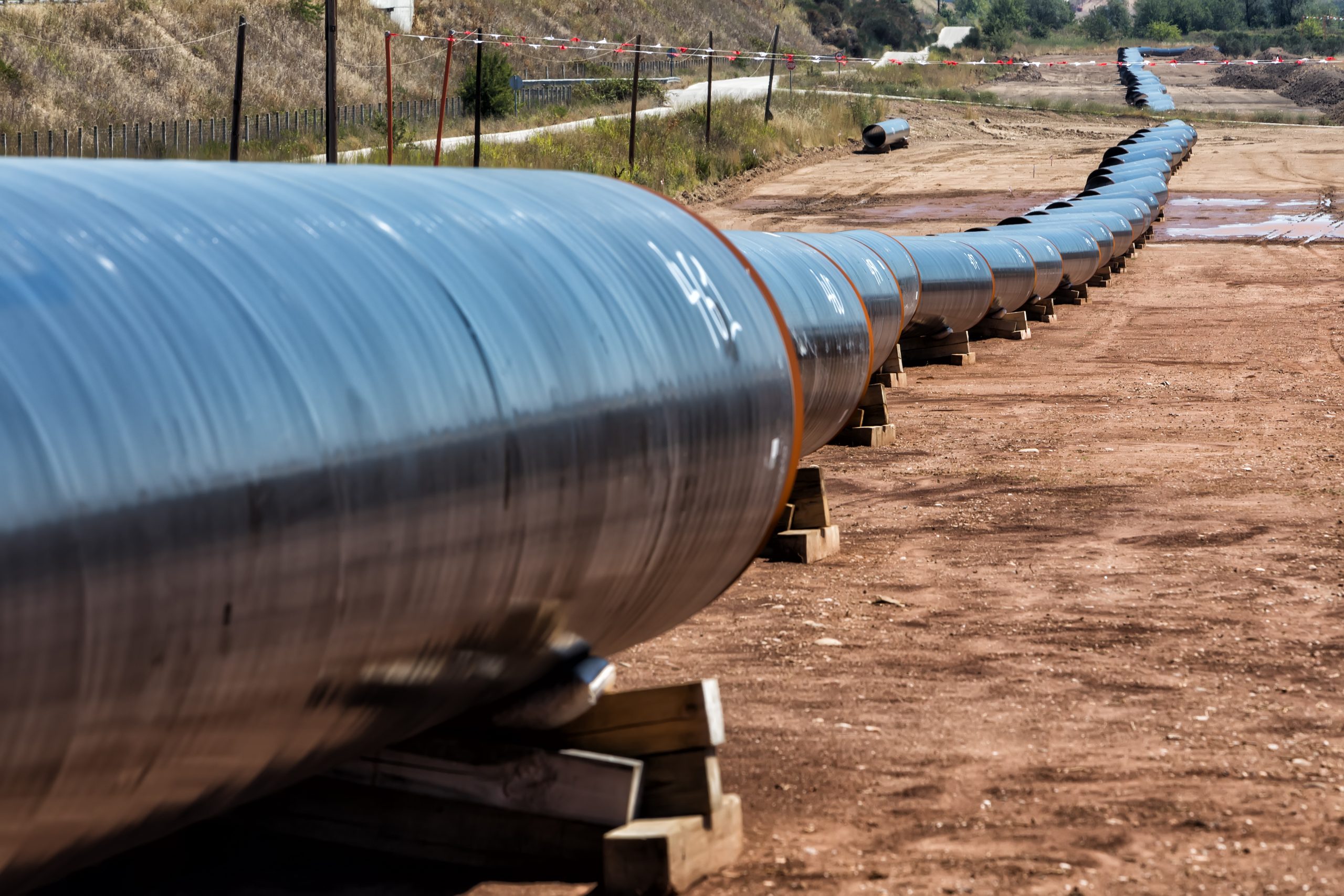
Yet even as Moscow continues to weaponize its hydrocarbon dominance to exert influence across the European Union (EU), other countries on Europe’s periphery are slowly forging more resilient energy pathways. Turkey, long dependent on Russian gas itself, is at the forefront of this shift. It has embarked on an aggressive diversification policy that pairs long-term Eurasian pipeline diplomacy—particularly with neighboring Azerbaijan—with an unprecedented, US-backed expansion of liquefied natural gas (LNG) infrastructure. By reshaping the regional energy landscape, Ankara aims to transform itself from a vulnerable consumer into a critical gateway for Europe.
Azerbaijan becomes a cornerstone of Ankara’s long-term gas strategy
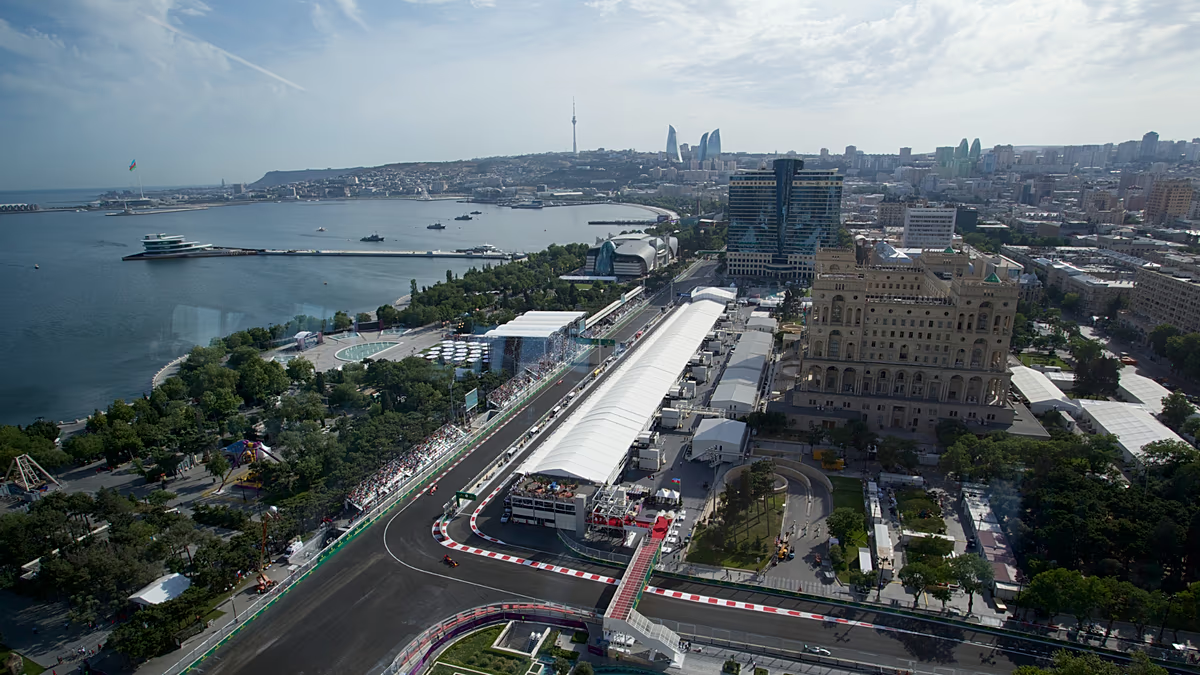
A recent sign of the tectonic shift in Turkey’s energy strategy came in May, when Ankara and Baku concluded a fifteen-year deal covering 33 billion cubic meters (bcm) of natural gas supplies. The agreement ensures a stable supply of Azerbaijani gas until the mid-2040s, underpinned by landmark production agreements including the Absheron Phase Two project involving the State Oil Company of the Azerbaijan Republic (SOCAR), the Turkish state-owned BOTAŞ Petroleum Pipeline Corporation, the Abu Dhabi National Oil Company (ADNOC) and TotalEnergies. According to a SOCAR official, half of this new production is earmarked for the Turkish domestic market, while the remainder helps free up exports for a supply-starved Europe.