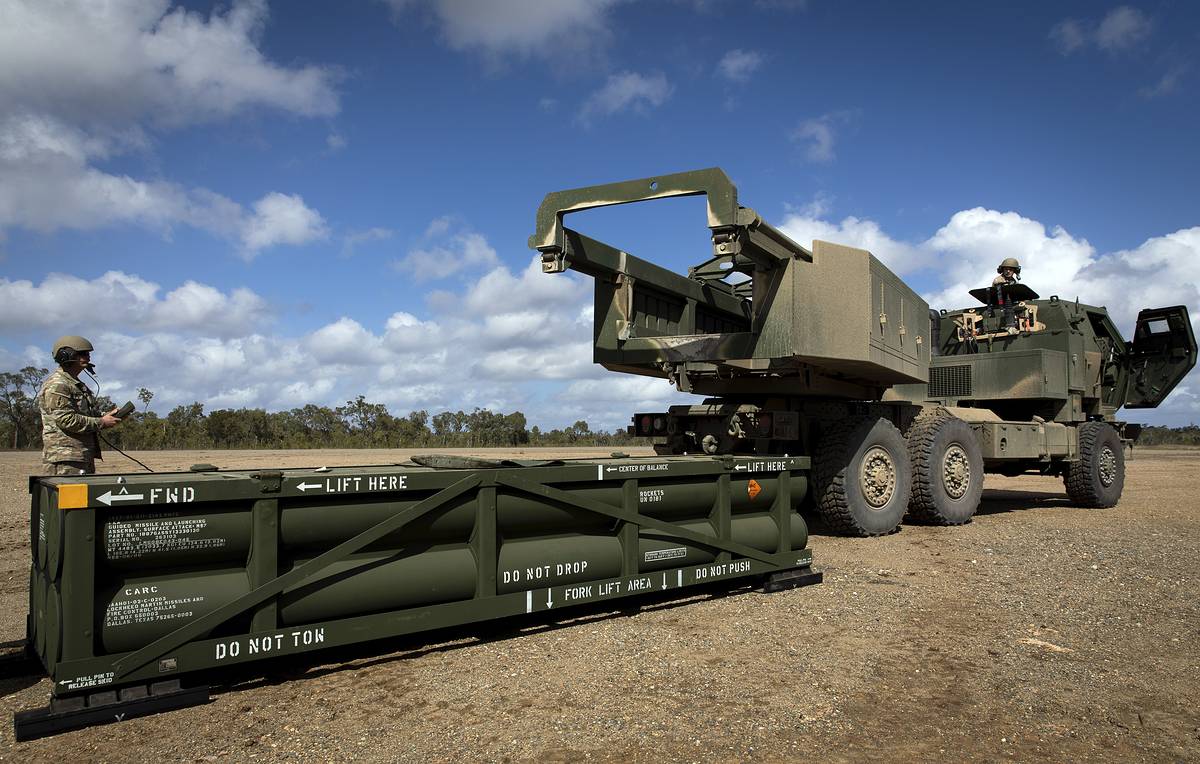
With wars in Ukraine and the Middle East consuming America’s weapons at extraordinary rates, the Pentagon’s fiscal 2027 budget includes badly needed boosts in funding for critical munitions and “Unleashing the Arsenal of Freedom.”
That’s good news, but as the Department expands weapons procurement and pursues new munitions programs, it should also consider the impact of new energetic materials to ensure it does not leave money on the table when it comes to getting the most bang for its buck in missiles, rockets, drones and bombs.
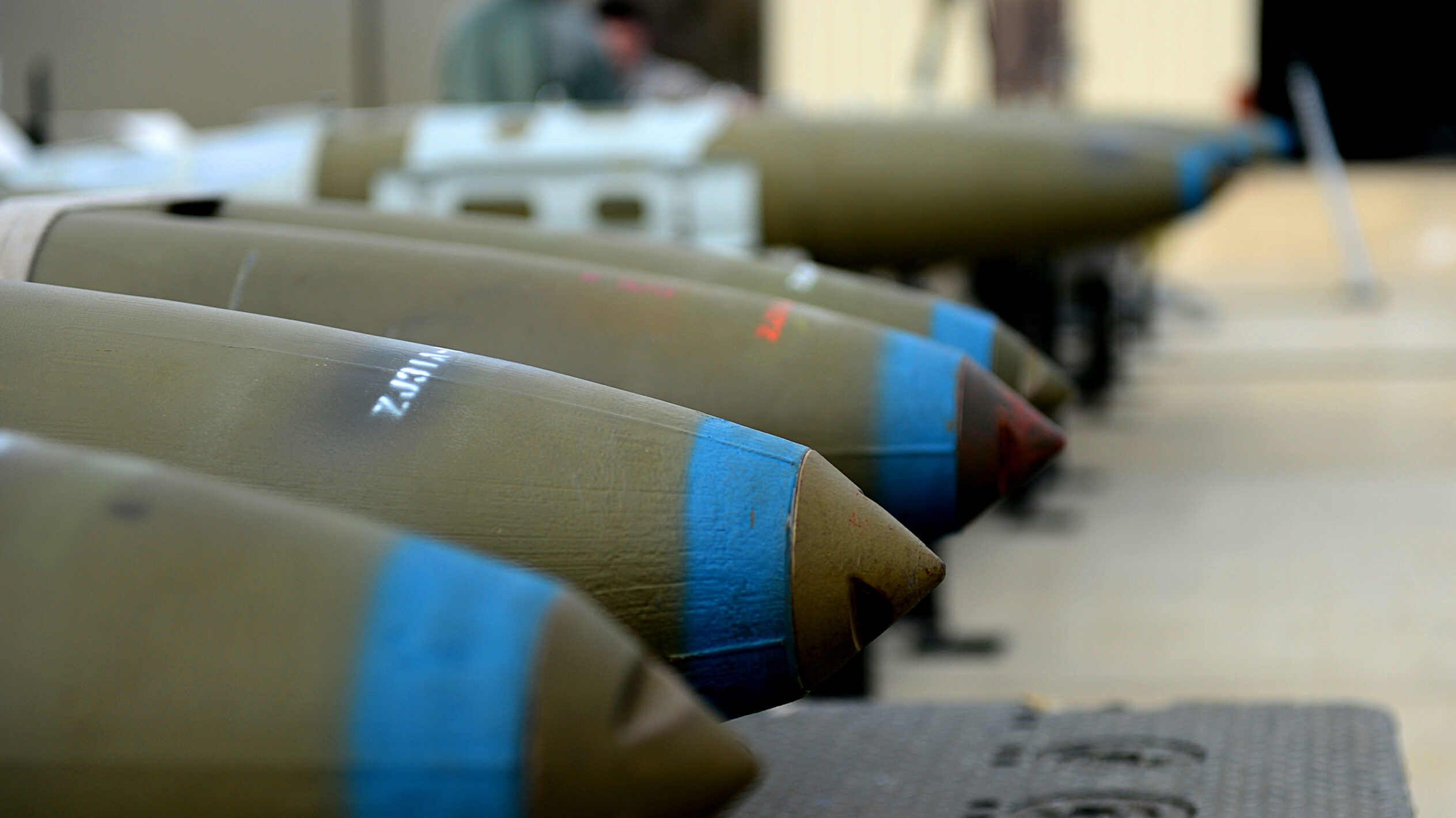
Energetics are the explosives behind every munition’s boom and the propellants in many of the US military’s most important missiles. Novel energetic materials have long promised to increase the range and explosive power of US munitions.
Compounds like CL-20 offer increased performance over older energetics and are being employed in Chinese and Russian weapons. As the US military looks to the Indo-Pacific, munitions with more range and power may be crucial to ensuring American troops maintain their edge in long-range strike, and many in Congress and the defense community have touted the potential benefits of materials like CL-20.
Yet many American weapons remain reliant on WWII-era explosives. Why? The most commonly cited barrier to the adoption of newer, better energetics is the higher costs of testing, certifying and producing them compared to existing materials. That’s fair: Improved explosives and propellants may cost more, especially while their production remains limited.