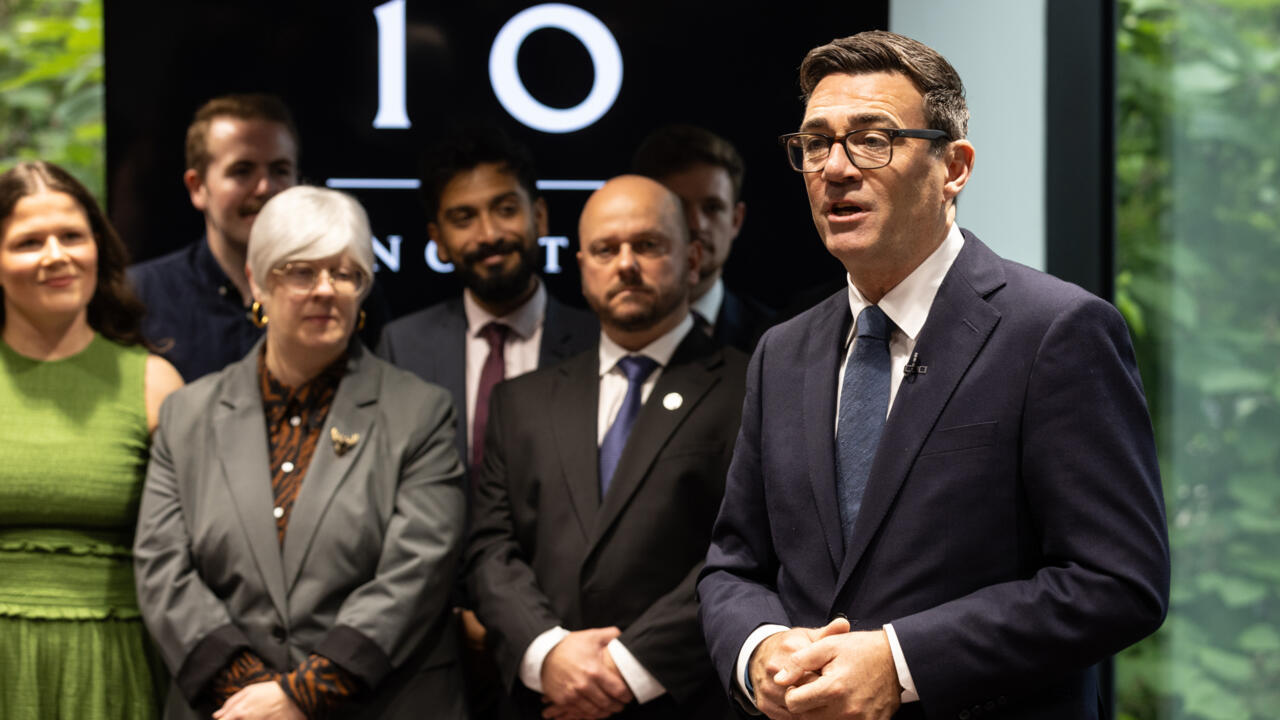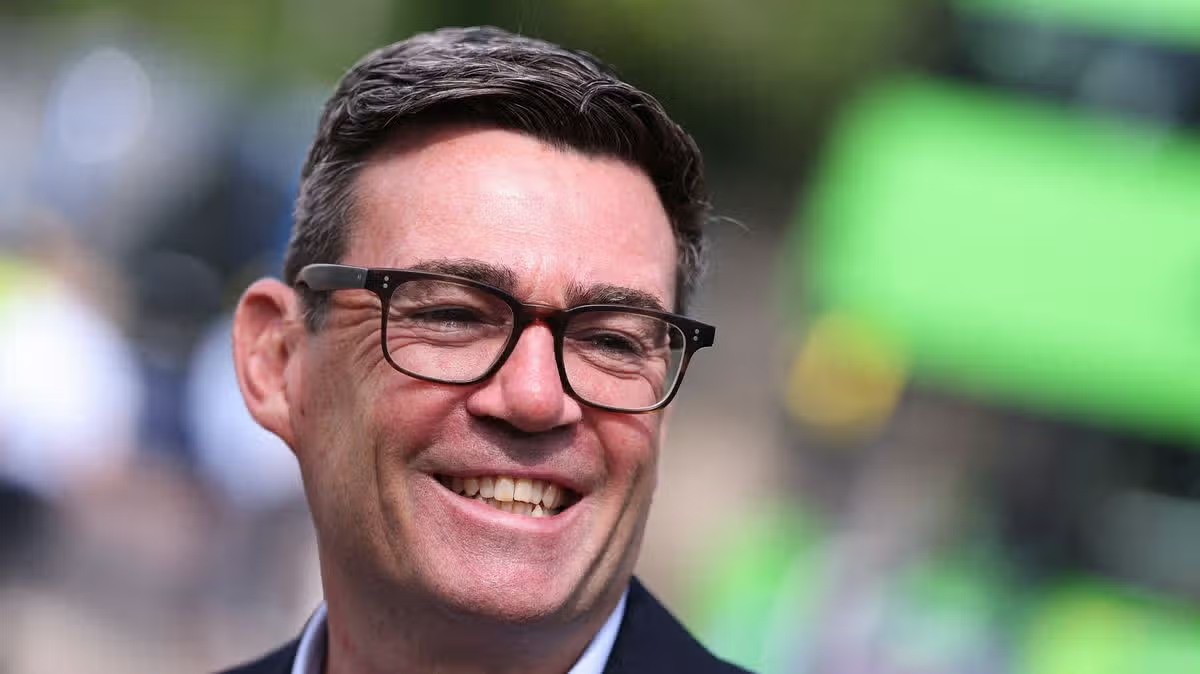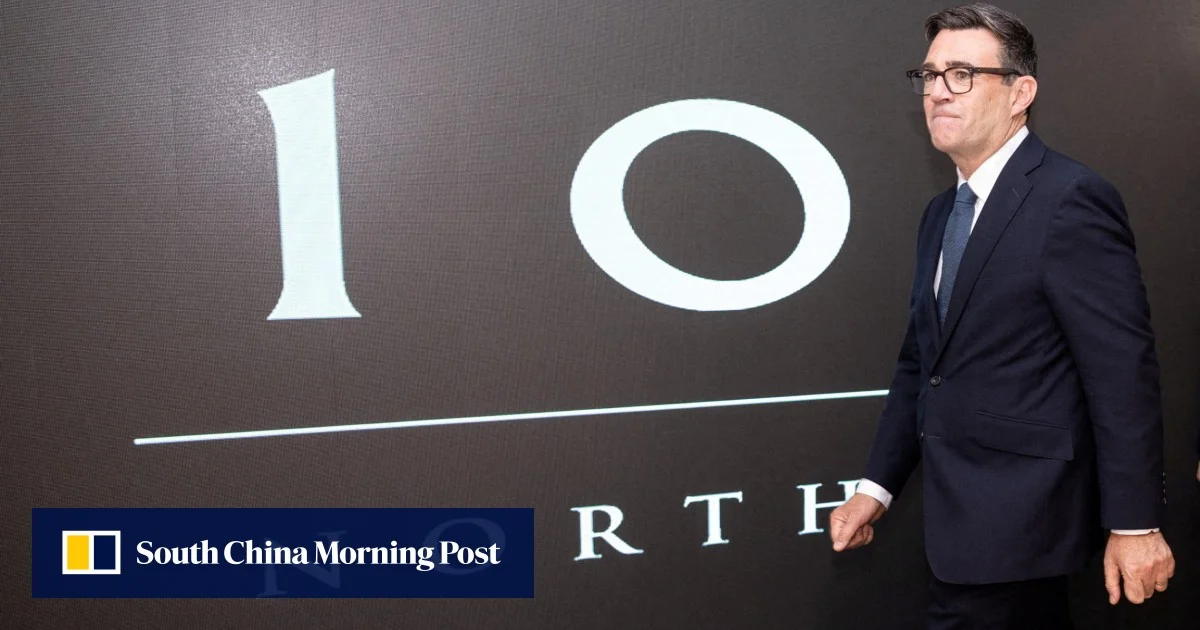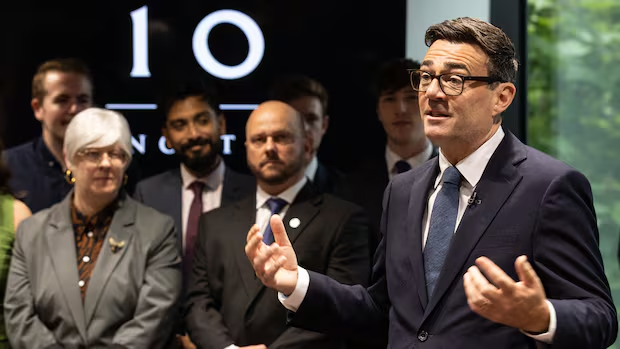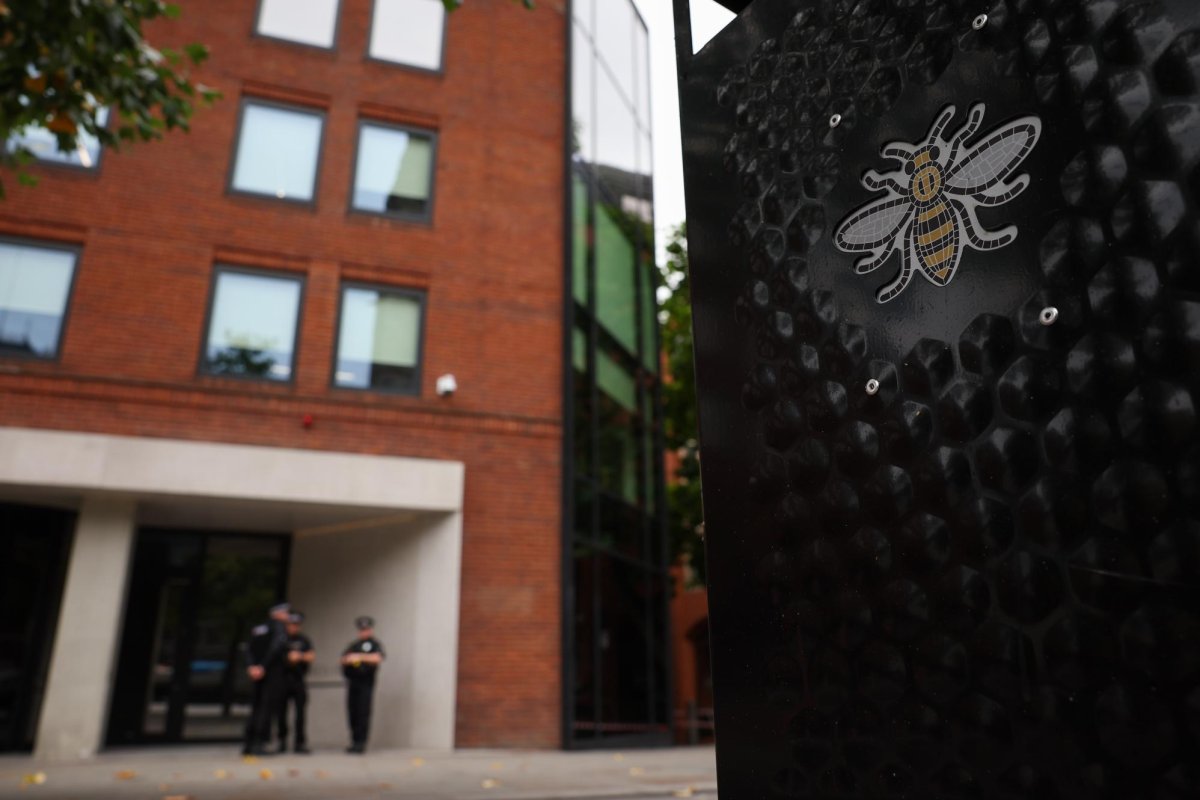
The new British Prime Minister Andy Burnham has officially opened his new northern office, promising "a different way of governing Britain" in an attempt to reverse decades of power centralization in London. Burnham presented in Manchester the northern version of 10 Downing Street, the historic London seat of the British executive, naming it "Number 10 North", assuring that power would "flow" away from the London government district to stimulate the country's economic growth. "It's not just a new office," he told staff at the new city center space, flanked by senior officials including new finance minister John Healey: "This is where Whitehall," London's government district, "meets the rest of the country."
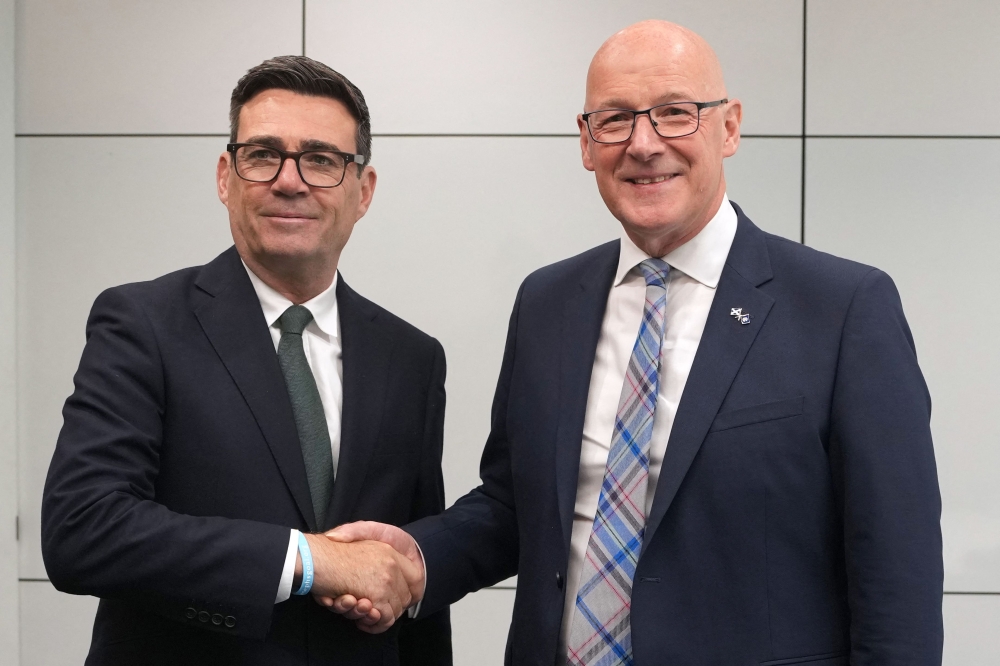
According to Burnham, the Manchester metropolitan area, where he served as mayor and which has surpassed British national performance in several areas, including economic growth, provides a model for other parts of the country. The new Labour Prime Minister aims to work from No 10 North at least one day a week, rejecting criticism that it was a "short-lived stunt." "It creates that sense of a more balanced country and that great things can be done from here," he insisted, while admitting that power would "always be concentrated" in the capital.However, the issue of devolution in the United Kingdom, which since the 1990s has seen several constitutional reforms create detached parliaments in Edinburgh in Scotland, Cardiff in Wales, and Belfast in Northern Ireland, could prove less straightforward than Burnham's narrative. The "deconcentration" of power "is also done in very centralized states and in itself does not mean any transfer of power," Alan Trench, an academic and political consultant expert in devolution, told AFP. "At most, it transfers public sector jobs and the lives and incomes of those who hold them," Trench adds, emphasizing that England itself remains one of Europe's most centralized nations.experts skeptical about the real value of pro-devolution movesAccording to Nicola McEwett, a professor at the University of Glasgow, English devolution had been "very asymmetrical," hindered by the fact that London largely considered it as something that "happens elsewhere." Burnham himself experienced the limits of the current system during his nine years as mayor of the Manchester metropolitan area, where his powers were limited to a few policy areas, such as transport. Now that he is a national leader, he has ordered departments, including the Ministry of Finance, to carry out "targeted transfers of general strategic functions" to No 10 North, which will be established in a new Office for the Prime Minister and Cabinet (Opmc), an entity based in London.McEwen said that entrusting No 10 North with a strategic role is "positive," but the success of the initiative still depends on Whitehall's willingness to cooperate. However, Michael Keating, a professor of politics at the University of Aberdeen, observed that it was "deeply ironic that to address centralization, a central government department is created that will decide exactly who gets what." With "true" devolution, "you get out of the way," he added, explaining that he feared the attempt to create "a counterbalance" to the Ministry of Finance in No 10 North is destined to fail: as has happened in the past, "the Treasury always wins. They will not relinquish the reins of financial power."Still others observed that the transfer of public officials was neither a bold nor an original idea. Approximately 80,000 government employees already work in northwest England, Burnham's spokesperson acknowledged this week, who yesterday met with nationalist leaders from Scotland and Wales without providing further details about devolution. Indeed, the new prime minister has ruled out support for a Scottish independence referendum, a goal of the Scottish National Party, the ruling force pushing for a new vote. Wales has never held an independence vote, unlike Scotland which chose to remain part of the United Kingdom in 2014, but in May the pro-independence party Plaid Cymru won the elections.