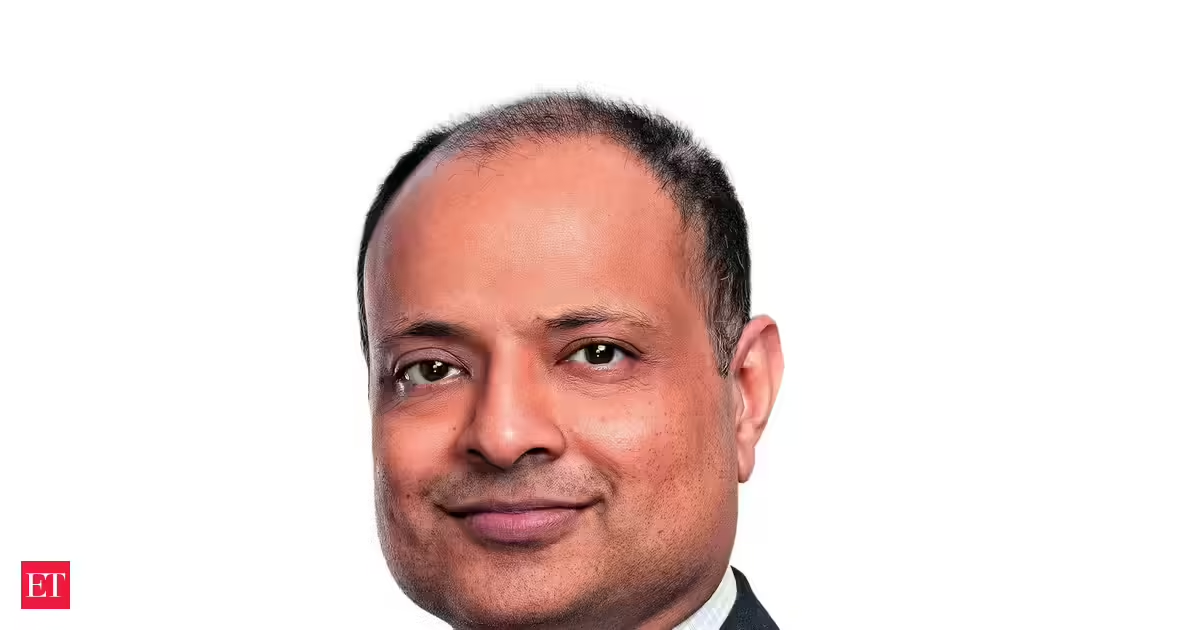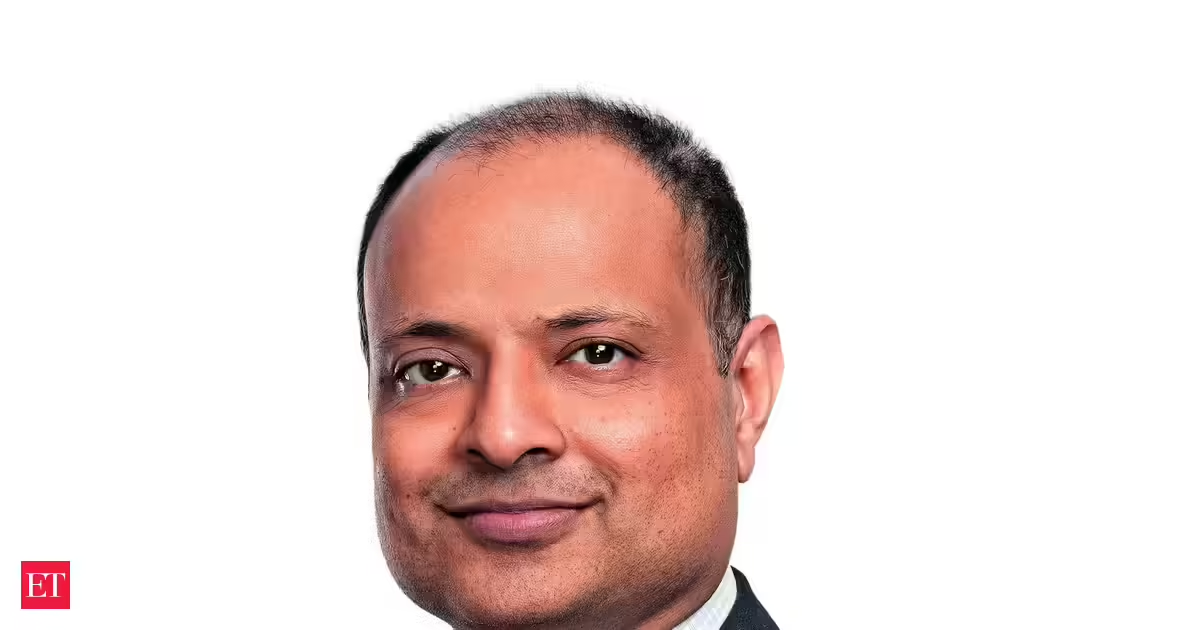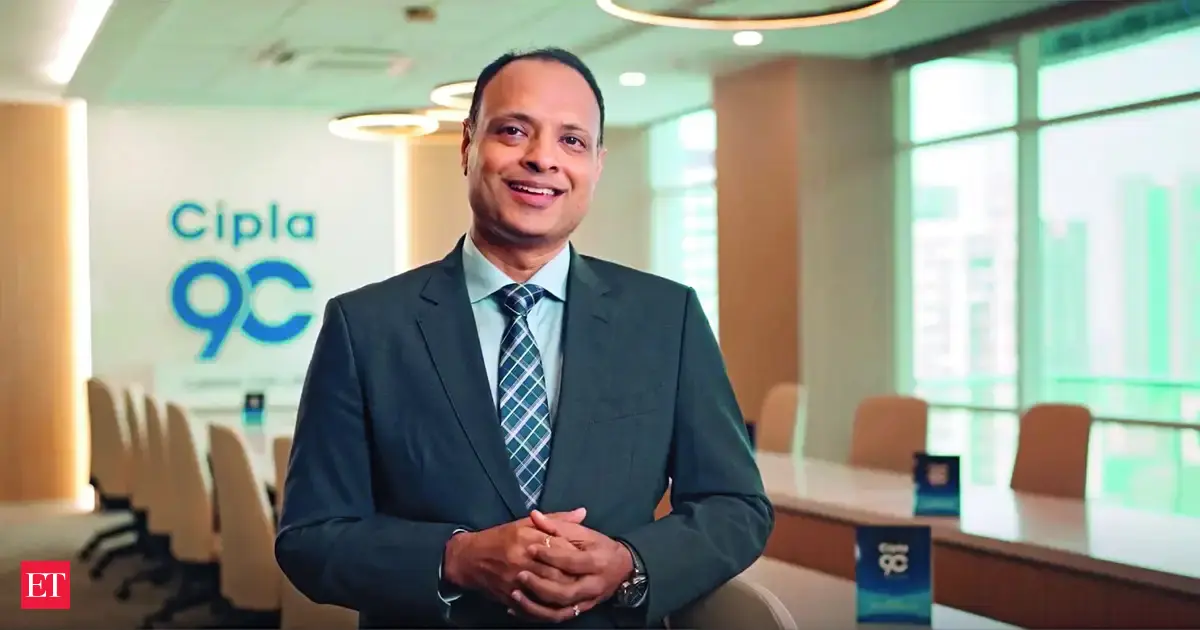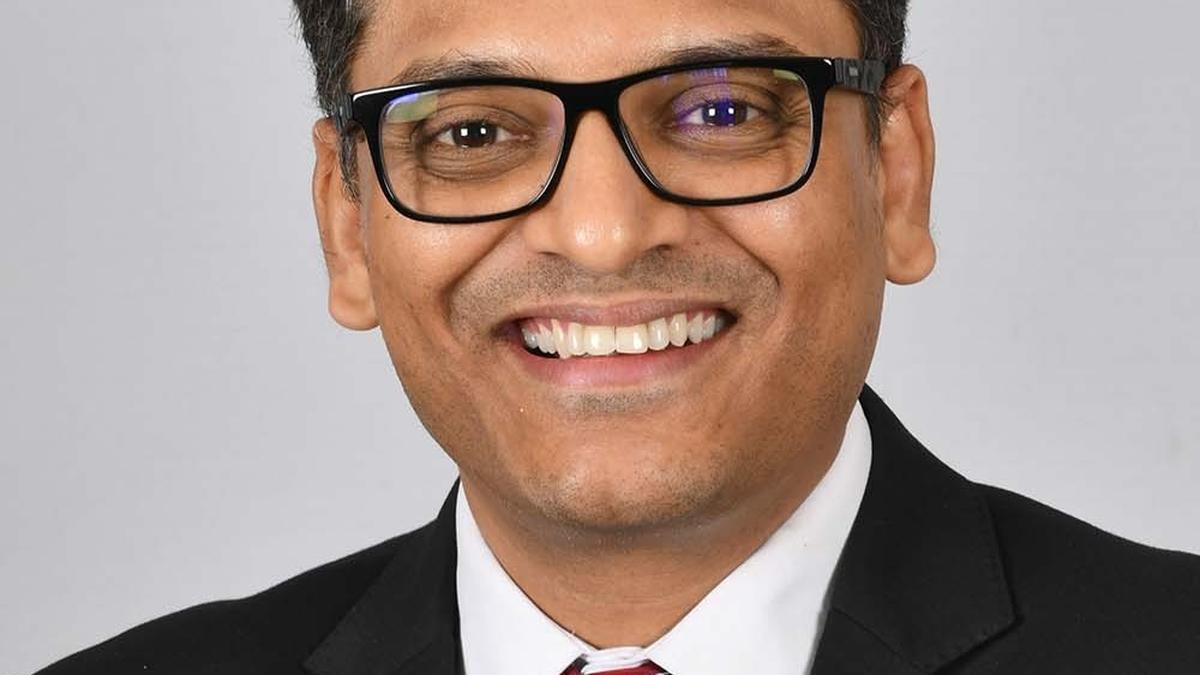
US-based Cigna’s vast experience helps ManipalCigna Health Insurance maintain the right balance when designing products or pricing strategies, balancing short-term targets against long-term risk management, said its MD & CEO Joydeep Saha. In an interview with businessline, Saha said on the group employer-employee side, the health insurer is primarily focusing on the SME segment from a profitability standpoint. Edited excerpts:ManipalCigna Health Insurance posted around 32 per cent year-on-year growth in gross direct premium underwritten during the first quarter this fiscal. What were the factors that contributed to it?That’s right. This isn’t limited to the first quarter. In the previous financial year too, our overall GWP growth was over 30 per cent, with more than 40 per cent retail growth. The larger point is that this growth momentum is continuing. In the first quarter, the company again grew over 30 per cent overall, with retail growing around 46 per cent, remaining the primary growth driver. What is helping this growth — first, the distribution expansion we are undertaking on the retail side, second, our clear focus and deeper penetration in tier 2 and tier 3 markets. To give you a sense of how this is playing out in tier 2 markets, since last financial year, and including the current first quarter, more than 60 per cent of our retail new business is now coming from tier 2 and tier 3 markets.Beyond the tier 2/tier 3 focus and distribution expansion, the third factor is renewal performance. It’s not just new business, the renewal performance of our retail portfolio has also been growing well. Our persistency rate has gone up.Finally, on the group side, employer-employee business, we’ve seen overall growth of around 22 per cent in the first quarter. Within that, our primary focus is on the SME segment, because that’s where we want to maintain underwriting discipline and ensure profitability. So while employer-employee business overall grew 22 per cent, the SME business specifically grew by about 70 per cent. That’s where we’re growing aggressively, and we’ll continue this momentum.What strategies has the company adopted to grow the SME business? Is it more profitable and less risky for group insurance in the SME segment compared to large corporate?On the group employer-employee side, we generally look at this in two ways: the SME segment and the large corporate segment. We are primarily focusing on the SME segment, where the number of lives covered is up to 1,000. We’re focusing here because this is where profitability lies, even though there is competition in this segment too, we rely on our sophisticated pricing technology, underwriting discipline and best-practice sharing. This is why SME remains our key focus area for growth in the group employer-employee business, and it helps us in two ways. First, from a profitability standpoint, that’s the strategic focus. Second, the overall cost of doing this business is relatively lower, which helps us manage expenses even as we’re investing more heavily on the retail side, where growth is happening significantly. So, SME gives us reasonably certain profitability while helping control overall company expense levels, a great strategic pillar.For large corporates, predicting future claims for the renewal year has never really been the challenge. The market remains soft, and clients expect lower prices, which creates challenges around profitability. These are large accounts with very large one-shot premiums, so many insurers pursue them with a volume-driven strategy, reducing prices to win the premium even if it isn’t profitable.What is the current mix between retail and group policies, and what is the outlook going forward? Will that mix change?Currently we have a calibrated mix of around 50-50 between retail and group. Going forward, retail will definitely be our clear strategic focus and will lead our growth, while on the employer-employee side, SME will remain the focus, with profitability being key. We’re currently comfortable with the 50-50 mix, though with our relatively larger focus on retail, that mix may tilt somewhat towards retail over the next two to three years.Both promoters of the company Manipal Group and Cigna Healthcare are in the healthcare space. How are you leveraging that?We are genuinely privileged to have two strong, credible promoters. From Manipal, we get valuable clinical insight, which we use for product innovation, pricing input, and understanding emerging trends that help with long-term portfolio risk management. From Cigna, we have a partner with over 230 years of experience across more than 30 countries globally. Our biggest advantage is access to their best practices across actuarial, product, and analytics, practices we have adapted for our own use. The biggest advantage of having a partner like Cigna is that it helps us avoid shortcuts or short-term thinking. Cigna’s vast experience helps us maintain the right balance when designing products or pricing strategies, balancing short-term targets against long-term risk management.
Cigna’s vast experience helps ManipalCigna Health Insurance maintain right balance when designing products, pricing strategies, says MD & CEO Joydeep Saha
Cigna’s expertise aids ManipalCigna in product design and pricing strategies, focusing on sustainable growth, especially in the SME segment.
797 words~4 min read