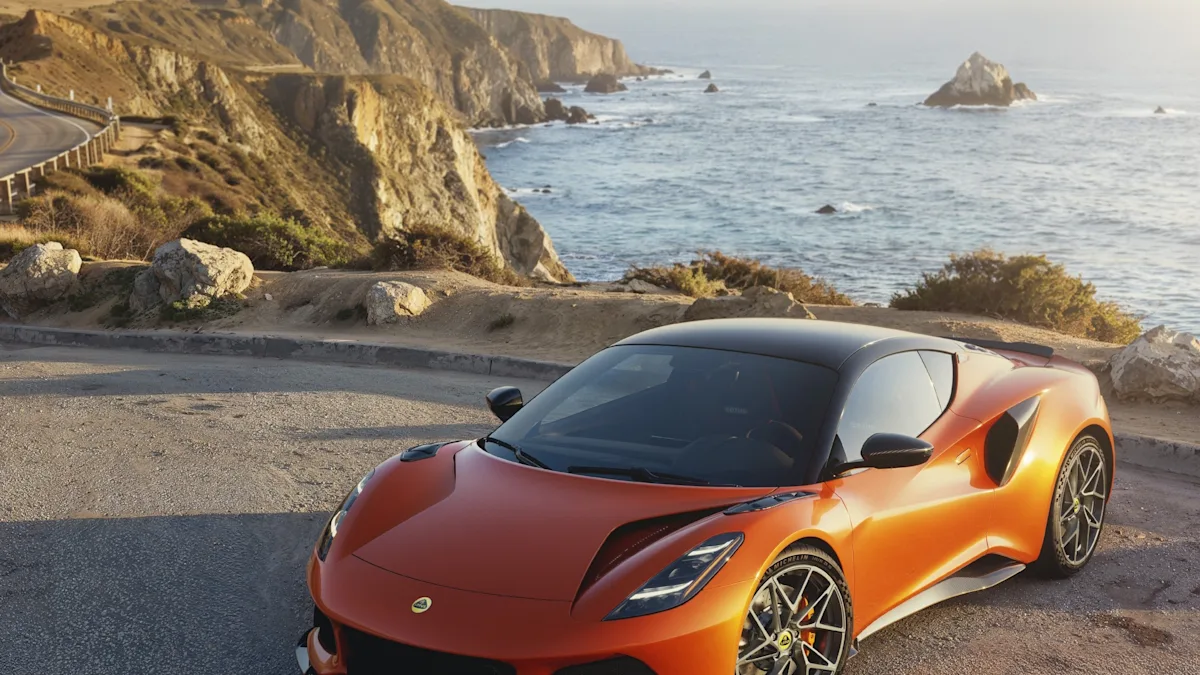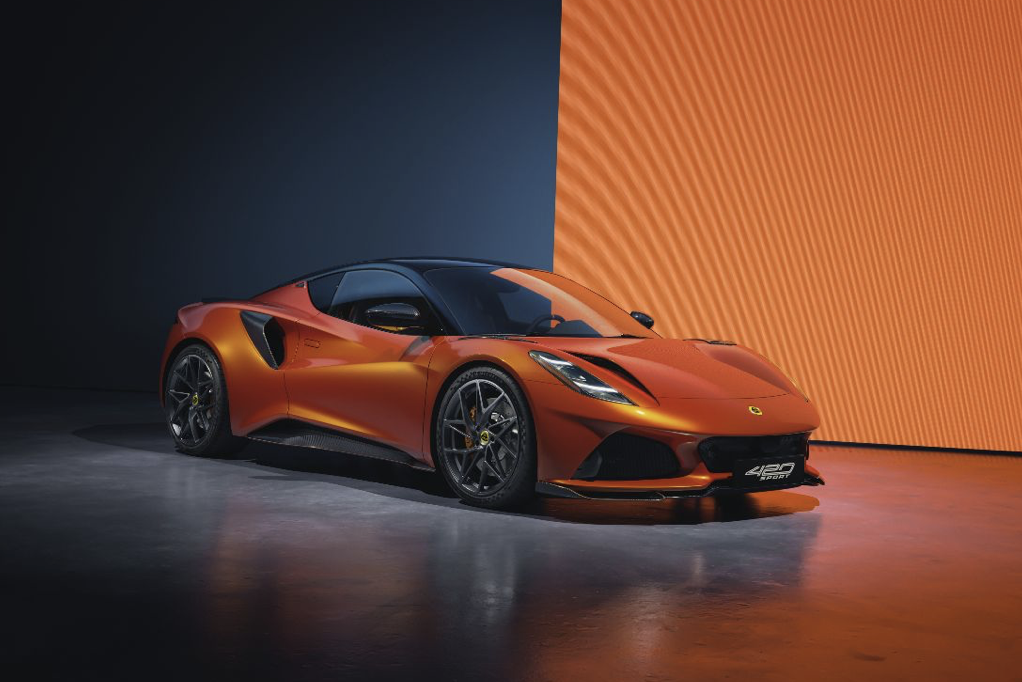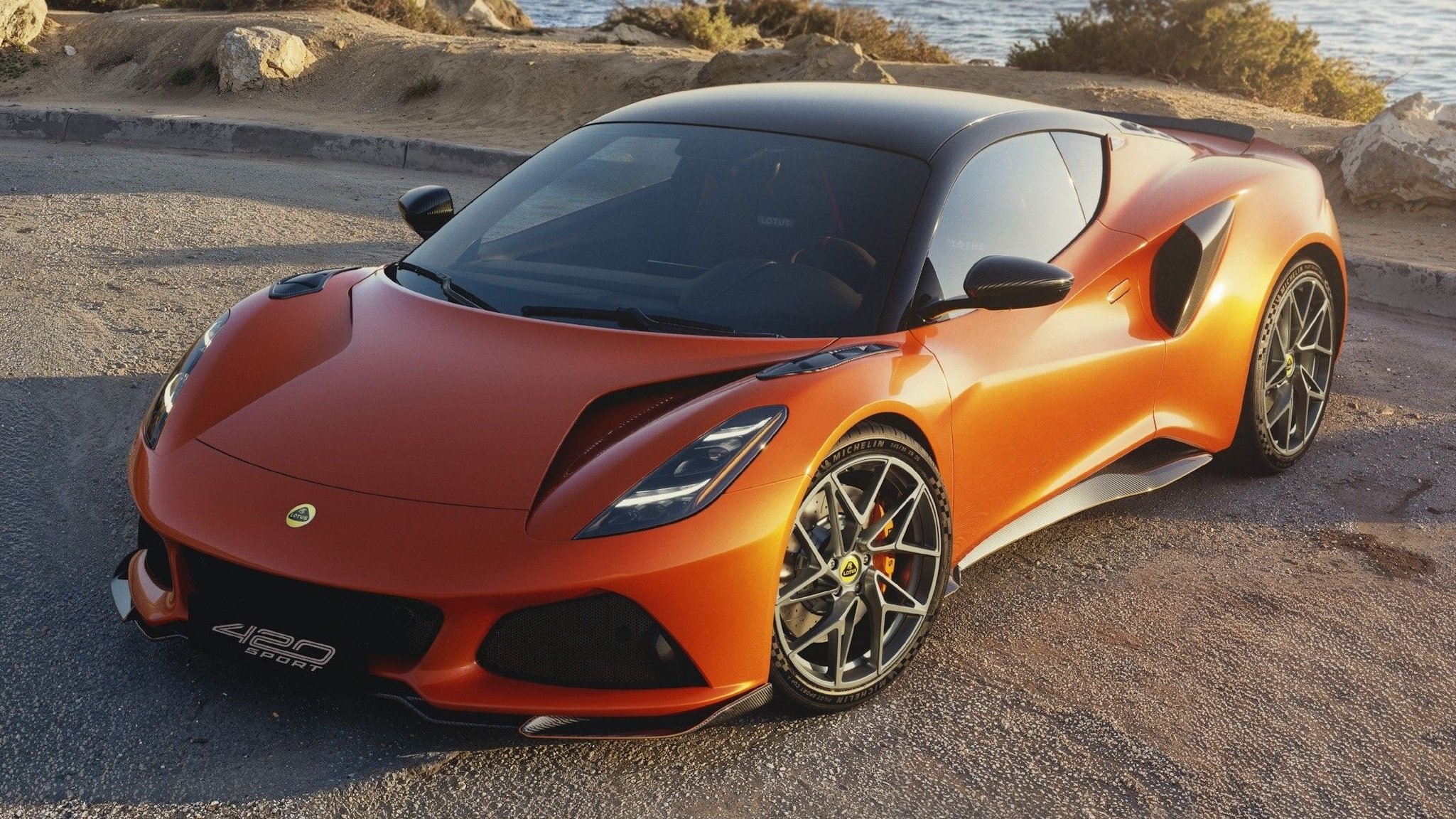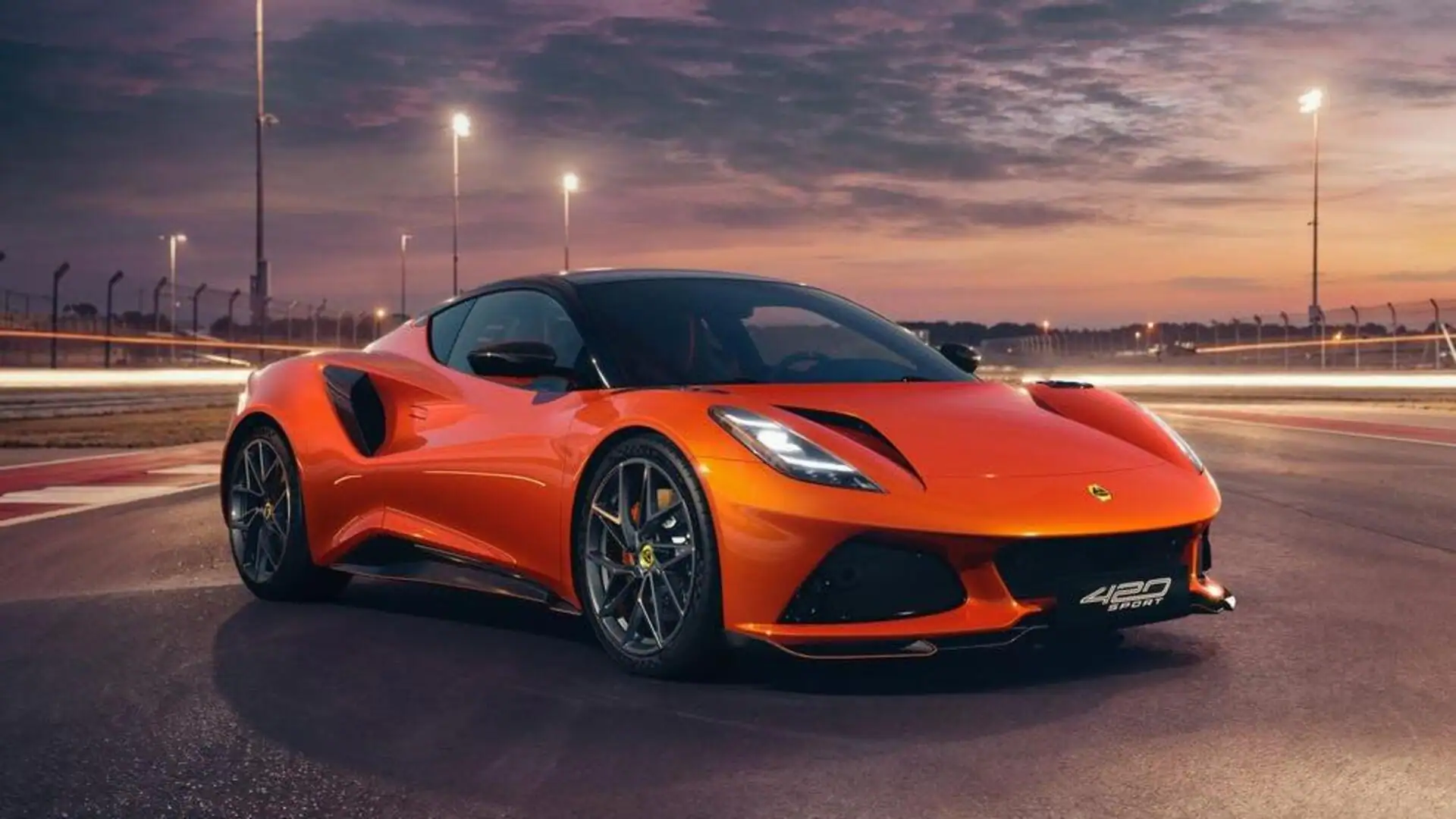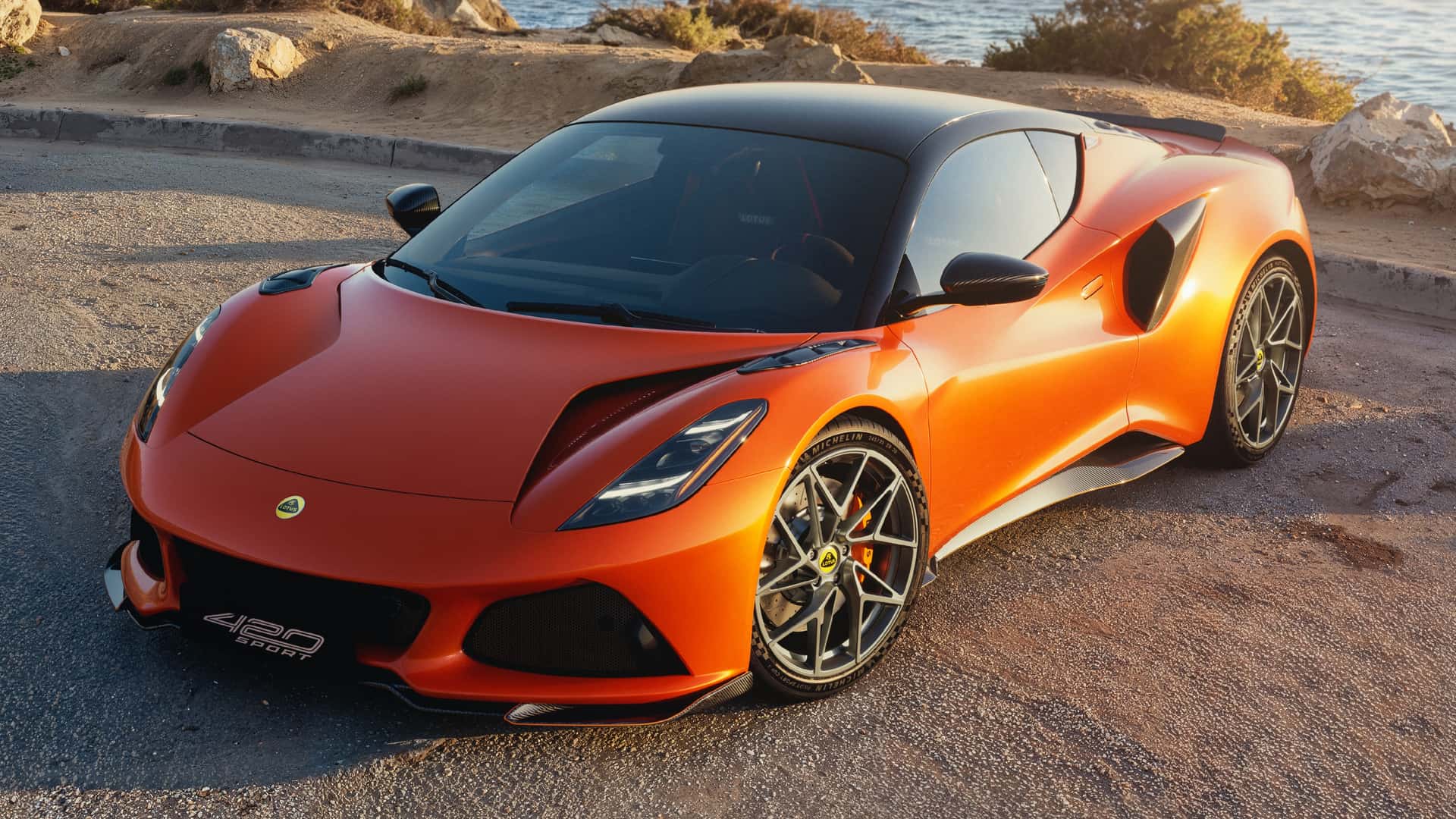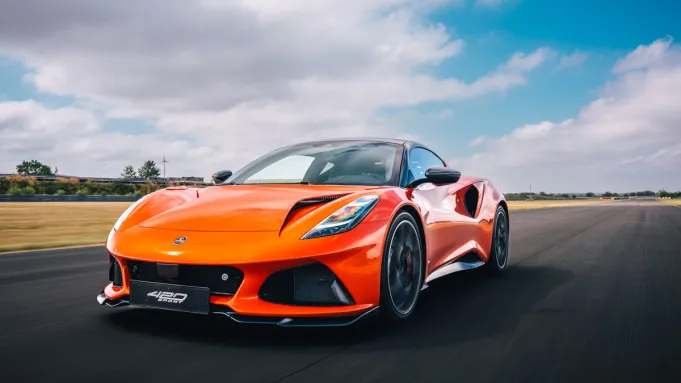
When Lotus chassis guru Gavan Kershaw is asked how the Emira 420 Sport feels to drive, “calm” seems a curious choice of adjective. After all, he’s talking about the ultimate Emira: faster, more powerful, lower, and lighter. Surely it should feel fervent and intense—an assault on the senses. Right? If I wanted “calm”, I could buy a Toyota Camry.
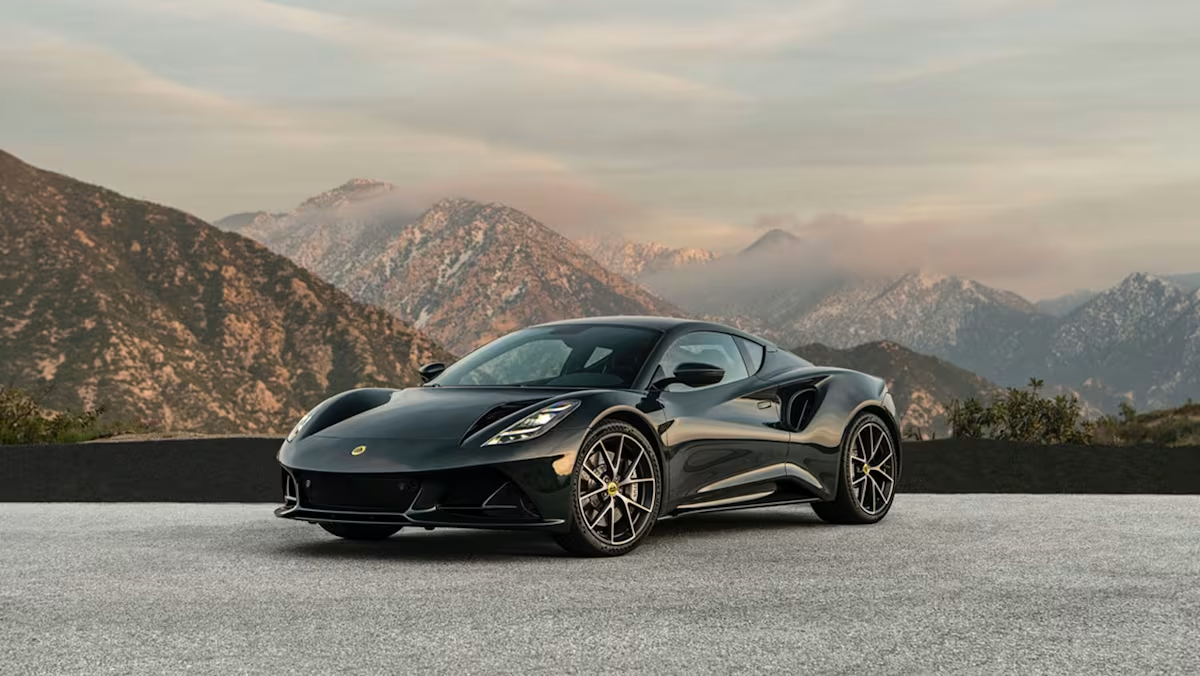
Only later, after experiencing the 420 Sport on the road and track, do I understand what Kershaw was expressing. This is a vehicle that takes time to appreciate, with a very “Lotus” way of going about its business. It won’t appeal to everyone, but in a sports-car market that feels increasingly barren—both the Porsche 718 Cayman and Toyota GR Supra have now ceased production—the Emira continues to fight in its corner.
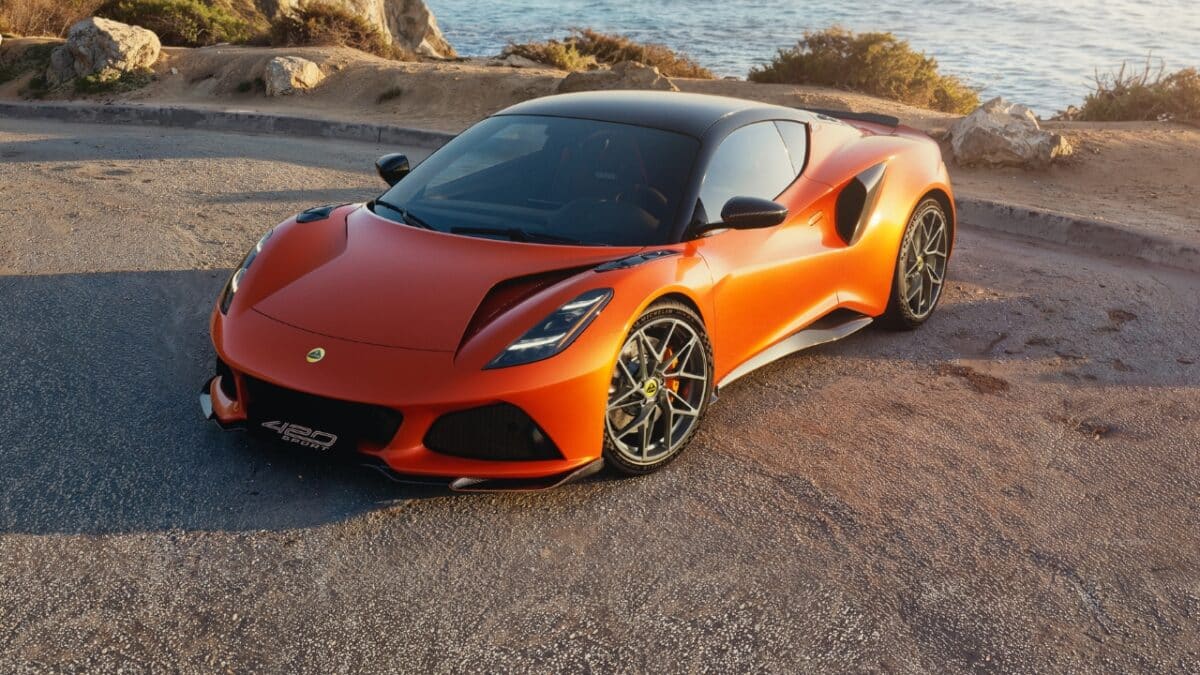
The Lotus Emira 420 Sport.
Lotus Cars
The Lotus Sport sub-brand originated in North America in the early 1990s, when the Esprit entered the SCCA and IMSA racing series—later winning the 1992 SCCA championship. This spawned a limited-run Esprit Sport 300 road car, followed by Sport derivatives of the Elise and Exige. Lotus Sport even helped win an Olympic gold medal for Great Britain, designing the radical carbon-fiber bicycle that Chris Boardman pedaled to victory in 1992.