Home
News
The agency made these provisional attachments under the PMLA on July 22
These companies earned by charging a platform commission ranging from 10-15 per cent on the staking/wagering amounts deposited by the users
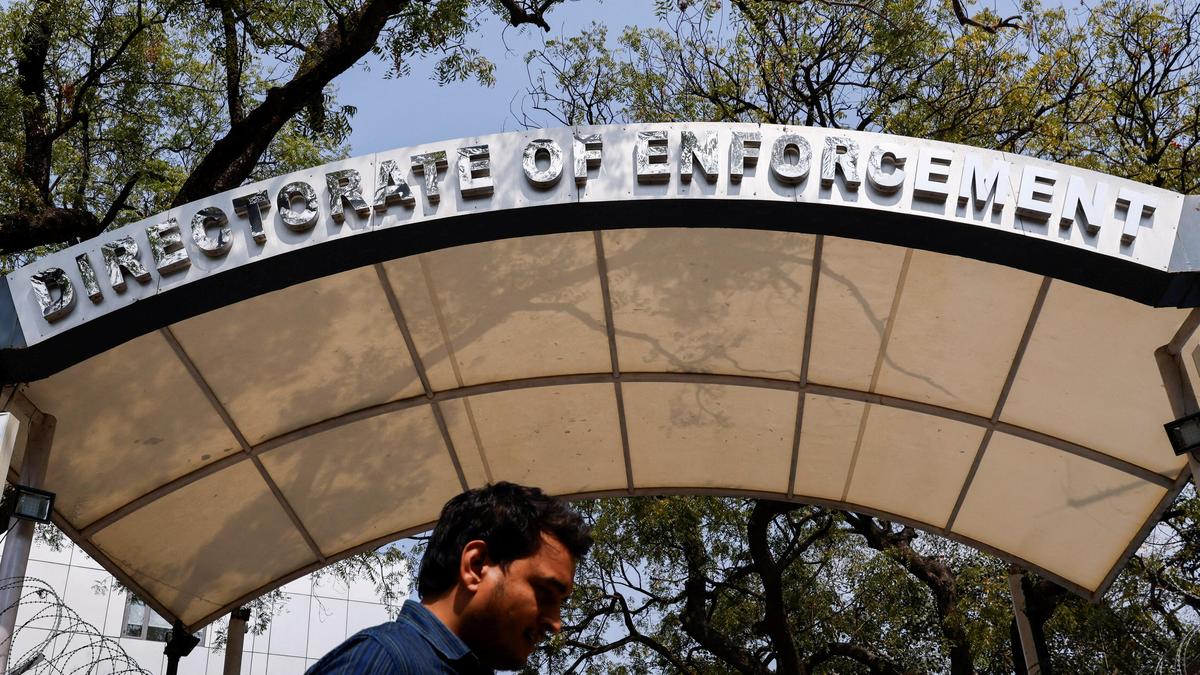
Online gaming company Gameskraft’s assets worth ₹1,906 crore have been provisionally attached by the Enforcement Directorate (ED), as the agency said on Friday that the platform created an “addictive” gaming environment encouraging “repeated wagering” so that the players continually bet, stake, or place money on games multiple times.With the latest punitive action, the total attachment of assets of Gameskraft stood at ₹2,401 crore. Online money gaming was banned in India by the Union government in August 2025.The attached assets include bank and fixed deposits, mutual funds, convertible notes, equity shares, a farmhouse, and multiple residential and commercial immovable properties held in the names of the shareholders of Gameskraft’s Technologies Pvt Ltd, their family members, private family trusts and associated entities, the ED said in a statement.The agency made these attachments under the provisions of the Prevention of Money Laundering Act (PMLA) on July 22 in a case related to the RummyCulture, RummyPrime, Playship and RummyTime apps, ED stated.The ED said Gameskraft and RummyTime Technologies were engaged in operating online real money games (RMGs) through these apps and they had a user base of around 3 crore players primarily in the states of Telangana, Andhra Pradesh and Tamil Nadu.Platform commissionAccording to the ED, these companies earned by charging a platform commission ranging from 10-15 per cent on the staking/wagering amounts deposited by the users. The agency added that the firms deployed BOTs (automated programmers and algorithms) which played against the players unaware of the hidden manipulations.The users were “lured” through bonuses, referral incentives, free tournament entries and promotional rewards to encourage continuous gameplay and increased deposits.“These unscrupulous practices of the companies have created an addictive gaming environment that encouraged repeated wagering, thereby enabling the companies to generate huge proceeds of crime in the form of platform commission,” the ED claimed.The proceeds of crime generated through these activities were subsequently layered and integrated through the payment of dividends and buy-back of shares to shareholders, according to the agency.Published on July 24, 2026