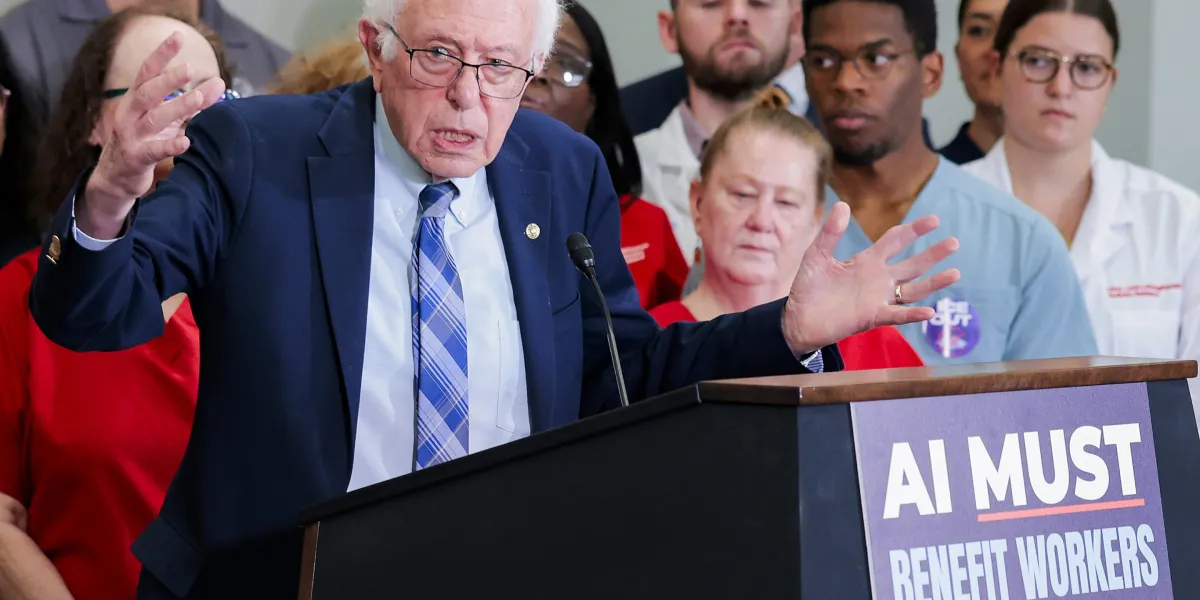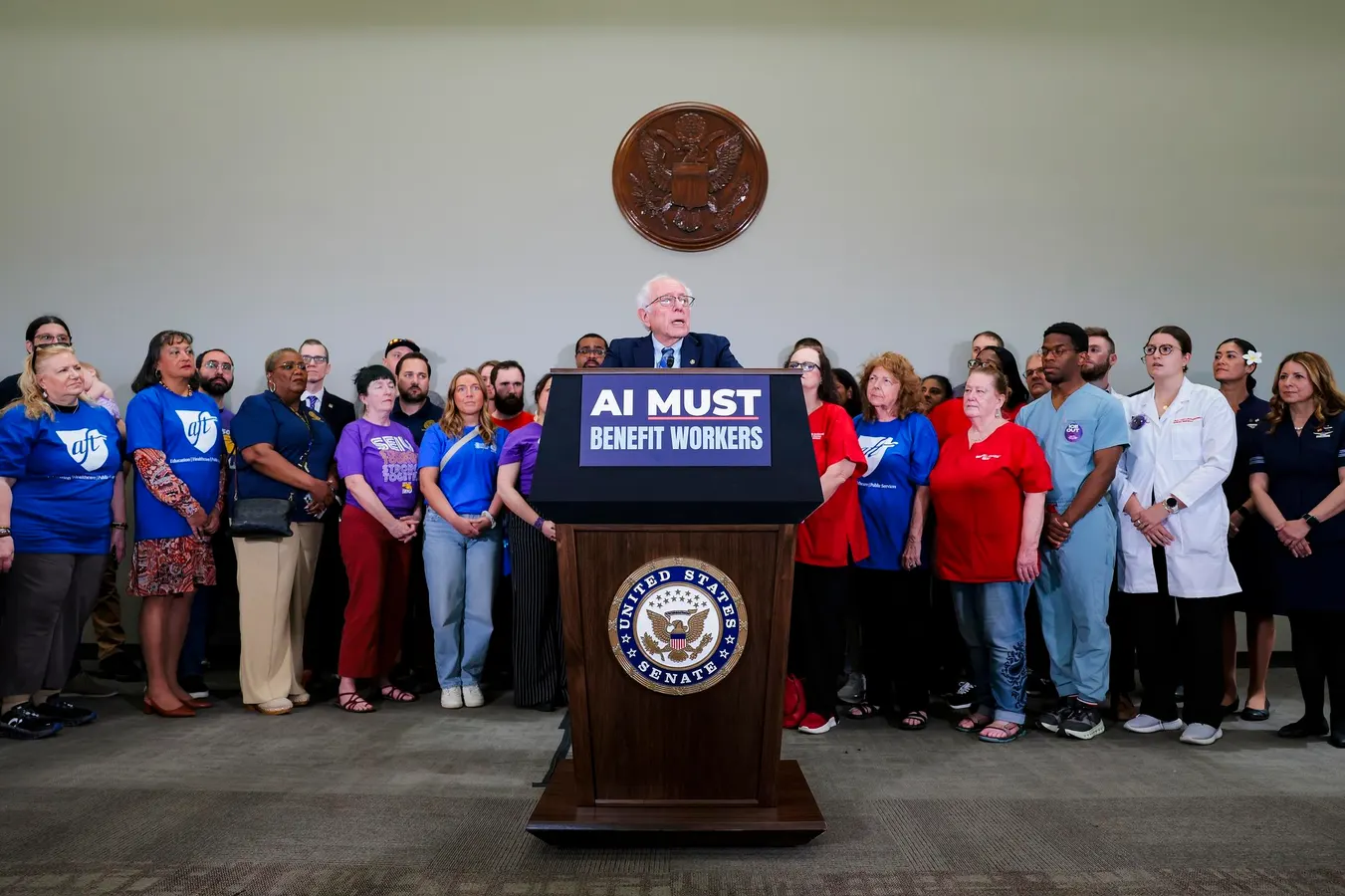
Last month, U.S. President Donald Trump suggested the government buy equity in AI companies, in response to concerns that the industry’s boom is leaving most Americans behind. His political opposite, Senator Bernie Sanders, had earlier proposed creating a sovereign wealth fund with up to a 50% stake in AI companies, and OpenAI is reported to be in talks to give the U.S. government a 5% stake as it prepares for an IPO. But is a government stake in AI companies necessary? And is it wise?
A government owning equity in a company is not a new concept. In many countries, the government owns stakes in companies seen as critical to the economy or to national security. These may include oil and gas companies, iron and steel manufacturers, banks, telecom firms, aircraft makers, ship builders, and others.
The U.S. has a precedent in the Alaska Permanent Fund, which pays dividends to citizens from the state’s oil wealth. In the past year, the Trump administration has made deals to buy equity stakes in more than two dozen firms across industries, including semiconductors, nuclear energy, minerals, quantum computers, and steel. OpenAI and Anthropic have both proposed a public or sovereign wealth fund to distribute wealth created by AI among the public.