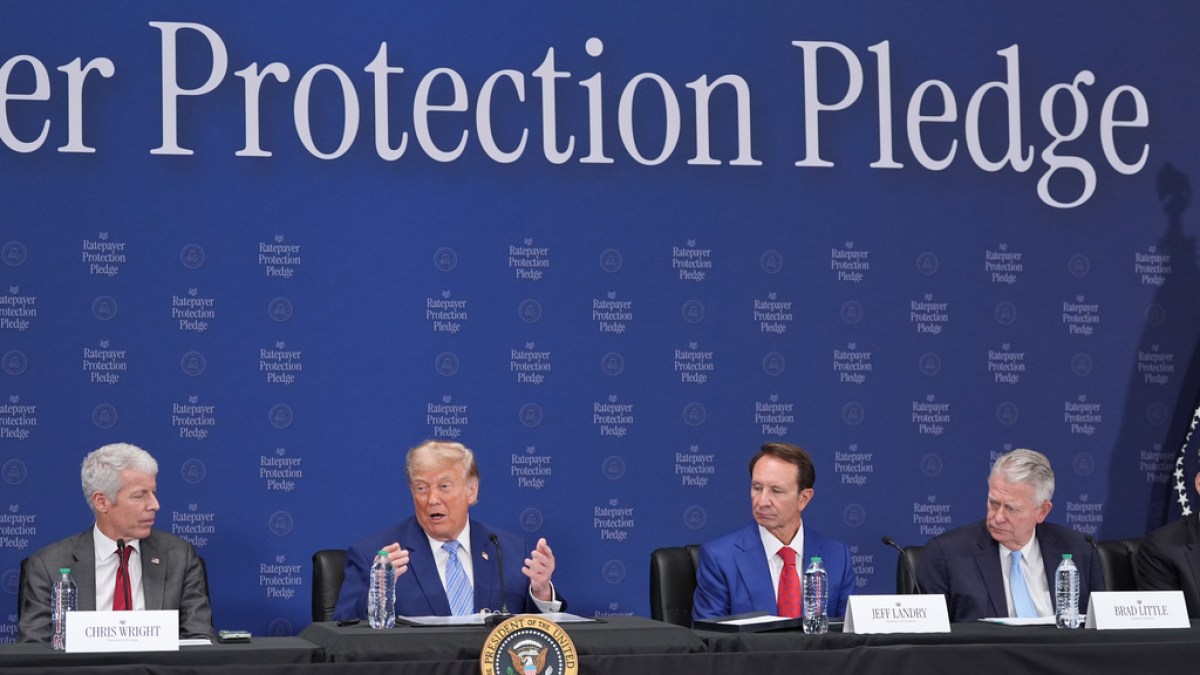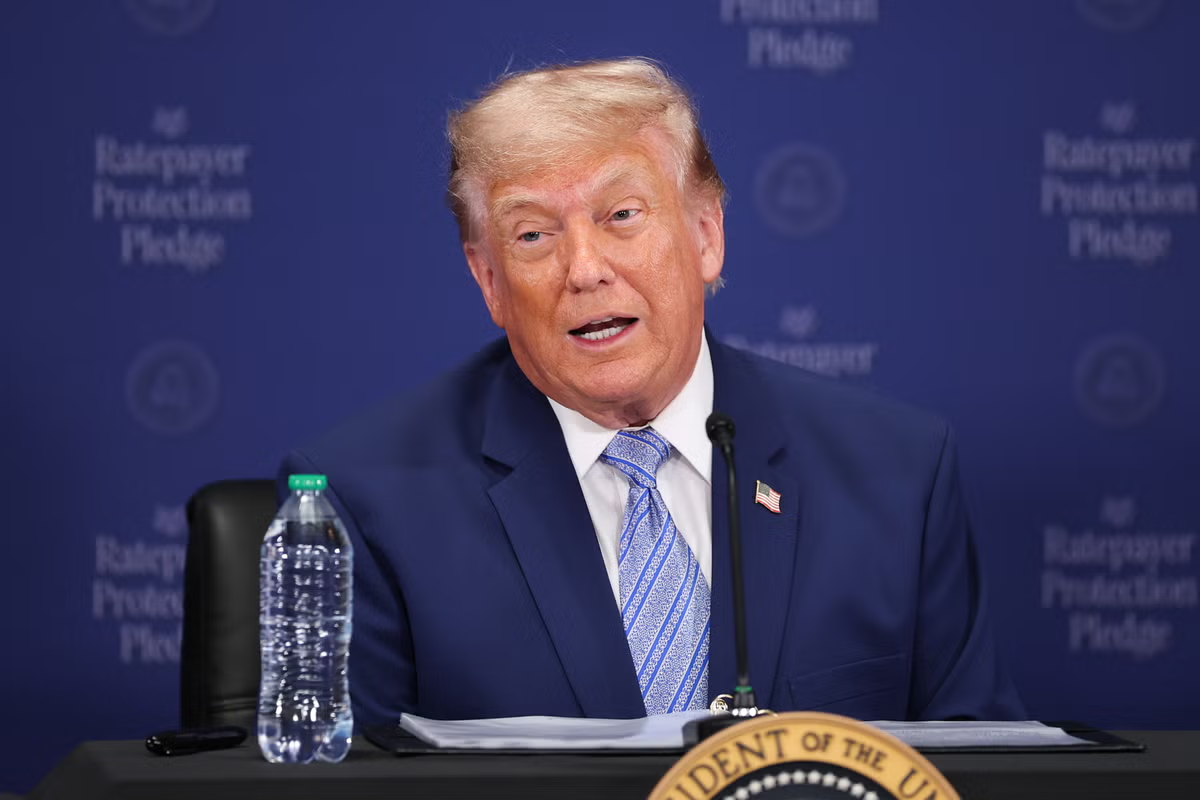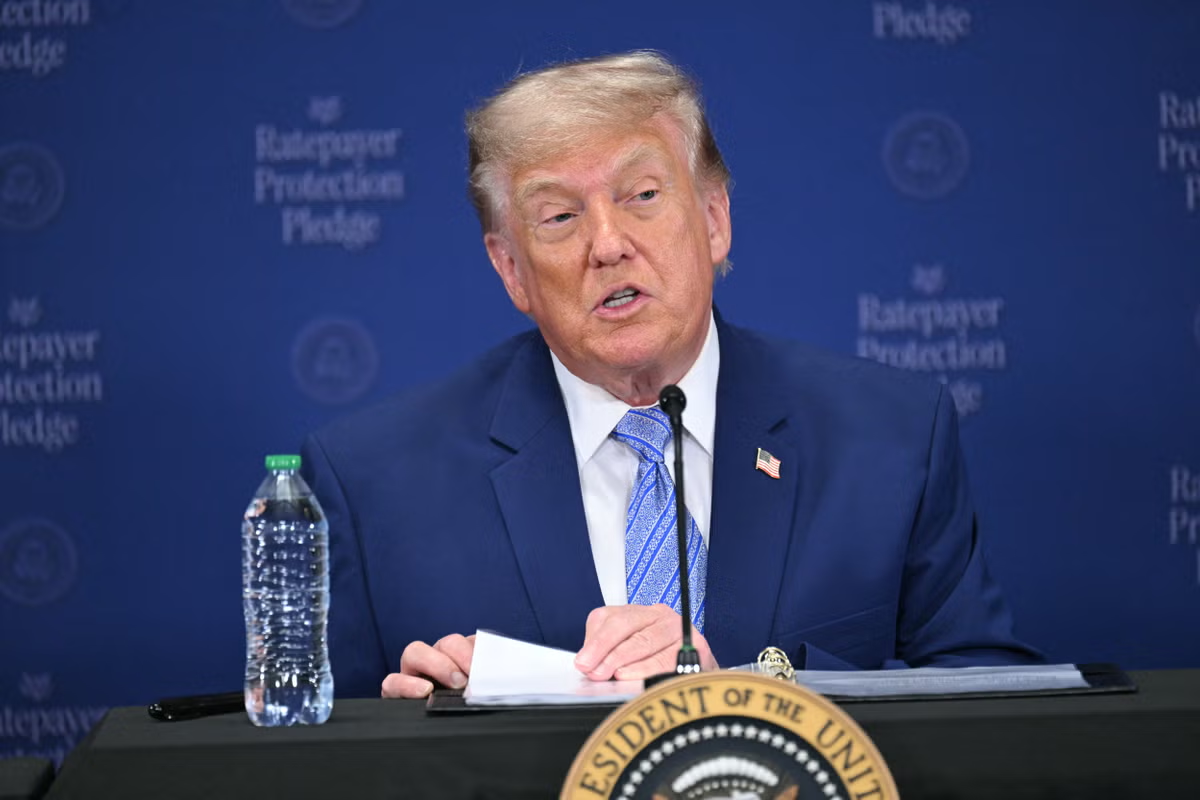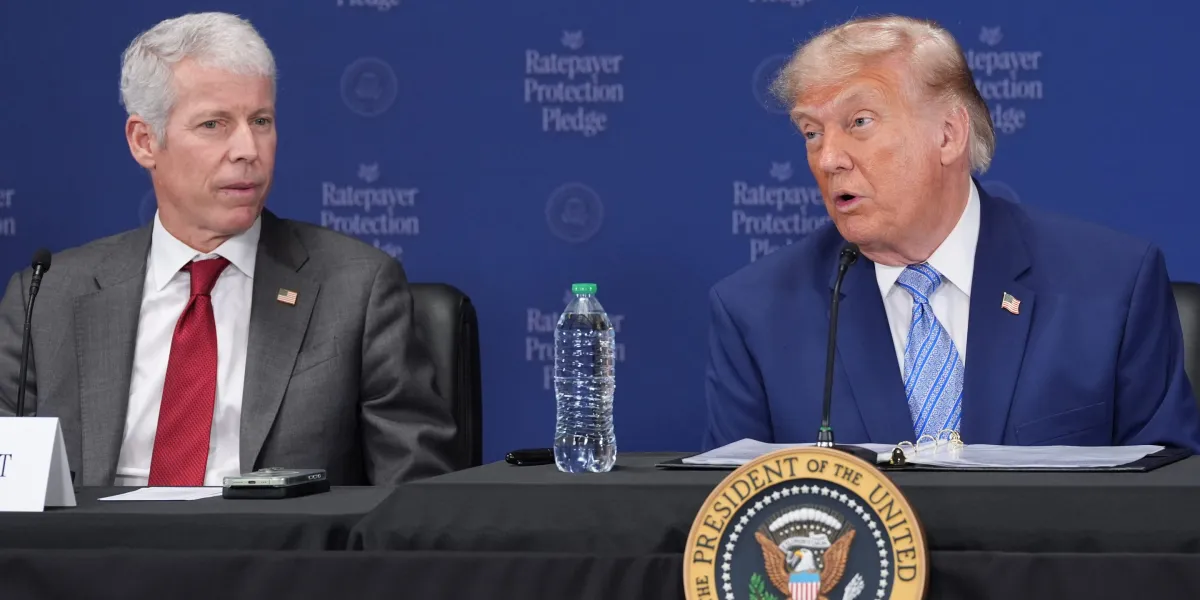
On July 23, President Donald Trump stood in the White House and promised that electricity bills for American families would “actually come down,” even as power-hungry AI data centres spread across the grid. T
he vehicle was an expanded version of the Ratepayer Protection Pledge, a voluntary scheme first unveiled in March. What energy analysts noticed was mostly what it left out.
The pledge asks the companies building data centres, among them Amazon, Google, Meta, Microsoft, OpenAI, Oracle, and xAI, to fund or build the power infrastructure their facilities demand rather than passing the cost to existing ratepayers.
The administration had already signalled it would widen the scheme to the utilities, and the new version reaches, by the White House’s own count, nearly 200 additional signatories, including NextEra Energy, Duke Energy, rural cooperatives, and a group of Republican governors.
Trump claimed the commitment now covers roughly 80% of the power delivered to US homes and businesses, and that companies given the right to build their own plants could sell surplus energy back to the grid, nudging rates down. He offered no capacity targets, no timelines, and no measurable milestones.The 💜 of EU techThe latest rumblings from the EU tech scene, a story from our wise ol' founder Boris, and some questionable AI art. It's free, every week, in your inbox. Sign up now!