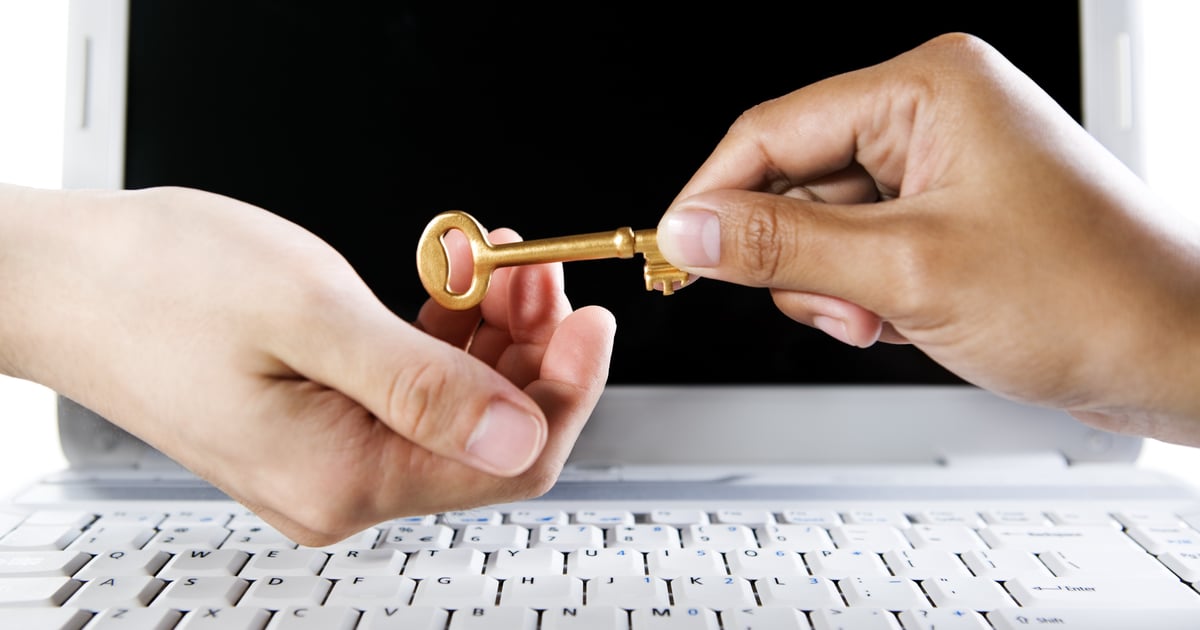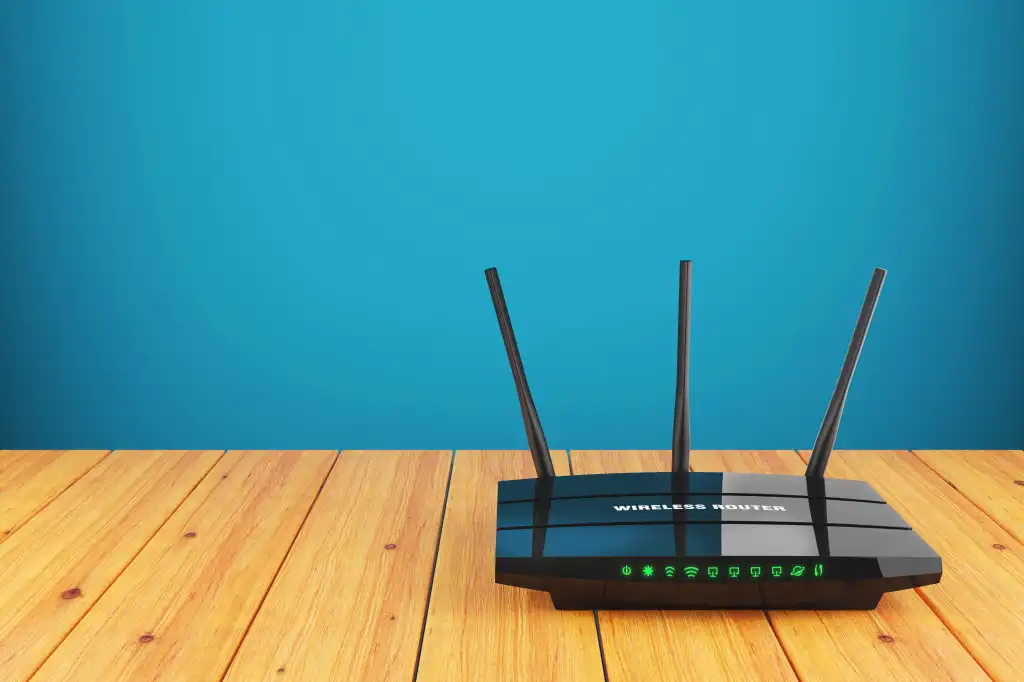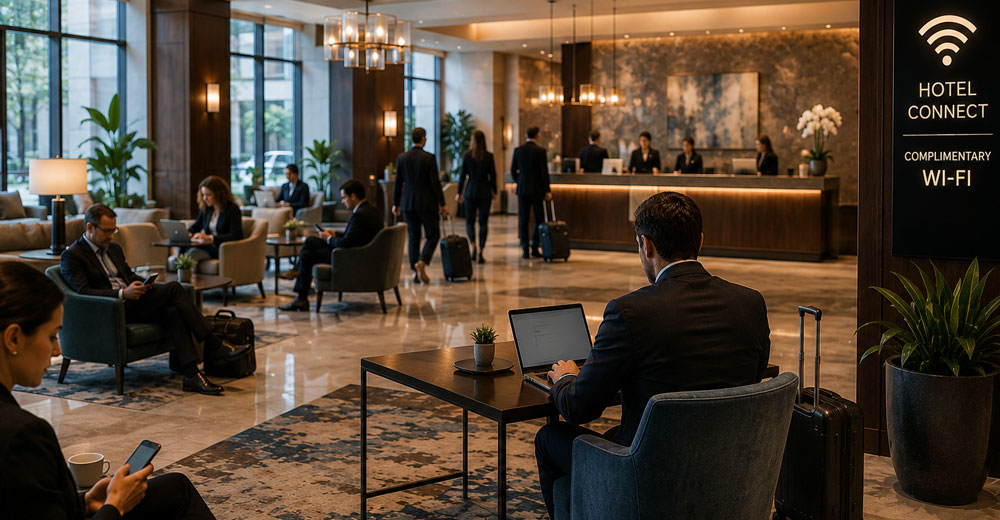
In October 2017, researcher Mathy Vanhoef published an attack that broke WPA2, the encryption that had protected almost every Wi-Fi network on the planet for over a decade. The surprise was how it worked. KRACK did not guess your Wi-Fi password or brute-force any key. It tricked your device into installing a key it had already used, and that single mistake unraveled the encryption.
WPA2 replaced the badly broken WEP standard in 2004 and quickly became the baseline for wireless security. For thirteen years it held up well. The passphrase-based version most homes use (WPA2-Personal) was vulnerable to offline password guessing if you chose a weak passphrase, but the protocol itself was considered sound. KRACK, short for Key Reinstallation Attack, was different. It targeted a flaw in the WPA2 standard itself, which meant every correct implementation was affected.
The four-way handshake, briefly
When a device joins a WPA2 network, the client and the access point run a four-message exchange called the four-way handshake. Both sides already share a secret (derived from the passphrase or from an enterprise authentication server). The handshake uses that shared secret to agree on a fresh session key, the Pairwise Transient Key, that will actually encrypt the traffic for this session.