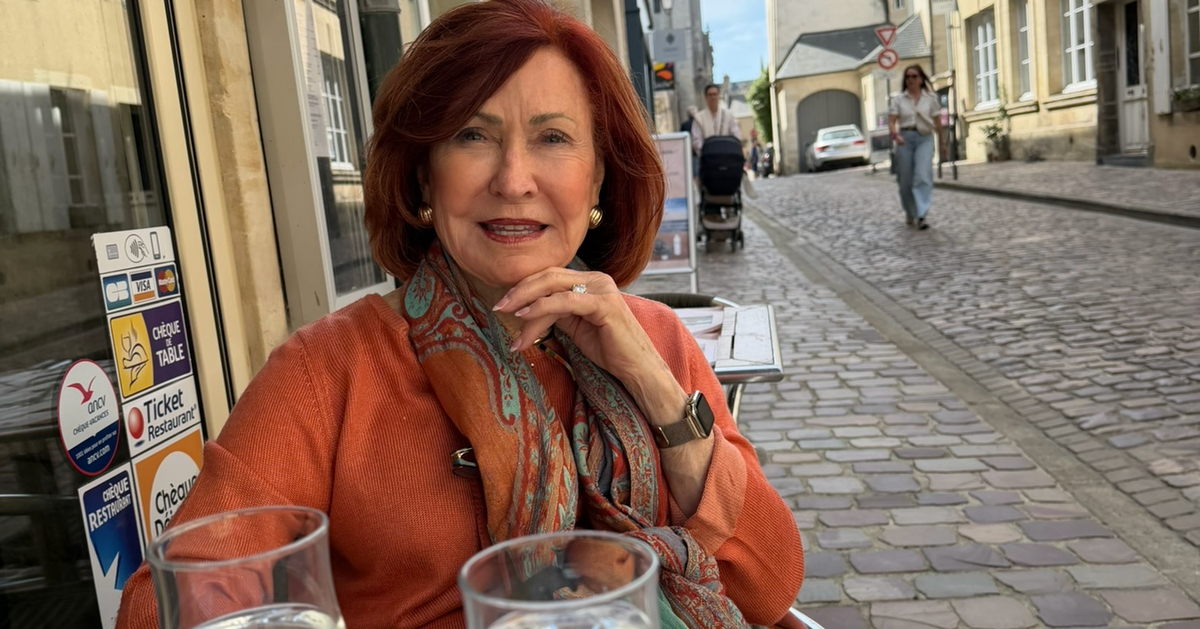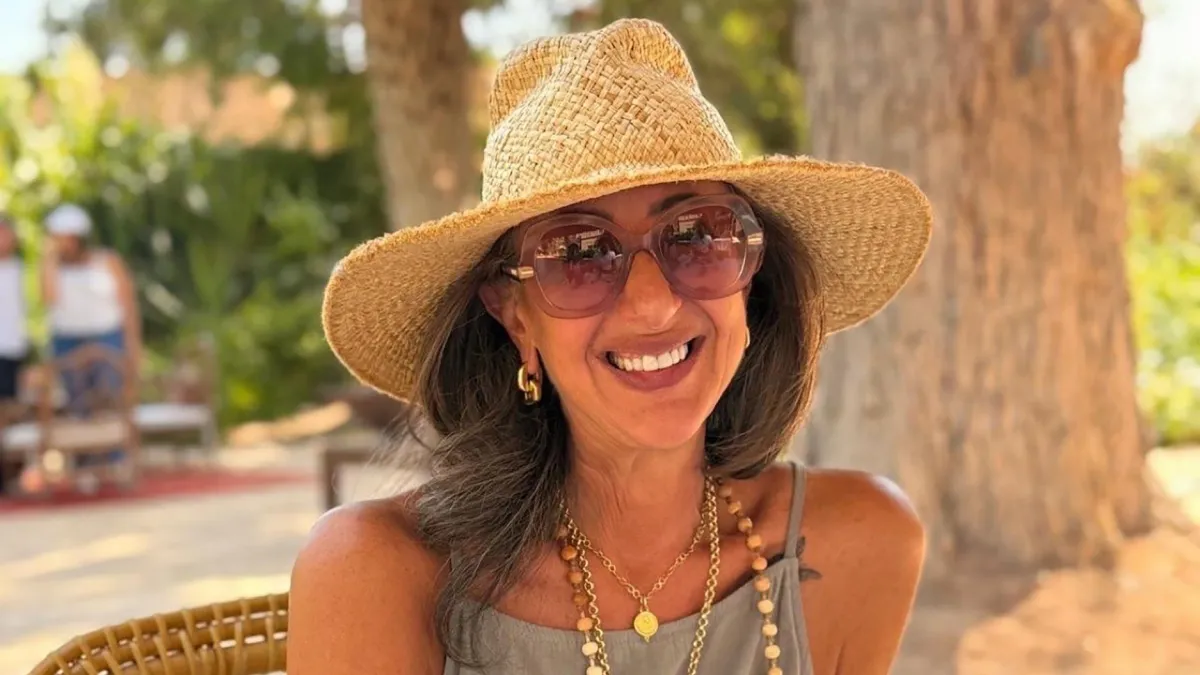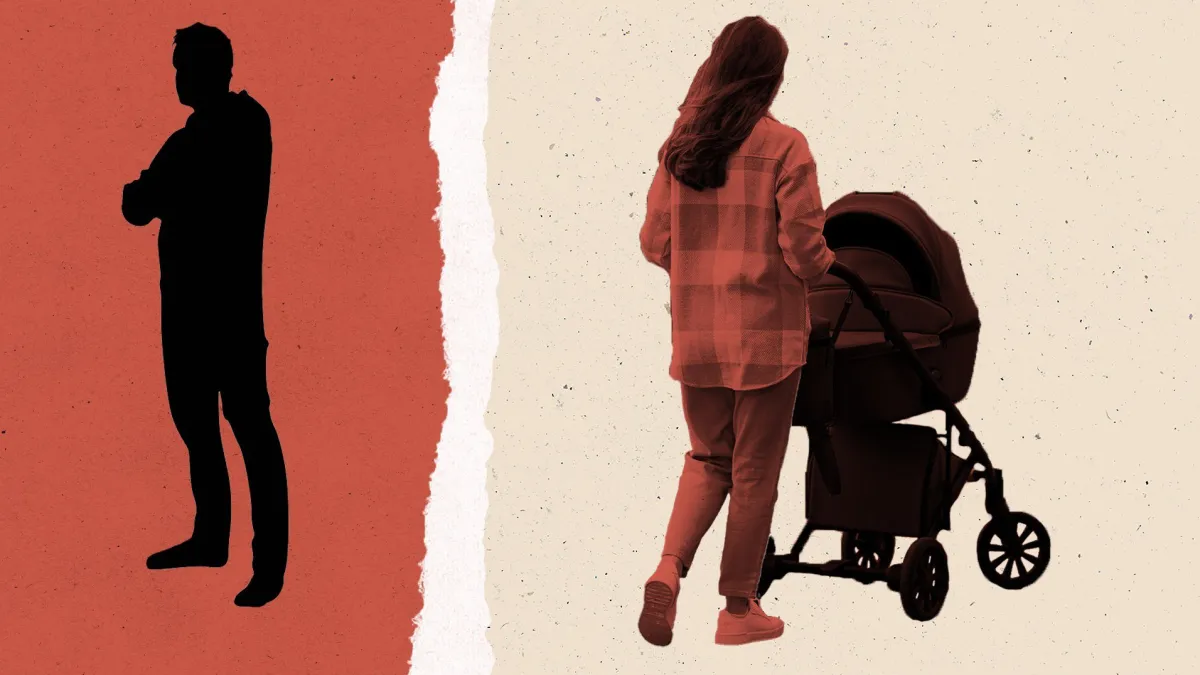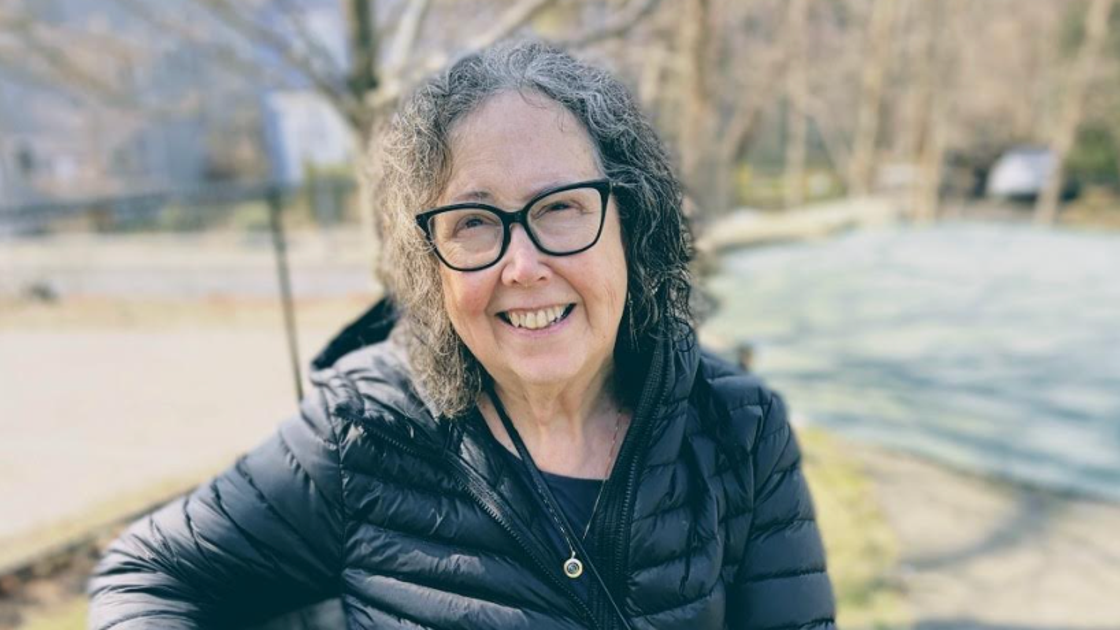
This past winter in Taormina, Sicily, I stood fixated by the ceramic heads staring from every balcony and garden wall — brightly painted Teste di Moro with trailing herbs spilling from the severed necks. My granddaughters were more drawn to picking oranges and lemons from the trees, but I was fascinated by those heads. The legend that inspired them is brutal: A woman discovers her lover’s infidelity, beheads him in a rage, and plants basil in his skull so it grows lush on his betrayal.I laughed when I heard that and bought a severed head for my garden.This had happened to me. Twelve years ago, my husband left me at 60 to make babies of his own with a younger woman. When it happened, chopping off his head seemed reasonable. But, alas, we live in different times.Instead, I wrote a memoir. On Valentine’s Day, at a reading for my book “If You Must Go, I Wish You Triplets,” a woman raised her hand.“I hated your ex as I read your book,” she said. “I wanted to throw the book across the room. Why didn’t you hate him?”I laughed with everyone else in the room. This was not an uncommon question. I also loved the Sicilian version: a clean cut. In a culture that rewards public denunciation, choosing understanding can look like weakness.“I did hate him — at times,” I told the audience. “As he walked out, I yelled, ‘If you must go, I wish you triplets,’ picturing myself sipping coffee in a Paris café while he juggled diapers and sleepless nights.”“But rage also ends the story,” I added. “If I cast him as the villain, I become the wronged woman — a stock character in someone else’s plot. I didn’t want to be a dupe. I wanted to stay a full person, so I needed to understand how this happened to us.”The author and her granddaughter in Taormina, Sicily, in February 2026.Courtesy of Virginia DeLucaWeeks after my ex-husband walked out, when I was always weeping and barely holding myself together — feeling little more than a rejected old lady — I was scheduled to give a reading. I intended to cancel. Instead, I went to pick out new glasses. Perhaps, I thought, new glasses would give me a new perspective.A pleasant young man showed me countless frames: wireless rims, brown ovals, black squares. Age-appropriate. Muted. Depressing.“I just published a novel, and I’m doing a reading at RiverRun Bookstore,” I told him. “My husband left me a month ago to make babies with a new woman. I need frames that say beautiful, brilliant, and badass.”Everyone in the shop went silent.I shrugged apologetically.A young woman who had been organizing files strode over. She reached for a pair of large, striking frames — bright, multicolored, turquoise-dominant — that were unlike anything I’d ever worn.“How about these?” she said.They were loud. They were colorful. They were bold.“Perfect,” I said.Feelings are uneven, and grief is like a spiral — tears and weeping — then a lift, when life feels almost good, and then back down again.A year after, the divorce decree appeared in my email inbox while I was buried deep in the pantry excavating ancient cans of pinto beans and tuna. I filled a trash bag with half-finished bags of limp potato chips and stale cereal.Minutes after the divorce notice arrived, an email from my ex appeared that read: “I think about you often and what a good life we had together.”I wrote back: “We didn’t have a good life together. We had a good lie together.”I was pleased with my cleverness, but I didn’t send it.I left the pantry a mess, made myself hot tea with sugar, and carried the mug to my spot on the back porch. Loving someone meant accepting rooms we cannot enter — the things he could never quite say. But there was a world of difference between privacy and concealment. When what is hidden would fundamentally alter someone’s choices — about time, body and future — it stopped being a human mystery and became a kind of theft.My ex had crossed that line. I’d come to understand it was out of fear rather than cruelty. That distinction didn’t erase the harm, but it made the harm human. I put my mug in the sink and called a friend to have dinner.The author in Parkman Playground, Jamaica Plain, Massachusetts, in April 2026.Courtesy of Virginia DeLucaSix years after he left, my phone buzzed. We hadn’t talked in a long time.“Hi?” I said, my voice lifting into a question.“Do you remember, as I left, that you wished triplets on me?” he asked.“Yes.”“Well, your wish sort of came true. My wife and I just learned we’re expecting identical twin boys.”I burst out laughing. I couldn’t help it. Karma.“Congratulations,” I croaked. “How do you feel?”Naturally, he expressed worry.“You will be a wonderful father,” I told him. “You know how to appear loving, caring, and calm, no matter what turmoil is roiling inside you.”I wasn’t sure he felt the sting. He would be a first-time father at 66, and I suspected the reality was only beginning to dawn on him. I hoped he had good life insurance.We had certainly chosen very different paths for the rest of our days.When I got accepted into a writing program, I knew I needed to tell him. We met for lunch in Portsmouth. We ate lobster rolls as the sun glinted off the water and watched gulls trail the tugboats on the Piscataqua River. His hair and mustache were gray like mine. His shirt collar was frayed, and I caught the faint scent of lavender laundry soap. He looked tired.He told me I looked wonderful. I smiled my thanks.“Do you remember that before you left, I planned to write about the gifts of later-in-life love?” I asked.He nodded.“I still plan to write that book,” I said. “Only now it has a different ending.”He was quiet. Then he looked out at the river and back to me. “OK.”So, I wrote it. And putting this story into words changed my relationship to it. Writing it didn’t erase what happened, but it gave it shape. The story no longer belonged only to him or to the silence around it. I could tell it as I lived it: complicated, unfinished, human. The day it was published, I found myself weeping on the sidewalk in Montreal, where we’d gone for vacation — my grandchildren wide-eyed and wondering. “What did I do?” I asked out loud.My son took my arm and steered me into a coffee shop. “We’ll take the kids to the museum. You sit.” I sat.I was flooded for a moment with sorrows and regrets for taking both our stories beyond ourselves. But then pride — and a certain awesomeness — rose inside of me. I got to choose my own ending with care and courage. I did it.This spring I placed my Sicilian ceramic head in my garden. I will plant seeds. Not basil in a skull — morning glories in ordinary soil. Some will wilt and others thrive. It will be a riot of color: purple, deep blue and some white. The ceramic head from Sicily that now lives in the author's garden.Courtesy of Virginia DeLucaChoosing the messier path means living with complexity — with all of the unanswered questions. It isn’t forgiveness. It isn’t absolution. Refusing to let betrayal define the whole story — mine or his — is my survival.Virginia DeLuca is a therapist, memoirist and grandmother of seven. She is the author of “If You Must Go, I Wish You Triplets,” and her essays have appeared in the New York Times Modern Love column and Business Insider. She lives in Boston and believes it’s never too late to rewrite the ending you were handed. Find her at virginiadeluca.com.Do you have a compelling personal story you’d like to see published on HuffPost? Find out what we’re looking for here and send us a pitch at pitch@huffpost.com.
My Husband Divorced Me At 60 To Have Kids With A Younger Woman. Here's What I Discovered After He Left.
“I got to choose my own ending with care and courage. I did it.”
1,328 words~6 min read