AMD targets outcome-driven enterprise AI infrastructure as token economics reshape deployments
Enterprise AI is entering a new phase as organizations shift their focus from experimentation to production deployments that deliver measurable business outcomes. That transition is bringing AI token economics to the forefront, reshaping infrastructure priorities around inference costs and the flexibility to run AI across hybrid environments.
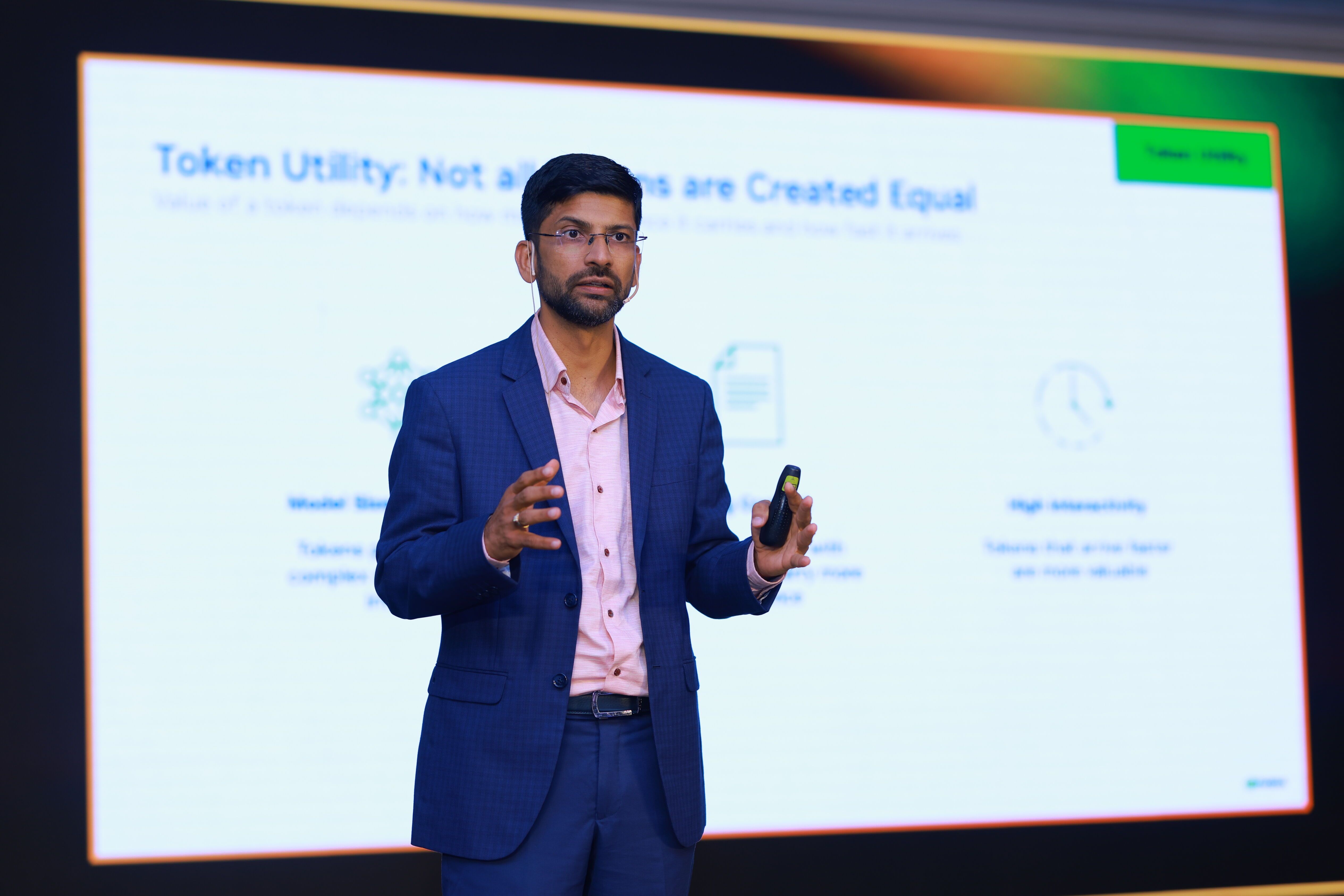
Hybrid AI is evolving beyond simply deciding whether workloads run on-premises, at the edge or in the cloud. Increasingly, enterprises are also adopting a hybrid approach to AI models, combining frontier and open-weight models based on the needs of each workload, according to Suresh Andani (pictured), corporate vice president of compute and enterprise AI at Advanced Micro Devices Inc.
“A lot of enterprises are now figuring out that not all tasks need frontier models. Frontier models are great, by the way,” Andani said. “If you need the deepest context, if you really need the high concurrency, frontier models have really done well for the enterprises. Not every enterprise AI task needs to run on a frontier model.”
Andani spoke with theCUBE’s John Furrier and Dave Vellante at AMD Advancing AI event, during an exclusive broadcast on theCUBE, SiliconANGLE Media’s livestreaming studio. They discussed the shift toward distributed AI infrastructure and the growing importance of AI token economics as enterprises scale AI into production. (* Disclosure below.)